

Should You Buy a Condo or a Single-Family Home on Boston's North Shore?
A First-Time Buyer's Guide
 By Kathleen Militello
Last spring, a young professional named Megan spent two Saturdays touring homes on the North Shore.
On Saturday morning, she walked through a bright two-bedroom condominium in downtown Beverly. Polished hardwood floors. An updated kitchen with quartz counters. A balcony overlooking a quiet courtyard. The building had a gym, shared outdoor space, and a dedicated parking spot. She could lock the door and travel for work without worrying about a thing.
On Saturday afternoon, she drove ten minutes to a small Cape in Salem. It needed work — the kitchen was original, the bathroom was small, and the yard was overgrown. But it had three bedrooms, a private backyard, and a garage. There were no shared walls. No HOA rules. No monthly condo fees.
Both homes were within her budget.
Both felt right in completely different ways.
She sat in her car afterward, utterly torn. The condo offered convenience and a move-in-ready lifestyle. The house offered space, privacy, and room to grow.
Which one should she choose?
If you're reading this, you might be facing the same question. And the truth is, there's no single right answer. The best choice depends on your lifestyle, your finances, your future plans, and what kind of homeownership experience you're looking for.
This guide will walk through everything you need to know to make that decision with confidence.
Before You Continue...
By the time you finish this guide, you'll understand:
- ✓ The biggest differences between condos and single-family homes
- ✓ The true monthly cost of each option
- ✓ HOA fees explained — what they cover and what they don't
- ✓ Maintenance responsibilities for both property types
- ✓ Lifestyle considerations — privacy, space, pets, parking, and more
- ✓ Financing differences between condos and houses
- ✓ Long-term resale potential for each option
- ✓ Which option fits your stage of life
What Is a Condominium?
A condominium is a privately owned unit within a larger building or community. You own the interior of your unit — the walls, floors, fixtures, and everything inside. The building's exterior, common areas, land, and shared amenities are owned collectively by all unit owners through a homeowners association (HOA).
When you buy a condo, you own your home. But you also share responsibility for the property as a whole.
Common misconceptions:
- A condo is not an apartment. You own it. It's real property, just like a house.
- You don't own the land directly — but you own a share of it through the association.
- You can decorate, paint, renovate, and customize the interior — within the association's rules.
Did You Know?
Condominiums became popular in the United States in the 1960s, but the concept dates back to ancient Rome. The word itself comes from Latin, meaning "joint dominion" or "co-ownership."
What Is a Single-Family Home?
A single-family home is a standalone residential structure on its own piece of land. You own the building, the land it sits on, and everything within the property lines.
When you buy a single-family home, you are responsible for everything — the roof, the foundation, the yard, the driveway, the plumbing, the electrical system, and every appliance inside. You are also free to do almost anything you want with the property, within local zoning and building codes.
What single-family homeownership includes:
- Full control over the property
- Responsibility for all maintenance and repairs
- Privacy — no shared walls, ceilings, or floors
- The ability to modify, expand, or renovate as you wish
Comparing Monthly Costs
This is where the numbers get real.
Condo Monthly Costs
- Mortgage: Based on purchase price and interest rate
- Property taxes: Based on assessed value of your unit
- Homeowners insurance: Covers interior, personal property, liability
- HOA fees: Covers building maintenance, insurance, common areas, reserves
- Utilities: Usually electric, internet — heat/water sometimes included
- Maintenance reserves: Built into HOA fees
Single-Family Monthly Costs
- Mortgage: Based on purchase price and interest rate
- Property taxes: Based on assessed value of the property
- Homeowners insurance: Covers structure and personal property
- Utilities: Electric, gas, water, sewer, trash, internet
- Maintenance: You pay directly — roof, HVAC, plumbing, yard, etc.
- Reserve fund: You build this yourself over time
Quick Tip
When comparing a condo and a single-family home at the same price point, remember that the condo's HOA fee covers costs you would pay separately as a single-family homeowner. The question isn't "Is the HOA fee worth it?" — it's "Would I rather pay that amount bundled or manage it myself?"
Understanding HOA Fees
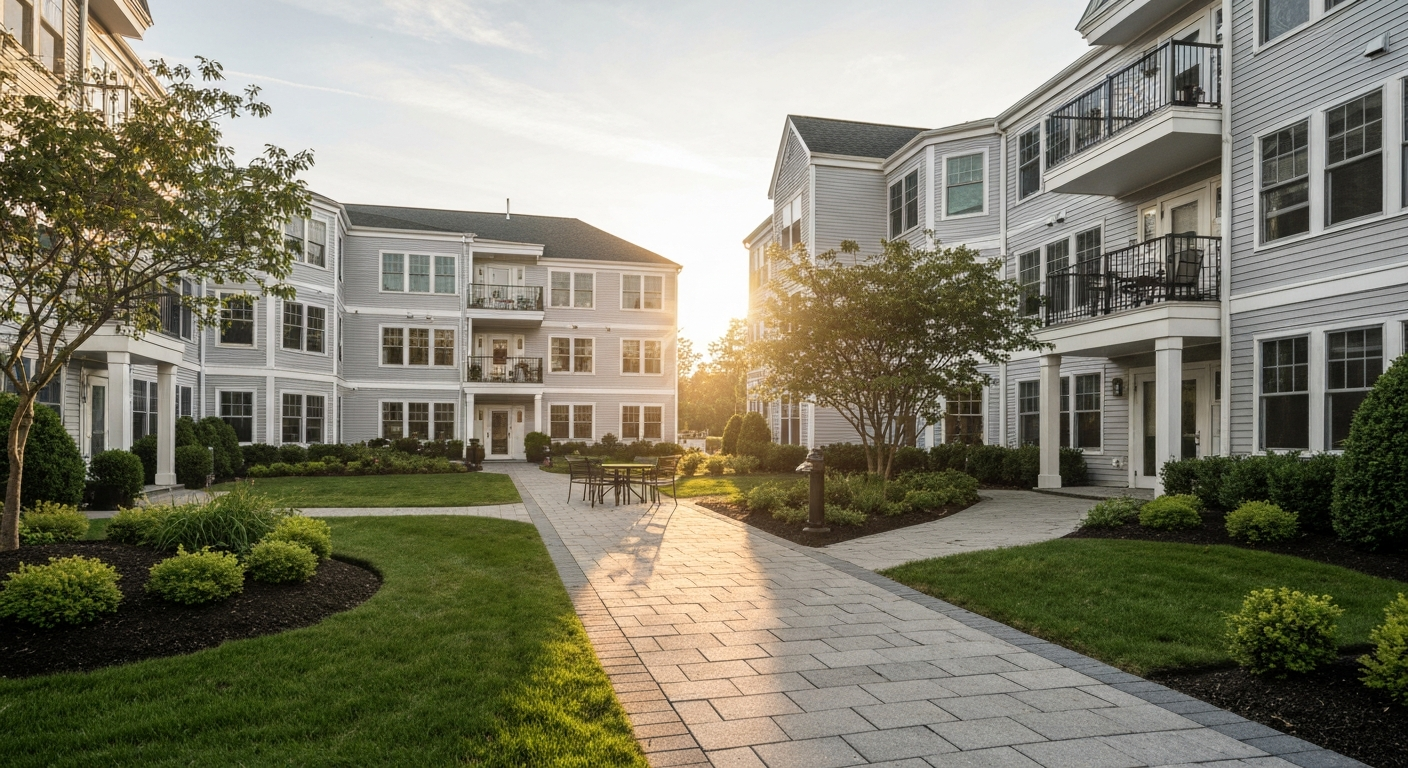
HOA fees cover exterior maintenance and landscaping, allowing condo owners to enjoy pristine grounds without the weekend yard work.
HOA fees are the most misunderstood part of condo ownership.
What HOA fees typically cover:
- Building insurance
- Landscape maintenance
- Snow removal
- Trash and recycling
- Water and sewer (sometimes)
- Common area utilities
- Reserve fund
- Management fees
- Amenities
What HOA fees do NOT cover:
- Your mortgage
- Your property taxes
- Your interior insurance
- Your interior maintenance
- Your utilities (usually)
North Shore Insight
HOA fees on Boston's North Shore vary widely. A newer building in Beverly with an elevator, gym, and underground parking may have higher fees than an older walk-up in Salem with fewer amenities. Always review the HOA budget and reserve study before making an offer.
Special assessments are additional fees charged to all unit owners when the association needs to pay for unexpected major repairs — a new roof, a failed boiler, or structural work. A well-funded reserve reduces the likelihood of special assessments.
Maintenance Responsibilities
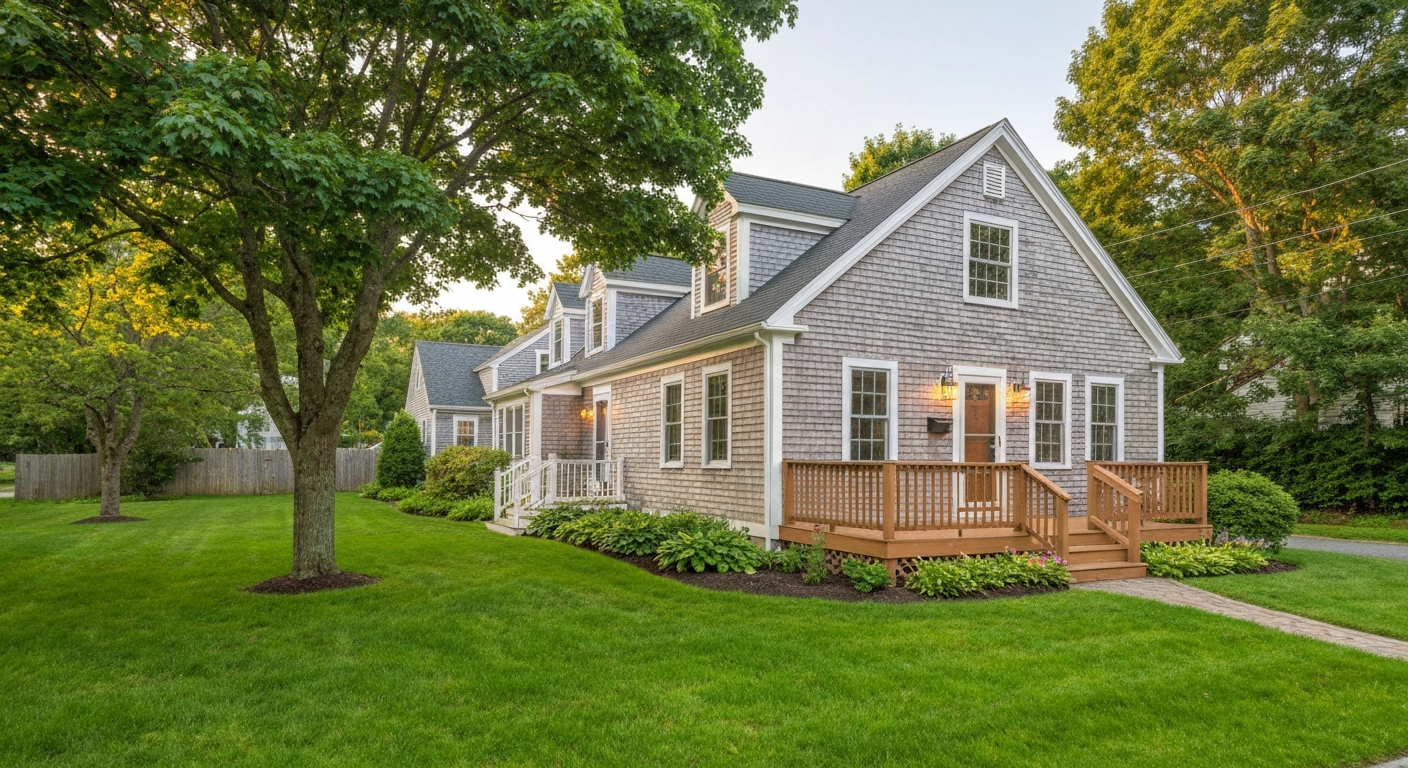
Owning a single-family home means complete control over your property, but it also means taking full responsibility for its upkeep and maintenance.
This is one of the most important differences between condos and single-family homes.
Condo maintenance
What you're responsible for: Interior wall paint and finishes, flooring, cabinets and countertops, appliances, plumbing and electrical within your unit, window coverings, personal property.
What the association handles: Roof, exterior walls, windows and doors (in some buildings), common area lighting and landscaping, driveways and parking areas, snow removal, structural systems.
Single-family maintenance
What you're responsible for: Everything. The roof, siding, windows, doors, foundation, driveway, walkways, garage, yard, trees, fence, deck, porch, HVAC system, water heater, plumbing, electrical, appliances, and anything else that breaks, wears out, or needs attention.
Buyer Tip
If you don't enjoy yard work, snow shoveling, or tracking down contractors, a condo may be a better fit. If you love gardening, outdoor projects, and having control over your property, a single-family home might suit you better.
Lifestyle Differences
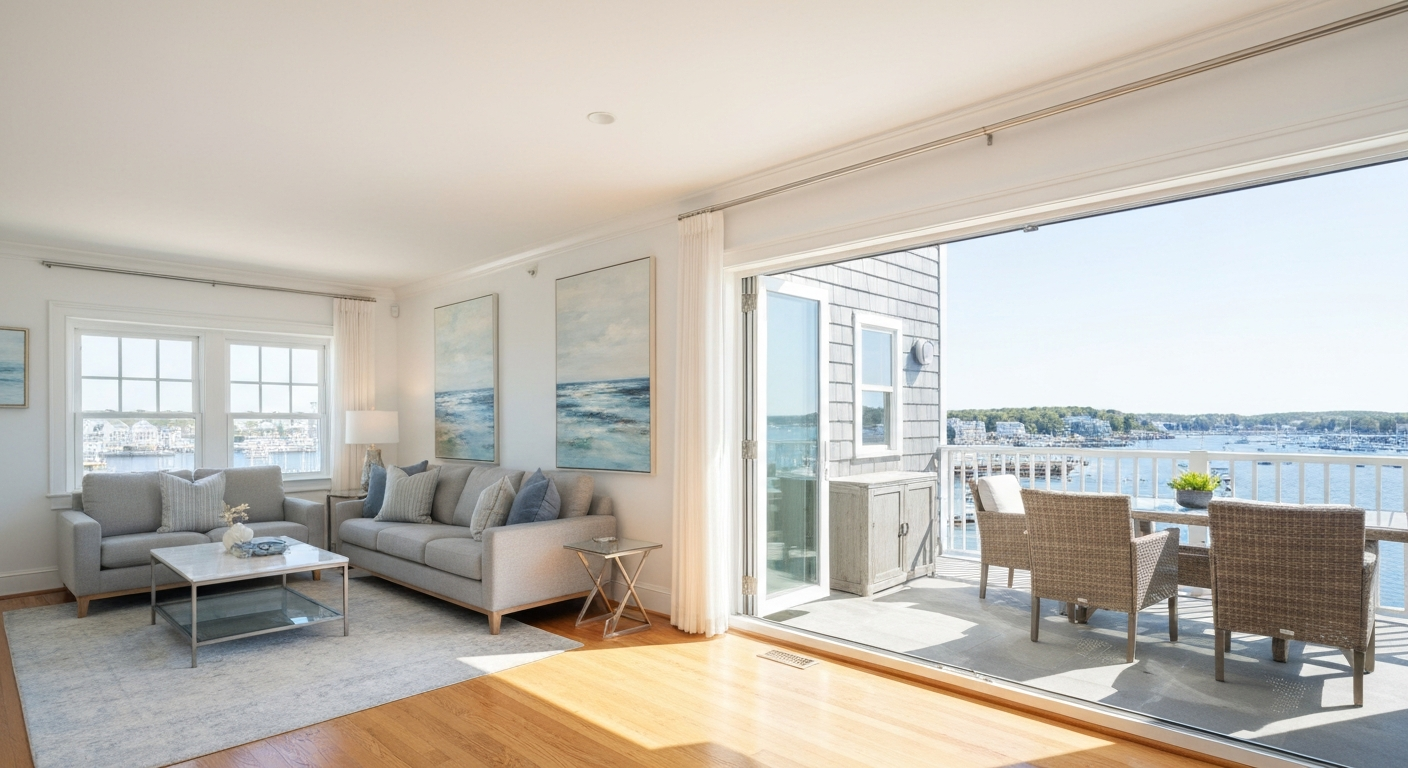
Many North Shore condos offer modern layouts, private balconies, and stunning harbor views with true lock-and-leave convenience.
Privacy
Condo: You share walls, ceilings, and floors with neighbors. You may hear footsteps, music, or conversations. You share hallways, elevators, and common spaces.
Single-family: Your home is your own. No shared walls. No neighbors above or below you. Complete privacy within your property lines.
Outdoor Space
Condo: You may have a balcony, patio, or access shared grounds. You will not have a private yard.
Single-family: You own the land. You can garden, build a deck, install a playset, or let your dog run.
Pets
Condo: Pet policies vary by association. Some allow pets. Others have weight or breed restrictions. Some allow no pets at all.
Single-family: No restrictions (beyond local ordinances). Your pet is welcome.
Parking
Condo: Usually includes one dedicated parking space. Guest parking varies. Street parking may be limited.
Single-family: Driveway and garage. You park where you want, and guests can park in your driveway.
Storage
Condo: Limited to your unit and any assigned storage locker. Attic and basement space is typically not available.
Single-family: Attic, basement, garage, shed — you have room for everything.

If you have pets, enjoy gardening, or simply want the privacy of your own backyard, a single-family home is often the best choice.
Who Should Buy Which?
A condo might be right if you:
- Are a busy professional who travels
- Don't want to do yard work or snow removal
- Want to live in a walkable downtown
- Are downsizing and want less maintenance
- Value amenities like a gym or pool
A house might be right if you:
- Plan to stay for a long time
- Want complete privacy and no shared walls
- Have pets that need a yard
- Enjoy gardening and outdoor projects
- Need room to grow or expand
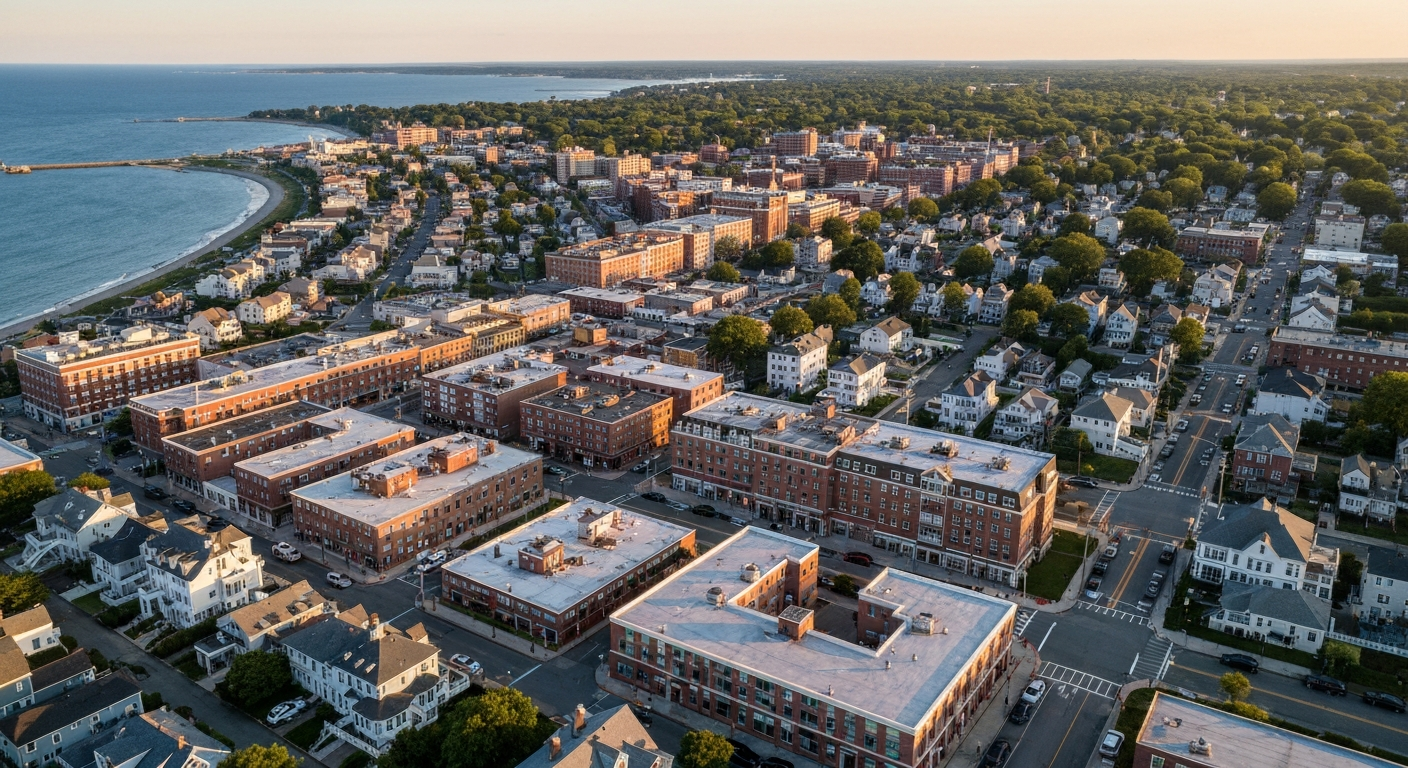
Communities like Beverly offer a perfect mix of vibrant downtown condos and quiet, tree-lined streets with spacious single-family homes.
North Shore Considerations
The condo versus single-family decision looks different depending on which North Shore community you're considering.
- Beverly offers both options in abundance. Downtown condos near the commuter rail are popular with professionals. Single-family homes in neighborhoods like Ryal Side offer space and excellent schools.
- Salem has a strong condo market, particularly in the downtown and waterfront areas. Single-family homes in Salem's historic districts are beautiful but often require more maintenance.
- Ipswich is primarily single-family homes on larger lots. Condo options exist but are limited.
- Gloucester offers both. Condos near the harbor are popular, while single-family homes in East Gloucester offer water views and private yards.
Common Mistakes Buyers Make
- Mistake #1: Assuming a condo is always cheaper. Factor in HOA fees and special assessments.
- Mistake #2: Ignoring the HOA's financial health. A poorly managed association can lead to unexpected special assessments.
- Mistake #3: Buying a single-family home and underestimating maintenance costs.
- Mistake #4: Choosing based only on price. The cheaper option may not fit your lifestyle.
- Mistake #5: Forgetting about future needs. A condo that works perfectly today may feel small in five years.
Frequently Asked Questions
Final Thoughts
There is no wrong answer to the condo versus single-family question. Only the answer that's right for you.
Megan — the buyer who spent two Saturdays touring homes — eventually chose the condo in Beverly. She loved the walkability, the ease of locking the door and traveling, and the community feel of her building. For that season of her life, it was the perfect fit.
Five years later, she sold that condo and bought a single-family home in Salem. Her life had changed. Her needs had changed. And her home changed with them.
That's the thing about homeownership. It's not about finding the perfect property once. It's about making the right choice for where you are right now — knowing that your next home may be different, and that's okay.
Choose the home that supports the life you want to live today.
The North Shore has options for every season of life.