
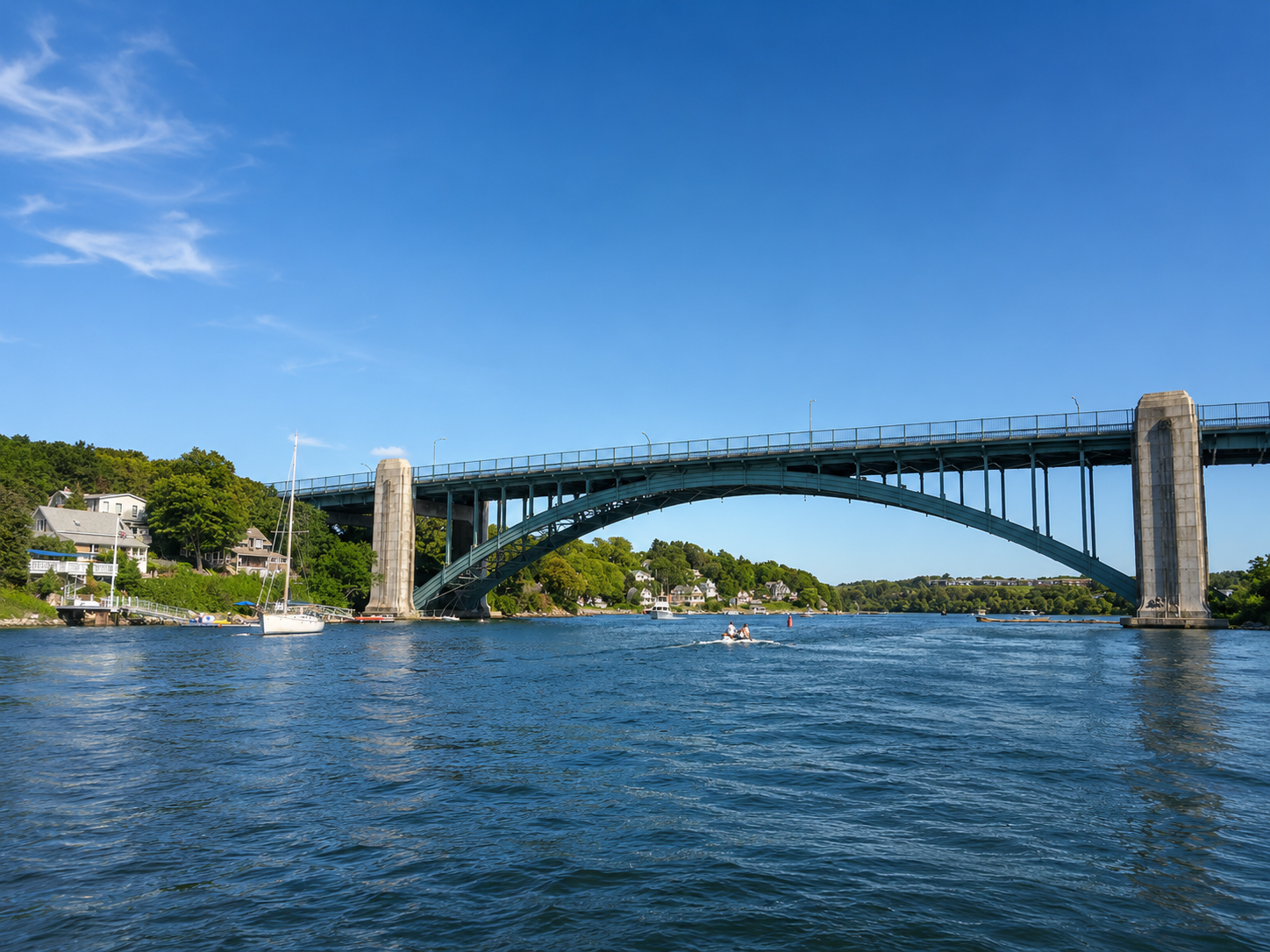
Gloucester, MA: The Complete Guide to Living, Visiting & Exploring Gloucester
Discover Gloucester beyond the postcard views. Its neighborhoods, beaches, working waterfront, history, restaurants, transportation, everyday lifestyle, and what it is really like to call this Cape Ann city home.
What's Your Gloucester Home Worth?
Based on real local sales and current market conditions.
Gloucester, Massachusetts
Gloucester is a city on Cape Ann, about 35 miles northeast of Boston. It is America's oldest seaport, with a working fishing harbor that has been active since the 1600s. But Gloucester is not simply a picturesque coastal town. It is a real, working city with distinct neighborhoods, generations of maritime history, commercial activity, tourism, a residential community of roughly 30,000 year-round residents, and a strong local identity that predates the tourism industry by centuries.
What makes Gloucester unusual is the combination. Within one city you have an active commercial fishing fleet, some of the most beautiful beaches in New England, a thriving arts community, a walkable downtown, commuter rail access to Boston, extensive woodland trails, and neighborhoods that range from dense historic streets near the harbor to wooded suburban roads to some of the most exclusive oceanfront estates on the North Shore. Few cities this size offer that range.
That combination is the theme of this guide. Gloucester is not one thing. It is a working waterfront, a beach destination, an arts community, a commuter city, and a year-round home. Understanding how those layers fit together is the key to understanding what it is actually like to live here.
Quick Facts About Gloucester
Where Is Gloucester?
Gloucester sits on Cape Ann, a rocky peninsula that juts into the Atlantic Ocean on Massachusetts' North Shore. Cape Ann is a distinct geographic region that includes Gloucester, Rockport, and Essex, with Manchester-by-the-Sea bordering to the southwest. If you picture the Massachusetts coastline curving northeast from Boston, Cape Ann is the bump that sticks out into the ocean.
Gloucester is bordered by Rockport to the east, Essex to the south, and Manchester-by-the-Sea to the southwest. Beverly lies beyond Manchester, and Ipswich is accessible via Route 133 through Essex.
Route 128, the major highway connecting the North Shore to the Greater Boston area, terminates in Gloucester. This means you can get on the highway in West Gloucester and drive directly to Boston, Logan Airport, or the I-95 corridor. The MBTA commuter rail also serves Gloucester with two stations, making it one of the more accessible Cape Ann communities for Boston commuters.
What Is It Really Like to Live in Gloucester?
The first thing to understand about living in Gloucester is that summer and winter are two different experiences. In July and August, the city fills with visitors. Beaches are busy, downtown restaurants have waits, Route 128 sees heavier traffic, and the working harbor is at its most active. By January, the city contracts. The beaches are empty, the downtown is quieter, and the fishing fleet goes about its work without an audience. If you only visit in summer, you are seeing one version of Gloucester. Living here year-round is something else.
The second thing to understand is that Gloucester's neighborhoods feel genuinely different from one another. Downtown Gloucester is walkable, dense, and connected to the harbor. East Gloucester feels more residential, with cottage streets near Good Harbor Beach. Annisquam is a quiet, historic village on the northern coast with narrow winding roads and antique homes. West Gloucester is wooded and spacious, with larger lots and a more suburban feel. Magnolia, on the southern edge, has its own village center and a quieter, more refined character. Lanesville and Bay View, on the northern rocky coast, have a rugged, tight-knit feel shaped by the granite quarrying industry.
The housing stock reflects that variety. Near the harbor, you find historic colonials, multifamily properties, and newer harbor-view condos. In the residential neighborhoods, there are Capes, ranches, and mid-century homes. Along the coast, there are cottages, waterfront estates, and everything in between. Two homes that are geographically close can offer very different experiences depending on water exposure, elevation, parking, walkability, and proximity to the harbor or beaches.
The practical reality is that Gloucester is a working city, not a resort town. It has a year-round economy, a public school system, a city government, and a community that is here in February as much as in July. For residents, that year-round reality is the point. The tourists come and go, but the community stays.
Gloucester Neighborhoods & Areas
Gloucester is a collection of distinct villages, each with its own character. Understanding these areas is essential for anyone considering buying or living in Gloucester, because the experience of living in one neighborhood can be completely different from another.
Downtown Gloucester
The energetic heart of the city, centered on Main Street. Walkable, dense, and connected to the working harbor. Housing includes historic colonials, multifamily properties, and newer condos with harbor views. This is where you find restaurants, shops, the Cape Ann Museum, and the commuter rail station.
East Gloucester
A residential area east of downtown, home to Good Harbor Beach, Niles Beach, and the Rocky Neck Art Colony. The housing mix includes cottages, older homes on narrow streets, and some larger properties. It has a neighborhood feel that is distinct from downtown but still close to the water and the harbor.
Annisquam
A historic waterfront village on the northern side of Cape Ann, where the Annisquam River connects Ipswich Bay to Gloucester Harbor. Known for the Annisquam Lighthouse, the yacht club, narrow winding streets, and antique homes. It is quiet, private, and one of the most sought-after areas on the North Shore.
Lanesville & Bay View
Villages along the northern rocky coast facing Ipswich Bay. Historically tied to the granite quarrying industry, these areas have a rugged, authentic Cape Ann character. Incredible sunsets, tight-knit communities, and a mix of historic homes and cottages. Plum Cove Beach is here.
Magnolia
A village on the southern edge of Gloucester, bordering Manchester-by-the-Sea. Magnolia has its own small commercial center on Lexington Avenue, the historic Magnolia Library, and a quieter, more refined feel. Hammond Castle is located here. Housing includes coastal estates and established residential streets. Learn more in our guide to Magnolia Village.
West Gloucester
The first area you enter from Route 128. Heavily wooded, with larger lot sizes, a more suburban feel, and access to Wingaersheek Beach and Ravenswood Park. The West Gloucester commuter rail station is here, making it a practical choice for commuters who want more space.
Riverdale
A residential neighborhood along the Annisquam River, between downtown and West Gloucester. A mix of mid-century homes and more recent construction, with river access and a quieter setting close to downtown.
Eastern Point
A private, gated peninsula at the tip of Gloucester Harbor, featuring some of the most spectacular oceanfront estates in Massachusetts. The Eastern Point Lighthouse and the Dog Bar Breakwater are here. Public access is limited, and the area is known for its privacy and exclusivity.
Bass Rocks
A prestigious residential area on the Atlantic-facing coast of East Gloucester, known for dramatic ocean views, rocky shoreline, and some of the most significant oceanfront estates on the North Shore. Bass Rocks is exposed to the open ocean, which means the views are spectacular but the coastal weather exposure is real. It is adjacent to Good Harbor Beach and has a distinctly different character from the harbor side of the city.
Gloucester Beaches
Gloucester has some of the best beaches on the North Shore, and the variety is part of what makes the city special. From broad sandy expanses to small coves, each beach has its own character. Beach rules, parking systems, fees, and resident and nonresident access regulations can change seasonally. Always verify current rules through the City of Gloucester's official beach information before visiting.
Good Harbor Beach
Good Harbor Beach is Gloucester's most well-known beach, a broad stretch of white sand on the Atlantic side of the city. At low tide, you can walk out to Salt Island. The beach has views of Thacher Island's Twin Lights and a tidal environment that changes dramatically through the day. It is a popular destination in summer, and parking requires a resident sticker or a nonresident pass purchased in advance. Check current rules and parking.
Wingaersheek Beach
Wingaersheek Beach is on the Annisquam River side of Gloucester, facing Ipswich Bay. It is known for its calm, shallow waters, large climbing rocks that emerge at low tide, and views of the Annisquam Lighthouse. The setting is very different from Good Harbor, with a more sheltered feel that makes it popular with families. Like Good Harbor, parking is managed through resident stickers and nonresident passes. Check current rules and parking.
Niles Beach
A quieter neighborhood beach in East Gloucester with views of the Boston skyline on clear days. Smaller and less visited than Good Harbor or Wingaersheek, with a more local feel.
Pavilion Beach
Located along Stacy Boulevard near the Man at the Wheel statue. It offers active harbor views and a different experience from the sandy ocean beaches, sitting right in the working waterfront.
Half Moon Beach
A small, crescent-shaped, sheltered beach within Stage Fort Park. It is a quieter, more contained beach experience with historic surroundings and harbor views.
Plum Cove Beach
A small, picturesque cove in Lanesville on the northern coast. It is a quiet spot for watching sunsets over Ipswich Bay, with a more rugged, rocky character than the larger sandy beaches.
Beach parking, sticker requirements, and seasonal rules change frequently. Always verify current access policies through the City of Gloucester before planning a visit.
Gloucester's Working Waterfront
Gloucester's harbor is not a museum piece. It is a working waterfront, and the fishing industry is still active. Commercial fishing vessels leave the harbor daily, seafood businesses operate along the pier, and the harbor generates real economic activity. This is essential to understanding Gloucester's identity. The city is not a coastal theme park. It is a place where people have made their living from the sea for nearly 400 years, and many still do.
The harbor shapes the city in practical ways. It brings early-morning activity, it supports marine businesses, it draws restaurants that serve fresh seafood, and it creates a visual identity that is distinctly Gloucester. The working waterfront also means that the harbor is not purely recreational. There are commercial vessels, loading docks, and industrial activity alongside the pleasure boats, whale watch operators, and schooner sails.
For residents, the working waterfront is part of the everyday background. You see the fleet coming and going. You smell the harbor on certain mornings. You know people who work on the water or in businesses connected to it. That authenticity is what separates Gloucester from communities that are primarily tourist destinations. The harbor is the reason Gloucester exists, and it still functions as one.
Gloucester Harbor vs. Annisquam River vs. Open Ocean
"Waterfront in Gloucester" can mean very different things. Understanding the distinction is one of the most important pieces of local knowledge for anyone considering a coastal property here. The type of water a home faces affects views, boating access, exposure to weather, flood considerations, and the overall experience of living there.
Gloucester Harbor
Harbor waterfront looks out over the working port. You see fishing vessels, schooners, and the activity of a commercial waterfront. The harbor is more protected from open ocean swell, but it is also the busiest part of the coastline. Properties here are closest to downtown and the commuter rail station.
Annisquam River
The Annisquam River connects Ipswich Bay to Gloucester Harbor, separating the northern end of Cape Ann from the mainland. Waterfront along the river tends to be quieter and more sheltered than the open ocean side. The river is popular for boating, kayaking, and sailing, with the Annisquam Yacht Club as a focal point. Waterfront properties here range from historic village homes in Annisquam to more secluded stretches along the river.
Ipswich Bay / Open Atlantic
The eastern and northern coastline faces open ocean or Ipswich Bay. This includes areas like Good Harbor Beach, Bass Rocks, and the rocky shore around Lanesville and Bay View. These properties have the most dramatic ocean exposure, the widest views, and the most direct contact with coastal weather. Flood zone considerations, erosion, and storm exposure can be more significant here.
Coves and Tidal Areas
Gloucester also has smaller coves, marsh edges, and tidal inlets where water frontage is more about scenery than boating access. These areas can offer beautiful water views with different practical considerations than deep-water frontage. The specific type of waterfront matters enormously for property value, insurance, and usability.
Waterfront characteristics are property-specific. Buyers should conduct individual due diligence for any coastal property, including flood zone status, access rights, and insurance requirements.
Things to Do in Gloucester
Gloucester offers a wider range of activities than most coastal communities its size. The combination of working harbor, beaches, trails, arts, and history means there is always something to do, regardless of season.
Gloucester HarborWalk
A self-guided walking path along the harbor with interpretive panels telling the story of Gloucester's maritime history. It connects downtown to the working waterfront and the Fisherman's Memorial.
Schooner Sailing
Traditional schooner sails depart from the harbor, offering a perspective on Gloucester that you cannot get from land. Sailing on a historic schooner through the working harbor is a distinctly Gloucester experience.
Whale Watching
Gloucester is a major departure point for whale watching trips to the Stellwagen Bank National Marine Sanctuary. See the dedicated section below for more detail.
Cape Ann Museum
The best single starting point for understanding Gloucester. Art, maritime history, fishing industry exhibits, and the story of Cape Ann's cultural development.
Dogtown & Ravenswood
Two of the most distinctive outdoor spaces on the North Shore. Dogtown offers history and folklore on wooded trails. Ravenswood provides peaceful carriage paths through hemlock forest.
Downtown & Rocky Neck
Main Street for restaurants, shops, and the museum. Rocky Neck for galleries, studios, and waterfront dining. Both are walkable and connected to the harbor.
Whale Watching & the Ocean
Gloucester is one of the primary departure points for whale watching on the North Shore. Trips head to the Stellwagen Bank National Marine Sanctuary, a rich feeding ground at the mouth of Massachusetts Bay where humpback whales, finback whales, minke whales, and other species are regularly observed during the season.
Whale watching season generally runs from spring through early fall, though sightings vary by species, weather, and ocean conditions. The trip from Gloucester Harbor out to Stellwagen Bank is part of the experience, passing the coastline of Cape Ann and the open waters of the Atlantic.
For residents, having whale watching as a local activity is part of what makes Gloucester different from inland communities. The city's relationship with the ocean is not just historical. It is a living connection that includes research, conservation, and wildlife observation alongside the commercial fishing industry. The NOAA and Stellwagen Bank sanctuary provide authoritative information about marine life and responsible wildlife viewing practices.
Gloucester History
Gloucester was settled in 1623, making it one of the oldest English settlements in Massachusetts. The city's history is inseparable from the sea. From the beginning, Gloucester's economy was built on fishing, and the harbor drove the development of the city. Generations of Gloucester fishermen worked the Atlantic, and the dangers they faced are part of the city's identity. Thousands of men from Gloucester have been lost at sea over the centuries, and the Fisherman's Memorial on Stacy Boulevard honors them.
The city's immigrant communities shaped its culture. Italian, Portuguese, and other immigrant groups settled in Gloucester to work in the fishing industry, and their influence is still visible in the city's food, festivals, and neighborhoods. The Cape Ann Museum documents this history extensively, including the art colony that grew around the harbor and the maritime culture that defined the city.
Gloucester also has a significant granite quarrying history, particularly in the Lanesville and Bay View areas. The granite industry employed hundreds of workers and supplied stone for buildings across the country. The abandoned quarries and the rugged character of the northern coast are remnants of that era.
Art has been part of Gloucester's story since the 19th century. Painters like Fitz Henry Lane captured the harbor and the Cape Ann landscape, and the Rocky Neck Art Colony became one of the oldest continuously operating art colonies in America. The connection between the working waterfront, the landscape, and the arts is a defining feature of Gloucester's cultural identity.
The Man at the Wheel
The Gloucester Fisherman's Memorial, commonly known as the Man at the Wheel, is a bronze statue on Stacy Boulevard overlooking Gloucester Harbor. Sculpted by Leonard Craske and dedicated in 1925, the statue depicts a fisherman in oilskins standing at the wheel of his vessel, gazing out to sea. It honors the thousands of Gloucester fishermen who have lost their lives over the city's nearly 400-year fishing history.
The memorial is not just a tourist attraction. For Gloucester, it is a statement about what the city is and what it has cost. Nearly every household in Gloucester has some connection to the fishing industry, and the statue represents the real danger and sacrifice that built the city. When you stand at the Man at the Wheel and look out over the harbor, you are looking at the same water that has defined Gloucester since 1623.
Stacy Boulevard
Stacy Boulevard is the waterfront promenade that runs along Gloucester Harbor, connecting downtown to the Fisherman's Memorial. It is one of the best places in the city to walk, with open views of the harbor, the fishing fleet, the schooners, and the activity on the water. The Boulevard is where residents come to walk, run, and sit on benches watching the harbor. It is also where you find Pavilion Beach and the Man at the Wheel statue.
The walk along Stacy Boulevard gives you a direct view of why Gloucester is different from other coastal communities. You are not looking at a recreational marina. You are looking at a working harbor with commercial fishing vessels, processing facilities, and a fleet that goes out every day. The Boulevard is the front porch for that view.
Stage Fort Park
Stage Fort Park is the historic site of Gloucester's first settlement, located at the western entrance to the harbor. Today it is a large waterfront park with expansive lawns, playgrounds, walking paths, and harbor views. Half Moon Beach, a small sheltered cove, is within the park. The park is a gathering place for families, picnics, and community events, and it offers some of the best views of the harbor entrance and the Twin Lighthouses on Thacher Island. Visit the official park page.
Downtown Gloucester
Downtown Gloucester centers on Main Street, which runs parallel to the harbor. It is a walkable, historic downtown with independent businesses, restaurants, cafes, galleries, and shops in buildings that date back generations. The downtown is not a manufactured Main Street. It has the slightly worn, authentic character of a city that has been a commercial center for centuries.
What you find downtown is a mix of longtime local businesses and newer establishments. Restaurants range from Italian and seafood to upscale coastal cuisine. Coffee shops, bakeries, and ice cream shops draw foot traffic. The Cape Ann Museum is downtown, as is the Sawyer Free Library. The commuter rail station is a short walk from Main Street, which makes downtown one of the more transit-accessible areas on Cape Ann.
Spending time downtown feels different from the beach areas or the residential villages. It is where the city's commercial and civic life happens. It is where you run into people, where the harbor is visible from the street, and where the working waterfront and the visitor economy meet. For people who want walkability and proximity to restaurants and transit, downtown Gloucester is the most practical part of the city.
Rocky Neck Art Colony
Rocky Neck is one of the oldest continuously operating art colonies in America. Located on a narrow peninsula in East Gloucester, it has drawn artists since the 19th century with its waterfront setting, historic buildings, and the quality of the Cape Ann light. Today, Rocky Neck is a walkable cluster of galleries, studios, and waterfront restaurants that operates as a working art community.
The colony is not a museum. It is a place where artists actively work, exhibit, and sell. Galleries open seasonally, and the atmosphere is a mix of creative energy and harbor views. For residents, Rocky Neck is part of what makes Gloucester culturally distinct. It is one thing to have beaches and a working harbor. It is another to have a historic art colony that is still active. Visit the Rocky Neck Art Colony website.
Cape Ann Museum
The Cape Ann Museum is a nationally recognized museum dedicated to the art, history, and maritime culture of Cape Ann. Its collections include works by Fitz Henry Lane, Winslow Homer, and other artists connected to the region, as well as extensive maritime artifacts, fishing industry exhibits, and historical materials. For anyone trying to understand Gloucester, the museum is the single best starting point. It connects the working waterfront, the art colony, the fishing industry, and the immigrant communities into one coherent story.
Hammond Castle Museum
Hammond Castle is a medieval-style castle built on the Gloucester coast in the 1920s by inventor John Hays Hammond Jr. The castle incorporates architectural elements from European medieval buildings and houses Hammond's collection of artifacts. It is one of the most unusual landmarks on the North Shore, perched on the rocky shore in the Magnolia section of Gloucester. The castle is open for tours and events seasonally.
Eastern Point
Eastern Point is a gated peninsula at the outer edge of Gloucester Harbor. It is primarily residential, with some of the most significant oceanfront estates on the North Shore. The Eastern Point Lighthouse and the Dog Bar Breakwater are at the tip. Public access to the peninsula is limited because much of the area is privately maintained. The point forms the outer boundary of Gloucester Harbor and is an important geographic feature, but it is not a public destination in the way that Stage Fort Park or the beaches are.
Gloucester Food & Seafood Culture
Gloucester's food culture is tied to the harbor. Fresh seafood is not a marketing claim here. It is a fact of living next to a working fishing port. The Italian influence is strong, shaped by generations of Italian-American families who settled in Gloucester to work in the fishing industry. You see it in the bakeries, the restaurants, and the cultural festivals.
The dining scene ranges from casual seafood to upscale coastal cuisine. On the harbor, restaurants like Tonno and Seaport Grille offer waterfront dining with harbor views. Causeway is known for massive portions of no-frills seafood. Downtown, Passports is a longtime staple known for its popovers and global cuisine.
For coffee and casual stops, Lone Gull Coffeehouse is the heart of downtown. Virgilio's Bakery is an old-school Italian bakery famous for its St. Joseph sandwiches. Caffe Sicilia on Main Street serves authentic Italian pastries and espresso.
Restaurant operations change. Before visiting, confirm current hours and availability through the restaurant's official website.
Getting Around Gloucester
Route 128 terminates in Gloucester, providing direct highway access to the Greater Boston area, I-95, and Logan Airport. Within the city, the main roads connect the harbor area to the residential neighborhoods. Driving between neighborhoods is generally straightforward, but summer traffic to the beaches can create congestion on weekends and peak days.
Downtown Gloucester is walkable, with Main Street, the harbor, the museum, and the commuter rail station all within a reasonable walking radius. The residential neighborhoods outside downtown are car-dependent. Parking at the beaches in summer is managed through resident stickers and nonresident passes, and availability can be limited on busy days.
The Cape Ann Transportation Authority (CAT) provides local bus service connecting Gloucester, Rockport, and Essex, as well as a shuttle to the commuter rail. For residents who do not want to drive to every destination, CAT provides a practical option for getting around Cape Ann.
Commuting from Gloucester to Boston
Gloucester has two MBTA commuter rail stations on the Newburyport/Rockport line, which provides direct service to North Station in Boston. This is a significant advantage for a Cape Ann community, and it makes Gloucester a practical option for people who need to commute to Boston.
Gloucester Station
Downtown, within walking distance of Main Street and the harbor. Approximately 60 to 70 minutes to North Station. Check MBTA schedules.
West Gloucester Station
In West Gloucester, convenient for residents in the western and wooded parts of the city. Also on the Newburyport/Rockport line. Check MBTA schedules.
By car, Route 128 provides a direct connection to Boston, with the drive taking approximately 50 to 60 minutes depending on traffic. The choice between driving and the commuter rail often depends on where in Gloucester you live, where in Boston you need to go, and your tolerance for traffic versus train schedules. Always check current MBTA schedules before planning a commute, as service patterns can change.
Schools & Education
Gloucester Public Schools serves the city's students across several elementary schools, a middle school, and Gloucester High School. The district serves a year-round community, and the school system is part of what makes Gloucester a city rather than a seasonal destination.
Area students also have access to charter and vocational options, including the North Shore Crossing Charter School and Essex North Shore Agricultural & Technical School. Families should review current district and school information directly through the Gloucester Public Schools website and the Essex Tech website.
School programs, enrollment, and district boundaries can change. Families should verify current information directly with the school district.
Parks, Trails & Outdoor Life
One of the surprising things about Gloucester is how much woodland and trail environment exists alongside the coastline. This is not just a beach city. It is a city with substantial conservation land, hiking trails, and outdoor recreation that extends well beyond the shore.
Ravenswood Park
600 acres of preserved woodlands managed by The Trustees of Reservations. Miles of carriage paths and trails through hemlock groves and a magnolia swamp.
Stage Fort Park
Historic waterfront park with lawns, playgrounds, Half Moon Beach, and harbor views. Official park page.
Tompson Street Reservation
Greenbelt-managed conservation land offering quiet woodland hiking in West Gloucester. Learn more.
Rafe's Chasm
A dramatic rocky gorge plunging into the ocean near Magnolia. A striking coastal hiking destination.
Dogtown
Dogtown is a large, wooded area in central Gloucester that contains the remains of an abandoned colonial settlement. In the 17th and 18th centuries, Dogtown was a working village. After the Revolutionary War, residents gradually moved closer to the harbor, and Dogtown was abandoned. The cellar holes of the original homes are still visible along the trails.
During the Great Depression, Roger Babson commissioned unemployed stonecutters to carve inspirational mottos into the massive glacial boulders scattered across the landscape. These carvings, with messages like "Never Try Never Win" and "Help Mother," are a distinctive feature of the area and a piece of Gloucester folk art.
Today, Dogtown is a network of trails through woods and boulder fields that is popular with hikers, runners, and dog walkers. It is one of the most unusual outdoor spaces on the North Shore, combining history, folklore, and recreation in a way that is distinctly Gloucester. Learn more about Dogtown.
Seasons in Gloucester
Spring
The city transitions back toward outdoor life. The harbor picks up, trails dry out, and the beaches prepare for the summer season. It is quieter than summer but warmer than winter, and many residents consider it one of the best times to be in Gloucester.
Summer
Beaches are busy, the harbor is at its most active, downtown restaurants fill with visitors, and Route 128 sees heavier traffic. This is the Gloucester that most tourists see. It is vibrant and full of energy, but it is also the most congested time of year.
Fall
The crowds thin, the air cools, and the city returns to a quieter pace. The harbor is still active, the trails are beautiful with foliage, and the beaches are empty enough to walk for miles. For many residents, fall is the best season on Cape Ann.
Winter
A dramatically different side of Gloucester. The beaches are empty, the downtown is quieter, and the fishing fleet goes about its work without an audience. It is cold, exposed, and unmistakably a working year-round city. If you want to know whether you would actually like living in Gloucester, visit in February.
Homes & Architecture in Gloucester
Gloucester's housing stock is as varied as its neighborhoods. The city is not one housing market, and the architecture reflects nearly 400 years of continuous development. Understanding the range of housing types is essential for anyone considering buying or selling in Gloucester.
Historic Colonials & Capes
Near downtown and the harbor, you find historic Colonials and Capes dating back to the 18th and 19th centuries. These homes often sit on narrow lots close together, reflecting the dense development pattern of the original settlement. Many have been renovated and updated, but the architectural character remains.
multifamily Properties
Gloucester has a significant number of two- and three-family homes, particularly near downtown and in older neighborhoods. These properties can be investment opportunities or owner-occupied multi-generational living arrangements. They are part of the city's working-class heritage.
Downtown Condominiums
Downtown has seen condominium development, including converted buildings and newer construction with harbor views. These properties appeal to buyers who want walkability, transit access, and proximity to restaurants and the waterfront without maintaining a standalone home.
Cottages Near the Beaches
East Gloucester and the areas near Good Harbor Beach have a mix of cottages and smaller homes on narrow streets. Some began as summer properties and have been winterized over the years. They offer beach proximity and a neighborhood feel that is distinct from downtown.
Waterfront & Water-View Properties
From Annisquam to Eastern Point to Bass Rocks, Gloucester has some of the most significant waterfront and water-view properties on the North Shore. These range from historic estates to modern homes designed to maximize ocean views. The type of waterfront, as explained in the waterfront types section, materially affects the property.
West Gloucester & Magnolia Homes
West Gloucester offers larger lots, wooded settings, and a mix of mid-century ranches, Capes, and newer construction. Magnolia has established residential streets with a mix of architectural styles, from historic homes near the village center to coastal properties near the Manchester border.
Rocky Neck & Lanesville Properties
Rocky Neck has a mix of gallery buildings, cottages, and waterfront homes that reflect its art colony history. Lanesville and Bay View have rugged, tight-knit residential streets with a mix of historic quarry-worker homes and newer properties, many with water views or proximity to Plum Cove.
Buying a Home in Gloucester
Gloucester real estate is unusually location-specific. Because the city contains so many different neighborhoods, housing types, and coastal environments, two homes that are geographically close can offer very different experiences. A downtown condo near the commuter rail, a cottage near Good Harbor Beach, a wooded Colonial in West Gloucester, and a waterfront estate in Annisquam are all Gloucester, but they are completely different properties.
The characteristics that make Gloucester real estate location-specific include water exposure, parking, elevation, walkability, beach proximity, harbor proximity, lot characteristics, and neighborhood. A home with a water view may have different flood considerations than one a few streets away at higher elevation. A home near Good Harbor Beach may have summer parking restrictions that affect daily life. A downtown condo may offer walkability and transit access that a wooded West Gloucester property cannot match.
The housing stock includes historic colonials near the harbor, multifamily properties, condominiums downtown, mid-century ranches and Capes in residential neighborhoods, cottages near the beaches, waterfront and water-view properties, and larger homes on wooded lots. Newer construction exists but is limited by the city's geography and conservation land.
Gloucester Real Estate Market Summary
Official market report data from the Massachusetts Association of Realtors® (MAR) for Gloucester, Massachusetts. July 2026 update.
single-family Homes (July 2026)
$875,000
July Median Price (-12.5%)
$935,000
YTD Median Price (+1.6%)
39 Days
Avg Days on Market
101.4%
List Price Received
112 homes sold YTD (38 active inventory, 2.7 months supply) — single-family demand remains high with homes receiving 101.4% of list price in July (100.8% YTD) and averaging just 39 days on market. YTD median price is holding firm at $935,000 (+1.6% YoY).
Condominium Properties (July 2026)
$700,000
July Median Price (+20.7%)
$592,500
YTD Median Price (+12.9%)
100.0%
List Price Received (July)
23
Active Inventory (+64.3%)
Strong condo price appreciation — Year-to-date condo closed sales are up +29.7% (48 closed) with a median price rising to $592,500 (+12.9% YoY). In July, strong demand for harbor and downtown condos drove the monthly median price to $700,000 (+20.7% YoY).
Kathleen's Take on the Gloucester Market
For Buyers: What I'm seeing in Gloucester is a market that still rewards the prepared buyer. Single-family homes are selling for over 101% of asking price on average and moving in just 39 days, so when something worthwhile comes up you need to be ready. The good news is that condo inventory is up significantly — 23 active choices — which gives you more breathing room if you want harbor or downtown living without competing against five other buyers on day one.
For Sellers: Cape Ann's oceanfront and harbor appeal keeps home values strong, but that doesn't mean every listing sells itself. I'm seeing single-family homes averaging $935,000 year-to-date with buyers consistently paying asking price or more, and condos up nearly 13% to $592,500. But the homes that get those results are the ones priced correctly for their specific micro-neighborhood — beach access, water views, flood zone, all of it matters. A property in Lonesome Hollow and a property on East Main Street are not the same market, even though they share a zip code.
What I Watch: I pay much more attention to what's happening around a particular property than I do to the citywide median. A waterfront home in Annisquam, a hilltop Colonial in East Gloucester, a downtown condo near the harbor, and a ranch in Magnolia each attract completely different buyers. That's why I don't believe there is one "Gloucester market." There are several, and knowing which one your home is actually competing in is what makes the difference between a fast sale at full price and months of sitting.
Selling a Home in Gloucester
Selling a home in Gloucester requires understanding micro-location. A property near Good Harbor Beach appeals to a different buyer than a downtown multifamily near the commuter rail, and both are different from a waterfront home in Annisquam. Pricing and marketing need to reflect what makes a specific property distinct within the Gloucester market.
Factors that influence how a Gloucester home is positioned include water views, water access, beach proximity, parking, historic character, condition, renovations, flood considerations, neighborhood, and property type. A home with a harbor view and a home without one a few streets away may need entirely different marketing approaches.
That is where I come in. I have been working in North Shore real estate since 2003, and I understand that Gloucester is not a commodity market. Every property has a story, and the right buyer for a Gloucester home is often someone who specifically values what this city offers. If you are thinking about selling, I can help you understand how your property fits into the current market and how to position it for the right buyer.
Flood Zones & Coastal Property
Coastal property ownership in Gloucester can involve additional considerations. Properties near the harbor, the beaches, or the coastline may be located in FEMA-designated flood zones, which can affect mortgage requirements, insurance costs, and long-term planning. Flood risk is property-specific and depends on elevation, proximity to water, and the specific flood map designation for the property.
Buyers considering coastal properties should review FEMA flood maps, understand flood insurance requirements, and factor coastal exposure and storm considerations into their due diligence. Elevation, drainage, and the specific location of a property within a flood zone can all affect the practical experience of owning a coastal home.
This information is educational, not legal or insurance advice. Buyers should consult with qualified professionals and review FEMA flood maps and local resources for property-specific flood information. For a deeper look, see our North Shore flood zones buyer's guide.
Gloucester vs. Nearby North Shore Communities
Understanding how Gloucester compares to its neighbors is useful for anyone deciding where to live on the North Shore. None of these communities is better than another. They are different, and the right choice depends on what you want your daily life to look like.
| Factor | Gloucester | Rockport | Essex | Manchester | Beverly |
|---|---|---|---|---|---|
| Government | City | Town | Town | Town | City |
| Working Waterfront | Yes, active fishing fleet | Harbor, smaller scale | River and marsh | Limited | Harbor, marina |
| Commuter Rail | 2 stations | 1 station | No station | 1 station | 4 stations |
| Beaches | Multiple, major | Several, smaller | No ocean beaches | Singing Beach | Several |
| Downtown | Walkable, active | Small, charming | Village corridor | Small, upscale | Active, growing |
| Housing Variety | Very high | Moderate | Limited, tight | Upscale, limited | High |
| Summer Traffic | Significant | Significant | Moderate | Moderate | Moderate |
For a broader comparison, see our town-by-town comparison guide.
Who Is Gloucester a Good Fit For?
Gloucester tends to be a good fit for people who value proximity to the ocean, appreciate an authentic working waterfront, want more activity than a small coastal village offers, and value commuter rail access to Boston. It appeals to people who enjoy historic New England architecture, who want beaches and outdoor recreation nearby, and who are comfortable with a city that has real industry and a year-round population.
The tradeoffs are real. Summer traffic can be heavy, especially on beach weekends. Tourism brings crowds to the beaches and downtown. Parking at the most popular beaches is managed and can be competitive. Winter coastal weather is exposed and cold. Coastal properties may involve flood zone considerations. And while the commuter rail is a major advantage, the trip to Boston is still about an hour, which is longer than from closer communities like Beverly or Salem.
For the right person, those tradeoffs are worth it. Gloucester offers a combination of working waterfront, beaches, arts, trails, commuter access, and year-round community that no other North Shore city can match. The question is whether that combination fits the way you want to live.
Kathleen's Gloucester Perspective
After decades helping North Shore buyers and sellers, here's what I know about living in Gloucester.

"Gloucester is impossible to understand from a home-search map alone. A listing labeled 'Gloucester' doesn't tell you whether the property feels like downtown, Annisquam, East Gloucester, Magnolia, Lanesville, or West Gloucester. Each of those areas has a different character, different housing, different access to water, and a different buyer pool. Understanding the road it's on, the village it's near, the waterfront it faces, and how that part of town changes between January and July — that's what I've been doing since 2003."
Kathleen Militello
Realtor, eXp Realty · Licensed Since 2003
AI Certified Agent™ · Negotiation Specialist
22+
Years on the North Shore
10
Distinct Neighborhoods
1623
America's Oldest Seaport
Local Gloucester Real Estate Guidance

I have been licensed since 2003 and work throughout Gloucester and the coastal North Shore. What I have learned is that Gloucester is not one market. It is a collection of micro-markets, each with its own housing stock, buyer pool, and set of considerations. A downtown condo, a West Gloucester Colonial, an Annisquam waterfront home, and a cottage near Good Harbor Beach each require a different approach.
My job is to help you understand those differences before you make a decision, whether you are buying or selling. I do not push one neighborhood or one property type. I help you understand the options so you can make a smart choice for your situation.
Kathleen Militello is a Realtor with eXp Realty, licensed since 2003, AI Certified Agent, and Certified Negotiation Specialist serving Gloucester and Boston's North Shore.
Local Insights About Gloucester
Articles and guides from Kathleen Militello that include Gloucester-specific information or are relevant to Gloucester buyers and sellers.
Living in Gloucester, MA: A Local Guide to America's Oldest Fishing Port
Neighborhoods, beaches, downtown, and what it is really like to live in Gloucester.
Magnolia: Gloucester's Quiet Coastal Village
The village character, Hammond Castle, and what makes Magnolia different from the rest of Gloucester.
Gloucester's Year-Round Real Estate Market
How remote work and a revitalized waterfront transformed Gloucester into a year-round market.
The North Shore's High-Volume Hubs
Why Beverly, Salem, and Gloucester see strong year-round demand.
Best North Shore Neighborhoods for Ocean Access
Including Annisquam, East Gloucester, and Eastern Point.
Market Weekly: Rockport and Gloucester
Current market data and trends for Rockport and Gloucester buyers and sellers.
The Forgotten Fishing Villages That Shaped the North Shore
Maritime history of Gloucester, Essex, Rockport, and Ipswich.
Best Coastal Trails & Nature Reserves
Including Ravenswood Park in Gloucester.
FAQ: Gloucester, Massachusetts
Official Gloucester Resources
These are authoritative, first-party sources for information about Gloucester. Use them to verify current details about municipal services, transportation, beaches, schools, and local institutions.
Explore Other North Shore Communities
Thinking About Gloucester?
Whether you are considering moving to Gloucester, already own a home here, or simply want to understand the city better, this guide should give you a useful starting point. Have a question about Gloucester? Ask Kathleen.