
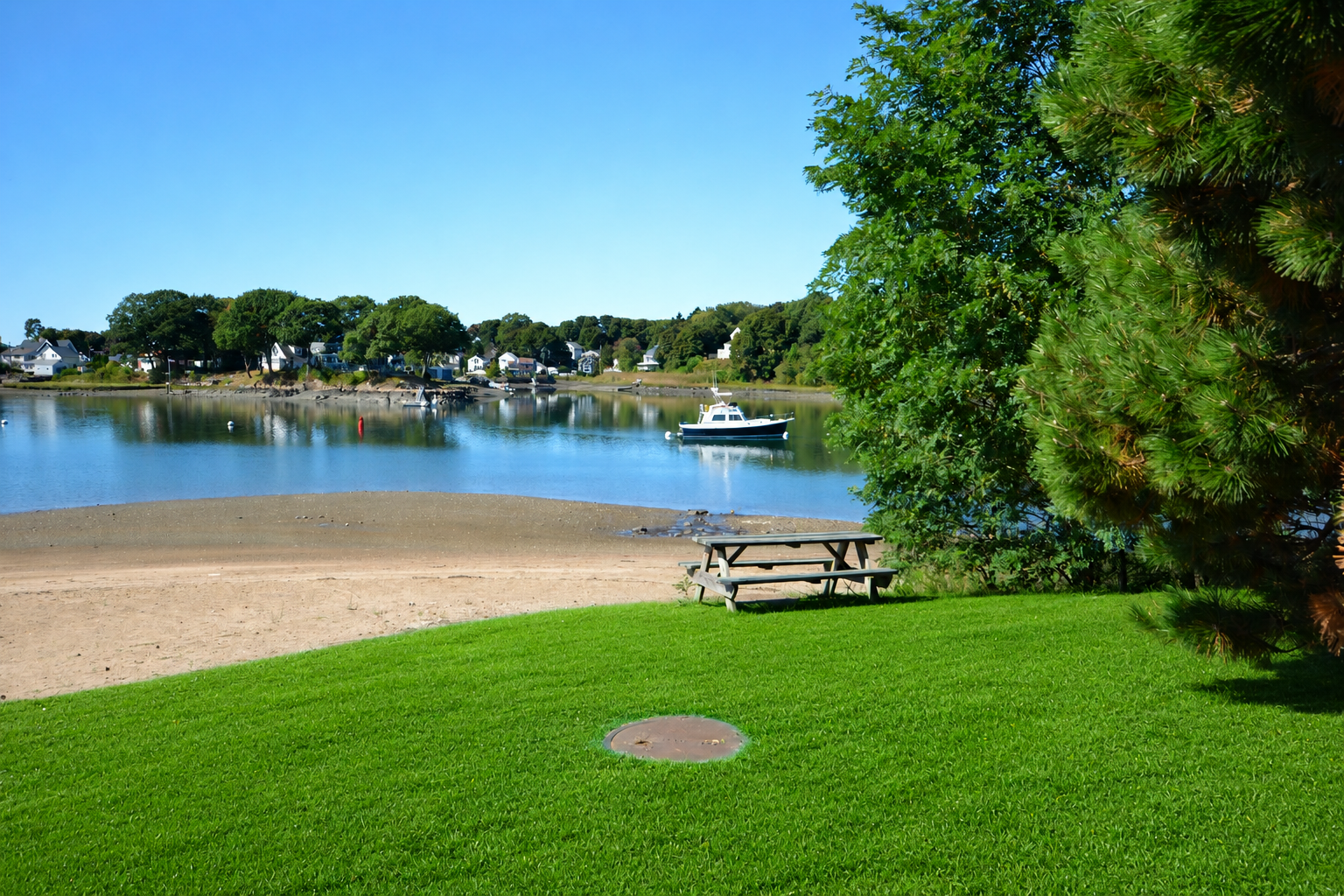
Living in Beverly, MA: The Complete Local Guide
Everything you need to know about Beverly's neighborhoods, beaches, downtown, commuting, schools, housing, and daily life on Boston's North Shore.
What's Your Beverly Home Worth?
Find out what your property could sell for in today's market.
Beverly at a Glance
Beverly is a coastal city of approximately 42,000 residents located about 20 miles north of Boston on Massachusetts' North Shore. It sits in Essex County, bordered by Salem to the south, Danvers to the west, Wenham and Manchester-by-the-Sea to the north, and the Atlantic Ocean to the east.
Known as the "Garden City," Beverly is one of the few North Shore communities that genuinely offers a bit of everything: a walkable downtown with restaurants and theaters, miles of coastline with public and private beaches, suburban neighborhoods with mid-century homes, and exclusive coastal estates in villages like Beverly Farms and Prides Crossing.
What sets Beverly apart from many neighboring towns is its transportation infrastructure. The city has five MBTA Commuter Rail stations, more than any other North Shore community, plus direct access to Route 128 (I-95). That combination of coastal lifestyle and commuter convenience makes Beverly one of the most sought-after communities on the North Shore.
5 Commuter Rail Stops
Direct service to Boston North Station
Miles of Coastline
Public and private beaches
Arts District
The Cabot, NSMT, Montserrat
Route 128 Access
Direct highway to Greater Boston
What It Is Really Like to Live in Beverly
Beverly is not a sleepy beach town. It is a small city with an active downtown, a working harbor, two colleges, and enough restaurants and cultural venues to keep residents busy year-round. The energy is different from neighboring communities like Manchester-by-the-Sea or Rockport, which are quieter and more seasonal.
The downtown area along Cabot Street and Rantoul Street is where most of the activity happens. You can walk from a coffee shop to a restaurant to a concert at The Cabot without moving your car. The Rantoul Street corridor has seen significant development over the past decade, with new condominiums and transit-oriented housing attracting younger residents and professionals.
Away from downtown, Beverly shifts character quickly. Head north and you reach the residential neighborhoods of North Beverly and Centerville, where the housing stock is more suburban and the lots are larger. Head east along the coast and you enter Beverly Farms and Prides Crossing, where historic estates, stone walls, and private beach associations create a distinctly different atmosphere.
The practical considerations are real. Traffic on Route 1A and Cabot Street can be slow during commuter hours and summer weekends. Some of the most desirable beaches have resident restrictions or parking limitations that visitors and even new residents need to understand before assuming every stretch of sand is freely accessible. Property taxes and home prices reflect Beverly's desirability, and inventory can be tight in the most walkable neighborhoods near downtown.
But the trade-offs are favorable for most people. Five train stations mean you are never far from a commute to Boston. The school system is solid. The arts and dining scenes punch above their weight for a city this size. And the coastline, from Lynch Park to the harbor, gives residents daily access to the ocean in a way that most Greater Boston communities cannot match.
Beverly Neighborhoods & Villages
Beverly contains several distinct areas, each with its own character, housing stock, and lifestyle. Understanding these differences is essential whether you are buying, selling, or simply deciding where to rent.
Downtown Beverly
The commercial and cultural heart of the city, centered on Cabot Street and Rantoul Street. Housing here includes historic colonials, converted lofts, and new condominium construction. Walkability is the highest in the city, with restaurants, coffee shops, theaters, and the Beverly Depot commuter rail station all within a few blocks. This area attracts professionals, empty nesters, and anyone who wants to live without relying on a car for daily errands.
Beverly Farms
An exclusive coastal village in the northeastern part of the city, known for large historic estates, stone walls, and a quiet, private atmosphere. Beverly Farms has its own commuter rail station and a small commercial area. The housing stock is dominated by high-end single-family homes, many with water views or direct coastal access. Read more about this coastal enclave.
Prides Crossing
Adjacent to Beverly Farms, Prides Crossing is one of the most prestigious addresses on the North Shore. The area is characterized by Gilded Age estates, private beach associations, and a village-like atmosphere. Like Beverly Farms, it has its own MBTA station. Housing is almost exclusively high-end single-family homes on large lots.
Ryal Side
A waterfront neighborhood bordered by the Bass River, Ryal Side offers a mix of historic capes, mid-century homes, and some newer construction. It has a strong community identity and waterfront access that many buyers overlook. Housing is more affordable than the coastal estates of Beverly Farms while still offering proximity to the water. Learn why Ryal Side is one of Beverly's most overlooked waterfront neighborhoods.
North Beverly
A suburban area in the northern part of the city with easy access to Route 128 and the North Beverly commuter rail station. Housing is predominantly mid-century ranches, colonials, and split-levels on quarter-acre lots. North Beverly Plaza and surrounding commercial areas provide grocery stores, pharmacies, and everyday conveniences. This area is popular with families looking for suburban space at a relatively manageable price point.
Centerville
An established residential neighborhood bordering Danvers, Centerville features a mix of post-war homes and newer construction. It is quieter than downtown but still convenient to shopping, schools, and Route 128. The housing stock tends to be more affordable than coastal areas, making it attractive to first-time buyers and families.
Montserrat
A residential area between downtown and Beverly Farms, Montserrat has its own commuter rail station and a mix of housing types. It includes the campus of Montserrat College of Art and is close to both downtown amenities and the coastline. The neighborhood has a quieter, more residential feel than downtown while remaining well-connected.
Beverly Cove
A coastal neighborhood east of downtown featuring winding roads, elegant Colonials and Shingle-style homes, and proximity to the water. Beverly Cove offers some of the best ocean views in the city without the price premium of Beverly Farms. Residents are close to downtown while enjoying a quieter, more residential setting.
Downtown Beverly
Downtown Beverly runs along two parallel commercial arteries: Cabot Street and Rantoul Street. Each has a distinct personality, and together they form one of the most active downtown districts on the North Shore.
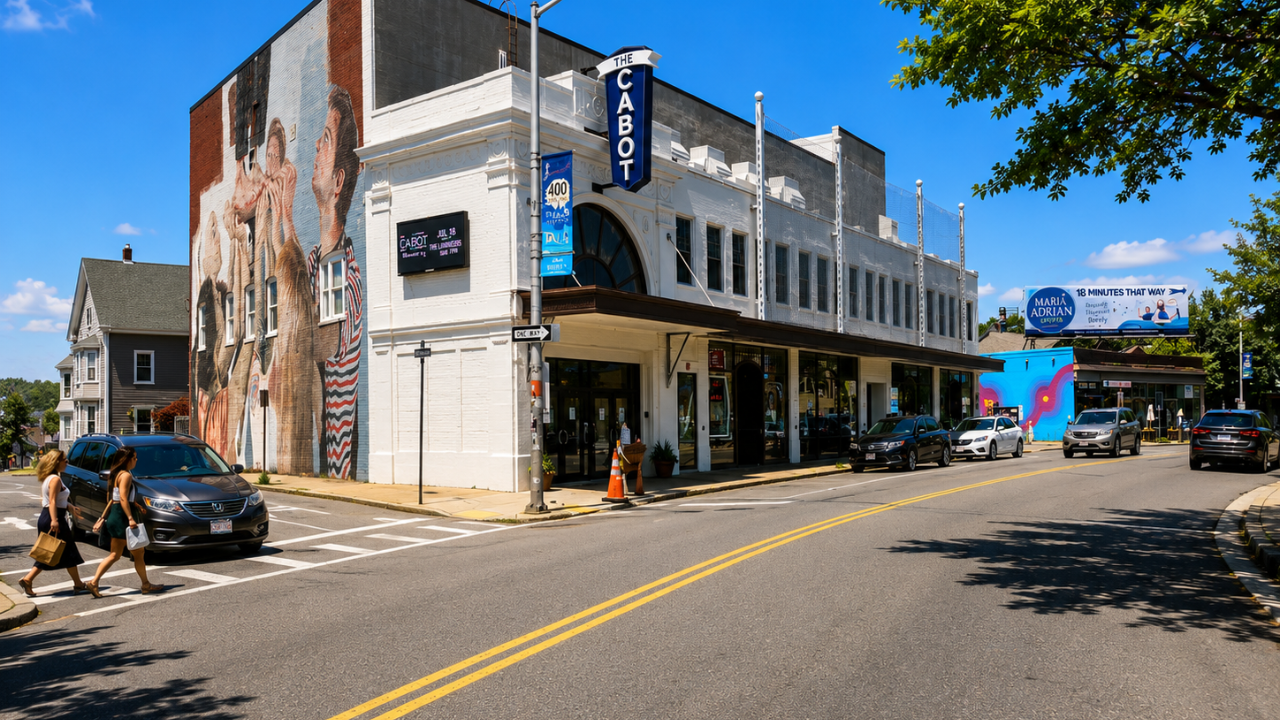
Cabot Street is the traditional main street, lined with historic brick buildings, independent boutiques, and long-standing local businesses. It is home to The Cabot, a restored 1920s movie palace that now hosts national music acts, comedy tours, and independent films. The wide sidewalks and historic architecture give Cabot Street a classic New England feel.
Rantoul Street, a few blocks east, has undergone a dramatic transformation over the past decade. Once a purely industrial corridor, it is now a transit-oriented district with contemporary condominiums, artist lofts, and some of the city's most innovative dining. The Beverly Depot commuter rail station sits at the heart of this corridor, making it one of the most walkable and transit-accessible areas on the North Shore.
What makes downtown different from Beverly's more residential and coastal areas is the density of activity. You can grab coffee at Atomic Cafe, browse books at Copper Dog Books, eat dinner at Rossetti or A&B Burgers, and walk to a show at The Cabot, all within a few blocks. For buyers seeking low-maintenance living with urban amenities, the downtown condos and lofts along Rantoul Street offer a lifestyle that is hard to find elsewhere on the North Shore.
Beaches & the Waterfront
Beverly's coastline is one of its defining features, but it is important to understand that not all beaches are equally accessible. Some are public, some require resident parking, and others are private beach associations. Always check current regulations with the City of Beverly before planning a visit.
Lynch Park
A 16-acre oceanfront park and one of Beverly's most beloved public spaces. Lynch Park features two beach areas, a formal Italianate rose garden, expansive lawns, and event space that hosts summer concerts and weddings. The park is publicly accessible and offers some of the best harbor views in the city. Check the official Lynch Park page for current hours and parking rules.
Dane Street Beach
Beverly's most accessible public sandy beach, located within walking distance of downtown. It features a wide grassy park, playground, and direct ocean access. Dane Street Beach is popular with families and is one of the easiest beaches to visit without a car. Verify current access and parking on the city website.
Independence Park
A quieter waterfront spot with walking paths, benches, and sweeping views of Beverly Harbor. Independence Park is publicly accessible and popular for dog walking and sunset watching. It does not have a sandy beach but offers excellent coastal access. View official park information.
Important: Beach Access Varies
West Beach and several other coastal areas in Beverly Farms and Prides Crossing are private beach associations with resident-only access. These are not public beaches. Parking restrictions, seasonal rules, and resident sticker requirements apply at various locations throughout the city. Always verify current access rules with the City of Beverly official website before visiting any beach.
Beverly Harbor
Beverly Harbor is a working waterfront with public piers, marinas, and commercial fishing activity. The Glover Wharf Municipal Marina provides public boat slips and launch access. The harbor is also home to waterfront restaurants and offers a front-row seat to the maritime heritage that still defines much of the local economy.
Things to Do in Beverly
Beverly offers enough activities to keep residents and visitors engaged year-round. The mix of waterfront recreation, arts venues, historic sites, and community events means there is always something happening.
Waterfront & Beaches
Swim at Lynch Park or Dane Street Beach, kayak the Bass River, walk the harbor piers, or watch the sunset from Independence Park.
Live Performance
Catch a concert or film at The Cabot, see a musical at North Shore Music Theatre, or enjoy intimate performances at Off Cabot.
Arts & Galleries
Visit Montserrat College of Art galleries, explore the downtown Arts District murals, or attend Arts Fest Beverly in June.
Outdoor Recreation
Hike Beverly Commons Conservation Area, walk the gardens at Long Hill, or explore the trails at Sally Milligan Park.
Historic Sites
Tour the Cabot House and Balch House through Historic Beverly, or explore the colonial-era architecture throughout downtown.
Community Events
Shop the Beverly Farmers' Market in summer, attend downtown block parties, or celebrate Beverly New Year in January.
Arts, Music & Culture
Beverly has a genuine arts identity that goes beyond what you would expect from a city of its size. The presence of Montserrat College of Art infuses downtown with creative energy, and the city's cultural institutions draw visitors from across New England.
The Cabot
A beautifully restored 1920s movie palace that serves as the architectural and cultural soul of downtown. The Cabot hosts national music acts, comedy tours, classic film screenings, and community events. It is the single most important cultural venue in Beverly.
North Shore Music Theatre
A theater-in-the-round located in a residential setting, NSMT is a regional destination for Broadway-quality musicals and seasonal performances. It draws audiences from across Greater Boston and the North Shore.
Montserrat College of Art
A residential college of visual art and design located in downtown Beverly. Montserrat's presence means a constant stream of creative energy, student galleries, public installations, and community programming throughout the year.
Historic Beverly
Manages the Cabot House, Balch House, and Hale Farm, preserving and interpreting Beverly's colonial and maritime history through exhibits, tours, and educational programs.
Beverly Restaurants & Coffee
Beverly has one of the most diverse dining scenes on the North Shore. Restaurants change frequently, so always verify that an establishment is currently operating before visiting. Links to official websites are provided where available.
Restaurants
- Frank
Upscale farm-to-table dining by chef Frank McClelland.
- Beverly Depot
Classic steakhouse in a historic 1890s train station.
- Toscana Bar Italiano
Elegant Italian cuisine and craft cocktails downtown.
- A&B Burgers
Creative burgers, small plates, and a casual atmosphere.
- The Anchor Pub & Grille
Seafood and casual dining with harbor views.
Coffee & Bakeries
- Atomic Cafe
Beloved downtown staple for locally roasted coffee.
- Tartine
European-style cafe with pastries, crepes, and espresso.
- Cassis Bakery
French-inspired pastries, cakes, and morning treats.
- Half Baked Cafe
Cozy spot for breakfast, brunch, and quick stops.
Parks, Trails & Outdoor Life
Beverly's "Garden City" nickname reflects the abundance of parks, conservation lands, and outdoor spaces available to residents. From oceanfront parks to wooded trails, outdoor recreation is central to the local lifestyle.
Lynch Park
16-acre oceanfront park with two beaches, rose gardens, and event space.
Obear Park
Playground, tennis courts, and waterfront access on the Danvers River.
Long Hill (Trustees)
Spectacular gardens, woodland trails, and historic architecture.
Beverly Commons
126 acres of woods, rocky outcrops, and hiking and mountain biking trails.
Sally Milligan Park
Peaceful nature area with walking trails through woods and wetlands.
Bass River
Sheltered waterway for kayaking and paddleboarding with public launch points.
Getting Around Beverly
Beverly's geography is practical and well-connected, but it is not universally walkable. The downtown area along Cabot and Rantoul Streets is highly walkable, with restaurants, shops, the library, and the commuter rail all within a few blocks. Outside downtown, most neighborhoods are car-dependent.
Route 128 (I-95) cuts through the northern part of the city, providing direct highway access to Greater Boston, Route 1, and the employment corridors along the 128 belt. Route 1A (Cabot Street) is the main north-south artery through downtown and can be slow during commuter hours.
The Cape Ann Transportation Authority (CATA) operates local bus routes connecting Beverly to neighboring Cape Ann communities. For most residents, though, the commuter rail and personal vehicles are the primary modes of transportation.
Commuting from Beverly to Boston
Beverly has some of the best commuter access on the North Shore. The city is served by five MBTA Commuter Rail stations on the Newburyport/Rockport Line, providing direct service to Boston's North Station. This density of transit options is a major reason why Beverly remains in such high demand among professionals who work in Boston.
Station location can materially affect where someone chooses to live in Beverly. If you want to walk to the train, downtown near Beverly Depot or the Rantoul corridor is ideal. If you prefer suburban living with a short drive to a park-and-ride, North Beverly or Montserrat may be a better fit.
Do not rely on hardcoded schedules, as MBTA service changes periodically. Always check the official MBTA Newburyport Line timetable for current schedules and service alerts.
Beverly Depot
Downtown, walkable from Cabot and Rantoul Streets. Primary station for downtown residents.
North Beverly
Northern part of city, near Route 128. Convenient for suburban commuters with parking.
Montserrat
Between downtown and Beverly Farms. Serves the Montserrat neighborhood and nearby residences.
Beverly Farms
Coastal village in the northeast. Serves residents of Beverly Farms and surrounding estates.
Prides Crossing
Exclusive coastal enclave. Limited service but convenient for Prides Crossing residents.
Beverly's History
Beverly was settled in 1626 and incorporated as a town in 1668, making it one of the oldest communities in Massachusetts. Its early economy was built on maritime trade, fishing, and shipbuilding, and the city's coastline was lined with wharves and shipyards.
In the late 19th and early 20th centuries, Beverly became a center of industry. The United Shoe Machinery Corporation, once one of the largest employers on the North Shore, built a massive factory complex that employed thousands and shaped the city's growth. The legacy of that industrial era is still visible in the brick architecture and worker housing near the downtown area.
Beverly's coastal areas, particularly Beverly Farms and Prides Crossing, became fashionable summer destinations during the Gilded Age. Wealthy Boston families built sprawling estates along the shoreline, many of which still stand today and contribute to the architectural character of those neighborhoods.
The city's history is preserved and interpreted by Historic Beverly, which manages several historic properties including the Cabot House (built 1781) and the Balch House (one of the oldest wood-frame houses in North America). Understanding this history helps explain why Beverly's housing stock, neighborhoods, and coastline look the way they do today.
Homes & Architecture in Beverly
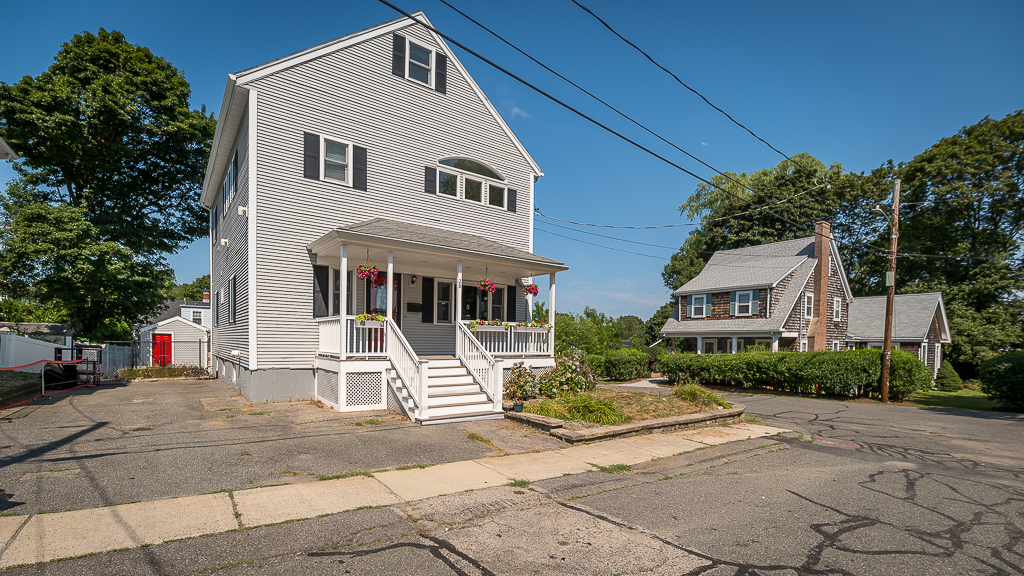
Beverly is not one homogeneous housing market. The city developed over several centuries, and the architectural styles range from 18th-century timber frames to ultra-modern waterfront construction. Different neighborhoods have very different housing stock and property considerations.
Historic Colonials & Capes
Found throughout downtown, Ryal Side, and Beverly Cove. These homes offer character and charm but may require updates to electrical, plumbing, and insulation systems.
Mid-Century Suburban Homes
Common in North Beverly and Centerville. Ranches, split-levels, and colonials on quarter-acre lots, typically built in the 1950s through 1970s.
Downtown Condos & Lofts
Along Rantoul Street, including converted industrial spaces and new construction. Popular with professionals and empty nesters seeking low-maintenance, walkable living.
Coastal Estates
In Beverly Farms and Prides Crossing. Large historic properties, many with water views, private beach access, and significant lot sizes. These represent the highest price points in the city.
multifamily Properties
Two- and three-family homes are found in several neighborhoods, particularly near downtown. These can be attractive for house hacking or rental income.
Newer Construction
Limited but present, including infill development and custom builds, particularly in the more suburban and coastal areas of the city.
Beverly Real Estate Market Summary
Current market conditions based on the latest MLS data for Beverly, Massachusetts. Data updated August 2026.
single-family Homes
38
Homes For Sale
$964K
Median List Price
88
Avg Days on Market
$750K
Median Sold Price
60 homes sold in the recent reporting period — steady transaction volume indicating consistent buyer demand across Beverly's single-family neighborhoods.
Condominiums
22
Condos For Sale
$600K
Median List Price
37
Avg Days on Market
$450K
Median Sold Price
40 condos sold in the recent reporting period — strong transaction volume driven by downtown and transit-adjacent units near Beverly Depot, where demand from professionals and empty nesters is highest.
Condos are moving faster than single-family homes (37 days vs. 88 days) — downtown and transit-adjacent condos near Beverly Depot are seeing the strongest demand from professionals and empty nesters.
Kathleen's Take on the Beverly Market
For Buyers: What I'm seeing in Beverly is that you really can't look at the city as one market. Downtown condos around $450K–$600K give you walkable living right at the commuter rail, while single-family homes average just under $1M — with entry-level options in North Beverly and Centerville starting in the high-$600K range. The 88-day average for single-family homes means there's less pressure to make an instant decision than there was in the peak 2020–2022 years, so you can actually take a breath and think it through.
For Sellers: Well-priced properties are absolutely selling. With 60 recent closed transactions and median sold prices holding at $750K for single-family and $450K for condos, the market is active but not overinflated. Properties near transit stations or with coastal views continue to command premiums. Days-on-market varies significantly by neighborhood — downtown and the Rantoul corridor move fastest, and I pay close attention to that when I'm positioning a listing.
What I Watch: Beverly is not one uniform market, and I never treat it that way. A $950K listing in Prides Crossing competes against completely different buyers than a $650K ranch in North Beverly. That's why I don't believe there is one "Beverly market" — there are several, and knowing which one your home is actually competing in is what makes the difference between a quick sale and a stale listing.
Buying a Home in Beverly
Buying in Beverly is not like buying in a single-neighborhood town. The city's different areas have very different housing stock, price points, and lifestyle trade-offs. A condo near Beverly Depot offers a completely different experience from a mid-century ranch in North Beverly or a coastal estate in Beverly Farms.
Key considerations for Beverly buyers include neighborhood differences, proximity to commuter rail stations, the condition of older housing stock, coastal property considerations like flood zones and insurance, and the level of competition in specific price ranges. Downtown and transit-adjacent properties tend to attract the most competition, while suburban neighborhoods may offer more inventory and negotiating room.
If you are considering a coastal property, it is essential to understand flood zone requirements, beach access rights, and the difference between public and private beach associations before making an offer. Read our guide to flood zones for North Shore buyers for more detail.
Selling a Home in Beverly
Beverly homes cannot all be priced or marketed identically. A downtown condo near the commuter rail appeals to a different buyer than a suburban colonial in Centerville or a waterfront estate in Beverly Cove. Understanding those differences is what makes the difference between a listing that sells quickly and one that sits.
Factors that influence how a Beverly home should be positioned include the neighborhood, property condition, architectural style, lot size, coastal proximity, commuter access, property type, and current competition. A home near Beverly Depot should be marketed to transit-oriented buyers. A property in Beverly Farms should be positioned for luxury and privacy.
I help Beverly homeowners understand their options, including traditional sale, downsizing, selling and buying simultaneously, cash offer programs, and senior transition support. Different situations call for different approaches, and the first step is always understanding what your specific property and timeline call for.
Kathleen's Beverly Perspective
After decades helping North Shore buyers and sellers, here's what I know about living in Beverly.

"Beverly isn't one market — it's several. A buyer looking for a walkable condo near Beverly Depot is making a completely different decision from someone looking at an estate in Prides Crossing or a ranch in North Beverly. I attended Endicott College here, so my connection goes back well before real estate. Understanding those neighborhood differences is what I've been doing since 2003."
Kathleen Militello
Realtor, eXp Realty · Licensed Since 2003
AI Certified Agent™ · Negotiation Specialist
22+
Years on the North Shore
5
Commuter Rail Stations
$600K–$3M+
Price Range Across Neighborhoods
Local Insights About Beverly
Articles and guides I have written specifically about Beverly and its neighborhoods.

Beverly Questions People Actually Ask
Clear answers to the most common questions about living in Beverly, Massachusetts.
Official Beverly Resources
Authoritative first-party sources for Beverly information. These links go directly to official websites.
Explore Other North Shore Communities
Thinking About Beverly?
Whether you are buying, selling, or just exploring your options, I am happy to share local insight and a clear view of the Beverly market.