
Living in Essex, MA: The Complete Local Guide
A small North Shore community defined by the Essex River, salt marshes, wooden shipbuilding history, antique shops, and a lifestyle that feels nothing like its larger neighbors.
What's Your Essex Home Worth?
Based on real local sales and current market conditions.
Essex at a Glance
Essex is a small town on Massachusetts' North Shore, situated between Ipswich to the south, Gloucester to the northeast, Hamilton to the west, and Manchester-by-the-Sea to the east. It sits along the Essex River and is surrounded by the Great Marsh, the largest continuous salt marsh in New England. Route 133 runs through the center of town, connecting the commercial corridor of antique shops and restaurants to the residential areas and rural roads beyond.
What makes Essex different from its neighbors is its scale and character. It has no MBTA commuter rail station, no large downtown commercial district, and no public ocean beach. Instead, it is defined by the river, the marsh, a compact village of antique shops and seafood restaurants along Route 133, and a shipbuilding history that produced more wooden fishing schooners than anywhere else in the world. The population is small, the pace is quiet, and the landscape is dominated by tidal water and open conservation land.
What Is It Really Like to Live in Essex?
Living in Essex means accepting a trade-off. You get extraordinary natural beauty, a tight-knit community, and a pace of life that feels removed from the congestion of Beverly or Salem. In exchange, you accept that you will drive for almost everything. There is no commuter rail. There is no large supermarket in town. There is no walkable downtown with dozens of shops and services the way Newburyport or Salem has.
The commercial corridor along Route 133 is compact. It is a stretch of antique shops, seafood restaurants, a few small businesses, and the Essex Shipbuilding Museum. That is the extent of what most people would call downtown Essex. It is charming and authentic, but it is not a place you go to run weekly errands. For groceries, hardware, and everyday services, residents drive to Gloucester, Ipswich, or Beverly.
The residential areas are spread out and varied. Some homes sit near the river with marsh views. Others are tucked along quiet wooded roads that feel deeply rural. The housing stock ranges from antique homes dating back centuries to more modest mid-century Capes and a limited amount of newer construction. Because Essex has worked hard to preserve its rural and coastal character, development is constrained, and inventory is typically tight.
The seasonal rhythm is real. Summer brings boaters, kayakers, antique shoppers, and restaurant crowds. The river is busy, Route 133 sees more traffic, and the energy picks up. By late fall, the town quiets down significantly. For residents who value privacy, open space, and a connection to the natural environment, that quiet is the point. For someone who wants walkability, nightlife, or easy transit access, Essex is probably not the right fit.
The Essex River & Great Marsh
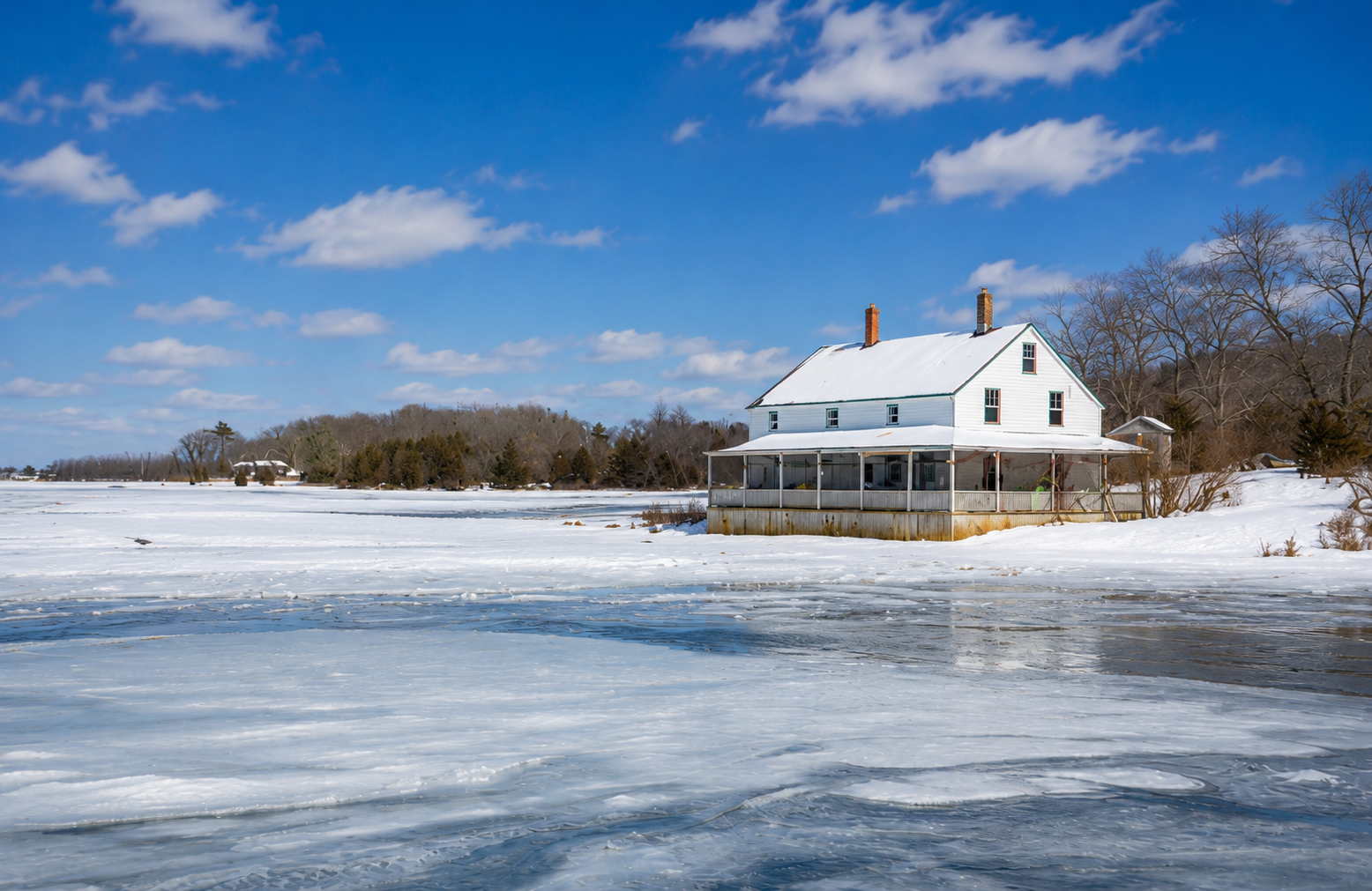
The Essex River is the defining natural feature of the town. It is a tidal river that flows through the Great Marsh, the largest continuous salt marsh in New England, before emptying into Essex Bay and eventually the Atlantic. The river is not a wide, deep channel. It is a winding, tidal waterway that changes dramatically between high and low tide. At low tide, broad mudflats are exposed. At high tide, the river fills and becomes navigable for small boats and kayaks.
For residents, the river is both a recreational resource and a shaping force on the community. Kayaking and paddleboarding are popular, and the river provides access to the back side of Crane Beach and the waters around Essex Bay. Boaters use the river to reach the ocean, but the tidal nature means timing matters. A dock that floats at high tide may sit in mud at low tide, which is an important consideration for anyone buying waterfront property.
The Great Marsh itself is an ecologically significant landscape. It stretches across multiple North Shore communities and provides habitat for shorebirds, fish, and wildlife. Organizations like the Essex County Greenbelt Association and the The Trustees of Reservations actively protect conservation land in and around Essex. For homeowners, living near the marsh or river can involve conservation restrictions, wetlands regulations, and flood zone considerations that inland properties do not face. These are property-specific matters that require professional due diligence before purchasing.
Downtown Essex & Route 133
Downtown Essex is not a traditional town square or brick-lined Main Street. It is a stretch of Route 133 that runs through the village center, lined with antique shops, seafood restaurants, and a handful of small businesses. The Essex Shipbuilding Museum sits along the river at the edge of this corridor. The scale is small and the feel is genuinely historic, not manufactured.
Route 133 is both the commercial heart of Essex and the main through-route connecting Ipswich to Gloucester. That means the road sees regular traffic, especially in summer when tourists and day-trippers visit the restaurants and antique shops. For residents, Route 133 is where you find Woodman's of Essex, J.T. Farnham's, the antique shops, and the museum. It is not where you find a grocery store, a pharmacy, or a hardware store. Those errands require a short drive to a neighboring town.
The residential areas begin just off Route 133 and extend into quieter, wooded roads. The transition from commercial corridor to residential neighborhood happens quickly. A few turns off Route 133 and you are on a quiet road with marsh views or surrounded by trees. That proximity to both the commercial strip and open space is one of the things that makes Essex distinctive.
Essex Restaurants & the Clam Tradition
Essex holds a unique place in New England food history. The fried clam was invented here. According to local history, Lawrence "Chubby" Woodman first fried clams at her Essex restaurant on July 3, 1916, and the dish became a regional institution. That connection to seafood is not just a marketing claim. It is part of the town's identity, tied to the river, the marsh, and the working waterfront that existed for generations.
Several restaurants along Route 133 continue that tradition today. Each has its own character, and each is worth understanding for what it represents about Essex.
The restaurant that claims to have invented the fried clam in 1916. A landmark on Route 133 that draws visitors from across the country. Casual, household-style, and deeply tied to Essex's identity.
A classic Essex seafood spot known for fried clams and views of the salt marsh. A smaller, more local feel than Woodman's, with a loyal following.
A more upscale dining option with a wood-fired oven and panoramic views of the Essex River. A different experience from the clam shacks, offering sit-down dining with a waterfront setting.
A long-standing local staple offering classic New England seafood and comfort food in a casual setting.
Restaurant operations can change. Before planning a visit, confirm current hours and availability through the restaurant's official website.
Antiques in Essex
Essex has been called "America's Antique Capital," and the concentration of antique shops along Route 133 backs up the claim. The antique trade in Essex is not a single store or a recent trend. It is a cluster of established businesses that have drawn collectors, interior designers, and casual browsers for decades. The shops are concentrated along the main road through the village center, making it possible to park and walk between several of them.
Shops like Howard's White Elephant and Andrew Spilsbury Antiques are well known regionally. The range of inventory varies from fine furniture and maritime artifacts to eclectic collectibles. What makes Essex a destination for antiques is not any single shop but the density of options within a short stretch of road.
For residents, the antique corridor is part of the town's character. It brings visitors, it supports local businesses, and it gives Essex a cultural identity that goes beyond real estate and scenery. The trade also connects to the town's history: Essex has always been a place where things were built, repaired, and repurposed.
Things to Do in Essex
Essex is not a town with a long list of attractions in the traditional tourism sense. What it offers is access to the river, the marsh, and a handful of genuinely distinctive local institutions. The activities here are rooted in the landscape and the town's maritime history.
Essex Shipbuilding Museum
The museum preserves the history of Essex's wooden shipbuilding industry, with exhibits, artifacts, and tours. It is the single best place to understand why Essex is the town it is. Visit the museum website.
Essex River Cruises
Guided boat tours through the river and marsh, offering views of the landscape you cannot get from the road. A different way to experience the Great Marsh. Check cruise schedules.
Antique Shopping
Browse the concentration of antique shops along Route 133. A genuine destination for collectors and designers.
Seafood Pilgrimage
Visit Woodman's, Farnham's, or Riversbend for the fried clam tradition that started here.
Cox Reservation
Headquarters of the Essex County Greenbelt, with trails through open fields and along the marsh edge. Learn more.
Stavros Reservation
A short hike up White's Hill for panoramic views of Crane Beach, the Essex River, and the marsh. Managed by The Trustees of Reservations.
Boating, Kayaking & Outdoor Life
The Essex River is one of the best kayaking destinations on the North Shore. The tidal river winds through the Great Marsh, offering miles of paddling through a landscape that feels remote despite being a short drive from Boston. Kayakers and paddleboarders launch from public access points and from Essex River Basin, which also offers slips and moorings for larger boats.
For boaters, the river provides access to Essex Bay and the Atlantic, but the tidal nature of the waterway is a critical factor. Depth changes dramatically between high and low tide. A boat that floats comfortably at high tide may be sitting in mud a few hours later. Anyone considering a waterfront property with a dock needs to understand the tidal range and how it affects usability for their specific vessel.
Beyond the river, conservation land provides hiking and birding opportunities. The Cox Reservation, headquarters of the Essex County Greenbelt, offers trails through fields and along the marsh. The Stavros Reservation, managed by The Trustees of Reservations, provides a short hike to a panoramic overlook. Centennial Grove, a town-owned park on Chebacco Lake, offers swimming and picnicking in the summer.
Public access points and private facilities are distinct. Essex Marina is a private facility offering paid services. The river itself is public water, but launch points and parking may have restrictions or fees. Always verify current access conditions before heading out.
Essex Shipbuilding History
Between the late 1700s and the early 1900s, Essex built more two-masted wooden fishing schooners than any other town in the world. Over 4,000 schooners were launched from Essex shipyards. These vessels formed the backbone of the New England fishing fleet, and the industry shaped the town's economy, its riverfront, and its identity.
The shipyards lined the banks of the Essex River, and the river itself was integral to the process. Timber was harvested locally and floated to the yards. The deep connection between the town, the river, and the marsh dates to this era. When the wooden schooner era ended, Essex did not reinvent itself as an industrial center or a commercial hub. Instead, it preserved its character, and the antique trade and seafood restaurants that emerged later became the modern expression of a town that had always been about making and building things.
The Essex Shipbuilding Museum preserves this history with exhibits, artifacts, and restored shipyard structures. It is located on the river at the edge of the village center and is one of the most important cultural institutions in town. For anyone considering living in Essex, visiting the museum is the fastest way to understand why the town feels the way it does.
Getting Around Essex
Essex is a car-dependent town. Route 133 is the main road through the village center, connecting Ipswich to the south with Gloucester to the northeast. From Route 133, residential roads branch off into quieter areas. There is no public transit system within Essex. Getting anywhere outside the walkable commercial corridor requires a car.
Access to Route 128, the major highway connecting the North Shore to Boston, is available via Gloucester to the east or via Route 1A through Ipswich and Beverly. The drive to Route 128 from Essex typically takes 15 to 20 minutes depending on the route and traffic. For daily errands, residents drive to Gloucester, Ipswich, or Beverly for groceries, hardware, healthcare, and other services.
The walkable stretch along Route 133 covers the antique shops, restaurants, and the museum. Beyond that, distances between residential areas and the commercial corridor are short by car but not practical on foot. Essex is not a town where you can live without a vehicle.
Commuting from Essex to Boston
Essex does not have its own MBTA commuter rail station. This is a defining fact for anyone considering living here and commuting to Boston. The nearest stations are in neighboring towns, and the choice of station affects your daily commute.
Ipswich Station
On the Newburyport line. Approximately a 10-minute drive from Essex. Provides direct service to North Station in Boston. Check MBTA schedules.
Manchester-by-the-Sea Station
On the Rockport line. Approximately a 10-minute drive from Essex. Also provides direct service to North Station. Check MBTA schedules.
West Gloucester Station
On the Rockport line. Approximately a 10-minute drive from Essex. Another option for commuters heading into Boston. Check MBTA schedules.
For commuters, the practical question is which station is closest to your specific part of Essex and whether parking is available. Station location can materially influence where someone chooses to live within the town. Some residents drive directly to Route 128 and into Boston by car, depending on their schedule and tolerance for traffic. Always check current MBTA schedules before planning a commute, as service patterns can change.
Beach Access from Essex
Essex is coastal, but it is not a beach town in the way that Ipswich, Gloucester, or Manchester-by-the-Sea are. The town's waterfront is defined by the river and the marsh, not by open ocean beachfront. There are no public ocean beaches within Essex town limits. This is an important distinction that people sometimes miss when looking at a map.
The river provides a different kind of water access. Kayakers and boaters can reach the back side of Crane Beach by water, and the river itself is a recreational destination. But if you want to spend a day on a sandy ocean beach, you will need to drive to a neighboring town.
Nearby beach options include Crane Beach in Ipswich, managed by The Trustees of Reservations, and Wingaersheek Beach and Good Harbor Beach in Gloucester. Each has its own parking rules, resident restrictions, and seasonal passes. Always verify current access policies and parking availability through official sources before visiting.
For buyers, this distinction matters. If having a public ocean beach within your town is important to you, Essex may not be the right fit. If river access, kayaking, and marsh views are what you want, Essex offers something that beach towns cannot.
Homes & Architecture in Essex
Essex is not one homogeneous real estate market. The housing stock varies significantly depending on where in town you are looking. The village center has antique homes and historic properties that date back to the town's shipbuilding era. These homes have character and history, but they also come with the considerations that accompany older construction: aging systems, potential lead paint, historic preservation expectations, and renovation constraints.
Along the river and at Conomo Point, properties can include waterfront homes, seasonal cottages, and homes with marsh or water views. These properties can involve flood zone considerations, conservation restrictions, and tidal access issues that are specific to waterfront and marsh-edge real estate. Not every property near the water has the same set of considerations, which is why each property requires its own review.
In the more rural sections of town, you find a mix of Capes, Colonials, and larger properties on wooded lots. Some areas have a distinctly rural feel with larger acreage, while others have smaller lots in established neighborhoods. Newer construction exists but is limited due to the town's commitment to preserving its rural character and the constraints of conservation land and wetlands regulations.
The key point for buyers is that Essex properties cannot all be evaluated the same way. A historic home near the village center, a marsh-front property at Conomo Point, and a wooded Colonial on a rural road each involve different inspection priorities, different financing considerations, and different long-term maintenance expectations.
What to Know About Buying in Essex
Buying a home in Essex involves considerations that are specific to this town and to the type of property you are considering. Not every Essex property has all of these issues, but buyers should be prepared to investigate them.
Septic Systems & Wells
Many Essex properties rely on private septic systems and, in some cases, private wells. Title 5 septic inspections are a standard part of the buying process. Learn more in our septic system guide.
River & Marsh Proximity
Properties near the river or marsh may involve flood zones, wetlands regulations, and conservation commission oversight. These are property-specific matters that require professional review.
Older Housing Stock
Essex has a significant number of antique and historic homes. These can require specialized inspections for electrical, plumbing, foundation, and lead paint. See our older home buyer's guide.
Private Roads & Access
Some Essex properties are accessed via private roads. Maintenance agreements, snow removal, and emergency access are worth investigating. Read our private roads guide.
Commuting Strategy
Since Essex has no train station, the location of a property within town affects which neighboring station is most practical. Factor this into your search if commuting to Boston is part of your plan.
What to Know About Selling in Essex
Selling a home in Essex requires understanding that the town does not function like Gloucester, Ipswich, or Hamilton in the eyes of buyers. Buyers looking at Essex are often looking for something specific: river access, marsh views, historic character, privacy, or proximity to the antique corridor and restaurants. Pricing and marketing need to reflect what makes a particular property distinct within the Essex market.
Factors that can influence how an Essex home is positioned include the age and condition of the home, whether it has river or marsh views, whether it has direct water access, the size and character of the lot, septic and well status, renovation history, and how the property compares to whatever else is currently on the market. A historic Cape near the village center and a waterfront property at Conomo Point appeal to different buyers and require different marketing approaches.
That is where I come in. I have been working in North Shore real estate since 2003, and I understand that Essex is not a commodity market. Every property has a story, and the right buyer for an Essex home is often someone who specifically values what this town offers. If you are thinking about selling, I can help you understand how your property fits into the current market and how to position it for the right buyer.
Essex Real Estate Market Summary
Comprehensive market data provided by the Massachusetts Association of REALTORS®. Here is how the Essex single-family and condominium housing market performed in July 2026.
Single-Family Homes
7
Homes For Sale
$930K
YTD Median Price
2.5 Mo
Months Supply
98.1%
List Price Received
17 homes sold YTD (+88.9%) — single-family sales volume in Essex has surged year-to-date with sellers receiving 98.1% of list price and 4 pending sales heading into next month.
Condominium Properties
3
Condos For Sale
$423K
YTD Median Price
3.0 Mo
Months Supply
2
YTD Closed Sales
2 condo sales YTD ($422,750 median) — Essex has a very compact condo inventory with 3 active units available for buyers seeking low-maintenance living near Route 133 or the river.
Kathleen's Essex Market Perspective
For Buyers: What I'm seeing in Essex is a market with very little to choose from — only 7 single-family homes and 3 condos on the market. If you're buying here, I think you have to be ready to move the moment something worthwhile comes up, because at 2.5 months of supply there simply isn't a large pool of options sitting around waiting for you.
For Sellers: This is where I think sellers in Essex have real leverage right now. Closed sales are up nearly 89% year-to-date and homes are selling faster than they were last year, with sellers still receiving 98.1% of list price. But I'd caution against assuming every home sells itself — Essex is a small, specific market, and buyers here are often looking for something particular: river access, marsh views, or historic character. Pricing still has to reflect what makes your property distinct.
What I Watch: I pay far more attention to what a specific Essex property offers than I do to the town's overall numbers, because the sample size here is small and a single sale can swing the median significantly. A historic home near the village center, a marsh-front property at Conomo Point, and a wooded Colonial on a rural road are each competing for a different kind of buyer. That's why I don't treat Essex as one market — I look at what your specific property is actually competing against.
* Does not account for seller concessions. Activity for one month can sometimes look extreme due to small sample size. Data provided by the Massachusetts Association of REALTORS®.
Essex vs. Nearby North Shore Towns
Understanding how Essex compares to its neighbors is one of the most useful things a buyer or seller can do. None of these towns is better than another. They are different, and the right choice depends on what you want your daily life to look like.
| Factor | Essex | Ipswich | Gloucester | Manchester-by-the-Sea | Hamilton |
|---|---|---|---|---|---|
| Commuter Rail | No station | Yes | Yes | Yes | Yes |
| Public Ocean Beach | No | Yes (Crane Beach) | Yes (multiple) | Yes (Singing Beach) | No |
| River & Marsh | Defining feature | Ipswich River | Harbor-focused | Limited | Minimal |
| Downtown Scale | Small village corridor | Moderate | Larger, working waterfront | Small, upscale | Very small |
| Car Dependence | High | Moderate | Moderate | Moderate | High |
| Route 128 Access | Via neighboring towns | Direct | Direct | Direct | Direct |
For a broader comparison across more North Shore towns, see our town-by-town comparison guide.
What I Know About Essex
After decades helping North Shore buyers and sellers, here's what I know about living in Essex.

"Essex is easy to misunderstand if you judge it only by a map or a home search. It is not Gloucester. It is not Ipswich. It is not Manchester-by-the-Sea. Its identity comes from the river, the marsh, the shipbuilding history, and the small-scale commercial corridor along Route 133. What I've learned working across the North Shore is that Essex attracts a specific kind of buyer — someone who wants privacy, values the natural landscape, doesn't need a train station in town, and appreciates that this town has resisted overdevelopment. That is not everyone. But for the right person, Essex offers something no other North Shore town can replicate."
Kathleen Militello
Realtor, eXp Realty · Licensed Since 2003
AI Certified Agent™ · Negotiation Specialist
22+
Years on the North Shore
4,000+
Schooners Built in Essex
No Train
Car-Dependent by Design
Questions People Actually Ask About Essex
Official Essex Resources
These are authoritative, first-party sources for information about Essex. Use them to verify current details about municipal services, transportation, conservation, and local institutions.
Local Insights About Essex
Articles and guides from Kathleen Militello that include Essex-specific information or are relevant to Essex buyers and sellers.
Buying a Home with a Septic System in Massachusetts
Title 5 inspections, costs, and maintenance for Essex, Rowley, and Ipswich buyers.
What Every Buyer Should Know About Private Roads
Maintenance agreements, snow removal, and financing for rural North Shore properties.
8 Questions Before Buying a Home Built Before 1950
Critical inspection questions for antique and historic North Shore homes.
The Forgotten Fishing Villages That Shaped the North Shore
Maritime history of Gloucester, Essex, Rockport, and Ipswich.
Best North Shore Neighborhoods for Ocean Access and Boating
Deep-water access, tidal considerations, and boating neighborhoods including the Essex River.
Which North Shore Town is Right For You?
Town-by-town comparison of commutes, beach access, home prices, and lifestyle.
Explore Other North Shore Communities
Thinking About Essex?
Whether you are considering a move to Essex, thinking about selling, or just have questions about the community, I am happy to help you think it through.