

Living in Magnolia: Gloucester's Quiet Coastal Village That Locals Treasure

The sun begins its ascent over the Atlantic, painting the horizon in strokes of apricot and violet. At Magnolia Beach, the air is salt-heavy and crisp, carrying the rhythmic pulse of waves against the granite ledges. It's an early Tuesday morning in July, and the village is just starting to yawn.
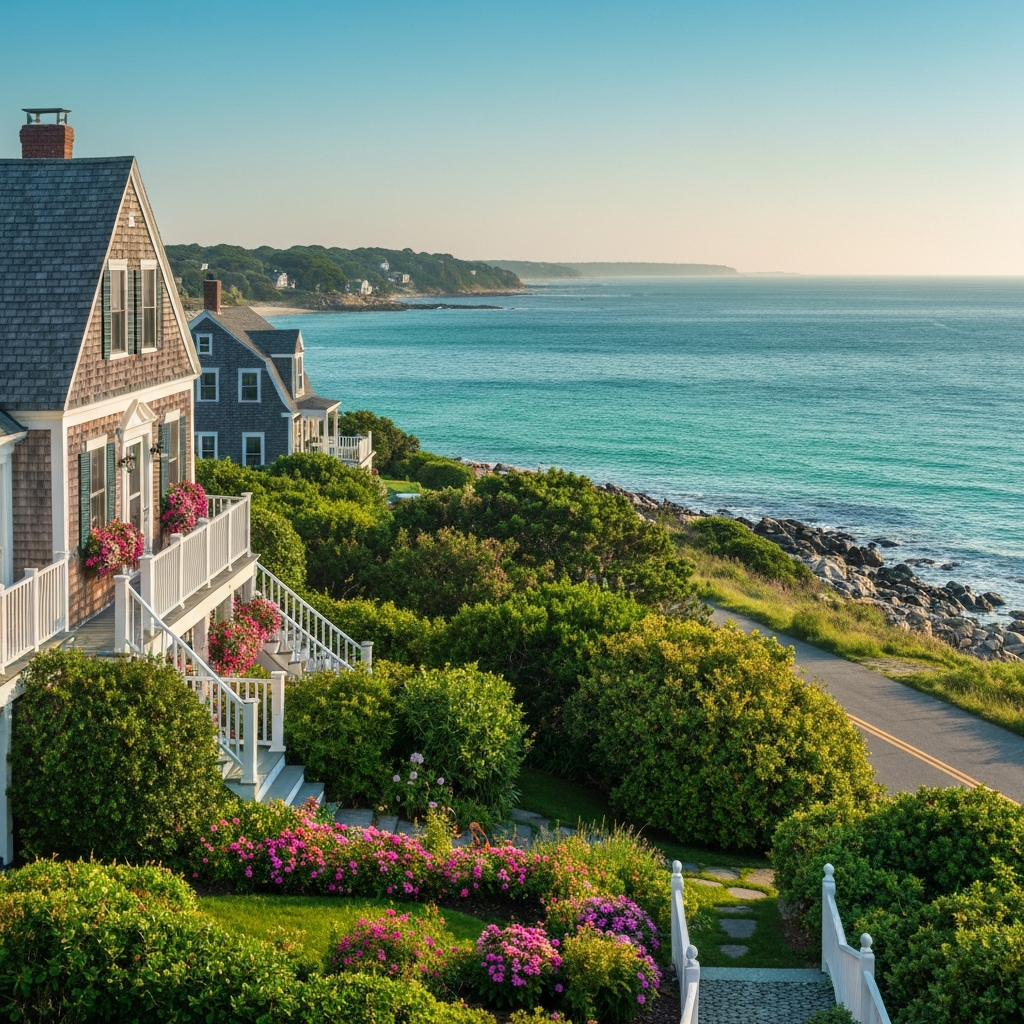
A few neighbors, coffee cups in hand, make their way down to the shoreline where the sand meets the cooling shade of the Coolidge Reservation trees. Children, barefoot and adventurous, are already inspecting the tide pools at Kettle Cove, their laughter muffled by the distance and the constant sigh of the sea.
There are no frantic crowds here, no bustling boardwalks. Instead, there is a profound sense of stillness, a quiet coastal rhythm that has defined this corner of Gloucester for generations. This is Magnolia: a place where history isn't just in the architecture, but in the very pace of daily life.
Where Magnolia Is Located
Magnolia is a distinct village tucked into the southwestern corner of Gloucester, Massachusetts. It sits directly on the Manchester-by-the-Sea town line, offering a unique blend of Gloucester's rugged maritime spirit and Manchester's polished coastal elegance.
If you are exploring the Gloucester community guide, you'll find that Magnolia often stands out for its self-contained village feel. Unlike the busier downtown areas of Cape Ann, Magnolia feels like a hidden sanctuary. It is roughly 30 miles north of Boston, making it accessible for those who work in the city but crave a lifestyle defined by the sea.
The History of Magnolia Village
Before it was the refined enclave we know today, Magnolia was known as Kettle Cove. It wasn't until 1806, when a botanist discovered the rare Sweetbay Magnolia plants growing in the local swamps, that the area received its evocative name.
Following the Civil War, Magnolia transformed into one of the premier summer resorts on the East Coast. During the "Gilded Age," it was often referred to as the "Gold Coast" of the North Shore. The grand Oceanside Hotel once dominated the landscape, attracting celebrities and socialites such as John Philip Sousa, Lucille Ball, and Henry Wadsworth Longfellow.
Historic Fact: Lexington Avenue in Magnolia was once home to summer branch stores of luxury retailers like Tiffany & Co. and Lord & Taylor, serving the elite summer colony that flocked here by rail and carriage.
Magnolia Beach and the Rocky Shoreline
While officially named Gray Beach, locals almost exclusively refer to it as Magnolia Beach. Part of the Coolidge Reservation, managed by The Trustees of Reservations, this beach is a masterpiece of New England geography.

It offers a rare combination of soft sand and dramatic rocky outcroppings, providing a protected cove perfect for swimming or launching a kayak. Just a short walk from the beach is Surf Park, a favorite spot for locals to watch the sunset over Kettle Cove.
Historic Homes and Architecture
The architecture of Magnolia is a visual timeline of the North Shore's evolution. Along Shore Road, you will find massive Victorian mansions with wrap-around porches designed to catch the ocean breeze. Moving further into the village, the streets are lined with charming Cape Cods, shingle-style homes, and beautifully restored Colonials.
Perhaps the most famous architectural landmark is Hammond Castle. Built in the late 1920s by inventor John Hays Hammond Jr., this medieval-style castle features a breathtaking 7-story pipe organ and looks as if it were plucked directly from the coast of France and dropped onto the Gloucester cliffs.
Photography Tip: For the best view of Hammond Castle, head to the shoreline at low tide. The contrast between the medieval stone towers and the rugged Atlantic blue is a photographer's dream.

Outdoor Recreation: Parks and Walking
If you love the outdoors, Magnolia is a playground. Ravenswood Park offers over 10 miles of carriage paths and trails through hemlock groves and past vernal pools.
For those who prefer the dramatic coast, a visit to Rafe's Chasm is a must. This massive fissure in the shoreline rocks allows the ocean to surge through with incredible power, creating a natural spectacle that is both humbling and beautiful.
Local Tip: Looking for a quiet morning walk? Park near the Magnolia Library and walk down to the pier. It's one of the best spots to see the local lobster boats heading out for the day.
FAQ
Final Thoughts
Magnolia remains one of the North Shore's most enduring treasures. It is a place that rewards the slow observer: the person who notices the way the light hits the granite at Rafe's Chasm or the smell of the Sweetbay Magnolia in the spring.
Whether you are looking for a permanent residence or simply a beautiful place to spend a Saturday afternoon, Magnolia offers a timeless coastal experience that stays with you long after you've left its quiet streets.