
The Truth About North Shore Condo Fees: What's Included, Hidden Costs, and Special Assessments

Downsizing from a single-family property in Topsfield or purchasing your first home in downtown Salem brings buyers directly to the condominium market on Boston's North Shore. Condos offer low-maintenance living with easy access to harbors, waterfront boardwalks, and MBTA train stations.
The moment buyers see a monthly condominium fee, which can range from $250 to over $1,200 a month, the same questions arise. What does this fee cover? Is this association financially sound? Could this monthly expense suddenly double next year?
Having guided buyers and sellers across Essex County since 2003, I evaluate condominium fees as a reflection of shared ownership. Understanding how HOA dues work, what they cover, and how to spot hidden financial risks in condominium documents saves buyers tens of thousands of dollars.
What Is Included in a North Shore Condo Fee?
Condo fees cover the shared operating costs and long-term capital reserves of the association. Across our coastal communities, dues vary based on building age, amenities, location, and management style.
- Master Insurance Policy: Covers the structural exterior of the building, common hallways, roofs, and shared grounds.
- Exterior Maintenance & Capital Repairs: Siding, roofing, trim painting, brick repointing, and exterior lighting.
- Groundskeeping & Landscaping: Lawn care, tree trimming, garden upkeep, and trash removal.
- Snow Removal: Plowing driveways, clearing walkways, and salting steps during New England winters.
- Water & Sewer Utilities: In many multi-unit or converted historic buildings, municipal water and sewer charges are billed to the association as a whole.
- Reserve Fund Contributions: A percentage of monthly dues set aside in a dedicated savings account for major future repairs.
- Professional Property Management: Fees paid to management firms handling billing, vendor contracts, and legal compliance.
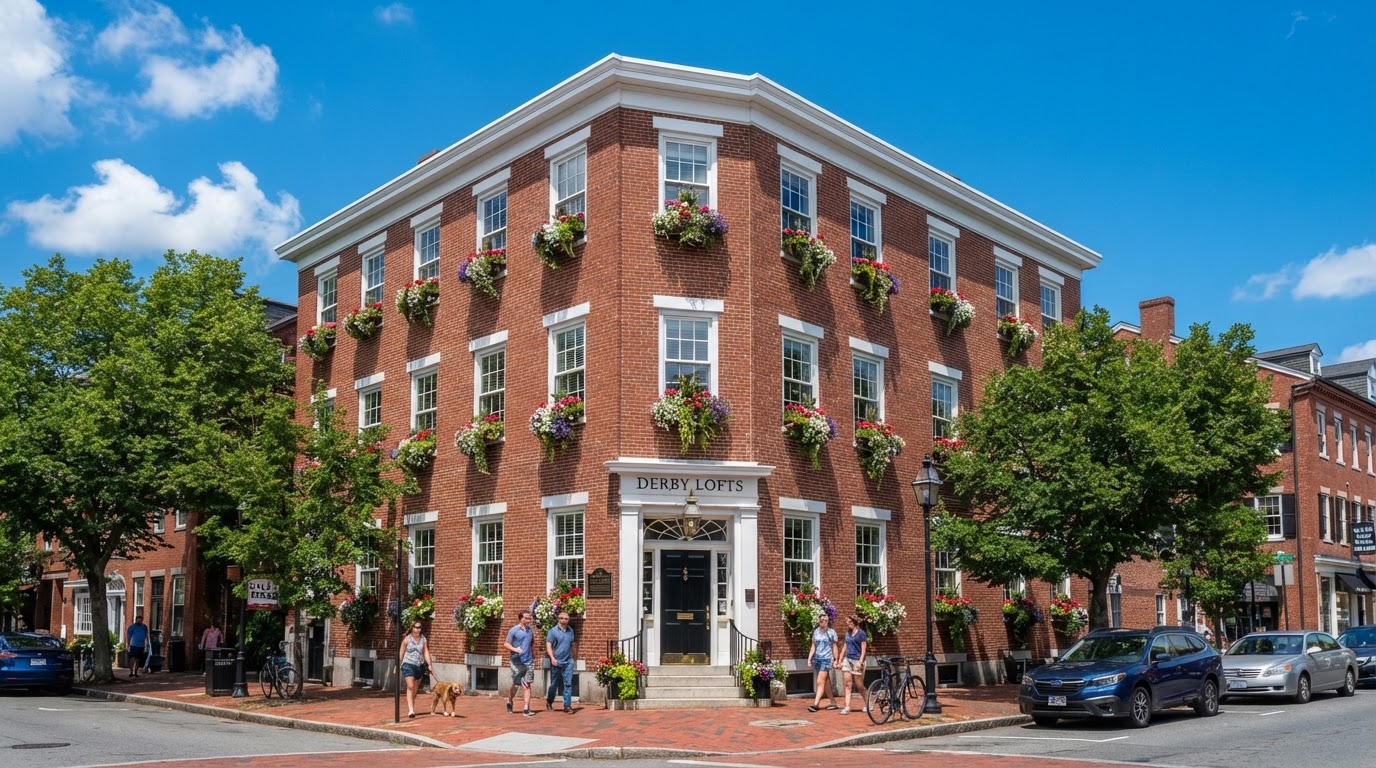
Historic brick architecture in downtown Salem often carries unique exterior maintenance and reserve requirements.
Why Condo Fees Vary Across North Shore Towns
A two-bedroom condominium in Beverly might carry a $350 monthly fee, while a similar unit in Newburyport or Salem requires $850. Three major factors account for this difference.
1. Building Age and Architectural Style
Historic architecture defines our region. An 18th-century Captain's home converted into four condominiums in Salem or a Victorian building in Beverly Farms requires specialized ongoing maintenance. Repointing historic brickwork, repairing slate roofs, and restoring wood siding cost more than maintaining modern construction built after 2000.
2. Coastal Salt Air Exposure
Oceanfront and coastal condominiums in Salisbury Beach, Gloucester, or Marblehead face harsh salt spray, coastal humidity, and winter nor'easters. Seawalls, balconies, coastal siding, and exterior paint require shorter maintenance cycles.
3. Luxury Amenities versus Low-Frills Associations
Association dues scale directly with amenities. Buildings with elevators, underground heated parking garages, swimming pools, fitness rooms, or gated entries carry higher operating overhead than a quiet 4-unit self-managed association.
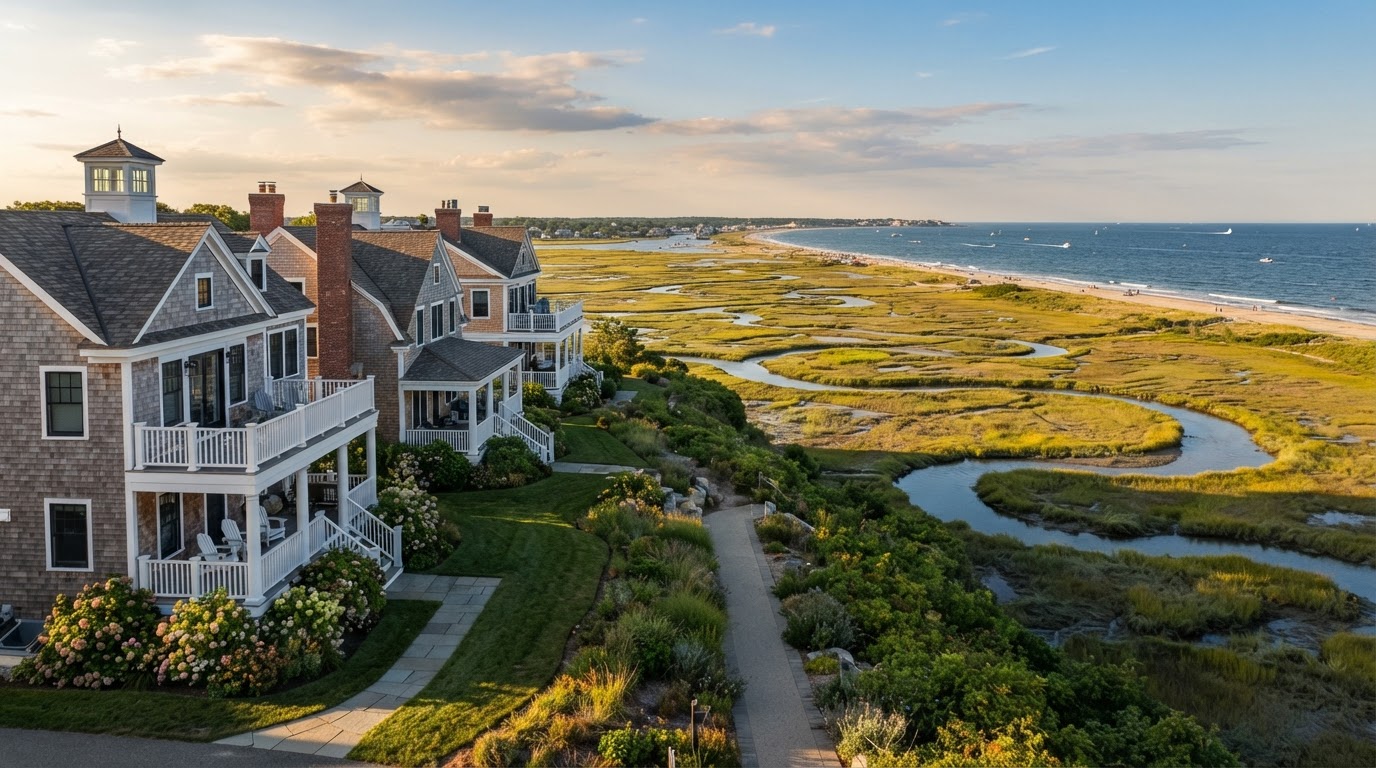
Coastal townhome communities in Salisbury and Ipswich balance oceanfront proximity with specialized exterior upkeep schedules.
The Hidden Trap: Why Low Dues Can Signal Financial Risk
Buyers often assume an unusually low condo fee, such as $175 per month, is a great financial deal. In self-managed or smaller associations, artificially low dues frequently mean the association is underfunding its capital reserve account.
Rather than saving funds monthly for a future $50,000 roof replacement, these associations keep dues low and rely on emergency special assessments when critical repairs occur.
A Realtor's Take
In my 20-plus years representing buyers and sellers across Boston's North Shore, I have reviewed hundreds of condominium master deeds, financial statements, and meeting minutes. The single biggest mistake buyers make is judging a condominium strictly by the granite countertops inside the unit rather than the financial health of the association behind the walls.
When I guide clients through a condo purchase, we scrutinize the 6(d) certificate, reserve fund balance, master policy deductible, and trustee meeting notes. An association with healthy reserves and clear capital planning protects your monthly budget and ensures your home retains strong resale value when you decide to sell. Explore our comprehensive North Shore Town-by-Town Relocation Guide to compare housing options across our coastal communities.
Frequently Asked Questions
Are condo fees tax-deductible in Massachusetts?
If the condo is your primary residence, regular monthly association fees are generally not tax-deductible. However, if you rent out the condo as an investment property or use a portion exclusively for an eligible home office, a percentage of the fee may qualify as an operating expense. Always consult a licensed CPA for tax guidance.
What happens if a neighbor fails to pay their condo fee?
In Massachusetts, the Condominium Act (M.G.L. c. 183A) provides associations with a super priority lien. If an owner defaults on monthly dues, the association can place a lien on the unit that takes priority over the first mortgage, allowing the board to collect unpaid dues and legal expenses.
How often do condo fees increase on the North Shore?
Association trustees review annual operating budgets every autumn. Due to rising master insurance premiums, snow removal contracts, and building maintenance costs, condo fees typically increase modestly by 3% to 7% annually to keep pace with inflation and fund capital reserves.
What is an HO-6 insurance policy and why is it required?
While the association master insurance policy covers the building exterior and common areas, buyers must carry an individual HO-6 Condominium Unit Owner policy. This covers personal property, interior walls, cabinetry, personal liability, and deductible assessments.
Final Thoughts
Purchasing a condominium on Boston's North Shore provides an enjoyable lifestyle, historic surrounding character, and freedom from routine exterior maintenance. The key to making a confident investment is conducting a careful review of association finances before closing.
When I represent buyers, we review condo budgets, meeting minutes, master insurance policies, and reserve balances so you can enjoy your new coastal home with complete peace of mind.

About the Author
Kathleen Militello is REALTOR® of Coastal Homes & Living and AI Certified Agent™ with eXp Realty. Providing sellers and buyers with clear, calm, and strategic expertise across Beverly, Essex, Gloucester, Ipswich, Lynn, Manchester-by-the-Sea, Newbury, Newburyport, Rockport, Salem, and Salisbury since 2003.
Planning a Condo Purchase or Sale on the North Shore?
Connect with Kathleen Militello for clear financial guidance, document reviews, and strategic real estate advice tailored to your goals.