
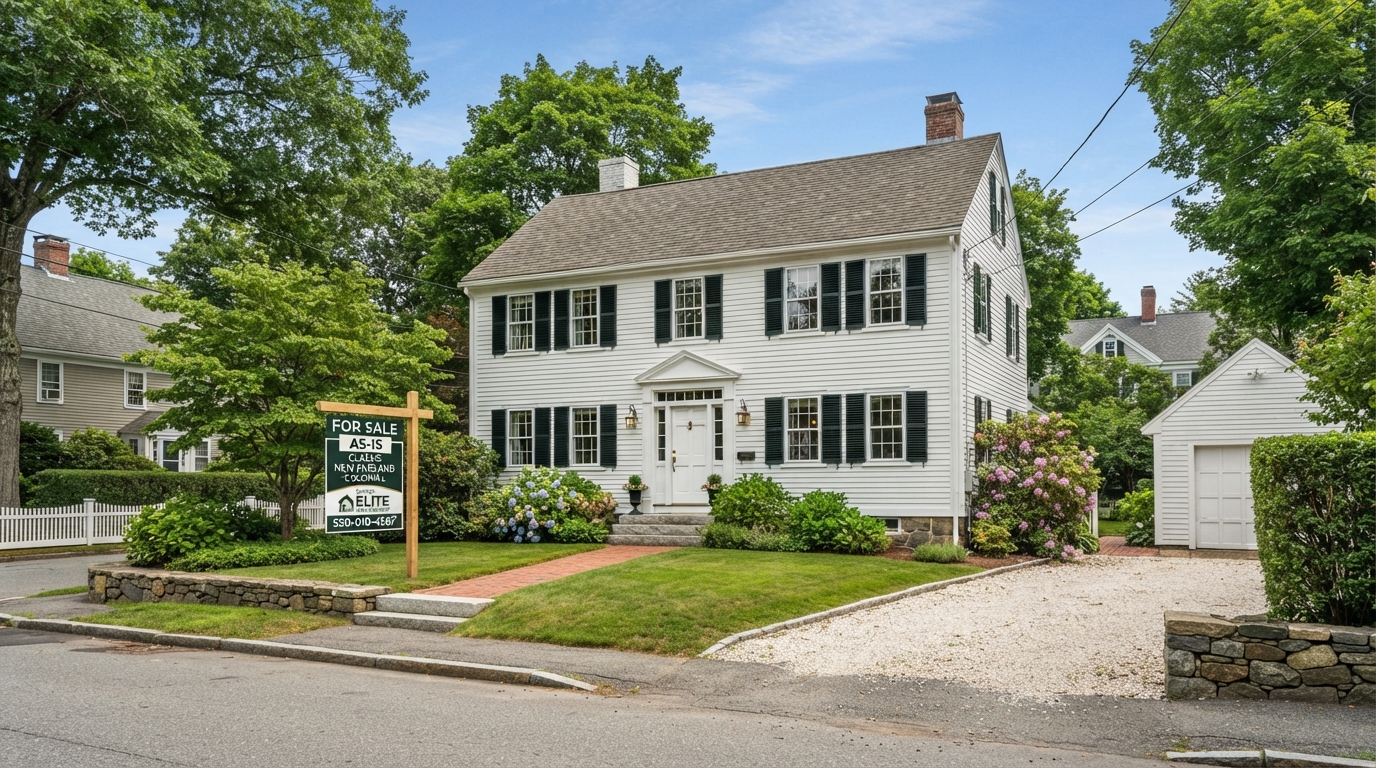
Selling a Home As-Is on the North Shore: What Sellers Need to Know
Selling as-is doesn't mean giving your home away. It means pricing honestly, disclosing fully, and finding the buyer who values your home's potential.
The Short Version
- •As-is means no repairs — not no disclosure. You must still reveal known defects and lead paint.
- •Price reflects condition. Subtract repair costs and a buyer's risk premium from the as-updated value.
- •Buyers still inspect. As-is sets repair expectations, but buyers can still walk or renegotiate on major findings.
- •Market to the right audience. Investors and handy owner-occupants see repairs as opportunity.
- •A pre-listing inspection builds trust and prevents surprise-driven price drops.
As-Is Is a Strategy, Not a Surrender
Many North Shore sellers assume "as-is" means accepting a lowball offer and walking away from equity. It doesn't. Selling as-is is a legitimate strategy that trades a lower sale price for speed, simplicity, and freedom from renovation costs and delays. For homes that need significant work, inherited properties, estates, or sellers facing time pressure, it's often the smartest path. The key is doing it deliberately — with honest pricing, full disclosure, and the right buyer.
What As-Is Actually Means in Massachusetts
Selling as-is means you won't make repairs based on the buyer's inspection. That's it. It does not mean you can hide problems. Massachusetts is a caveat emptor (buyer beware) state, but you must still disclose known material defects and, for homes built before 1978, lead paint. As-is relieves you of the obligation to fix — not the obligation to be truthful. See our property disclosure guide for what must be revealed.

Pricing an As-Is Home
The most common as-is mistake is overpricing. Buyers of as-is homes are savvy — they estimate repair costs and expect a discount for risk and effort. Your agent will estimate the cost of needed repairs (roof, septic, electrical, cosmetic) and subtract that, plus a buyer's risk premium, from the home's as-updated value. Price realistically from day one. An overpriced as-is home sits, grows stale, and ultimately sells for less than it would have with a fair initial price.
Who Buys As-Is Homes?
Two groups: investors and flippers who see repairs as their business, and handy owner-occupant buyers willing to earn sweat equity. Marketing to the right audience matters. The right buyer sees your home's needed work as opportunity, not a dealbreaker. Your agent should target these buyers through the right channels and messaging.
The Inspection Question
Buyers in an as-is sale still inspect — and they should. The inspection is for their information and to confirm they want to proceed. If major issues surface, a buyer may renegotiate or walk, but you've set the expectation up front that the price reflects the condition. A pre-listing inspection can be valuable: it lets you price accurately, disclose confidently, and reduce the chance of a surprise-driven price drop mid-transaction.
As-Is vs. Cash Sale
These are different things. As-is refers to condition and repairs; cash refers to financing. You can sell as-is to a financed or cash buyer. Cash buyers often prefer as-is homes because they skip the appraisal and lender-required repairs, which speeds the sale and reduces fall-through risk. If you want maximum speed and certainty, an as-is cash sale is the simplest path — see our cash-to-keys guide.
When As-Is Makes Sense
- The home needs significant repairs you can't or don't want to fund.
- You've inherited a property and want a fast, simple sale.
- You're an estate executor or fiduciary with a duty to liquidate.
- You're relocating or facing time pressure.
- The cost of renovations would exceed their return at sale.
The Bottom Line
Selling as-is is a strategic choice that can save you time, money, and stress — when it's priced and marketed correctly. Disclose honestly, price realistically, and target the buyers who value your home's potential. For help deciding whether as-is or a light prep gets you the best net result, schedule a consultation — I'll walk your home and give you a clear, numbers-based recommendation.