
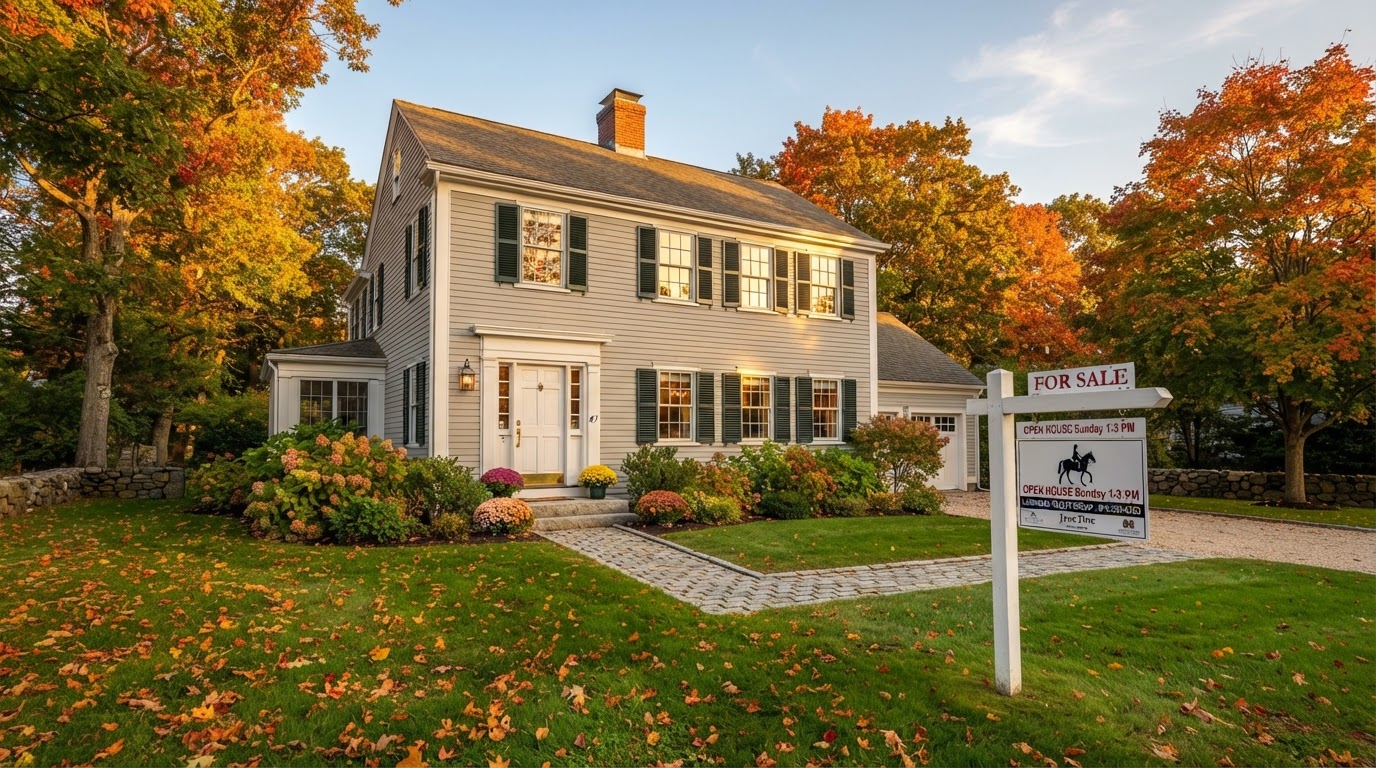
If you are a North Shore homeowner thinking about selling, you have probably heard the same advice from everyone: wait until spring. Spring is when the market wakes up, the buyers come out, and the for-sale signs appear on every block.
That advice is not wrong. Spring is the busiest real estate season on the North Shore. But busy does not always mean better for you. And after the August 2026 mortgage rate spike to 6.55 percent, the conventional wisdom deserves a closer look.
Here is the dilemma every seller faces right now: list in September when competition is low and buyers are serious, or wait until spring 2027 when everyone else has the same idea. The math may surprise you.
The Spring Crowd Problem
Spring is the season when the most homes hit the market. That means your listing competes against the highest inventory of the year. More competition means buyers have more choices, which can pressure prices and extend the time your home sits on the market.
On the North Shore, this effect is amplified in towns like Beverly, Salem, and Gloucester, where spring inventory can jump significantly. A buyer who has twelve similar homes to choose from negotiates differently than one who has three.
In September, that competition shrinks. Many sellers who listed in summer have already closed or withdrawn. Sellers who planned to wait until spring have not entered the market yet. The result is a window where motivated buyers have fewer options and your home stands out more.
The Buyers Who Stay Are More Serious
There is a difference between a high number of buyers and a high number of serious buyers. Spring brings crowds, but many of those crowds are browsers, open-house tourists, and people who are just starting to think about buying.
The buyers still searching in September and October are different. They have usually been looking since spring or summer. They have been pre-approved. They may have already lost out on a home they wanted. They are not browsing; they are ready to make an offer.
This matters because serious buyers tend to make cleaner offers. They are less likely to lowball, less likely to demand extensive contingencies, and more likely to work with you on timing. When you have fewer showings but each showing is from a buyer who is actually ready, the process feels less chaotic and more productive.
The Rate Spike Changed the Math
In August 2026, the 30-year fixed mortgage rate jumped to 6.55 percent, the highest level since August 2025. Pending home sales fell 5.4 percent. The Federal Reserve held rates steady but signaled that further adjustments were possible.
The immediate reaction from many sellers was to wait. If buyers were pulling back, the thinking went, why list now? But that reaction created an opportunity for sellers who were willing to move forward.
Here is why: when a large number of sellers decide to wait until spring, the fall inventory drops even further. The buyers who have already accepted the new rate environment are still searching, and they now have even fewer homes to choose from. That is the definition of a seller's advantage, even in a market with higher rates.
The September Advantage in Numbers
Fall inventory on the North Shore typically drops 20 to 30 percent compared to spring peak levels, meaning fewer competing listings.
Serious fall buyers have often been searching for months and are more motivated to close before the holiday season.
A September listing gives you 8 to 10 weeks of active market time before the holiday slowdown, enough to secure a strong offer.
If your home does not sell by November, you can withdraw and relaunch fresh in late January or February with zero stigma.
The Fall North Shore Looks Better Than You Think
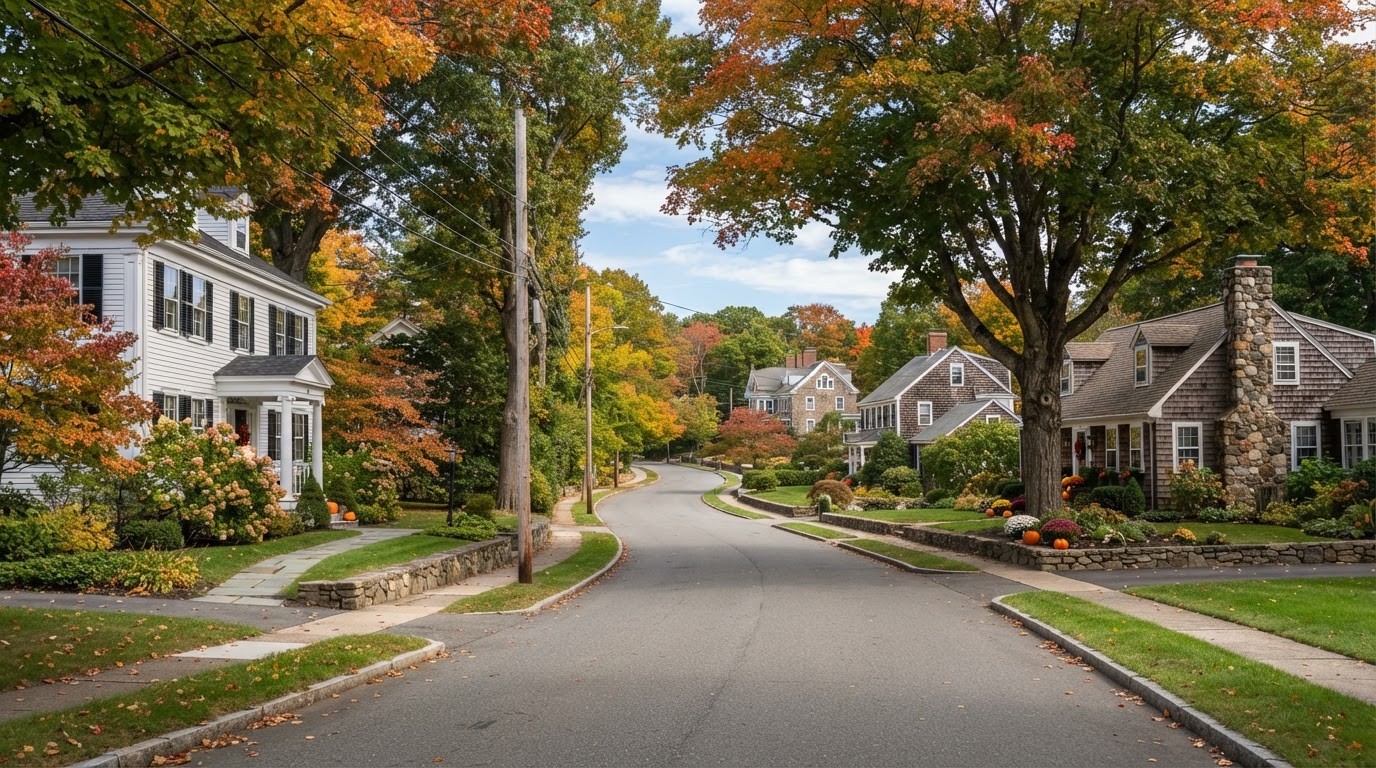
There is a visual advantage to fall selling that many homeowners overlook. The North Shore in September and October is genuinely beautiful. The light is softer, the trees are turning, and the coastal air feels different than it does in July.
A colonial in Beverly with a maple turning red in the front yard photographs differently than the same house in March. A waterfront property in Gloucester with golden-hour light hitting the harbor in October creates an emotional response that spring photos sometimes cannot match.
Buyers make decisions based on emotion as much as logic. When your listing photos capture the North Shore at its most beautiful, that works in your favor.

What About the Holiday Slowdown?
This is the most common objection to fall selling, and it is a fair one. The market does slow down from late November through early January. But that slowdown is not a cliff; it is a gradual tapering.
A home listed in early September has roughly eight to ten weeks of active market time before the holiday season begins. In the North Shore market, that is typically enough time to attract offers if the home is priced and presented correctly.
And if your home is still on the market in late November, you are not stuck. You have options:
- Withdraw and relaunch: Pull the listing in late November and relaunch fresh in late January or February. This resets your days-on-market counter and positions the home as a new listing.
- Stay through the holidays: Holiday-season buyers are a small group, but they are almost universally serious. Some sellers prefer to keep the listing active to capture these motivated buyers.
- Extend into January: January is historically the month with the lowest inventory of the year. A home that is still active in January faces almost no competition.
How Different North Shore Towns Respond to Fall
Not every North Shore community behaves the same way in the fall market. Understanding your town's seasonal pattern matters when timing your listing.
Beverly and Salem maintain strong commuter-driven demand through October because their MBTA access makes them practical for Boston commuters regardless of season. The buyer pool may shrink, but it does not disappear.
Gloucester and Rockport see a more pronounced seasonal shift because they draw vacation and second-home buyers who are more active in summer. However, year-round residents and primary-home buyers remain active, and fall inventory in these towns is typically very low.
Ipswich and Essex tend to attract buyers who value land, open space, and historic character. These buyers are less seasonal and often search for months, making fall a viable window for well-presented properties.
Newburyport benefits from its walkable downtown and commuter rail, which keep demand relatively steady compared to purely seasonal coastal communities.
Preparing a Fall Listing: What Is Different
Preparing a home for a September or October listing is not dramatically different from spring prep, but there are a few seasonal adjustments worth making.
- Photograph early: Schedule listing photos in September while the light is still strong and before trees lose their leaves. Fall foliage is a genuine selling point on the North Shore.
- Maintain curb appeal: Keep leaves raked, gardens tidied, and walkways clear. A home that looks cared for in October signals a well-maintained property.
- Emphasize warmth: Stage with warm tones, soft lighting, and subtle seasonal touches. Buyers respond emotionally to a home that feels cozy as the weather cools.
- Address maintenance before listing: Buyers in fall are more attentive to winter-readiness: heating systems, insulation, roof condition, and windows. Have these documented and ready.
The Honest Risk Assessment
I am not going to pretend fall selling is without risk. The total buyer pool is smaller. Some buyers who were active in summer will pause after the rate spike. And if your home has specific challenges, a smaller buyer pool means fewer people who might overlook those challenges.
But the same is true of spring, just with a different set of risks. In spring, you risk competing against a flood of new inventory. You risk your listing getting lost in the crowd. You risk buyers who are still just browsing making low offers.
The question is not whether fall is perfect. No season is. The question is whether the September advantage, less competition, more serious buyers, and a window before the holiday slowdown, outweighs the spring advantage of higher overall buyer volume.
For many North Shore homeowners in 2026, especially after the August rate spike pushed competitors to wait, the answer is yes.
Kathleen's Take
I have been selling North Shore real estate since 2003, and I have seen the fall market reward proactive sellers more times than I can count. The homeowners who list in September are not gambling; they are taking advantage of a window that most of their competitors are ignoring.
If your home is ready, your pricing strategy is sound, and you have a plan for what happens if the listing extends into November, September can be one of the smartest times to sell on the North Shore. The key is going in with a clear strategy, not just putting a sign in the yard and hoping for the best.
Frequently Asked Questions
Is September a good time to sell a house on the North Shore?
September is often a stronger selling window than most homeowners realize. Competition drops significantly after Labor Day, serious buyers remain active, and the fall landscape makes North Shore properties photograph beautifully. With less inventory competing for the same motivated buyers, September listings can attract stronger offers than spring listings that compete in a crowded market.
How long does it take to sell a home in the fall on the North Shore?
Fall sales can move quickly when a home is priced and presented correctly. While the total number of buyers is smaller than in spring, the buyers who remain in September and October are typically more motivated and ready to move. A well-priced North Shore home listed in September can go under contract within two to four weeks, similar to spring timelines.
Should I wait until spring 2027 to list my home?
Waiting until spring means competing against every other seller who had the same idea. Spring markets bring the highest inventory levels of the year, which can pressure prices and extend days on market. Listing in September gives you a window of low competition before the holiday slowdown, and if your home does not sell by November, you can reposition for the spring market without your listing appearing stale.
What happens if my home does not sell before the holidays?
If your home is still on the market in late November, you have several options. You can temporarily withdraw the listing and relaunch fresh in January or February, which resets days-on-market counters. You can maintain the listing through the holidays to capture the small but serious pool of holiday-season buyers. Or you can extend into January, which is when inventory is typically at its lowest and motivated buyers have fewer choices.
Do homes sell for less in the fall?
Not necessarily. While spring sees the highest volume of transactions, fall buyers tend to be more serious and less likely to make lowball offers. With less competing inventory, fall sellers often have more pricing power than they expect. The key is pricing correctly for the current market, not based on spring comparable sales that may no longer reflect current conditions.
How does the August 2026 mortgage rate spike affect fall sellers?
The rate spike to 6.55 percent did cool some buyer demand, but it also pushed hesitant sellers to wait until spring. That means fall 2026 inventory is even lower than usual, giving proactive sellers an advantage. Buyers who adjusted to the new rate environment are still actively searching, and they have fewer homes to choose from.
The Bottom Line
The September seller's dilemma is real, but the math is clearer than most people realize. Spring brings more buyers, but it also brings more competition, more noise, and more risk of your listing getting lost in the crowd. September brings fewer buyers, but they are serious, they have fewer choices, and they are ready to act.
After the August 2026 rate spike, many North Shore sellers decided to wait. That decision created an opportunity for the sellers willing to move forward. If your home is ready and your pricing strategy is grounded in current market data, September may be the best window you have to sell before spring 2027.
The best time to list is not always when everyone else is listing. Sometimes it is when everyone else is waiting.
Thinking About Listing This Fall?
If you are considering selling your North Shore home in September or October, let's talk about a pricing and timing strategy that fits your property and your goals.
Related Reading
Should You Renovate Before Selling?
Which renovations add value and which to skip before listing your North Shore home.
30 Days Before Listing
A week-by-week guide to preparing your North Shore home for sale.
7 High-ROI Staging Tips
Proven staging strategies that help North Shore homes sell faster and for top dollar.
Dual Transaction Strategy
How to sell and buy simultaneously on the North Shore without the stress.