When Is the Best Time to Sell a House on the North Shore? Month-by-Month Guide
Timing can mean the difference between $20,000 in your pocket and $20,000 left on the table. Here's what 20+ years of North Shore data tells us about when to list.
The Short Version
- • Best time to sell: Spring (March–May) — highest buyer demand, highest prices.
- • Second best: Early fall (September 1–October 15) — serious buyers, less competition.
- • Worst time: Late December–February — slowest market, lowest prices.
- • Price difference: Spring sales typically command 3–8% more than winter sales.
- • Coastal homes: Longer selling season (April–September) — buyers shop in summer.
- • Start preparing 60–90 days before your target listing date.
Why Timing Matters on the North Shore
Real estate is seasonal, and the North Shore has a particularly strong seasonal cycle. New England's weather, school calendars, and buyer behavior all follow predictable patterns. After 20+ years of selling homes here, I can tell you that listing in the right month can add thousands to your sale price — and listing in the wrong month can cost you the same.
But timing isn't everything. The right time to sell depends on your home, your town, your price point, and your personal situation. Here's a month-by-month breakdown to help you decide.

Month-by-Month Breakdown
January–February: The Slow Season
The slowest months on the North Shore. Buyers are distracted by holidays and weather. Showings are harder to schedule. Days on market are longest. However, the buyers who are out are serious — and there's less competition from other sellers. If you must sell in winter, price aggressively and make sure your home is warm, well-lit, and shows well despite the weather.
Verdict: Only list if you must. Price 3–5% below spring comps.
March–May: The Golden Window
This is the best time to sell on the North Shore. Buyer activity peaks as families want to close before the school year starts. Inventory gets absorbed quickly, and well-priced homes receive multiple offers. March listings capture early buyers; April is peak; May starts to slow slightly as buyers who haven't found a home get anxious.
Verdict: The best time to list. Expect the highest prices and fastest sales.
June–August: Summer Slowdown
Summer is uneven. June is still strong, but July and August slow as buyers take vacations. Waterfront and beach-adjacent homes in Gloucester, Rockport, Marblehead, and Salisbury sell well — buyers can appreciate the coastal lifestyle. Inland homes may sit longer. If your home has outdoor space, AC, or water access, summer can work well.
Verdict: Good for coastal properties. Mixed for inland homes.
September–October: The Second Season
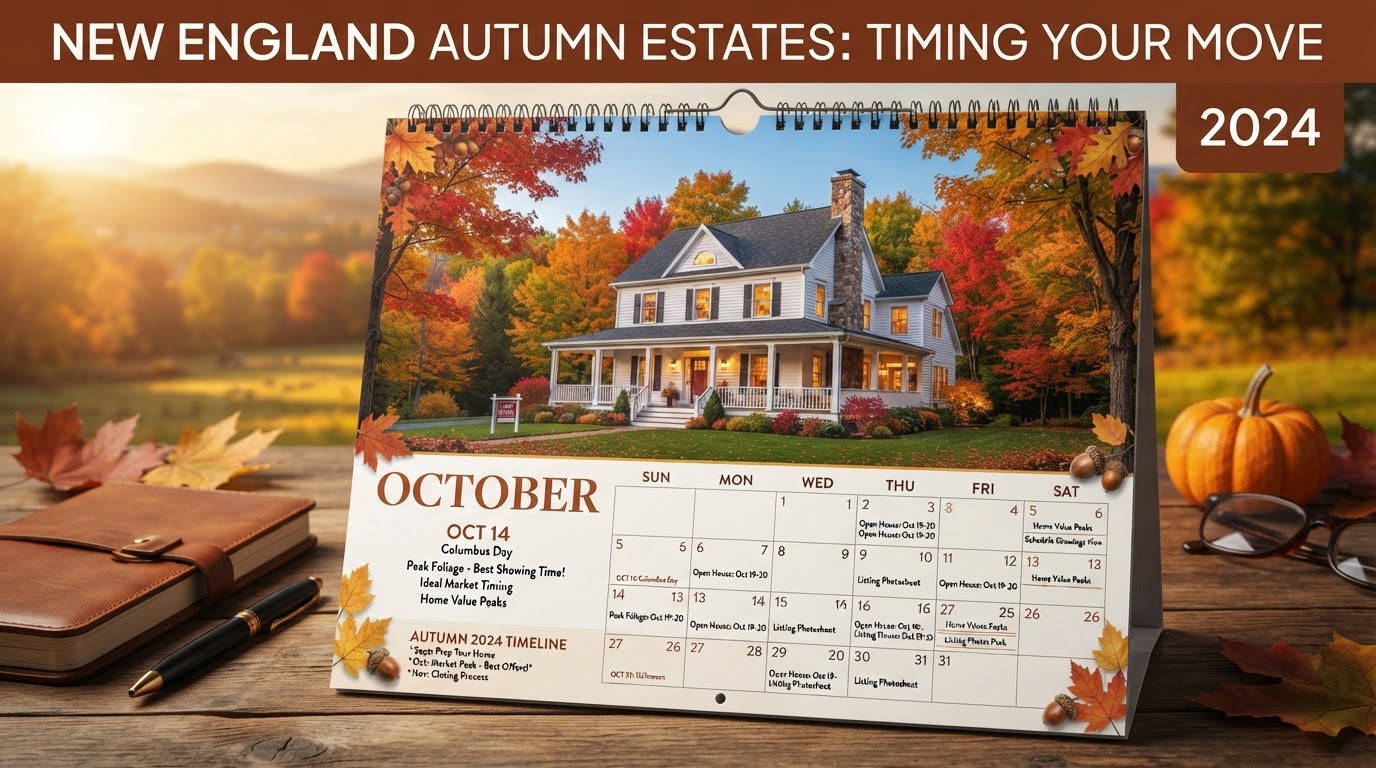
After Labor Day, serious buyers return. These are people who delayed over the summer or who are relocating for the school year. There's less competition from other sellers (many have already sold or given up). The window is September 1–October 15. By late October, the market slows for the holidays. Price slightly below spring comps but expect motivated buyers.
Verdict: Second-best time to list. Serious buyers, less competition. Read my guide on the September seller dilemma.
November–December: Wind Down
The market slows dramatically. November is transitional — some buyers are still active, but many have given up for the year. December is the slowest month. If you list in November, price to sell before the holidays. If you list in December, expect minimal showings but motivated buyers. Some sellers intentionally list during the holidays for minimal competition.
Verdict: Only if you need to sell. Low competition but low demand.
The Seasonal Price Difference
| Season | Typical Price Impact | Days on Market | Buyer Activity |
|---|---|---|---|
| Spring (Mar–May) | +3–8% vs. winter | 18–30 days | Highest |
| Summer (Jun–Aug) | Baseline | 25–40 days | Moderate |
| Fall (Sep–Oct) | +1–3% vs. winter | 22–35 days | Strong |
| Winter (Nov–Feb) | -3–8% vs. spring | 40–60+ days | Lowest |
Note: These are general patterns. Your individual results depend on price, condition, town, and market conditions.
Coastal vs. Inland: Different Seasons
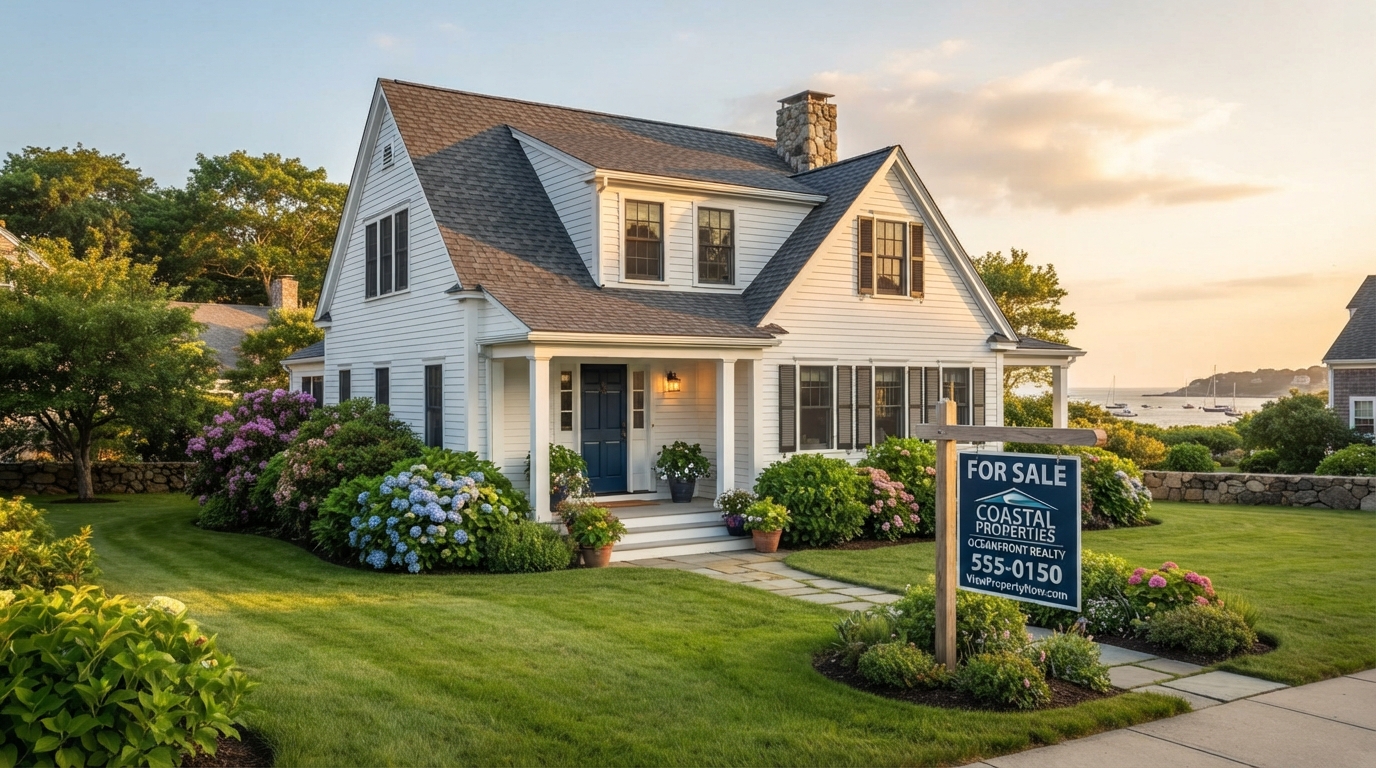
Coastal properties on the North Shore have a different seasonal pattern. Waterfront and beach-adjacent homes in Gloucester, Rockport, Marblehead, Manchester-by-the-Sea, and Salisbury have a longer selling season — April through September. Buyers of coastal properties want to see the water and experience the lifestyle, which they can't do as well in winter. If you're selling a waterfront home, listing in late spring or early summer can maximize your price.
Inland homes in towns like Andover, Boxford, Topsfield, and Peabody follow the traditional spring/fall cycle. For these properties, March–May remains the strongest window.
When You Shouldn't Wait for the "Perfect" Time
Sometimes life doesn't wait for spring. If you're facing a job relocation, divorce, probate, or downsizing situation, the best time to sell is when you need to. A good agent can price and market your home effectively in any season. The key is adjusting your expectations and strategy to match the market you're in.
For help with time-sensitive situations, see my guides on divorce home help, inherited home help, and senior transitions.
Thinking About Selling? Let's Talk Timing.
I'll analyze your home, your town, and current market conditions to recommend the optimal listing date — and help you prepare.
Frequently Asked Questions
Kathleen Militello
Kathleen Militello is a North Shore REALTOR® with eXp Realty, serving Essex County for over 20 years. She's helped hundreds of sellers choose the right listing date and maximize their sale price in every season.
Learn more about Kathleen →