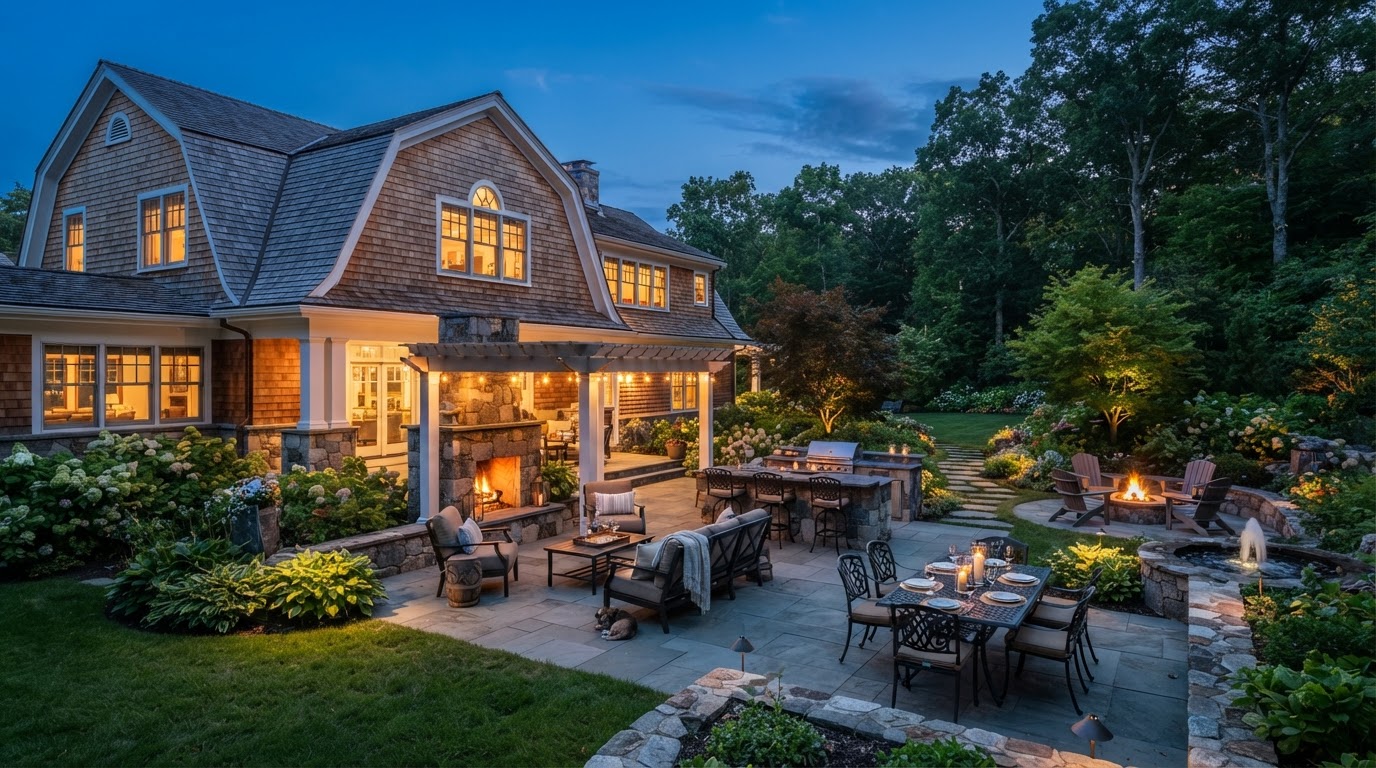
Landscaping and Curb Appeal: How North Shore Sellers Boost Their Home's Value
The cheapest, highest-return improvement before selling isn't a kitchen — it's your yard. Here's how to make a first impression that gets buyers through the door and lifts your offer.
The Short Version
- •Curb appeal is the highest-ROI pre-sale work. A few hundred to a couple thousand dollars can transform the first impression.
- •Buyers decide in seconds. The exterior sets expectations for the entire home — neglect signals deferred maintenance.
- •Clean and maintained beats elaborate. A manicured lawn, fresh mulch, and trimmed shrubs outperform expensive hardscaping for resale.
- •Start 2–4 weeks before listing so the yard looks established for photos and showings.
- •Don't over-design. Personal taste in landscaping narrows your buyer pool — keep it broad and neutral.
Your Yard Is the First Thing Buyers See — Make It Count
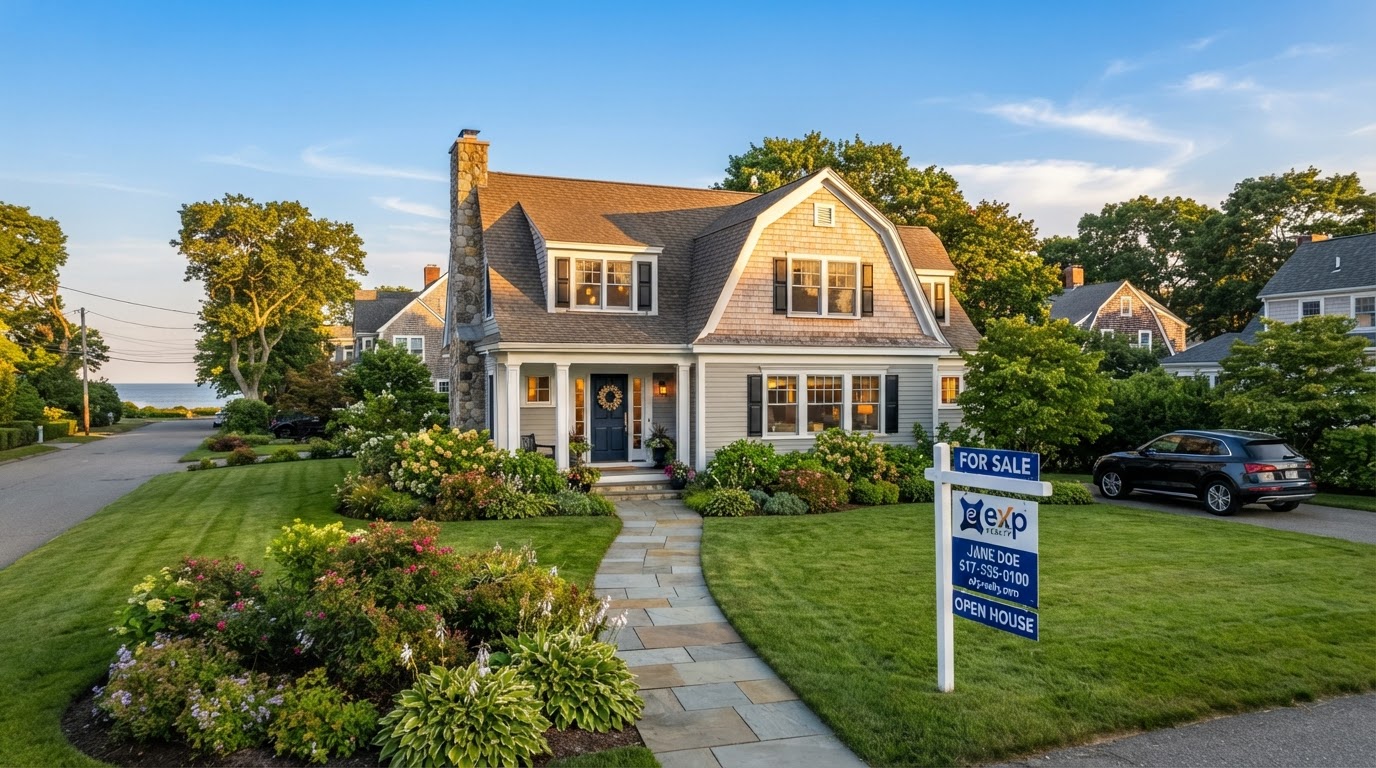
If a buyer pulls up to your home and sees an overgrown lawn, peeling paint, and a tired walkway, they've already formed an opinion — and it's not the one you want. Real estate research consistently shows that buyers form a first impression within seconds of seeing a property, and that impression colors everything that follows. A home that looks cared-for on the outside is assumed to be cared-for on the inside.
The good news: curb appeal is the single highest-return improvement you can make before selling, and it's also one of the cheapest. You don't need a landscape architect or a five-figure redesign. You need a clean, maintained, welcoming exterior that says "this home has been loved." Here's how to get there.
The High-ROI Curb Appeal Checklist
These are the projects that deliver the most impact for the least money. Most can be done in a weekend or by a reasonably priced landscaper:
- Mow, edge, and fertilize the lawn. A lush, neatly edged lawn is the foundation. Fill bare patches and keep it watered.
- Refresh mulch in all beds. Fresh dark mulch instantly makes plantings look intentional and tidy. It's one of the highest-impact, lowest-cost fixes.
- Prune shrubs and trees. Overgrown plantings hide the home and look neglected. Trim back anything blocking windows or the walkway.
- Add a few mature plantings near the entry. A pair of container plants or foundation plantings flanking the door draws the eye to the entrance.
- Power-wash hardscaping. Clean the walkway, driveway, porch, and siding. Removing grime and mildew makes everything look newer.
- Paint the front door and shutters. A fresh, welcoming door color is a small investment with outsized visual impact.
- Clean and update exterior lighting and hardware. Polish or replace the mailbox, house numbers, and porch light.
- Declutter the yard. Store hoses, toys, bins, and anything that reads as "lived-in clutter."
Why Curb Appeal Affects the Sale Price
Curb appeal doesn't just make your home prettier — it changes buyer behavior. A polished exterior:
- Drives more showings. Buyers browsing online listings click through based on the exterior photo. A great exterior photo gets more tours.
- Sets a higher expectation. Buyers who arrive expecting a cared-for home tend to view the interior more favorably and overlook minor flaws.
- Reduces lowball offers. Neglect signals deferred maintenance, which invites lower offers and tougher inspections. Polish signals pride of ownership.
- Speeds the sale. Homes that show well from the curb tend to sell faster — fewer days on market often means a stronger final price.
Studies suggest well-executed landscaping can boost perceived value by 5–15%. Even at the low end, that's meaningful on a North Shore home. See our home improvements that increase value guide for where curb appeal ranks among all projects.
What to Skip: Landscaping That Doesn't Pay Off at Sale
Not all landscaping helps you sell. Avoid these before listing:
- Elaborate hardscaping or water features — expensive, personal-taste, and high-maintenance. Buyers may see them as work, not value.
- High-maintenance gardens — elaborate flower beds or specialty plantings that require a green thumb can scare buyers who want low upkeep.
- Over-personalized decor — lawn art, themed gardens, or bold color schemes narrow your buyer pool.
- Major grading or drainage projects — unless there's an actual problem to fix, these are better left to the buyer. If there is a drainage issue, fix it (and disclose) — see our what not to fix guide.
Timing: When to Prep Your Yard
Start curb appeal work 2–4 weeks before listing so plantings settle, the lawn looks established, and everything is photo-ready. In the North Shore's climate:
- Spring listings: Ideal for fresh mulch, new plantings, and lawn renewal. Aim for peak bloom timing.
- Summer listings: Focus on maintenance — keep the lawn green and watered, prune regularly, and avoid planting new beds in heat.
- Fall listings: Clean up leaves diligently, add fall-interest plantings (mums, ornamental grasses), and keep walkways clear.
- Winter listings: Emphasize clean walkways, trimmed branches, evergreen structure, and a cleared, welcoming entry. Avoid photos of a snow-buried, unidentifiable yard.
Schedule professional photos for when the yard looks its best. See our 30-day seller prep guide for the full pre-listing timeline.
The Bottom Line
Curb appeal is the highest-return, lowest-cost work you can do before selling — and on the North Shore, where mature landscapes and historic homes set a high standard, it matters even more. You don't need to spend a fortune. A clean, manicured, welcoming exterior tells buyers this home has been cared for, gets them through the door, and supports a stronger offer. Spend a little, stage it well, and let the first impression do the heavy lifting.