What Home Improvements Actually Increase Your Home's Value on the North Shore?
Not every renovation pays off at sale. Here are the improvements that return the most — and the upgrades that cost more than they're worth.
The Short Version
- •Minor kitchen refreshes win. New hardware, paint, lighting, and countertops return 80–95% — far more than a full gut renovation.
- •Curb appeal matters most. Landscaping, exterior paint, and a new garage door deliver some of the highest ROI of any project.
- •Don't over-improve for the neighborhood. The biggest mistake is spending beyond what comparable homes support.
- •Fix what buyers fear. A failing roof, outdated electrical, or septic issues scare buyers more than cosmetic upgrades attract them.
- •Always consult your agent first. A 15-minute walkthrough can save you thousands in wasted renovations.
The Improvement That Pays Off Isn't Always the One You'd Expect
When North Shore homeowners decide to sell, the first instinct is often to renovate — gut the kitchen, finish the basement, add a bathroom. It feels productive. But here's the hard truth that decades of remodeling cost data confirms: most major renovations do not return their full cost at sale. Some return less than 60 cents on the dollar.
That doesn't mean improvements are a waste. It means you have to be strategic. The improvements that increase value are the ones buyers actually notice and are willing to pay for — and on the North Shore, where buyers are often moving from pricier Boston suburbs and expect a certain level of finish, knowing where to spend matters even more.
The High-ROI Improvements (Worth Doing)
1. Minor Kitchen Remodel — 80–95% ROI
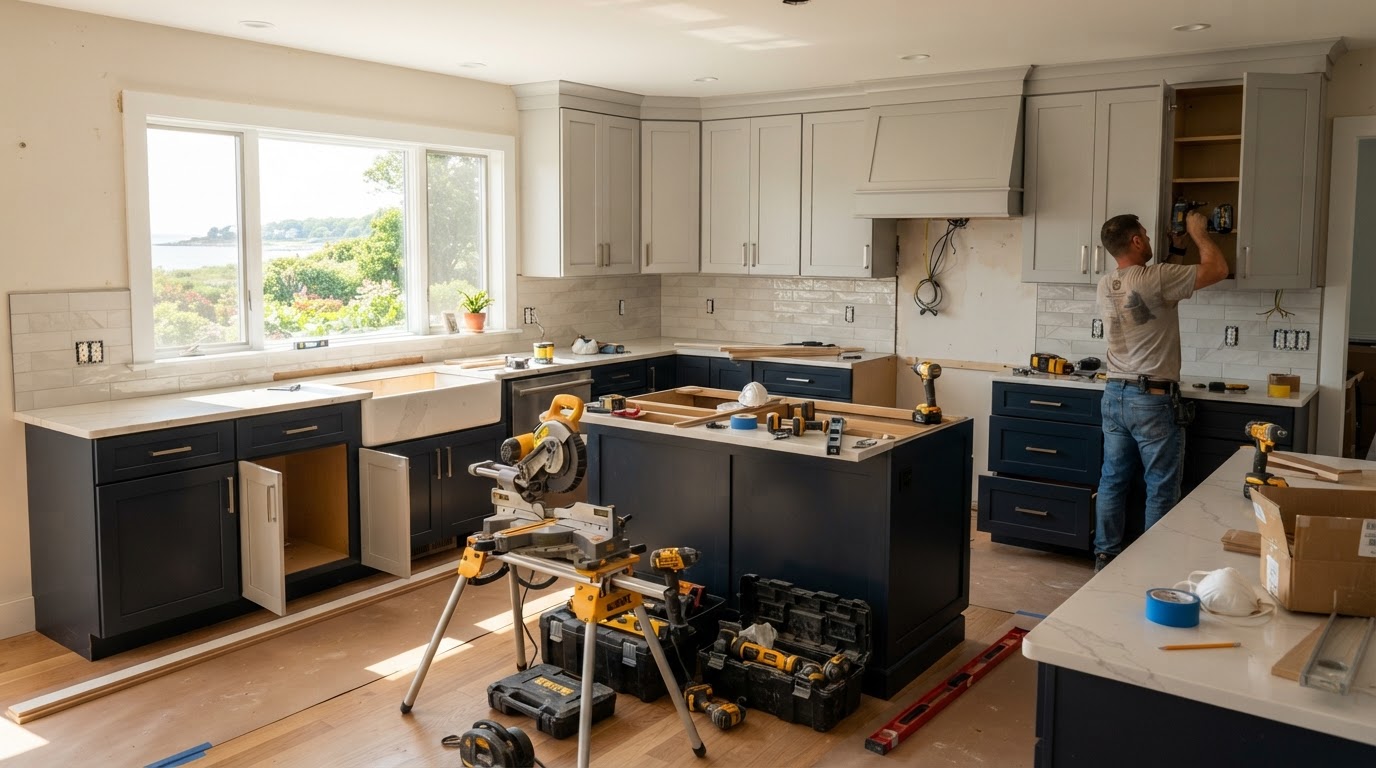
This is the single best-value renovation in real estate. Notice the word minor. You're not gutting the kitchen — you're refreshing it: refacing or painting cabinets, new hardware, updated lighting, a new sink and faucet, and perhaps new countertops (quartz reads as modern and durable). Keep the existing layout and appliances if they work. Buyers fall in love with a kitchen that looks clean and current, and a $15,000 refresh often returns $12,000–$14,000 in added sale price — plus a faster sale.
2. Garage Door Replacement — 90–95% ROI
It sounds mundane, but a new garage door is one of the highest-ROI projects in the country. It's the first thing buyers see from the curb, and an old, dented, or mismatched door instantly signals "deferred maintenance." A new insulated door that matches the home's style costs $1,500–$3,500 and recovers nearly all of it.
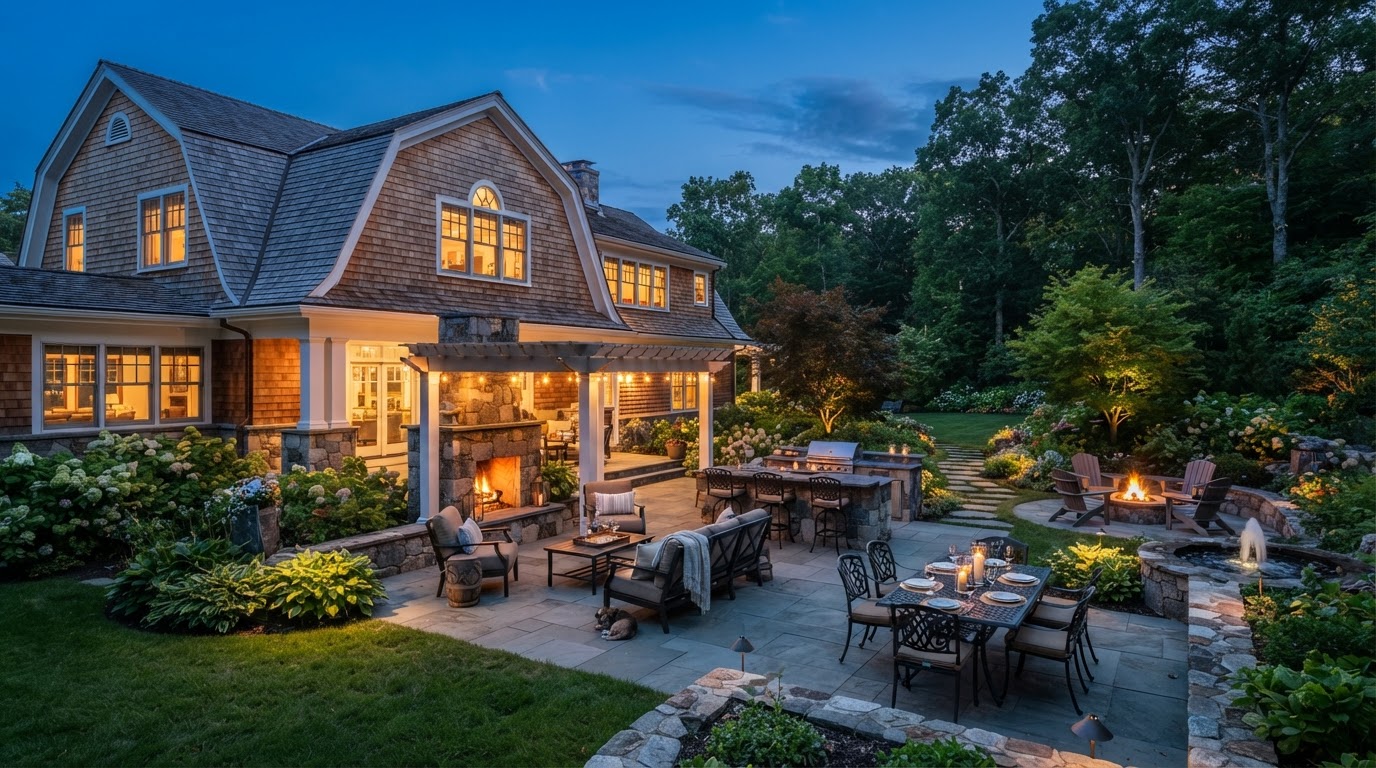
3. Landscaping and Curb Appeal — 80–100% ROI
Curb appeal is the cheapest value-add with the highest return. A manicured lawn, fresh mulch, trimmed shrubs, a few mature plantings, and a clean walkway can transform a home's first impression for a few thousand dollars or less. On the North Shore, where historic homes and mature landscapes set the standard, neglected landscaping stands out — and not in a good way. See our landscaping and curb appeal guide for specifics.
4. Exterior Paint and Siding Repairs — 75–90% ROI
Peeling paint or damaged siding is a red flag for buyers — it suggests the whole home may be poorly maintained. A fresh coat of exterior paint (in a broadly appealing, neutral palette) or repairing damaged clapboards and trim signals care and quality. This is especially important for the North Shore's many historic and coastal homes exposed to salt air.
5. Bathroom Updates — 70–85% ROI
Like kitchens, minor bathroom updates beat major ones. Replace a dated vanity, update lighting and faucets, regrout tile, and paint. A full bathroom gut with high-end finishes rarely returns its cost — but a dated bathroom is a deal-killer for many buyers, so a modest refresh is almost always worthwhile.
The Mid-ROI Improvements (Do Only If Needed)
6. Finished Basement — 60–70% ROI
A properly finished basement adds usable living space that buyers value, but it rarely returns its full cost — and a poorly finished basement (low ceilings, no egress, moisture issues) can actually hurt your sale. If your basement is already dry and has adequate ceiling height, a clean, simple finish can help. If it's damp or has 6-foot ceilings, leave it and price accordingly. See our finished basement value guide.
7. Deck or Patio Addition — 60–75% ROI
Outdoor living space is increasingly valued, especially on the North Shore where summers are short and precious. A modest, well-built deck or stone patio extends your usable living area and appeals to buyers — but don't overbuild. A simple, maintainable deck returns more than an elaborate multi-level structure.
8. Energy Efficiency Upgrades — 60–80% ROI
New windows, added insulation, and a modern HVAC system don't always return dollar-for-dollar, but they remove buyer objections and can speed a sale. Owned solar panels can add appeal — but leased panels often complicate the transaction. See our solar panels and home value guide.
The Low-ROI Improvements (Skip These Before Selling)
These are the projects that feel luxurious but almost never pay off at sale. If you're doing them for your own enjoyment and plan to stay, fine. If you're doing them to sell, stop.
- High-end kitchen gut renovation: 50–60% ROI. A $60,000 kitchen rarely adds $60,000 to your sale price.
- Master suite addition: 50–65% ROI. Expensive and highly personal.
- Swimming pool: Often reduces buyer pool on the North Shore due to short season and maintenance.
- Custom or luxury finishes: Wallpaper, specialized tile, bold paint colors. Buyers pay for neutral, move-in-ready.
- Over-improving beyond the neighborhood: The #1 value killer. A $200K kitchen in a $500K neighborhood doesn't make it a $700K home.
The golden rule: never spend more than the neighborhood will support. Your home's value is capped by comparable sales — no amount of renovation changes that. The smartest move is to match (or slightly exceed) the finish level of recently sold homes in your price range, and stop there.
The Improvements That Aren't "Value-Adds" — They're Expectations
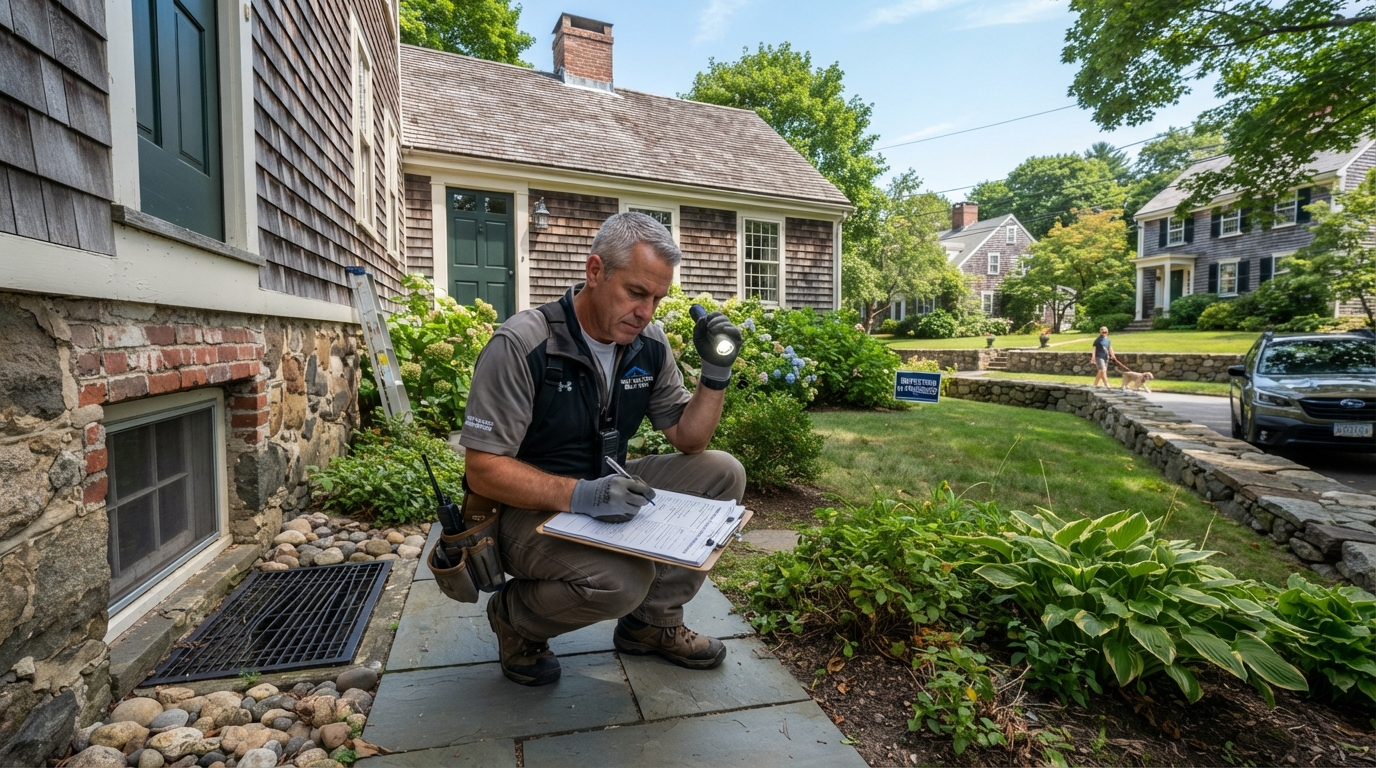
Some repairs don't increase your value — they protect it. A failing roof, a bad septic system, outdated electrical, or a non-functioning furnace won't earn you a premium if you fix them, but they will kill deals, trigger lowball offers, or fail a buyer's inspection if you don't. On the North Shore, where many homes are older, these "must-fix" items are common. Handle them before listing — or be prepared to price and disclose accordingly.
For a full breakdown of what to fix and what to leave alone, see our what not to fix when selling guide.
The Bottom Line
The improvements that increase value are the ones that make your home feel clean, current, and well-cared-for — not the ones that make it luxurious. A minor kitchen refresh, strong curb appeal, and addressing the "fear items" buyers worry about will almost always outperform a major renovation. And the single most valuable thing you can do before spending a dollar is get professional advice on what your home is worth now and what buyers in your price range expect.