Sell and Stay: How North Shore Seniors Can Access Home Equity Without Moving

You have lived in your Beverly or Ipswich home for thirty years. The mortgage is paid off. The gardens are mature. The neighbors are household. But the property taxes keep climbing, the roof needs attention, and you could use a meaningful amount of cash to help with retirement, medical expenses, or simply breathing room.
The conventional advice is to sell, downsize, and move. But what if you do not want to move? What if the thought of packing up decades of memories feels harder than the financial pressure itself?
That is where a sell and stay arrangement comes in. It allows you to convert your home equity into cash while remaining in the home you love. I have guided North Shore homeowners through this exact decision for over twenty years, and I want to walk you through how it works, what it costs, and whether it might be the right path for you.
What Is Sell and Stay and How Does It Work?
Sell and stay is exactly what it sounds like. You sell your home to a buyer or investor, and then you sign a leaseback agreement that allows you to continue living in the home as a tenant. At closing, you receive the proceeds from the sale. You use that cash however you need to. Then you pay a monthly lease payment to the new owner, just like rent.
The arrangement is flexible. Some seniors negotiate a leaseback for 6 to 12 months while they decide on their next step. Others arrange an open-ended lease that lets them stay in the home indefinitely, sometimes for the rest of their life. The terms are negotiated before the sale closes and documented in a formal leaseback agreement.
The key distinction from a traditional sale is that you are not packing boxes. You are not hiring movers. You are not trying to find a new place to live. You are staying exactly where you are, with cash in hand and the burden of homeownership transferred to someone else.
How Much Equity Can You Access?
The amount of cash you receive at closing depends on three things: the appraised market value of your home, your remaining mortgage balance if you still have one, and the terms you negotiate with the buyer.
Let us say your Gloucester colonial appraises for $650,000. You have no mortgage. After standard closing costs, real estate commissions, and any minor repairs negotiated in the contract, you might walk away from the closing table with $590,000 to $610,000 in cash.
That is a life-changing amount of money for a retiree. It can pay off medical bills, fund long-term care insurance, help grandchildren with college, or simply provide the financial cushion that makes retirement feel secure. And you get all of it without moving out of the house where you raised your loved ones.
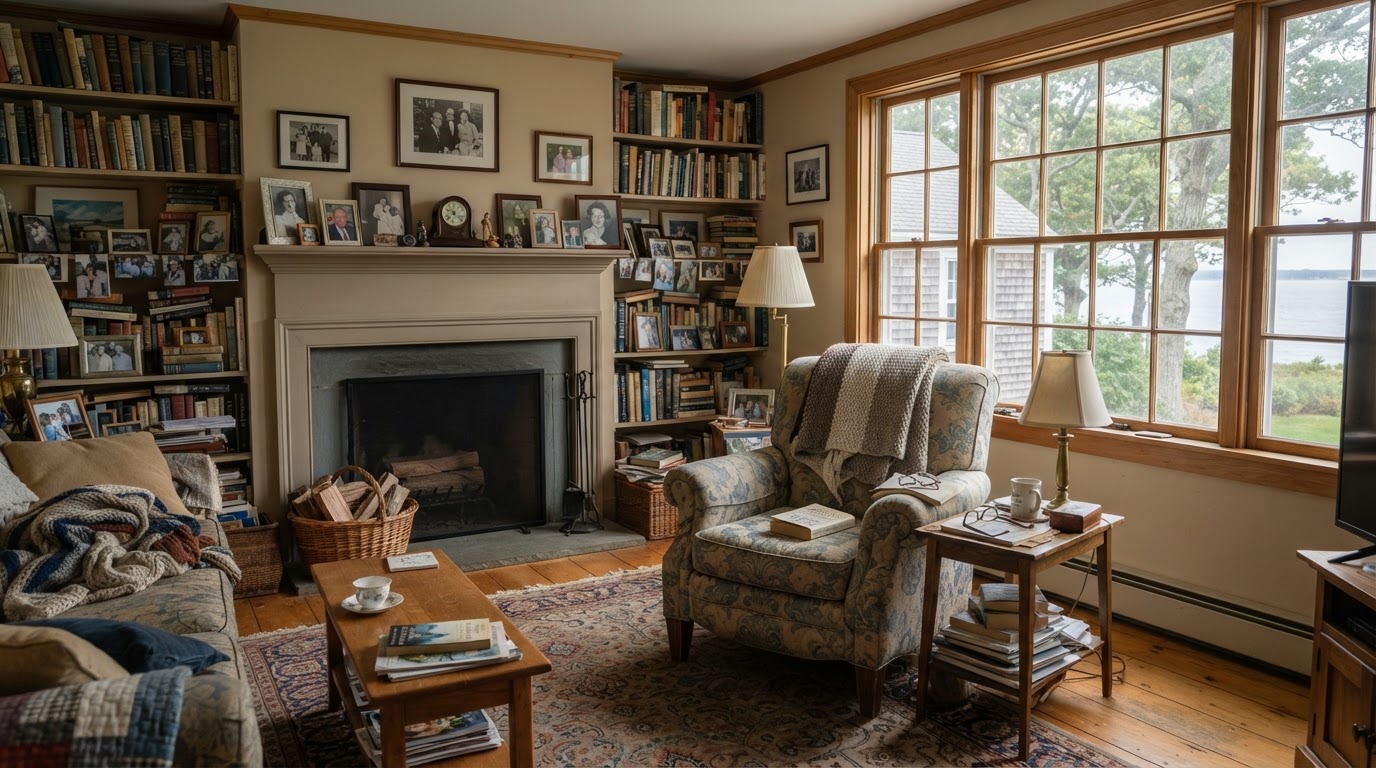
For many seniors, the emotional value of staying in a home filled with decades of memories outweighs the financial math of downsizing.
Sell and Stay vs. Reverse Mortgage: Understanding the Difference
The two options people ask me about most are sell and stay and reverse mortgages. They sound similar because both let you tap into your home equity without moving. But they work in fundamentally different ways.
A reverse mortgage is a loan. You borrow against your equity, and the loan accrues interest over time. You keep ownership of the home, but the debt grows. When you pass away or move out permanently, the loan must be repaid, usually by selling the home. Your heirs receive whatever equity remains after the loan and interest are settled.
Sell and stay is a sale. You transfer ownership of the home entirely. In exchange, you receive a lump sum of cash at closing with no accruing debt and no interest charges. You no longer own the property, but you have a lease that guarantees your right to remain. Your heirs do not inherit the home, but they also do not inherit a loan that needs to be repaid.
Neither option is universally better. The right choice depends on whether you want to keep ownership of the home, how much cash you need, whether you have heirs who expect to inherit the property, and your comfort level with debt. I always recommend speaking with an elder law attorney and a financial advisor before making this decision.
Who Pays Property Taxes, Insurance, and Repairs?
This is one of the most important questions to clarify before signing anything. In most sell and stay arrangements, the new owner takes responsibility for property taxes, homeowners insurance, and major structural repairs. That means if the furnace dies in January or the roof starts leaking, the new owner covers it.
As the tenant, you pay a monthly lease payment. That payment is typically lower than what your total cost of ownership was when you factor in taxes, insurance, maintenance, and repairs. Some seniors find that their monthly housing costs actually drop after a sell and stay, even though they no longer own the home.
The specific division of responsibilities is written into your leaseback agreement. I help my clients negotiate these terms carefully so there are no surprises. You should know exactly who pays for what before you sign the purchase and sale agreement.
What About Homes That Need Repairs?
Many seniors I work with in Salem and Newburyport have homes that need work. The kitchen has not been updated since 1995. The bathrooms need attention. The roof has a few more years but not many. Preparing a home like that for the traditional real estate market can cost $30,000 to $80,000 and months of disruption.
One of the biggest advantages of sell and stay is that you do not need to do any of that. The buyer purchases the home in its current condition, as-is. They factor the cost of future repairs into their offer price. You do not spend a dollar on staging, painting, or fixing things you have lived with comfortably for years.
For seniors who are house-rich but cash-poor, this removes one of the most stressful barriers to accessing equity. You do not need to find the money to fix the house before you can get the money out of the house.

North Shore homes with character and history hold strong equity value, even when they need updates.
How to Decide if Sell and Stay Is Right for You
I sit down with seniors and their families regularly to walk through this exact question. There is no formula that works for everyone, but there are a few signs that sell and stay might be worth exploring.
You might consider sell and stay if you want to stay in your home but need significant cash for retirement living, medical expenses, or loved ones support. It is also worth exploring if your home needs major repairs you cannot afford to make, or if the ongoing costs of property taxes, insurance, and maintenance are straining your monthly budget.
On the other hand, sell and stay may not be the best fit if you want to leave the home to your children as an inheritance. It also may not make sense if you are already planning to move to a 55+ active adult community or a senior living facility within the next year. In those cases, a traditional sale or a structured sell and stay program through my office might serve you better.
The decision is personal, and it should be made with input from your loved ones, your financial advisor, and an elder law attorney. My role is to give you clear, honest information about what your home is worth and what your options are, so you can make the choice that feels right.
The Emotional Side of Staying Put
I want to talk about something that does not show up in any financial spreadsheet. The emotional weight of leaving a home you have lived in for decades is enormous. I have seen it in living rooms across Marblehead, Rockport, and Manchester-by-the-Sea. The home is not just a building. It is where your children took their first steps. It is where you hosted Thanksgiving for twenty years. It is the garden you planted with your own hands.
Sell and stay acknowledges that emotional reality. It says: you do not have to choose between your financial security and your emotional well-being. You can access the equity you have built and stay in the place that feels like home.
If you are struggling with this decision, I encourage you to read our guide on the emotional side of downsizing. It walks through the feelings that come with this transition and offers practical strategies for working through them.
A Realtor's Take
In my twenty-plus years working with North Shore seniors, the most common thing I hear is "I do not want to move, but I need the money." Sell and stay is one of the few real estate tools that honors both of those truths at the same time. I have seen it give people the financial breathing room to stay in their home for another decade without the stress of a leaking roof or a rising tax bill.
The part I care about most is making sure you understand every option before you commit. Sell and stay is not the only way to access your equity. A reverse mortgage, a traditional sale with a leaseback, or a structured transition through our senior transition services might serve you better depending on your goals. My job is to lay out the honest pros and cons of each path so you can decide with confidence, not pressure. If you are considering your options, start with our Sell and Stay program page or reach out for a private conversation.
Frequently Asked Questions
What does sell and stay mean for seniors?
Sell and stay is a real estate arrangement where a senior homeowner sells their property to an investor or buyer, then leases the home back for a set period or indefinitely. This allows the homeowner to convert their home equity into cash without the physical and emotional cost of moving out of the house they have lived in for decades.
How much equity can a senior access through a sell and stay arrangement?
The amount of equity a senior can access depends on the appraised market value of the home, the existing mortgage balance, and the terms negotiated with the buyer. Most sell and stay transactions provide the seller with the majority of their home equity at closing, minus closing costs, real estate commissions, and any outstanding liens on the property.
Is sell and stay better than a reverse mortgage?
Sell and stay and reverse mortgages serve different needs. A reverse mortgage allows you to borrow against your equity while keeping ownership of the home, but accrues interest and reduces the equity passed to heirs. Sell and stay transfers ownership entirely, providing a larger lump sum of cash upfront, but you no longer own the property. The right choice depends on your long-term financial goals, your heirs, and whether you want to retain ownership.
Who pays for property taxes and insurance in a sell and stay arrangement?
In most sell and stay arrangements, the new owner (the buyer or investor) becomes responsible for property taxes, homeowners insurance, and major structural repairs. The senior homeowner pays a monthly lease payment, similar to rent, which covers their continued occupancy. The specific division of responsibilities is negotiated and documented in the leaseback agreement before closing.
Can a senior sell and stay in a home that needs major repairs?
Yes. One of the advantages of sell and stay is that the home can be sold in its current condition without the senior needing to fund expensive repairs, updates, or staging. Investors who purchase these properties factor the cost of future repairs into their offer price. This removes the burden of preparing the home for the traditional real estate market.
How long can a senior stay in the home after selling?
The length of the leaseback period is negotiated as part of the sale. Some seniors arrange a leaseback of 6 to 12 months while they transition to a new living situation. Others negotiate an indefinite lease that allows them to remain in the home for the rest of their life, provided they continue to meet the lease terms. The duration is written into the purchase and sale agreement.
Final Thoughts
Your home is more than a number on a spreadsheet. It is decades of memories, a community you know, and a place that feels like yours. If you need to access your equity but are not ready to leave, sell and stay gives you a path that honors both your financial needs and your emotional roots.
The most important thing I can tell you is that you do not have to figure this out alone. Whether sell and stay turns out to be the right answer or another option serves you better, the first step is understanding what your home is worth and what choices you actually have. I am here to walk through that with you, at your pace, with no pressure and no agenda other than helping you make the best decision for your life.

About the Author
Kathleen Militello is REALTOR® of Coastal Homes & Living and AI Certified Agent™ with eXp Realty. Providing sellers and buyers with clear, calm, and strategic expertise across Beverly, Essex, Gloucester, Ipswich, Lynn, Manchester-by-the-Sea, Newbury, Newburyport, Rockport, Salem, and Salisbury since 2003.
Exploring Your Home Equity Options?
Connect with Kathleen Militello for a private, no-pressure conversation about your home's value and your options for accessing equity without moving.