
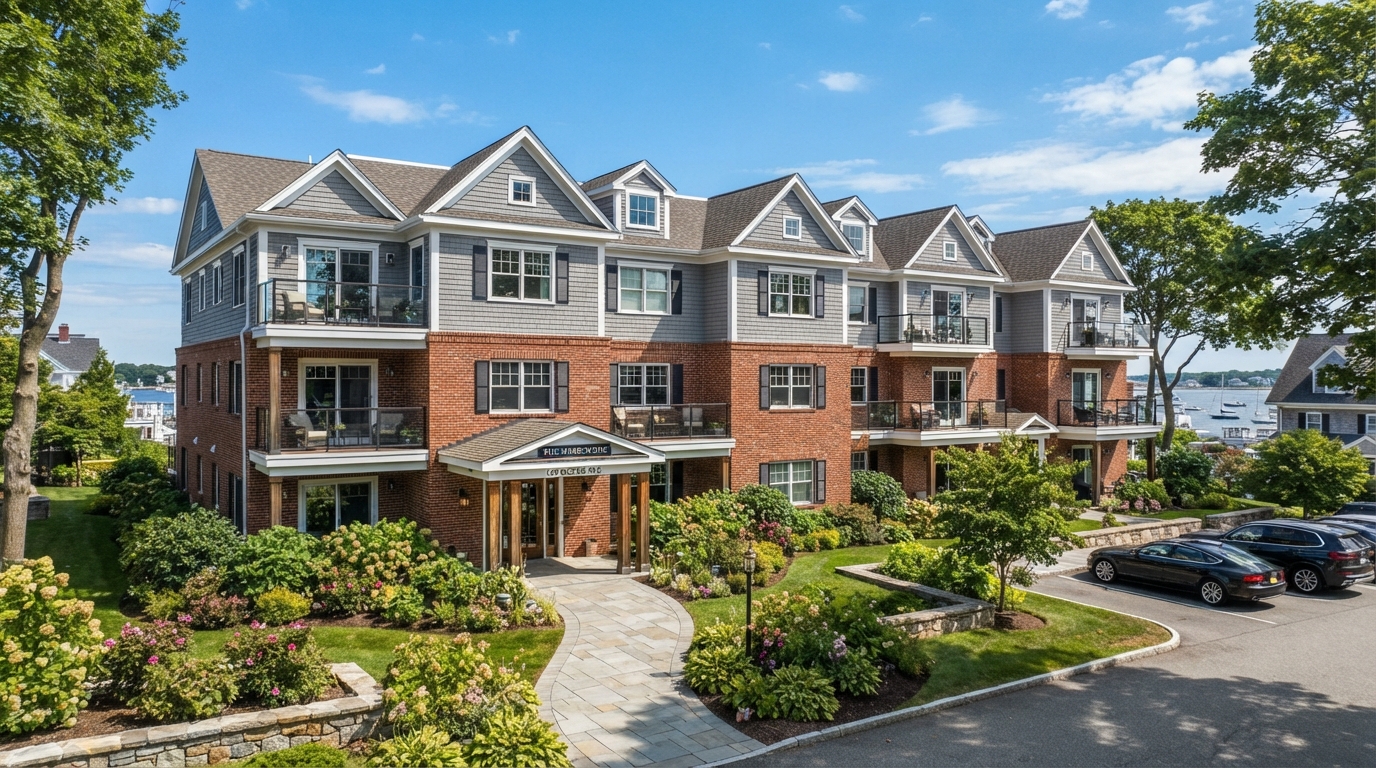
HOA and Condo Fees on the North Shore: What Buyers Need to Know Before Buying
That low monthly condo fee might look great — until a special assessment lands in your mailbox. Here's what HOA and condo fees cover, how they affect your budget, and what to review before you buy.
The Short Version
- •Condo fees on the North Shore typically run $250–$800+/month; townhome HOAs $100–$400; single-family HOAs often under $100.
- •Lenders count the fee against your DTI — a $500/month fee can cut your purchasing power by $75,000+.
- •Special assessments are one-time charges for major repairs reserves can't cover — review meeting minutes and the reserve study for any pending ones.
- •Low fees aren't always a deal — underfunded reserves often mean a big assessment is coming.
- •Review the documents: master deed, bylaws, budget, reserve study, and 12+ months of meeting minutes.
What Are HOA and Condo Fees?
HOA (Homeowners Association) and condo fees are monthly payments you make to the association that governs your building or community. In exchange, the association maintains common areas, repairs shared structures, pays for insurance on the building, and — in some communities — provides amenities like a gym, pool, landscaping, snow removal, or concierge service.
On the North Shore, you'll encounter these fees most often with condos in Newburyport, Salem, Beverly, and Marblehead, townhome communities in Danvers and Peabody, and planned single-family developments in Topsfield and Boxford. The structure and amount vary dramatically by property type.
Condo Fees vs. Townhome HOA vs. Single-Family HOA
Not all HOA fees are created equal. Here's how they differ:
| Type | Typical Fee | What It Covers |
|---|---|---|
| Condo | $250–$800+ | Building exterior, roof, insurance, common areas, sometimes heat/water |
| Townhome | $100–$400 | Common areas, amenities, sometimes exterior maintenance |
| Single-Family HOA | $50–$200 | Shared amenities only — pool, trails, clubhouse |
The key difference: with a condo, the association owns and maintains the building exterior and structure. With a townhome or single-family HOA, you typically own and maintain your home's exterior — the fee covers only shared amenities and common areas.
How Fees Affect What You Can Afford
This is the part many buyers miss. Lenders include your monthly HOA or condo fee in your debt-to-income (DTI) ratio — right alongside your car payment, student loans, and credit cards. A $500/month condo fee doesn't just cost you $6,000 a year; it reduces the mortgage amount you qualify for.
As a rough rule, every $100 in monthly HOA fees reduces your purchasing power by about $15,000–$18,000. So a $500/month fee can cut your budget by $75,000–$90,000 compared to a similar single-family home with no HOA. Always ask your lender to pre-approve you with the actual fee included — not a guess.
Quick Math Example
Say you qualify for a $600,000 single-family home. The same income and debts, but with a $550/month condo fee, might only qualify you for a $510,000 condo. That's not a small difference — it changes which neighborhoods and buildings you can shop in.
What Do Condo Fees Actually Cover?
A typical North Shore condo fee covers:
- Building insurance — the master policy covering the structure and common areas
- Exterior maintenance — roof, siding, windows (in some buildings), painting
- Common area upkeep — hallways, lobby, landscaping, parking
- Reserve fund contributions — savings for future major repairs
- Utilities — sometimes heat, water, trash, and sewer for the building
- Amenities — gym, pool, elevator, concierge, clubhouse
- Professional management — the company that runs the association
What it usually does not cover: your interior repairs, your personal property, your unit's electricity, internet, or interior insurance (you need a separate HO-6 policy for that).
Special Assessments: The Hidden Cost
What Is a Special Assessment?
A special assessment is a one-time charge the association levies on owners when a major repair or project exceeds what the reserve fund can cover. On the North Shore, where many condo buildings are 30–50+ years old, assessments for roofs, siding, elevators, and windows are common. They can range from a few thousand dollars to $30,000+ per unit — and they're due on top of your regular monthly fee.
This is why reviewing the association's documents before you buy is non-negotiable. A low monthly fee combined with an underfunded reserve is a classic warning sign. If the reserves can't cover the next roof replacement, that cost is coming to the owners as an assessment.
The Documents You Must Review
Before waiving any condo contingency, request and review:
- Master deed and declaration of trust — defines unit boundaries and ownership
- Bylaws and rules — what you can and can't do (rentals, pets, renovations)
- Current operating budget — income vs. expenses
- Reserve study — a professional analysis of whether reserves will cover future repairs
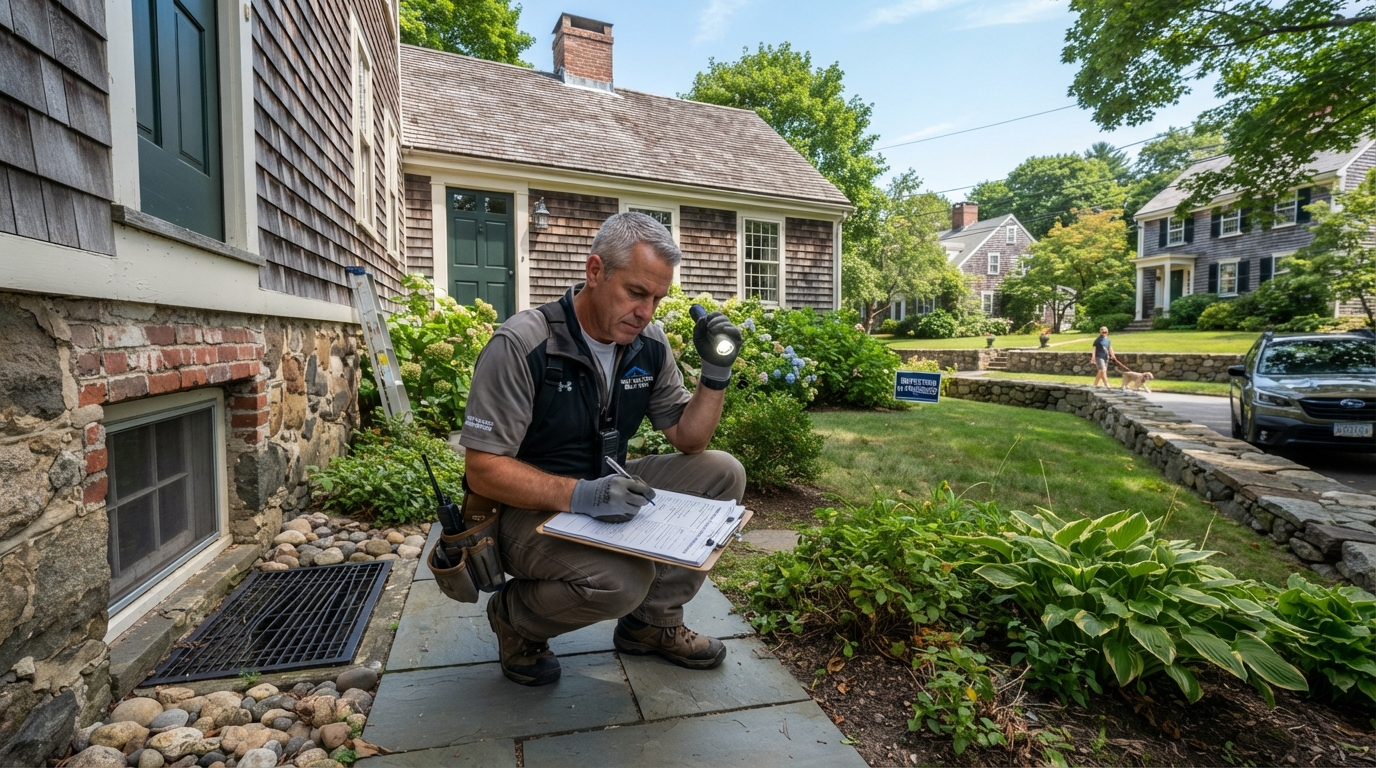
- 12+ months of meeting minutes — look for mentions of leaks, disputes, or planned projects
- Most recent financial statement — is the association solvent?
- Pending litigation or assessments — any lawsuits or upcoming charges
Your real estate attorney should review these during your attorney review period. Don't skip this step — it's the single best way to avoid buying into a building with a five-figure assessment looming.
Red Flags in Condo and HOA Documents
- Reserve fund below 70% of the recommended balance
- Frequent special assessments in the past 5 years
- Multiple units in arrears on fees (cash flow problems)
- Deferred maintenance mentioned repeatedly in minutes
- pending litigation against the association or developer
- No recent reserve study (should be updated every 3–5 years)
- High rental ratio (can affect financing and community stability)
The Bottom Line
HOA and condo fees aren't inherently bad — a well-run building with reasonable fees and strong reserves protects your investment. The danger is buying blind. Review the documents, understand what the fee covers, check the reserves, and ask your lender to qualify you with the real fee included. A little homework now can save you from a surprise assessment later.
