How Much House Can I Afford on the North Shore? The 2026 Buyer's Guide
Before you fall in love with a home, know what you can actually afford. Here's how to calculate your purchasing power — with real numbers for North Shore towns.
Kathleen Militello
REALTOR®, eXp Realty · North Shore Coastal Homes & Living
"How much house can I afford?" is the first question every buyer asks me — and it should be. Before you start browsing listings in Beverly, Gloucester, or Newburyport, you need to know your number. Not the number a bank says you qualify for, but the number that fits your life.
On the North Shore, where median home prices range from $400,000 in Lynn to over $1.5 million in Manchester-by-the-Sea, affordability isn't just about income. It's about property taxes, condo fees, insurance, and the hidden costs of owning an older home.
Here's how to figure out what you can actually afford — no guesswork, no surprises.
The Short Version
- The 28/36 rule: your housing payment shouldn't exceed 28% of gross monthly income, and total debt shouldn't exceed 36%.
- Property taxes vary by town and can shift your purchasing power by $30,000+.
- Condo fees reduce what you qualify for — a $400/month fee can cut your price range by $60,000.
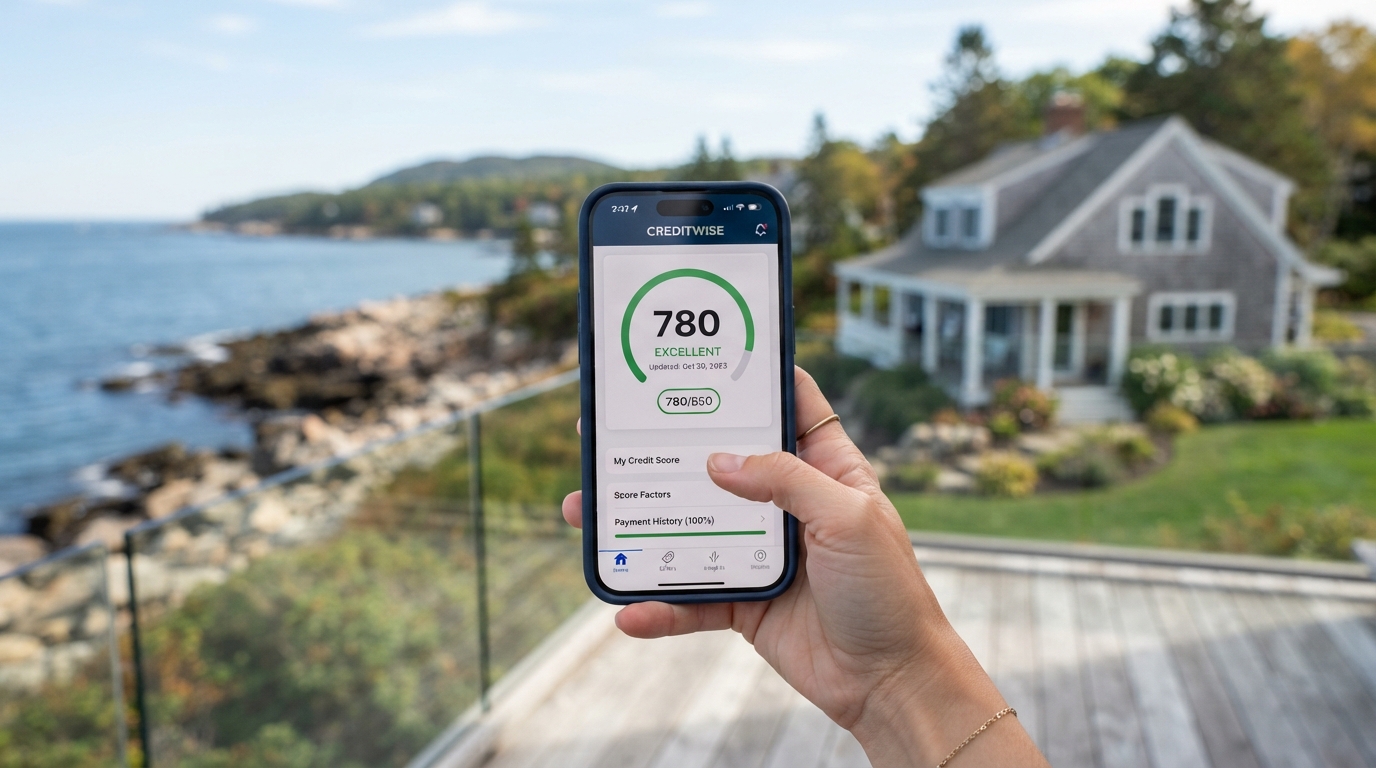
- Your credit score affects your rate, which affects your monthly payment, which affects your price range.
- Get pre-approved before you start looking — it gives you real numbers, not estimates.
The 28/36 Rule: The Starting Point
Lenders use a guideline called the 28/36 rule to evaluate how much you can borrow. It's not a law — some lenders are more flexible, some stricter — but it's the standard most banks follow.
The 28% Rule (Front-End Ratio)
Your total monthly housing payment — principal, interest, property taxes, and homeowners insurance (PITI) — should not exceed 28% of your gross monthly income.
The 36% Rule (Back-End Ratio)
Your total monthly debt payments — mortgage, car loans, student loans, credit card minimums — should not exceed 36% of your gross monthly income.
Here's the math: If you earn $100,000 per year, your gross monthly income is $8,333. The 28% rule caps your housing payment at $2,333/month. The 36% rule caps your total monthly debt at $3,000 — so if you have a $400 car payment and $200 in student loans, your housing budget shrinks to $2,400 under the back-end ratio.
The lower of the two numbers wins. That's your maximum housing payment.
North Shore Affordability at a Glance
This table estimates what different income levels can afford on the North Shore, assuming 10% down, a 6.75% interest rate, and average property taxes. Your actual numbers will vary based on your down payment, credit score, debt load, and the specific town's tax rate.
| Annual Income | Monthly Gross | Max Housing Payment | Est. Price Range | What's Reachable |
|---|---|---|---|---|
| $60,000 | $5,000 | $1,400 | $200,000–$230,000 | Entry condos (Lynn, Salem, Peabody) |
| $75,000 | $6,250 | $1,750 | $250,000–$280,000 | Condos, smaller singles (Lynn, Salem) |
| $100,000 | $8,333 | $2,333 | $350,000–$400,000 | Condos & starter homes (Beverly, Danvers, Peabody) |
| $125,000 | $10,417 | $2,917 | $450,000–$510,000 | single-family homes (Beverly, Gloucester, Salem) |
| $150,000 | $12,500 | $3,500 | $550,000–$620,000 | single-family homes (Gloucester, Ipswich, Marblehead) |
| $200,000 | $16,667 | $4,667 | $750,000–$850,000 | Larger homes (Manchester, Rockport, Newburyport) |
Estimates assume 10% down, 6.75% rate, average North Shore property taxes (~$12 per $1,000), and include PMI. Actual qualifying amounts depend on your lender, credit profile, and the specific property's taxes and insurance.
What Quietly Erodes Your Purchasing Power
The price the bank says you qualify for is not the price you can actually afford. Here are the factors that eat into your budget on the North Shore:
Property Taxes Vary Wildly by Town
A $600,000 home in Gloucester might carry $6,600/year in taxes ($550/month). The same-priced home in a higher-tax community could cost $9,000+/year ($750+/month). That $200/month difference can reduce your qualifying price by $30,000 or more. Always check the specific property's tax bill before you calculate affordability. Read our property tax exemptions guide to see if you qualify for savings.
Condo Fees Reduce Your Price Range
If you're buying a condo, the monthly fee is counted as part of your debt ratio. A $400/month condo fee can reduce your qualifying price by roughly $60,000. That doesn't mean condos are a bad deal — many include heat, hot water, exterior maintenance, and insurance — but you need to factor the fee into your affordability math from day one. See our North Shore condo fees guide for a full breakdown.
PMI Adds to Your Monthly Cost
If you put less than 20% down, you'll pay private mortgage insurance (PMI), which typically adds $100–$300/month depending on your loan amount and credit score. That's money that could otherwise go toward a higher purchase price. Learn how to eliminate PMI as quickly as possible.
Your Credit Score Moves the Rate
A credit score of 740+ gets you the best rates. A score of 680 might add 0.5% to your rate — which on a $500,000 loan means an extra $150/month and roughly $25,000 less purchasing power. Check our credit score guide to see where you stand and how to improve.
Older Homes Cost More to Maintain
Many North Shore homes were built before 1950. They're beautiful, but they cost more to heat, insure, and maintain. Budget at least 1% of the home's value per year for maintenance — $5,000/year on a $500,000 home. That's $416/month the bank doesn't count but your wallet will feel.
How to Calculate Your Real Number in 4 Steps
Calculate Your Gross Monthly Income
Add up all income sources before taxes. If you're W-2, use your annual salary divided by 12. If self-employed, lenders typically use a two-year average of your net business income.
List All Monthly Debt Payments
Include car payments, student loans, minimum credit card payments, child support, and any other recurring debt. Don't include groceries, utilities, or gas — those aren't counted in your debt ratio.
Apply the 28/36 Rule
Multiply your gross monthly income by 0.28 to get your max housing payment. Multiply by 0.36 and subtract your monthly debts to get your max housing payment under the back-end ratio. Use the lower number.
Get Pre-Approved for the Real Number
Online calculators give estimates. A lender gives you a real number. Get pre-approved before you start house hunting — it tells you exactly what a bank will lend you based on your actual income, debts, credit, and assets.
Down Payment: Less Than You Think
One of the biggest myths in real estate is that you need 20% down. You don't. Here's what you actually need:
- Conventional loan: As little as 3% down (5% is more common)
- FHA loan: 3.5% down — popular with first-time buyers
- VA loan: 0% down for eligible veterans and active military
- MassHousing & ONE Mortgage: Down payment assistance programs for qualified Massachusetts buyers — some offer grants up to $5,000 or more. See our first-time buyer programs guide for details.
On a $500,000 home, 3% down is $15,000. 10% down is $50,000. 20% down is $100,000. The more you put down, the lower your monthly payment — but don't drain your savings to get there. You'll need cash for closing costs, moving, and the inevitable first-year repairs.
Don't forget closing costs — typically 2–5% of the purchase price on top of your down payment. On a $500,000 home, that's $10,000–$25,000 in additional cash needed at closing.
What You Can Actually Buy on the North Shore
Affordability isn't just about math — it's about what's available. Here's a rough guide to what different budgets buy on the North Shore in 2026:
$300,000–$400,000
1–2 bedroom condos in Lynn, Salem, Peabody, and Beverly. Some smaller single-family homes in further-out communities like Georgetown or Merrimac. This is where many first-time buyers start.
$400,000–$550,000
Larger condos and smaller single-family homes in Beverly, Danvers, Peabody, and Salem. Some homes in Gloucester and Ipswich that need updating. The sweet spot for many North Shore buyers.
$550,000–$750,000
Move-in-ready single-family homes in Beverly, Gloucester, Salem, Marblehead, and Swampscott. Larger homes in Danvers and Peabody. Waterfront-adjacent properties in Rockport and Essex.
$750,000–$1,200,000
Larger, updated homes in Newburyport, Rockport, Marblehead, and Manchester-by-the-Sea. Waterfront properties and homes with acreage in Ipswich and Essex.
$1,200,000+
Luxury coastal homes in Manchester-by-the-Sea, Magnolia, Prides Crossing, and Marblehead. Waterfront estates with deep-water docks in Gloucester and Rockport.
The Costs Most Buyers Forget
The bank qualifies you based on PITI — principal, interest, taxes, and insurance. But here's what they don't count that you'll still pay every month:
- Utilities: Older North Shore homes are expensive to heat. Budget $200–$400/month for gas, electric, water, and sewer.
- Maintenance: Budget 1% of home value annually — $5,000/year on a $500,000 home.
- Condo fees: If buying a condo, factor the monthly fee — it's part of your monthly cost forever.
- Flood insurance: If buying near the coast, check the FEMA flood zone — flood insurance can add $500–$2,500+/year.
- Commuting: Factor in MBTA pass, gas, parking, and wear-and-tear if you commute to Boston.
A good rule of thumb: take the maximum payment the bank qualifies you for and subtract 10–15%. That's the payment that actually fits your life with room for the costs they don't count.
Massachusetts Programs That Boost Your Purchasing Power
If you're a first-time buyer, Massachusetts offers programs that can significantly increase what you can afford:
- MassHousing: Down payment assistance up to $5,000 (or more in some programs) with below-market rates.
- ONE Mortgage: Low 3% down, no PMI, competitive rates for first-time buyers meeting income limits.
- MHP SoftSecond: Fixed-rate mortgage with subsidized payments in early years for qualifying buyers.
Read our full 2026 first-time buyer programs guide to see if you qualify.
Frequently Asked Questions
Ready to Find Out What You Can Afford?
The best way to know your real number is to talk to a lender and get pre-approved. Then call me — I'll help you find the right home in the right North Shore town for your budget.