
How to Handle a Low Appraisal as a Seller on the North Shore
The appraisal came in low. Now what? You have more options than you think — here's how to challenge it, negotiate with the buyer, and keep your sale on track.
The Short Version
- • A low appraisal means the buyer's lender won't finance more than the appraised value.
- • You can challenge it with better comparables through a reconsideration of value (ROV).
- • Negotiate the gap: buyer pays the difference, you lower the price, or you meet in the middle.
- • Prevent low appraisals by pricing correctly and providing your appraiser with upgrades and comparables.
- • Don't panic. Most low appraisals are resolved through negotiation — the deal isn't dead yet.
What Happens When the Appraisal Comes In Low?
You've accepted an offer, the inspections are done, and you're headed toward closing. Then the appraisal comes in $20,000 below your agreed sale price. What does this mean for you as the seller?
The appraisal is the lender's independent assessment of your home's market value. The lender won't finance more than the appraised value — so if your sale price is $700,000 and the appraisal comes in at $680,000, the buyer's lender will only finance based on $680,000. The $20,000 gap has to be resolved before the deal can close.
This is one of the most stressful moments in a real estate transaction, but it's also one of the most common. Here's what you can do.
Option 1: Challenge the Appraisal
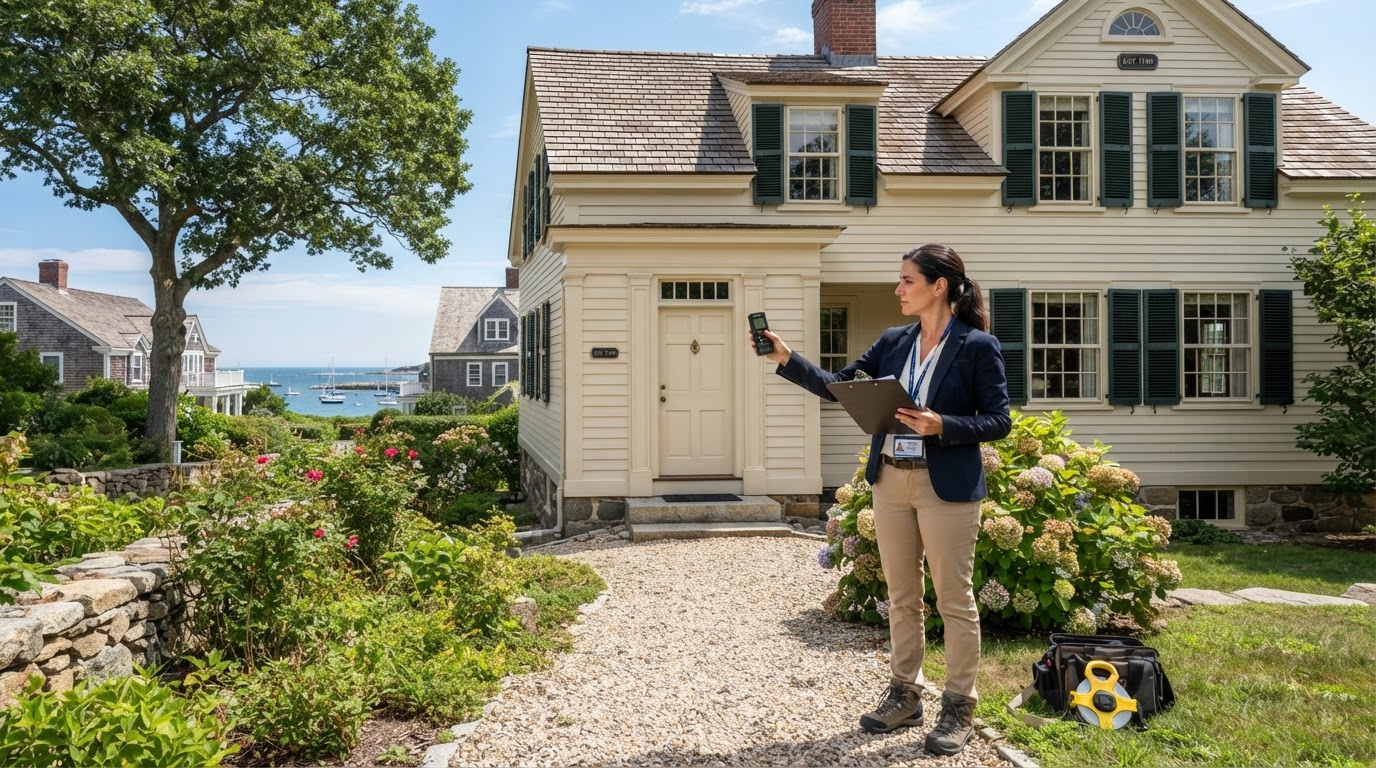
Appraisers are human — they can miss comparable sales, overlook upgrades, or use incorrect data about your property. Your agent can file a reconsideration of value (ROV) with the lender. This is a formal request to review the appraisal based on new information.
To build a strong ROV, your agent should:
- • Identify 3–5 comparable sales the appraiser missed or didn't use — ideally closer, more recent, and more similar to your home.
- • Document upgrades and improvements the appraiser may not have considered — new roof, renovated kitchen, updated systems, etc.
- • Point out any factual errors in the appraisal — wrong square footage, incorrect lot size, or missing features.
- • Submit through the lender's formal ROV process — not directly to the appraiser.
ROVs are most successful when the appraiser used poor comparables or made factual errors. They're less successful when the appraiser's value is defensible, even if you disagree with it. Success rates vary, but a well-documented ROV can result in a revised appraisal that meets or comes closer to the sale price.
Option 2: Negotiate the Gap
If the appraisal stands (or you don't want to challenge it), the next step is negotiation. There are three common outcomes:
Buyer Covers the Gap
The buyer pays the difference in cash. This is most common in competitive markets where the buyer really wants the home and has the funds.
Seller Lowers Price
You reduce the sale price to the appraised value. This keeps the deal alive but means less money in your pocket.
Meet in the Middle
The buyer pays part of the gap and you lower the price by the rest. This is the most common compromise.
Your agent will assess the buyer's motivation, financial capacity, and the likelihood of getting a better offer if this deal falls through. If you have backup offers, you have more leverage. If this is your only offer and the buyer has an appraisal contingency, you may need to compromise to keep the deal alive.
Option 3: Let the Buyer Walk
If the buyer has an appraisal contingency and can't or won't cover the gap, and you're not willing to lower the price, the buyer can walk away and get their earnest money deposit back. This is the worst-case scenario — but it's not always the end. Sometimes the buyer comes back after a day of reflection, or you go back on the market and get a better offer from a cash buyer who doesn't need an appraisal.
How to Prevent a Low Appraisal Before Listing
The best way to handle a low appraisal is to prevent one. Here's how:
- 1. Price based on data, not hope. Your agent should provide a comparative market analysis with recent sold comps. If your list price is 5%+ above the highest comparable sale, you're at risk.
- 2. Prepare an appraisal packet. Include a list of upgrades, before/after photos, permits, and 3–5 comparable sales your agent thinks support the price.
- 3. Have your agent meet the appraiser. Appraisers aren't required to talk to your agent, but many will. Your agent can hand over the appraisal packet and point out features the appraiser might miss.
- 4. Make the home accessible and presentable. A clean, well-maintained home makes a better impression. Make sure all rooms are unlocked and the appraiser can access the basement, attic, and garage.
- 5. Consider an appraisal gap clause. In a competitive market, ask for an appraisal gap coverage clause in the offer — the buyer agrees to cover a specified amount above the appraised value.
Selling Your North Shore Home?
Pricing strategy is the #1 factor in preventing appraisal problems. I'll help you price based on data, prepare an appraisal packet, and negotiate any issues that arise. Let's talk about your sale.
The Bottom Line
A low appraisal is stressful but not fatal. You can challenge it with better data, negotiate the gap with the buyer, or — if necessary — go back on the market. The key is having an agent who knows how to build a strong ROV, negotiate effectively, and price your home correctly from the start. If you're selling on the North Shore, let's make sure your appraisal goes smoothly.