
Living in Swampscott, MA: A Local Guide to Beaches, Commuting & Coastal Living Close to Boston
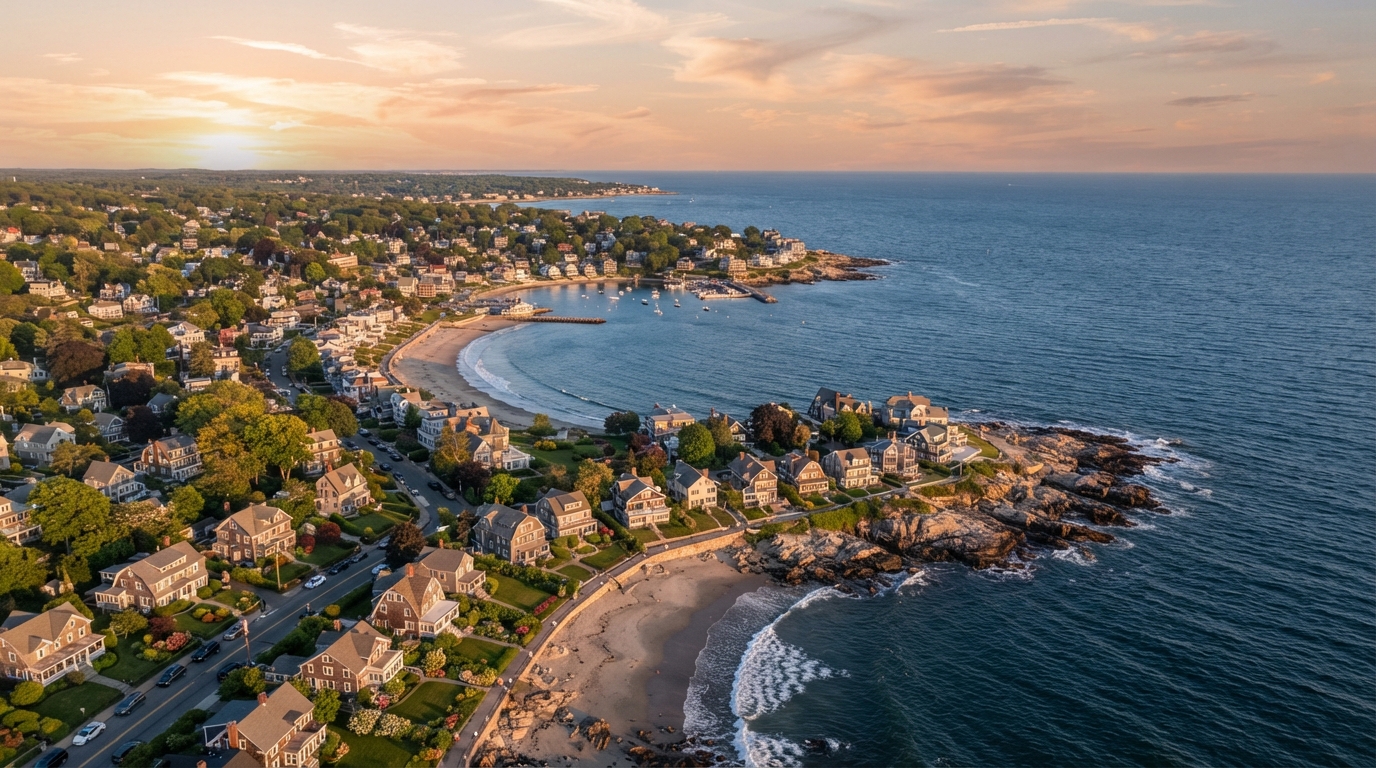
Swampscott is the closest coastal town to Boston on the North Shore. Here is what it is actually like to live there — the beaches, the train, the neighborhoods, the history, and the housing.
Swampscott at a Glance
Swampscott is a coastal town of roughly 14,000 residents located about 12 miles northeast of Boston. It sits on a rocky peninsula extending into Massachusetts Bay, bordered by Lynn to the west, Salem to the north, and Marblehead to the east. What makes Swampscott unusual among North Shore coastal communities is its proximity to Boston combined with direct commuter rail access — making it one of the few towns where you can live on the coast and be at North Station in under 30 minutes.
Swampscott is not a single experience. The waterfront and town center area is walkable and connected to the train. The hill neighborhoods above the shore are more suburban and private. The areas near the Lynn border feel different from the areas near Marblehead. Understanding those differences is the key to understanding Swampscott real estate.
County
Essex County
Distance to Boston
~12 miles
Commuter Rail
Swampscott Station
Train to North Station
~25-30 min
ZIP Code
01907
Government
Town
Schools
Swampscott Public Schools
Coastline
Atlantic Ocean
What Is It Really Like to Live in Swampscott?
Swampscott occupies a unique position on the North Shore. It is close enough to Boston that you can take the train to work and be home at the beach by 5:30. But it still has a distinct coastal identity — rocky shoreline, a working fish pier, ocean views from the hills, and a small-town feel that separates it from neighboring Lynn.
The town does not have a large, bustling downtown like Salem or Newburyport. The commercial area around Monument Avenue and Humphrey Street is compact — a handful of restaurants, shops, and the train station. That smaller scale is part of what draws people. It feels residential first and commercial second.
Summer brings beachgoers and increased traffic along Route 1A. The beaches are smaller than Gloucester's or Salisbury's, but they are real, they are walkable from many neighborhoods, and they are far less crowded than the major North Shore destinations. Winter is quieter. The coastline becomes dramatic and the town settles into a year-round rhythm that has less to do with tourism than many people expect.
One of the practical realities of Swampscott is that the housing stock varies dramatically. You can find oceanfront estates that sell for several million dollars and condominiums within walking distance of the train that are accessible to first-time buyers. That range is wider than many neighboring communities.
Swampscott Neighborhoods & Areas
Swampscott does not have rigidly defined neighborhood boundaries, but it does have clearly different residential environments. Understanding these areas helps explain why two Swampscott addresses can offer very different lifestyles.
Town Center / Monument Avenue Area
The area around Monument Avenue, Humphrey Street, and the train station is the most walkable part of Swampscott. Restaurants, shops, the library, and the commuter rail are all within a short walk. Housing here includes older multifamily homes, condominiums, and some single-family residences. This is where the town feels most connected.
The Waterfront / Fisherman's Beach Area
Along Puritan Road and the coastline, this area includes the Swampscott Fish House, the pier, and some of the town's most visible waterfront. Housing ranges from historic oceanfront estates to condominiums with water views. This area is walkable to the town center and has the strongest coastal identity.
The Hills / Bluff Area
Above the waterfront, the hillside neighborhoods offer ocean views from higher elevation. These areas are more suburban and private, with larger single-family homes and tree-lined streets. The tradeoff is that these neighborhoods are more car-dependent and less walkable to the train and shops.
East Swampscott / Near Marblehead Border
The eastern side of town, closer to Marblehead, tends to be quieter and more residential. Housing includes a mix of mid-century homes, colonials, and some newer construction. This area is convenient to both Swampscott and Marblehead amenities but is not walkable to either downtown.
West Swampscott / Near Lynn Border
The western side of town borders Lynn and includes some of Swampscott's more densely developed areas. Housing here includes multifamily properties and more affordable single-family homes. The proximity to Lynn means this area has a more urban feel than the eastern neighborhoods.
Swampscott Beaches
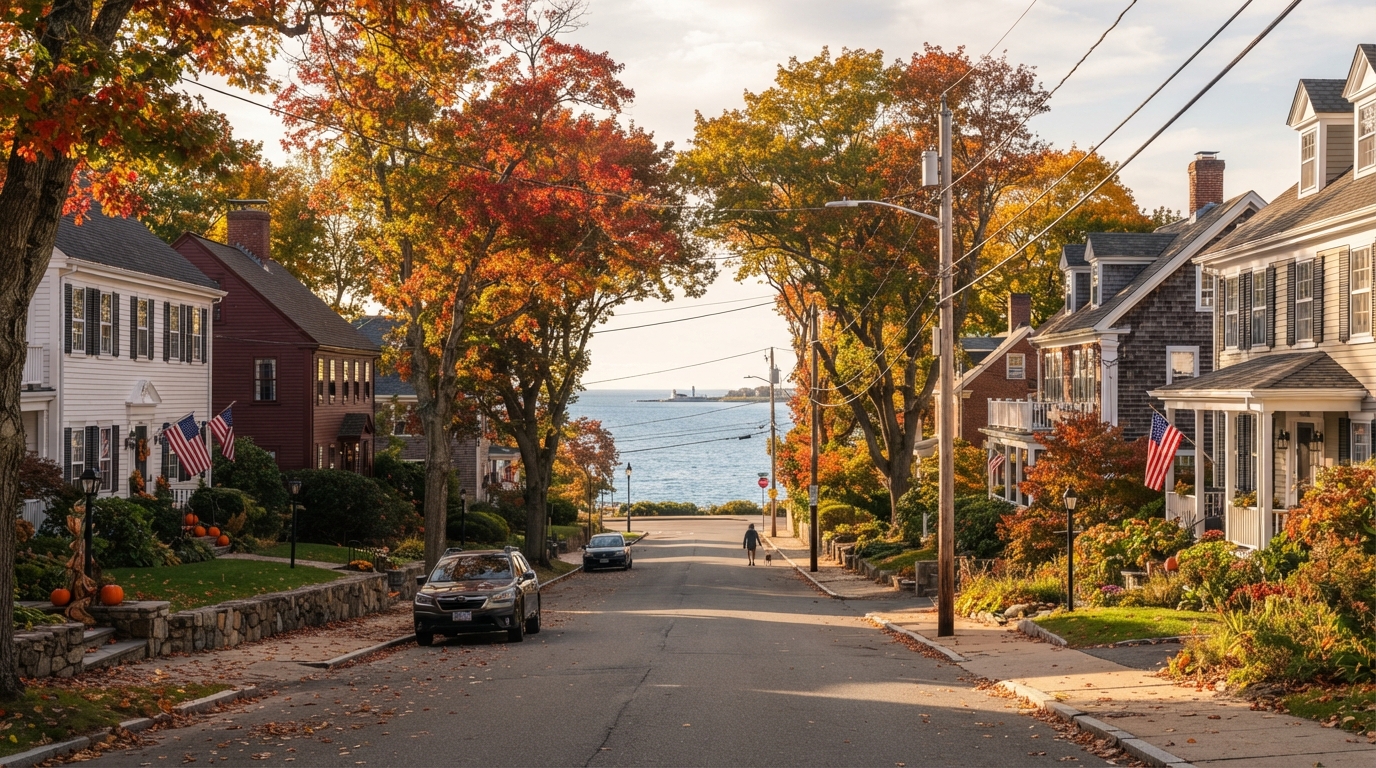
Swampscott has several beaches along its rocky coastline. They are smaller than the major North Shore beaches like Good Harbor or Crane Beach, but they are genuine ocean beaches accessible from town.
Phillips Beach is the largest and most well-known, located near the town center. Whales Beach and Eisman's Beach are smaller and quieter. The beaches are rocky with sandy areas, and the water is cold — typical of the North Shore Atlantic coast.
Beach access note: Beach parking in Swampscott is managed by the town. Resident beach stickers are available, and non-resident parking fees apply during the summer season. Rules and fees can change — always check the Town of Swampscott website for current beach access information before visiting.
The Waterfront & Fish House
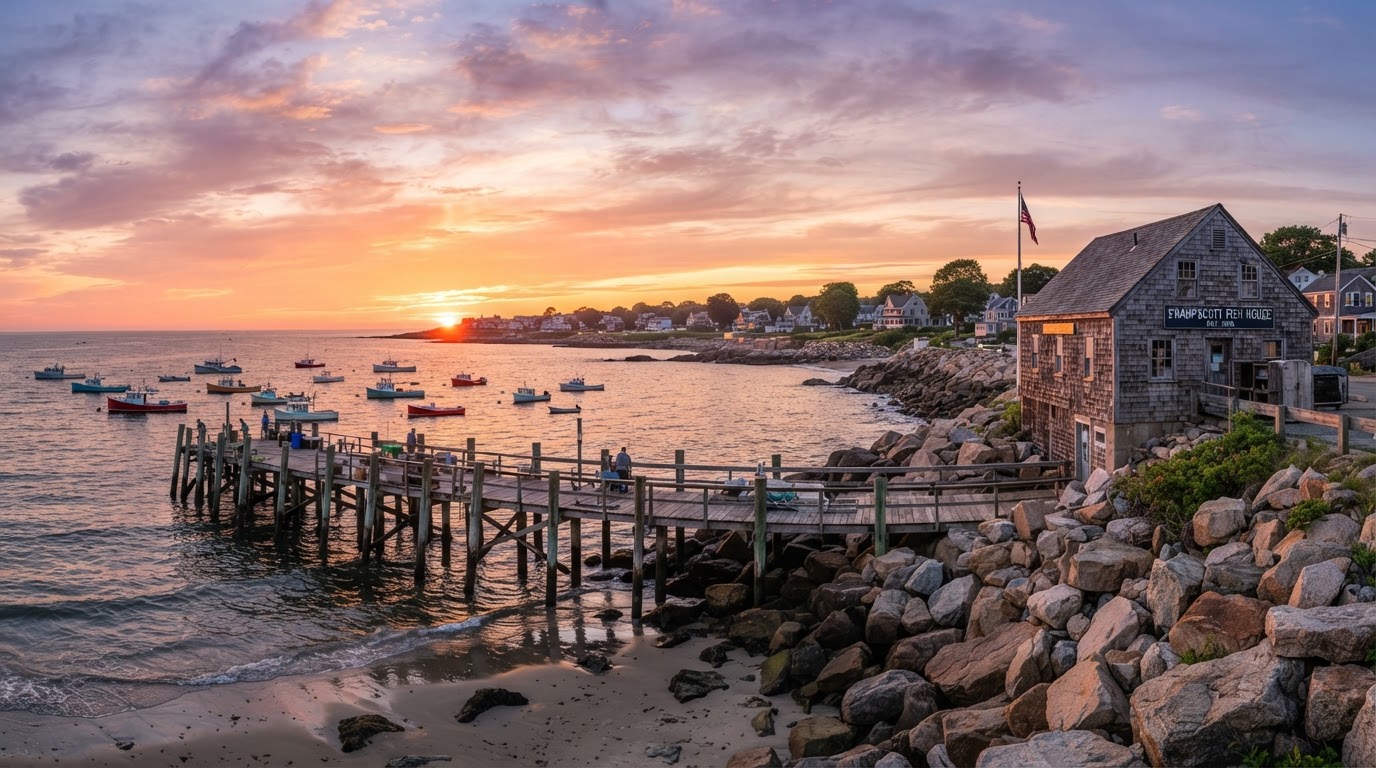
Swampscott's waterfront is one of its most distinctive features. Unlike purely residential coastal areas, Swampscott still has a working fish pier. The Swampscott Fish House, located on the pier, is one of the oldest continuously operating fish houses in the United States. It is a reminder that Swampscott was a fishing community long before it became a commuter town.
The waterfront area around Puritan Road and Fisherman's Beach is where the town's coastal identity is most visible. It is walkable from the town center, and the combination of the pier, the beaches, the ocean views, and the restaurants creates a compact waterfront district that feels more like a small New England fishing village than a suburb of Boston.
Things to Do in Swampscott
Swampscott is not a major tourism destination, and that is part of its appeal. The things to do here are the things residents do — walk the coastline, spend time at the beach, eat at local restaurants, and enjoy the proximity to both Boston and the rest of the North Shore.
- • Walk or relax at Phillips Beach, Whales Beach, or Eisman's Beach
- • Visit the Swampscott Fish House and working pier
- • Walk the coastal path along Puritan Road for ocean views
- • Dine at restaurants along Humphrey Street and Monument Avenue
- • Take the train to Boston for a day trip — you are 25 minutes from North Station
- • Drive 5 minutes to Marblehead for the harbor, Old Town, and Chandler Hovey Park
- • Explore nearby Lynn Woods Reservation, one of the largest municipal parks in the region
Restaurants & Coffee
Swampscott's restaurant scene is compact but solid. The dining options are concentrated along Humphrey Street and near the town center, with a mix of casual spots, Italian restaurants, seafood, and coffee shops. Because Swampscott is small, most restaurants are within walking distance of each other and the train station.
Restaurants change frequently, so I recommend checking current reviews and operating status before visiting. For a larger dining scene, Salem and Marblehead are both a short drive away.
Note: Restaurant information changes often. Always verify current hours and status directly with the establishment before visiting.
Swampscott History
Swampscott was originally part of Lynn and was incorporated as a separate town in 1852. Its early history was tied to fishing — the waters off Swampscott were productive ground for cod and other species. The town's fish pier and Fish House date back to this era.
In the late 19th and early 20th centuries, Swampscott became a summer destination for wealthy Bostonians who built grand estates along the shoreline. Some of these historic homes still exist, contributing to the town's architectural character. The Hotel Preston, once one of the largest resorts on the North Shore, stood on the bluff above the ocean before it was destroyed by fire.
The arrival of the railroad in the 1800s connected Swampscott to Boston and began its transformation from a fishing village to a commuter community. That dual identity — fishing heritage and commuter convenience — still defines the town today.
Getting Around Swampscott
Swampscott is served by Route 1A (which becomes Humphrey Street and Paradise Road through town) and is close to Route 129, which connects to Route 1 and I-95. Driving to Boston takes approximately 25 to 35 minutes depending on traffic. Driving to Logan Airport takes about 20 to 30 minutes.
Walkability depends heavily on where you live. The town center and waterfront areas are walkable — you can get to the train, restaurants, and the beach on foot. The hill neighborhoods and outer residential areas are more car-dependent.
Commuting from Swampscott to Boston
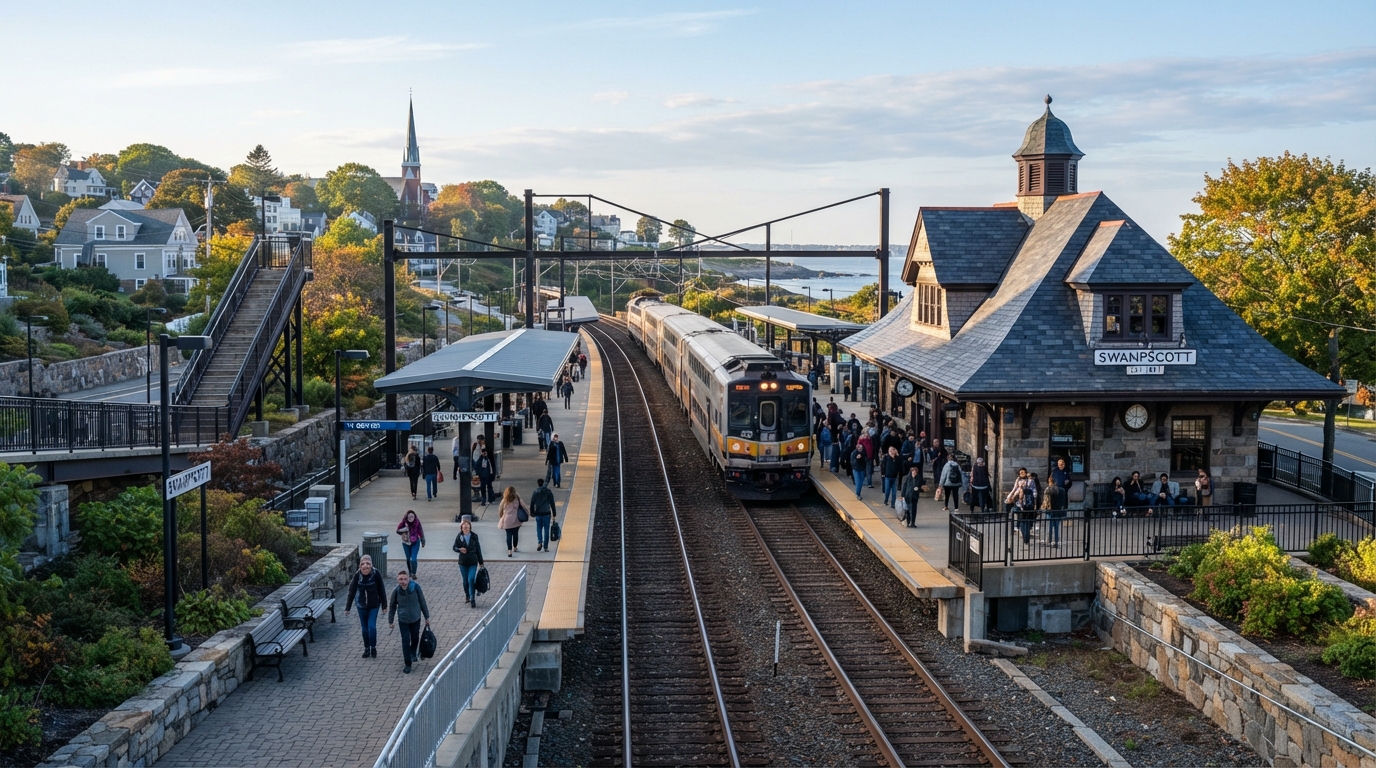
Swampscott has its own MBTA commuter rail station on the Newburyport/Rockport Line. The station is located near the town center, making it walkable from much of the downtown and waterfront area. Trains run to Boston North Station, with a typical trip time of approximately 25 to 30 minutes.
This is one of Swampscott's biggest advantages. It is one of the few North Shore coastal towns with direct commuter rail service. Marblehead, directly to the east, does not have its own station — Marblehead residents often drive to Swampscott to catch the train.
MBTA schedules change. Always check the official MBTA Newburyport/Rockport Line schedule for current train times and service updates.
Homes & Architecture in Swampscott
Swampscott's housing stock is more varied than many people expect. The town includes:
- • Historic oceanfront estates — Grand homes from the late 19th and early 20th centuries, some with direct waterfront
- • Victorian and Colonial homes — Scattered throughout the older neighborhoods near the town center
- • Mid-century suburban homes — Common in the hill neighborhoods and eastern Swampscott
- • Condominiums — Including units within walking distance of the train station
- • multifamily homes — Particularly in the western part of town near the Lynn border
- • Newer construction — Limited but present, including some infill and renovation projects
Swampscott is not one housing market. A waterfront estate and a condo near the train station are both "Swampscott," but they serve completely different buyers. Location within town — proximity to the train, proximity to the water, walkability, and neighborhood character — matters enormously.
Buying a Home in Swampscott
If you are considering buying in Swampscott, here are some property-specific considerations that may come up:
- • Coastal exposure: Properties near the water may involve flood zone considerations, insurance requirements, and exposure to coastal weather
- • Older housing stock: Many homes were built before 1950 — inspect electrical, plumbing, and structural systems carefully
- • Train proximity: Homes near the station are convenient for commuting but may have noise considerations
- • multifamily properties: If you are considering a two- or three-family home, understand rental regulations and tenant considerations
- • Parking: Some older homes near the town center have limited parking
- • Walkability: Consider whether you want to walk to the train and shops or prefer a more private, car-dependent setting
These are not issues that apply to every Swampscott property. They depend on the individual home and location. Each property requires its own evaluation.
Explore Swampscott Homes for SaleSelling a Home in Swampscott
Pricing and marketing a Swampscott property depends heavily on understanding the micro-location. A waterfront home near the Fish House should not be marketed the same way as a hillside colonial with ocean views, and neither should be compared automatically with a condo near the train station.
Factors that influence positioning include proximity to the water, ocean views, walkability to the train, lot size, architectural character, condition, renovations, and the competing inventory at that price point and in that neighborhood.
I have been working in North Shore real estate since 2003. If you own a home in Swampscott and are thinking about selling, I am happy to talk through what your specific property's positioning should look like — no pressure, just a conversation.
Find Out What Your Swampscott Home Is WorthKathleen's Swampscott Perspective
Swampscott is easy to overlook if you are focused on the bigger North Shore names like Marblehead, Salem, or Gloucester. But for buyers who want coastal living with a real commute to Boston, it is hard to beat. The train station, the waterfront, the range of housing prices, and the 12-mile distance to the city create a combination that does not exist everywhere on the North Shore.
The key is understanding which Swampscott you are buying into — the walkable waterfront, the hill neighborhoods with views, the suburban east side, or the denser west side near Lynn. Each one is a different decision.
Questions People Actually Ask About Swampscott
Official Swampscott Resources
Have a Question About Swampscott?
Swampscott is compact, but the lifestyle changes depending on whether you are near the water, the train, or the hills. If you are trying to understand a particular area or property, I am always happy to talk.
Connect With Kathleen