
Condo Buying Changes in Massachusetts: What Changed, When It Started & What It Means for You
Buying a condo on Boston's North Shore used to be straightforward. You found a unit you liked, made an offer, got a mortgage, and closed.
That changed after the 2021 Surfside condominium collapse in Florida. Lenders, regulators, and Massachusetts lawmakers all tightened the rules — and those changes are now fully in effect for every condo transaction in 2026.
If you are buying or selling a condo in Beverly, Salem, Gloucester, Newburyport, or anywhere on the North Shore, here is what you need to know — in plain English.
The Short Version
- ✓Lenders now require detailed structural and financial reviews of the entire condo association — not just your unit.
- ✓Associations must set aside at least 10% of their budget for reserves, or conventional loans get denied.
- ✓Deferred maintenance, pending lawsuits, or inadequate insurance can make a building unfinanceable.
- ✓Massachusetts requires a 6(d) certificate proving the seller owes zero back dues before closing.
Implementation Dates: What Changed and When
Here is a simple timeline of the major changes, when they took effect, and what they mean for you right now.
Emergency Lender Guidelines Issued
After the Champlain Towers South collapse in Surfside, Florida, Fannie Mae and Freddie Mac issued emergency bulletins requiring lenders to verify that condo buildings had no major deferred maintenance, structural issues, or pending special assessments. These were temporary but immediately changed what lenders would approve.
Permanent Condo Questionnaires Required
Fannie Mae (Form 1076) and Freddie Mac (Form 476) made the temporary guidelines permanent. Every conventional loan now requires a completed condo questionnaire answered by the HOA board or property manager. This document covers reserve funding, structural condition, insurance, pending litigation, and single-entity ownership concentration.
Insurance & Reserve Enforcement Tightened
Lenders began strictly enforcing master insurance deductible caps (typically $10,000–$25,000 maximum). Associations with underfunded reserves or inadequate insurance coverage started seeing loan denials across the North Shore. Buildings with coastal exposure faced the highest scrutiny.
Full Enforcement — These Are the Rules Now
All of the above changes are now standard. Every condo transaction must satisfy these requirements. There is no grandfather clause. If you are buying or selling a condo today, these rules apply to you.

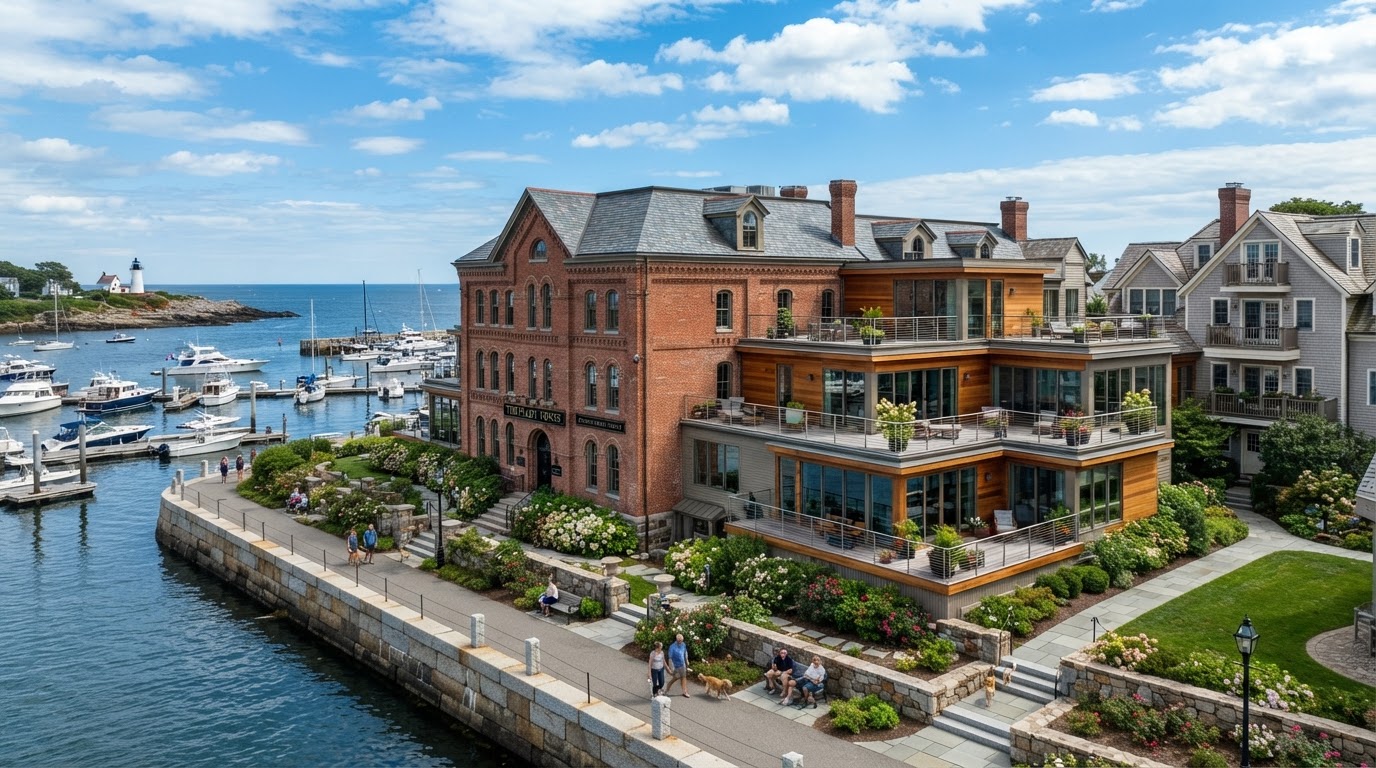
Interior upgrades attract buyers, but lender approval depends on the structural health and financial documents of the entire association.
The 4 Rules That Affect Every Condo Transaction
1. The 10% Reserve Rule
In effect since mid-2023
At least 10% of the association's annual operating budget must go into a dedicated reserve fund for future repairs. If the association collects $100,000 per year in dues, at least $10,000 must go to reserves. If this threshold is not met, conventional loans for units in that building will be denied.
2. Zero Tolerance for Deferred Maintenance
In effect since late 2021
If board meeting minutes, engineering reports, or the condo questionnaire reveal unaddressed structural problems — roof issues, spalling concrete, rotting balconies, water intrusion, failing seawalls — the lender flags the entire building as "Ineligible." Buyers in ineligible buildings must pay all-cash or use portfolio loans requiring 20–30% down.
3. The Massachusetts 6(d) Certificate
Massachusetts law — always required
Under Massachusetts General Laws Chapter 183A, Section 6(d), the seller must provide a signed 6(d) Certificate at closing. This document certifies the seller owes zero back dues or unpaid special assessments. Without a clean 6(d) certificate, the registry of deeds will not record the sale.
4. Single-Entity Ownership Caps
In effect since mid-2023
To prevent investor concentration, no single investor may own more than 20% of units in buildings with 21+ units. In smaller buildings (5–20 units), a single entity is typically capped at 2 units. If this cap is exceeded, conventional financing is unavailable for remaining units.

Well-managed associations with professional Reserve Studies and clear documentation command top dollar and smooth mortgage approvals.
What This Means for Buyers
Before making an offer, ask your agent to request the condo documents package: the association budget, reserve study, master insurance policy, and recent board meeting minutes. These documents tell you whether the building is financeable and whether you should expect special assessments.
A low monthly condo fee is not always a good sign. It may mean the association is underfunding reserves — which can lead to a loan denial or a surprise special assessment after you buy.
What This Means for Sellers
Before listing your condo, gather the condo questionnaire, master insurance binder, budget, and meeting minutes. If your association has deferred maintenance or underfunded reserves, buyers' lenders may deny financing — killing your deal weeks before closing.
Proactively ordering the 6(d) certificate and condo documents before listing prevents delays and shows buyers you are prepared.
A Realtor's Take
Condo transactions today require double the upfront preparation compared to a decade ago. It is no longer enough to look at the quartz counters and marble bathroom — we must examine the HOA balance sheet, reserve study, and master insurance policy before making or accepting an offer.
When I list a condo for a seller, we order the condo questionnaire, master insurance binder, budget, and meeting minutes before hitting the market. For my buyers, we review association reserves early during the offer contingency period so you never get surprised by lender denials or unexpected special assessments. For more on budgeting monthly ownership costs, read our guide on Understanding North Shore Condo Fees and Reserve Studies.
Frequently Asked Questions
When did the new Fannie Mae and Freddie Mac condo rules take effect?
Temporary guidelines were issued in late 2021 after the Surfside collapse. Permanent rules (Fannie Mae Form 1076 / Freddie Mac Form 476) were fully implemented in mid-2023 and remain strictly enforced in 2026.
What is a 6(d) certificate in Massachusetts?
Under M.G.L. c. 183A § 6(d), it is a legal document from the condo board certifying the seller owes zero back dues or special assessments. You cannot close without one.
Why are lenders denying loans on older condo buildings?
If an association has deferred structural repairs or pending litigation, lenders classify the building as "Ineligible" for conventional financing. Buyers must then pay all-cash or use portfolio loans with 20–30% down.
How does a Reserve Study affect my monthly fee?
A Reserve Study projects capital repair costs over 20–30 years. Healthy associations increase monthly dues 3–8% annually to build reserves that satisfy lender standards and avoid surprise special assessments.
What is the 10% reserve contribution rule?
At least 10% of the association's annual budget must go into a capital reserve fund. If this threshold is not met, conventional loans for units in that building cannot be approved.
Can one investor buy too many units in a condo building?
Yes. Fannie Mae and Freddie Mac cap single-entity ownership at 20% in buildings with 21+ units, and typically 2 units in smaller 5–20 unit buildings. Exceeding this cap blocks conventional financing for remaining units.
Final Thoughts
These rules add steps to the condo buying and selling process, but they exist to protect owners from catastrophic building failures and surprise costs. Understanding them before you start means a smoother transaction.
If you have questions about buying or selling a condo on Boston's North Shore, reach out. I am happy to walk you through the documents, the timeline, and what to expect.

About the Author
Kathleen Militello is a REALTOR® with Coastal Homes & Living and an AI Certified Agent™ with eXp Realty. She has guided buyers and sellers across Beverly, Essex, Gloucester, Ipswich, Lynn, Manchester-by-the-Sea, Newbury, Newburyport, Rockport, Salem, and Salisbury since 2003.
Navigating a Condo Sale or Purchase?
Connect with Kathleen Militello for experienced guidance, document reviews, and strategic representation across Boston's North Shore.