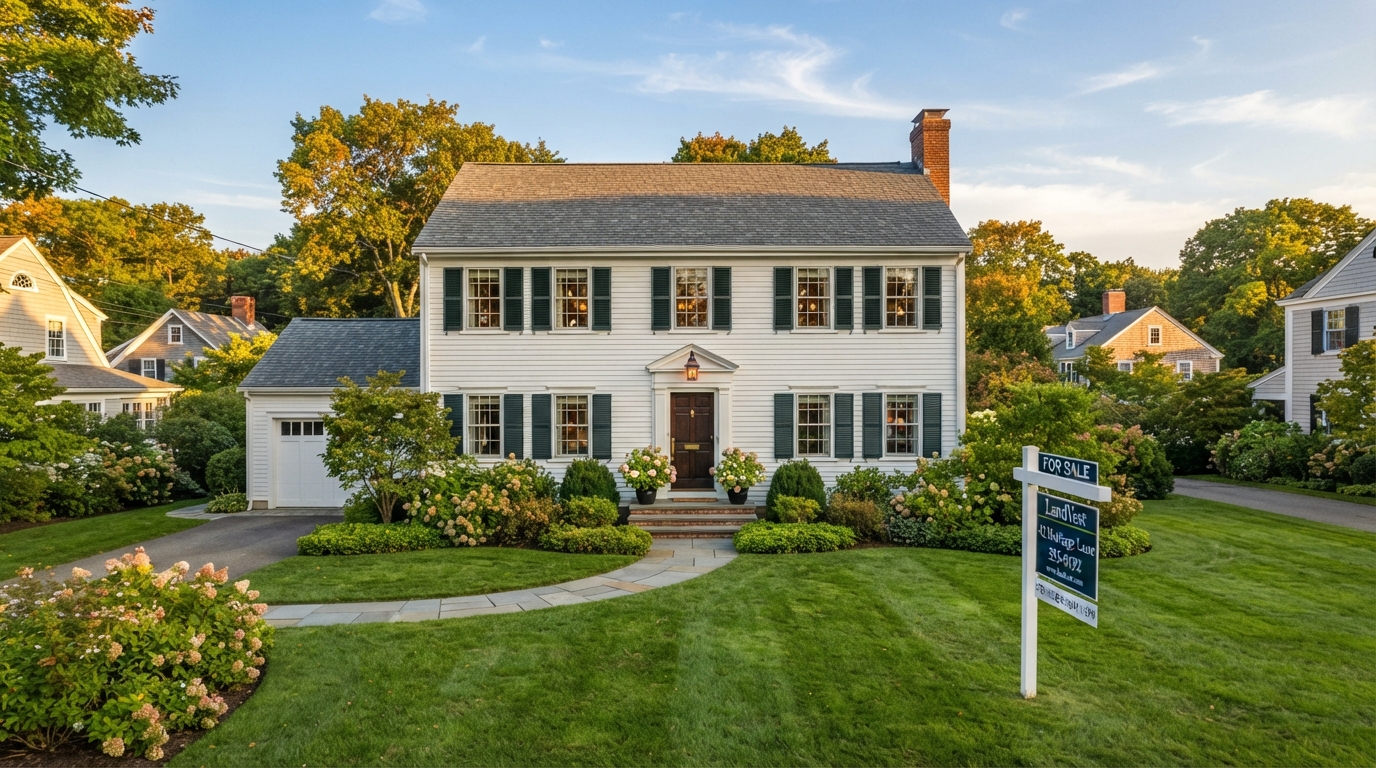
What Is Title Insurance in Massachusetts? What North Shore Buyers Need to Know
Every buyer pays for it, almost nobody understands it. Here's what title insurance actually covers, how much it costs in Massachusetts, and why your attorney recommends it.
Kathleen Militello
REALTOR®, eXp Realty · North Shore Coastal Homes & Living
If you've ever bought a home in Massachusetts, you paid for title insurance at closing. If you're buying one now, you will too. But if I asked ten buyers to explain what title insurance actually covers, most would guess — and most would get it wrong.
That's not a knock on buyers. Title insurance is one of the least understood costs in a real estate transaction, and the closing table is not the ideal place to learn about it for the first time. So let's fix that now.
What Is Title Insurance, Exactly?
Title insurance protects you against defects in the property's title — legal ownership of the home — that existed before you bought it but were not discovered during the title search. If someone comes forward after closing with a legitimate claim to your property, title insurance pays to defend your ownership and covers any financial loss.
Think of it this way: homeowners insurance protects against future damage to your home. Title insurance protects against past problems with the chain of ownership. Both are important, but they cover completely different risks.
The Two Types of Title Insurance
In Massachusetts, there are two types of title insurance, and most buyers purchase both at closing:
Lender's Title Insurance
Required by virtually every mortgage lender. Protects the bank's financial interest in the property up to the loan amount. The coverage decreases as you pay down your mortgage. You pay for it, but the lender is the beneficiary.
Owner's Title Insurance
Optional but strongly recommended. Protects your equity and right to the property up to the full purchase price. The coverage stays at the purchase price for as long as you own the home. One-time payment, no renewals.
The key distinction: The lender's policy protects the bank. The owner's policy protects you. If a title defect wipes out your ownership claim, the lender's policy repays the bank — but without an owner's policy, you could lose your entire investment and still owe the mortgage.
What Title Insurance Actually Covers
Title insurance covers hidden defects in the chain of title that existed before your purchase but were not discovered during the title search. Common covered risks include:
What title insurance does NOT cover
Title insurance does not cover issues that arise after you take ownership — new liens you create, unpaid property taxes during your ownership, or boundary disputes caused by your own actions. It also does not cover environmental hazards, zoning violations, or physical damage to the property.
How Much Does Title Insurance Cost in Massachusetts?
Unlike most insurance, title insurance in Massachusetts is a one-time premium paid at closing. There are no monthly or annual payments. One payment covers you for as long as you own the home.
Rates are regulated and based on the property's purchase price (for owner's coverage) or loan amount (for lender's coverage). Here's what North Shore buyers typically pay:
| Home Price | Lender's Policy | Owner's Policy | Total at Closing |
|---|---|---|---|
| $400,000 | $1,200–$1,500 | $1,500–$1,800 | $2,700–$3,300 |
| $600,000 | $1,800–$2,200 | $2,200–$2,800 | $4,000–$5,000 |
| $800,000 | $2,400–$2,900 | $2,900–$3,500 | $5,300–$6,400 |
| $1,200,000 | $3,600–$4,300 | $4,300–$5,200 | $7,900–$9,500 |
Rates are estimates based on regulated Massachusetts title insurance premiums. Actual costs vary by title company and policy endorsements.
The Title Search: What Happens Before Closing
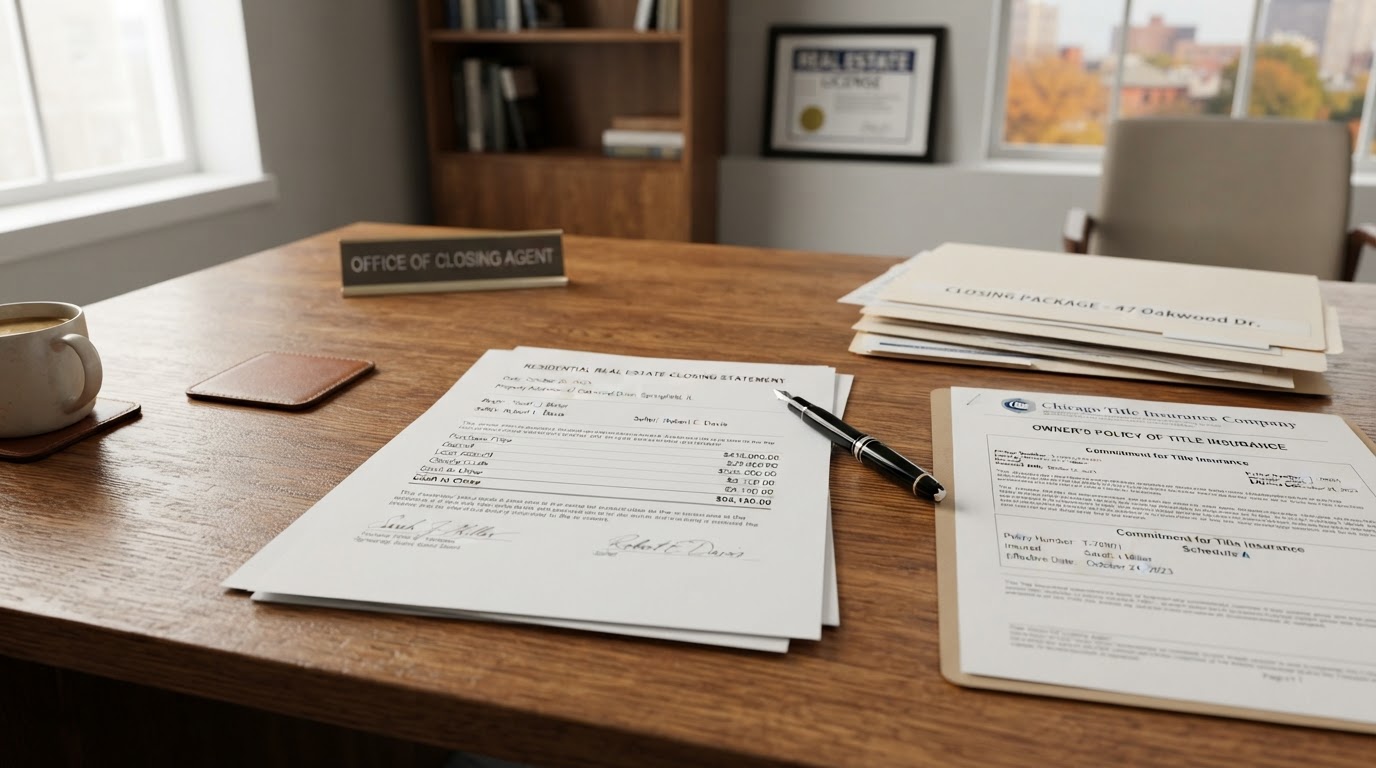
Before title insurance is issued, your real estate attorney orders a title search. This involves examining public records at the Essex County Registry of Deeds (or the relevant county) to trace the chain of ownership back — typically 50 years or more — and identify any liens, encumbrances, or defects.
The title search looks for:
- Proper recording of every deed transfer in the property's history
- Outstanding mortgages or liens that need to be discharged at closing
- Tax liens, mechanic's liens, or judgment liens against previous owners
- Easements, rights-of-way, and restrictive covenants
- Probate records if a previous owner died and the property passed through an estate
If the title search reveals defects, your attorney works to clear them before closing. But even the most thorough title search cannot detect every hidden risk — forged documents, undisclosed heirs, or clerical errors that don't appear in public records. That's where title insurance steps in.
Why Title Insurance Matters on the North Shore
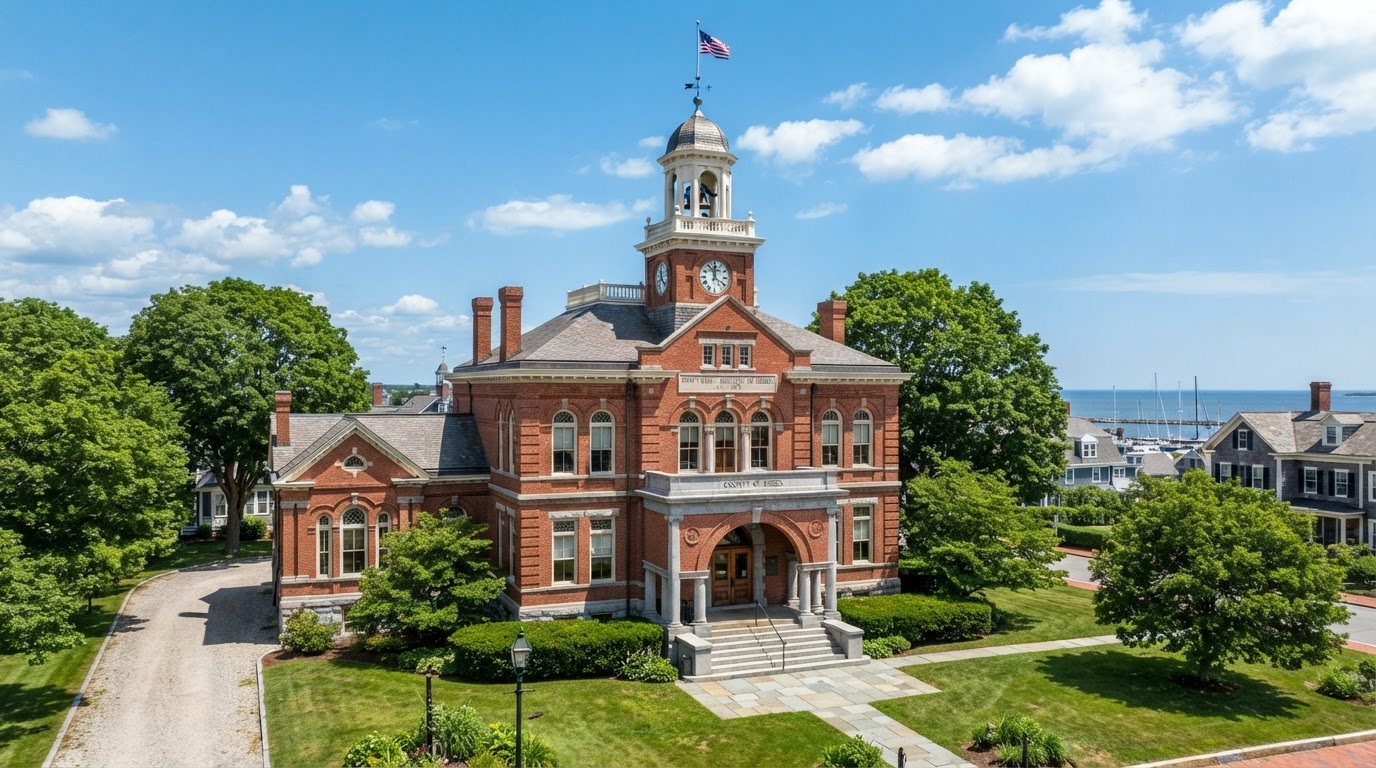
The North Shore has some of the oldest housing stock in the country. Many homes in Gloucester, Salem, Ipswich, and Newburyport have been owned by multiple families over 200+ years. That long chain of ownership means more opportunities for title defects — old easements that were never properly recorded, estate transfers that bypassed probate, or liens from decades ago that were never discharged.
I've seen cases where a property was sold, and two years later a previously unknown heir to a prior owner surfaced with a claim. Without owner's title insurance, the current homeowner would have had to hire an attorney and fight the claim at their own expense — potentially losing the property entirely. With title insurance, the title company handled the legal defense and the claim was resolved.
Who Chooses the Title Insurance Company?
In Massachusetts, your real estate attorney typically orders the title search and coordinates the title insurance. The attorney works with a title company to examine the records, issue a title commitment, and clear any defects before closing.
You have the right to ask your attorney which title company they're using and why. You can also request a copy of the title commitment before closing — it will list any exceptions or exclusions to your coverage. Read it. If something doesn't make sense, ask your attorney to explain it.
Reading the Title Commitment: What to Watch For
Before closing, you'll receive a title commitment — a document that outlines what the title insurance policy will and will not cover. Key sections to review:
- Schedule A: Confirms the current owner, the legal description of the property, and the amount of coverage.
- Schedule B — Exceptions: Lists specific items that are excluded from coverage, such as existing easements, restrictive covenants, or recorded agreements.
- Schedule B — Requirements: Lists what must be done before the policy is issued, such as discharging an existing mortgage or recording a new deed.
If Schedule B lists an easement you didn't know about — say, a utility company's right to access part of your yard — that's important information before you close. Your attorney can explain how it affects your use of the property.
Do You Really Need Owner's Title Insurance?
You're not legally required to buy an owner's policy. But here's how I think about it: for a one-time payment of roughly $2,000–$3,000 on a typical North Shore home, you're protecting an investment of $500,000, $800,000, or more. If a title defect surfaces — even one from 50 years ago — the policy pays for your legal defense and any financial loss.
Without it, you're self-insuring. If someone successfully challenges your title, you could lose your home and your equity — and still owe the mortgage. That's a risk most buyers shouldn't take.
The Bottom Line
Title insurance is a one-time cost that protects the largest investment most people will ever make. The lender's policy is required. The owner's policy is optional but strongly recommended. Ask your attorney to explain your title commitment before closing — and make sure you understand what's covered and what's excluded.
Questions About Title Insurance or Closing?
I work with experienced real estate attorneys across the North Shore who can walk you through every line of your title commitment. Let's make sure you're protected.
Frequently Asked Questions
Kathleen Militello
Kathleen Militello is a REALTOR® with eXp Realty serving Boston's North Shore and Essex County. With over 20 years of experience, she specializes in coastal homes, historic properties, and helping families navigate every step of the buying and selling process — including the details most agents skip, like title insurance.