What Is an Earnest Money Deposit?
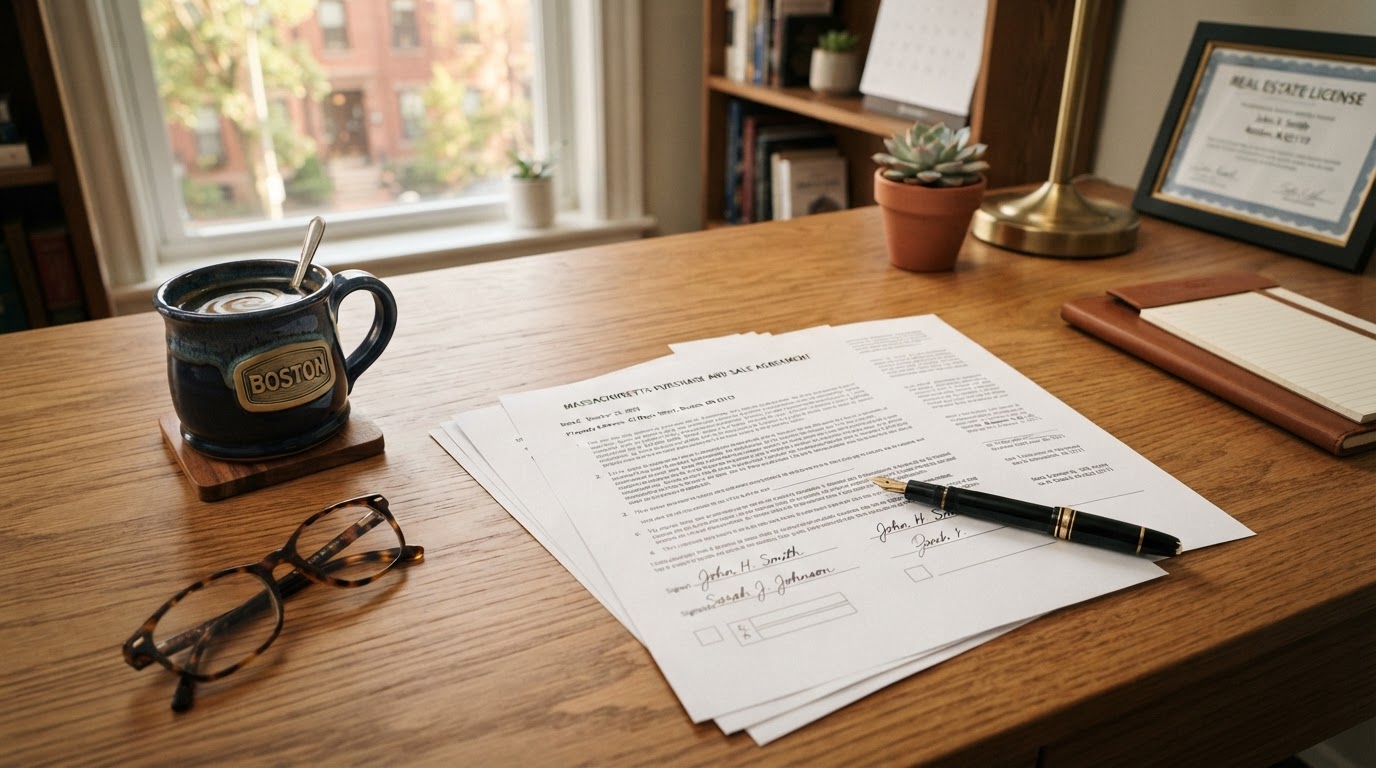
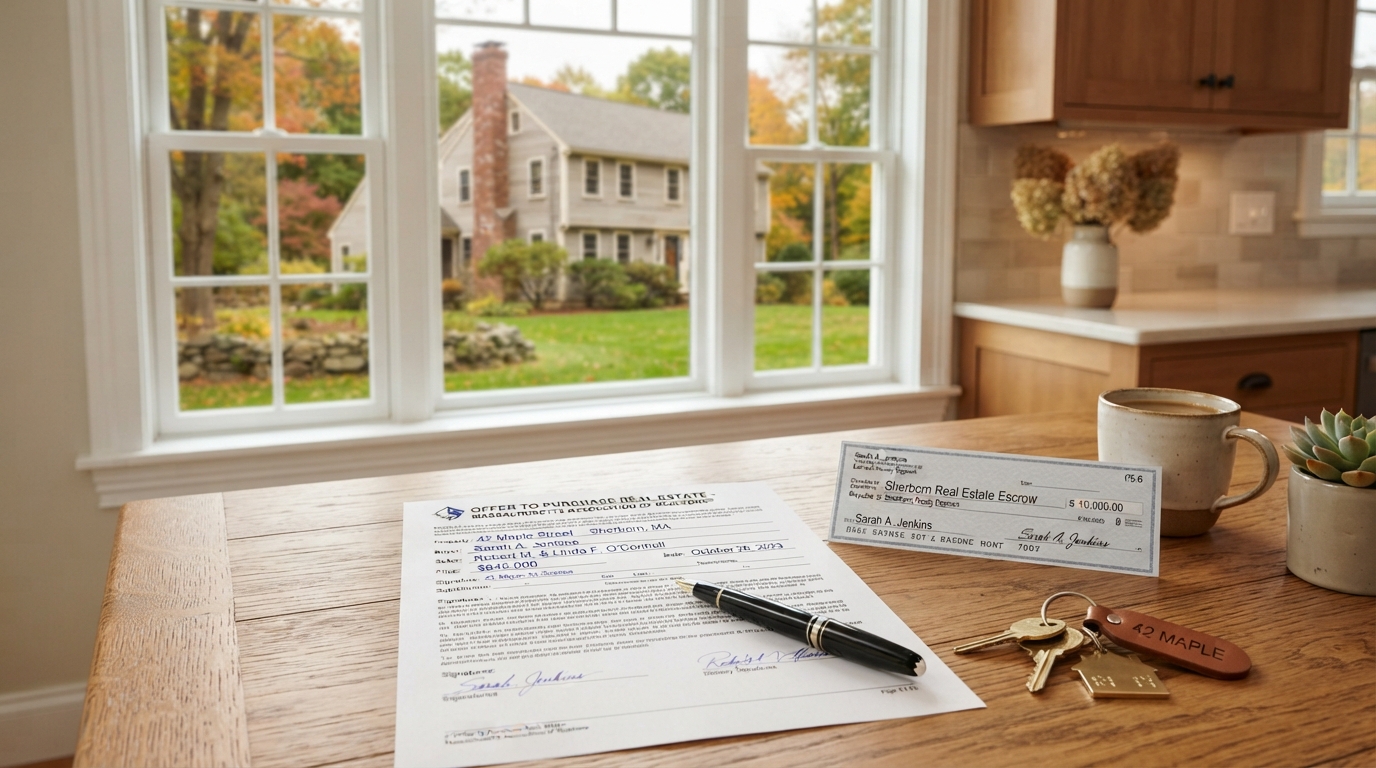
An earnest money deposit (sometimes called a "good faith deposit") is money you put down when you make an offer on a home. It tells the seller: I am serious about buying this property, and I am willing to put my money where my mouth is.
In a competitive market like the North Shore, the earnest money deposit is one of several signals that make your offer stronger. A larger deposit can sometimes tip the scales in your favor when a seller is comparing multiple offers. But it also means more of your money is at risk if something goes wrong — which is why understanding the rules matters before you write the check.
How Much Earnest Money Do You Need in Massachusetts?
Massachusetts does not have a law that sets a minimum earnest money amount. The deposit is negotiable between the buyer and seller. However, there are two common deposits in a typical Massachusetts transaction:
Offer Deposit
Paid when your offer is accepted. Usually $1,000 to $5,000. This holds the property during the inspection period and shows the seller you are committed.
P&S Deposit
Paid when you sign the Purchase and Sale Agreement. Usually 3 to 5 percent of the purchase price. This is the larger, binding deposit.
For example, on a $600,000 home in Beverly, a typical structure might be: a $2,000 offer deposit, then a $18,000–$30,000 P&S deposit (3–5% of $600,000). The total earnest money at closing would be $20,000–$32,000, applied as a credit toward your purchase.
Who Holds the Earnest Money?
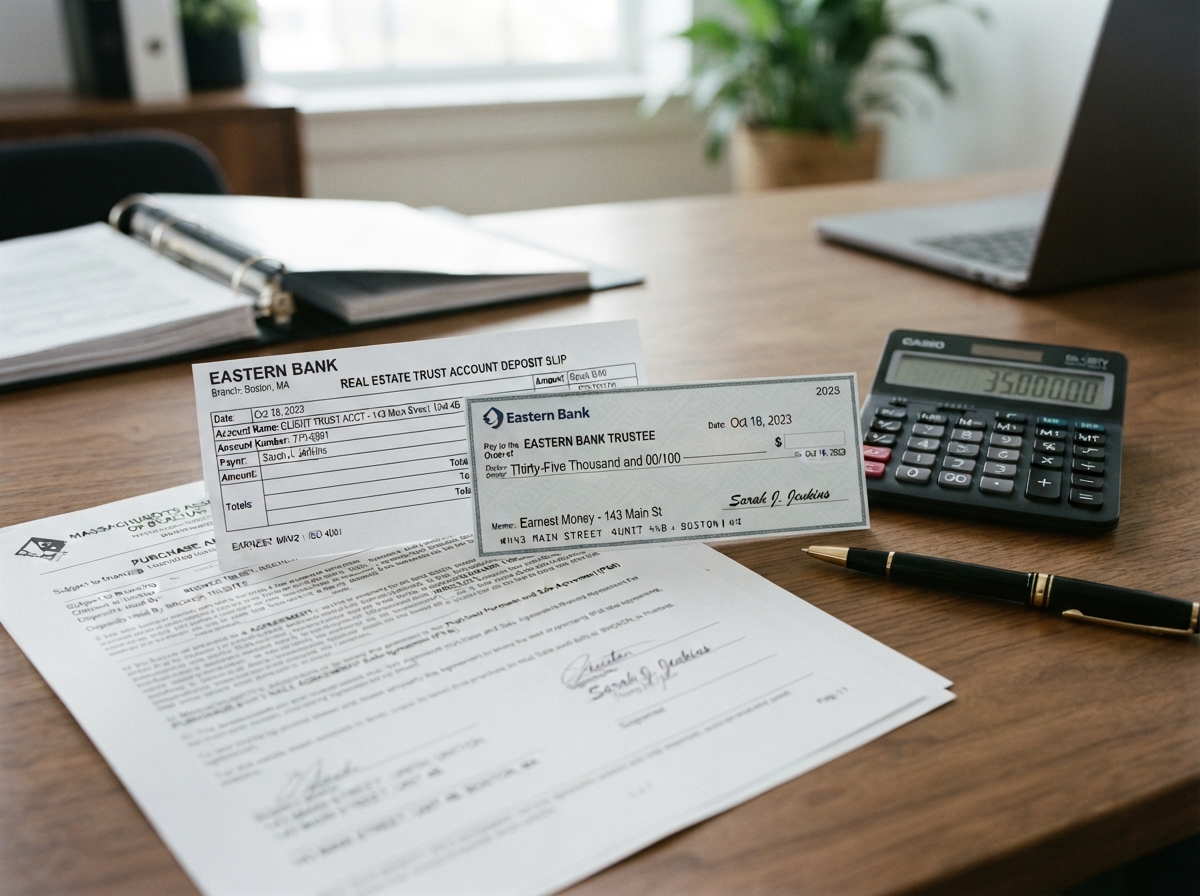
This is one of the most important things to understand: the earnest money is never given directly to the seller. It is held in an escrow account by a neutral third party. In Massachusetts, that is typically:
- The listing broker's escrow account, or
- The seller's attorney's client trust account (IOLTA)
The funds sit in this escrow account until one of two things happens: you close on the home (and the money is applied as a credit), or the deal falls apart (and the money is either returned to you or released to the seller, depending on the circumstances).
Important: Never Pay the Seller Directly
If anyone asks you to write the earnest money check directly to the seller — not the broker or attorney — that is a red flag. In Massachusetts, earnest money must be held in a regulated escrow account. Paying the seller directly puts your money at risk with no protections.
When Is Your Earnest Money Refundable?
Your earnest money is refundable if you terminate the transaction under a valid contingency. Most Massachusetts offers include several contingencies that protect your deposit:
Home Inspection Contingency
If the inspection reveals problems and you terminate within the contingency period, your deposit is refunded. You must provide written notice and a copy of the inspection report.
Mortgage / Financing Contingency
If you cannot secure a mortgage commitment by the deadline specified in the P&S, you can terminate and get your deposit back. You must show that you made a good-faith effort to obtain financing.
Radon / Water Quality Contingency
Common on North Shore homes with private wells. If radon levels exceed the EPA action level or water quality fails, you can terminate and recover your deposit.
Title Contingency
If the title search reveals defects that cannot be cured, you can terminate and your deposit is refunded.
Pest / Termite Inspection
If active termite infestation or structural pest damage is found and the seller refuses to treat or repair, you can walk away with your deposit.
When Can the Seller Keep Your Deposit?
The seller can keep your earnest money if you default on the Purchase and Sale Agreement without a valid contingency. This typically happens when:
- You waive your contingencies (or they expire) and then fail to close
- You change your mind about buying the home for a reason not covered by a contingency
- You cannot come up with the funds at closing and you waived the financing contingency
- You refuse to close because you found a different home you prefer
If you default, the seller can either keep the earnest money as liquidated damages (if the P&S includes this clause) or sue for specific performance to force the sale. Most P&S agreements include a liquidated damages clause, which means the seller keeps the deposit and the matter ends — they cannot sue for the full purchase price.
Read Before You Sign
The P&S Agreement is the binding contract. Once you sign it and your contingencies expire, your earnest money is at risk. Never sign a P&S without understanding exactly which contingencies protect your deposit and when they expire. Read our P&S guide first.

What Happens to the Deposit at Closing?
If everything goes smoothly and you close on the home, the earnest money is applied as a credit toward your purchase. It reduces the amount of cash you need to bring to closing.
For example, if your total closing costs and down payment come to $50,000, and you deposited $10,000 in earnest money, you would bring $40,000 to closing. The deposit is not an additional cost — it is part of your purchase price, paid early to show good faith.
How to Protect Your Earnest Money Deposit
Here are the practical steps every North Shore buyer should take to protect their deposit:
- Include all necessary contingencies in your offer — inspection, financing, and any town-specific needs like radon or water quality.
- Know your contingency deadlines and act before they expire. Once a contingency period passes, you lose that protection.
- Get pre-approved before making an offer so you know your financing is solid. Get pre-approved here.
- Read the P&S before signing — or better yet, have a Massachusetts real estate attorney review it.
- Keep records of everything — inspection reports, mortgage correspondence, and all written notices.
- Do not waive contingencies unless you understand the risk. In a competitive situation, waiving contingencies can make your offer stronger, but it puts your deposit at risk.
What If the Seller Defaults?
If the seller defaults — for example, they decide they do not want to sell, or they cannot deliver clear title — you are entitled to a full refund of your earnest money. You may also have the right to sue for specific performance (forcing the seller to complete the sale) or seek damages. This is less common but it does happen, particularly in estate sales or divorce situations where one party changes their mind.

Kathleen's Take
I have seen buyers lose deposits because they did not understand their contingency deadlines. The most common mistake is letting the inspection contingency expire without making a decision. If the inspection period ends and you have not terminated in writing, you have lost that protection — even if you later discover a problem. Write your deadlines on a calendar the day your offer is accepted, and act before they expire. When in doubt, ask. I would rather answer ten questions about your deposit than watch you lose it.
Related Reading
Have questions about your earnest money deposit?