Finished Basement Value on the North Shore: What Buyers and Sellers Need to Know
A finished basement can be a genuine bonus — extra living space for a growing household — or a hidden source of moisture, permit, and square-footage confusion. Here's how to tell the difference.
The Short Version
- •A finished basement returns 60–70% of cost — useful living space, but rarely a full cost recovery at sale.
- •Walkout basements add the most value — natural light and direct access make them feel like real living space.
- •Moisture is the #1 concern. A damp finished basement is a liability, not an asset — inspect carefully.
- •Egress determines bedrooms. A basement room without a legal egress window is a den, not a bedroom.
- •Permits matter. Unpermitted finish work is a disclosure issue that can complicate your sale.
The Finished Basement: Bonus Space or Hidden Liability?
A finished basement is one of the most common "bonus" features in North Shore homes — and one of the most misunderstood. For a growing household, a finished lower level can mean a playroom, a home office, a guest suite, or a teen retreat. For sellers, it can broaden the pool of interested buyers. But finished basements also come with questions that above-grade space doesn't: moisture, ceiling height, egress, permits, and how the square footage is counted.
Whether you're buying or selling, understanding what a finished basement is really worth — and what to watch for — helps you make a smarter decision and avoid expensive surprises.
What a Finished Basement Is Actually Worth
National remodeling data consistently shows that finishing a basement returns roughly 60–70% of the project cost at resale. So a $30,000 basement finish might add $18,000–$21,000 in value. That makes it a mid-ROI improvement — better than a luxury kitchen gut, but not as strong as a minor kitchen refresh or curb appeal work. See our home improvements that increase value guide for the full ranking.
The value isn't only in the price, though. A finished basement can help a home sell faster by appealing to buyers who need flexible space — and on the North Shore, where many homes are older and smaller than what move-up buyers are coming from, that extra usable area can be a real differentiator.
Walkout vs. Standard vs. Lookout Basements
Not all basements are created equal. The type affects value significantly:
- Standard finished basement: Below grade, limited natural light, accessed by stairs from the main level. Moderate value — useful space but clearly "basement."
- Lookout basement: Windows set in window wells above grade, offering some natural light. More appealing than a standard basement.
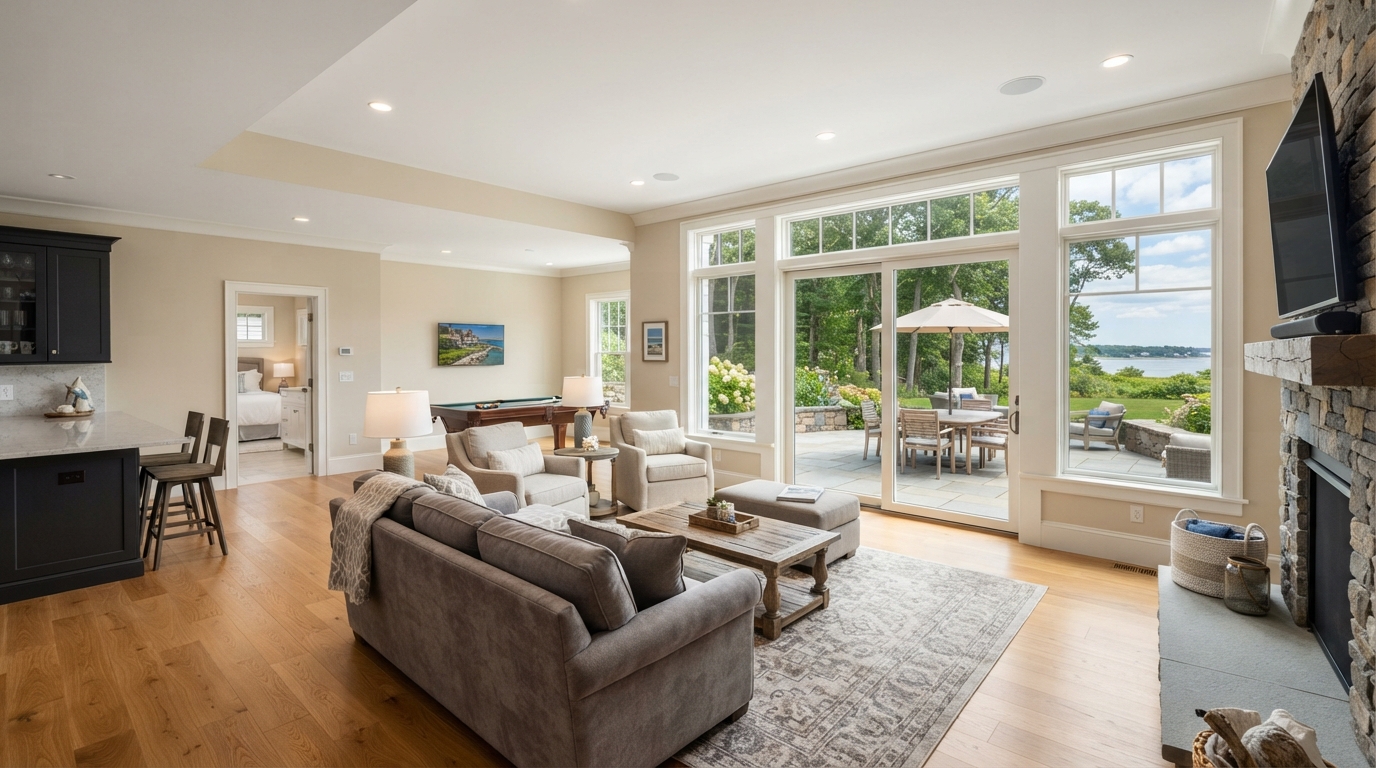
- Walkout basement: On a sloped lot, one side is at ground level with a full door and windows. This feels like real living space — bright, accessible, and often with direct outdoor access. Walkouts add the most value, sometimes approaching above-grade square footage value.
The Square Footage Question
Here's a common source of confusion: a finished basement usually does not count in the above-grade square footage figure that buyers see on listing sites. That number typically reflects only space above ground level. A finished basement adds living area, but it's often reported separately — sometimes noted as "finished lower level" or "basement finished."
What this means for buyers: when comparing homes, clarify exactly what's included in the square footage. A 2,000-square-foot home with a 1,000-square-foot finished basement is very different from a 2,000-square-foot home with an unfinished basement. Ask your agent to confirm what each listing's number represents.
Egress: Why a "Bedroom" Might Not Be a Bedroom
A basement room can only be legally called a bedroom if it meets building code for egress — a direct escape route to the exterior, typically a window or door of a minimum size that a person can climb through. Without egress, that "bedroom" is legally a den, office, or bonus room, no matter how it's furnished.
For sellers: Don't market a non-conforming basement room as a bedroom. It's a disclosure and liability issue. Describe it accurately (e.g., "bonus room," "office," "potential bedroom with egress addition") and let buyers decide. See our seller disclosure guide.
Moisture: The #1 Thing to Check
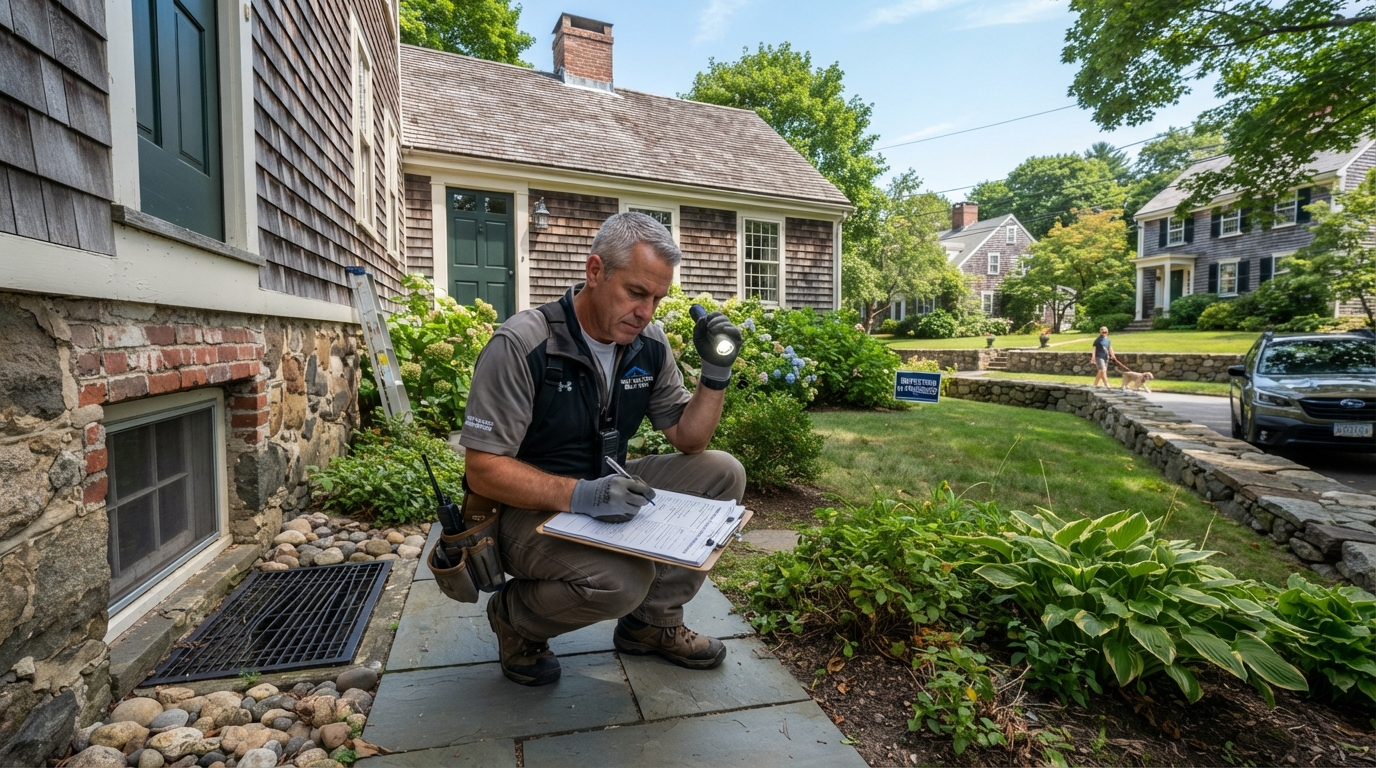
More than any other factor, water determines whether a finished basement is an asset or a problem. A damp finished basement can harbor mold, ruin finishes, and signal drainage or foundation issues that cost tens of thousands to fix. Before buying, look for:
- Water stains on walls, floors, or near the base of stairs
- A musty or mildew smell
- Efflorescence (white mineral deposits) on concrete
- A dehumidifier running constantly
- Warped flooring, peeling paint, or stained trim
- The presence and condition of a sump pump and French drain
A home inspector will check these, but it's worth your own careful look during showings. If you're buying in a flood-prone area, also review our flood zones guide.
Permits: The Hidden Sale Complication
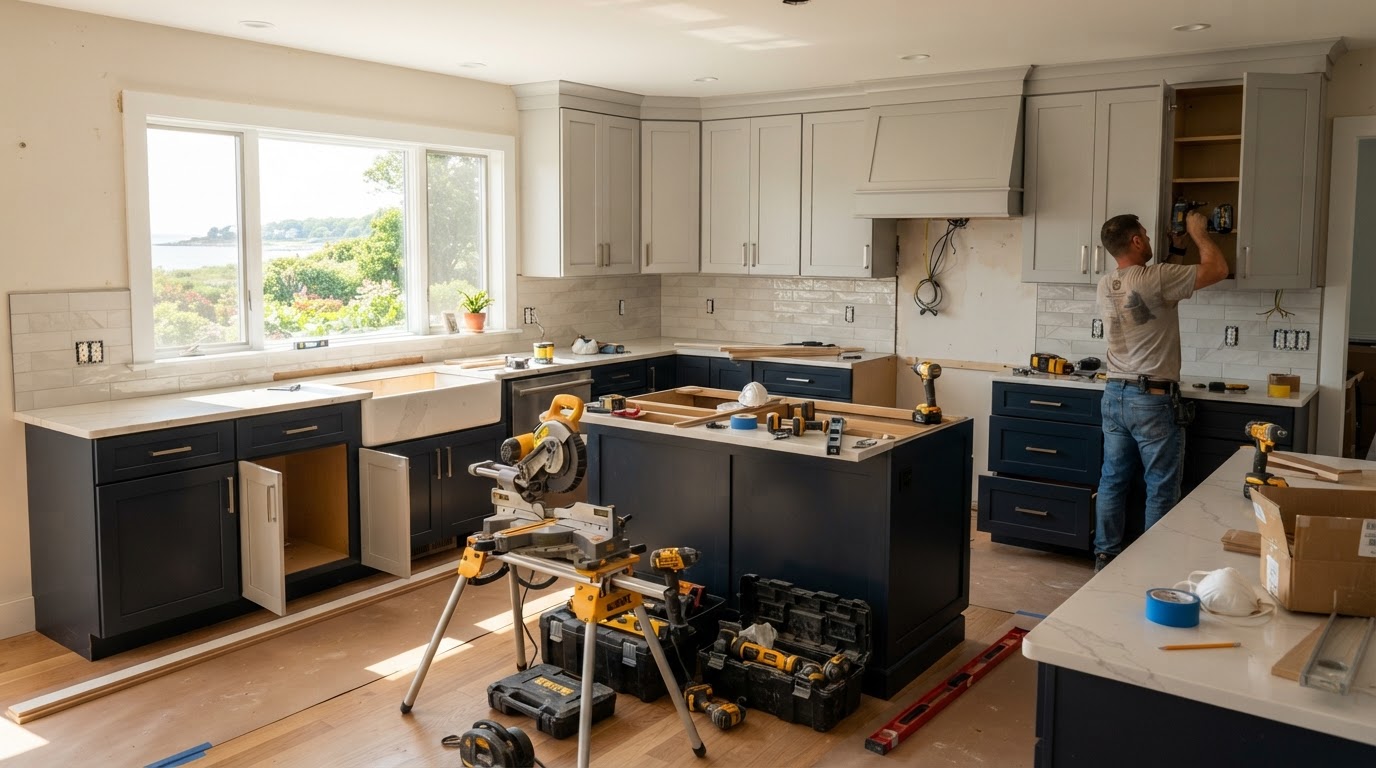
Many basements are finished without permits — sometimes decades ago, sometimes recently. When you sell, unpermitted work becomes a disclosure issue. Buyers' inspectors and attorneys often discover it, and it can trigger demands for price reductions, retroactive permits and inspections, or even deal cancellation. If your basement was finished without permits, disclose it honestly and talk to your agent about how to handle it. If you're buying, ask whether permits were pulled and verify with the local building department.
Should You Finish Your Basement Before Selling?
Usually, only if your basement is already dry, has adequate ceiling height (at least 7 feet, ideally more), and you can finish it cost-effectively. Because the return is 60–70%, a $30,000 finish adds roughly $18,000–$21,000 in value — you'd be spending more than you'd recover. If your basement is damp or has low ceilings, leave it unfinished and price the home accordingly. Always consult your agent before spending — see our should you renovate before selling guide.
The Bottom Line
A finished basement can be a real selling point — extra flexible space that buyers love — but its value depends on type, condition, moisture, egress, and permits. A dry, well-built walkout basement adds meaningful value; a damp, unpermitted, low-ceiling finish can be a liability. Whether buying or selling, inspect carefully, disclose honestly, and make decisions based on what the space actually is — not just what it's called.