

If you are buying or selling a home in Massachusetts, one of the most important things to understand is the state's approach to property disclosures. Massachusetts is a "caveat emptor" state — Latin for "let the buyer beware." This means sellers have surprisingly few legal obligations to tell buyers about problems with their property. But that does not mean sellers can lie, hide things, or mislead buyers. Understanding where the lines are drawn can save both parties from expensive legal disputes after closing.
The Short Version
Massachusetts is a "caveat emptor" state. Sellers are not required to volunteer information about most property defects. However, sellers must disclose lead paint (pre-1978 homes), provide a Title 5 septic inspection certificate if applicable, and answer direct questions honestly.
Sellers cannot actively conceal defects or make false statements. Buyers are responsible for discovering problems through inspections and due diligence. A thorough home inspection is the buyer's primary protection. Many agents recommend voluntary disclosure forms to protect sellers from future claims.
This article provides general information about Massachusetts real estate disclosure laws for educational purposes. I am a real estate professional, not an attorney. Always consult a qualified Massachusetts real estate attorney for legal advice about your specific transaction.
What Does "Caveat Emptor" Actually Mean?
Caveat emptor is a legal principle that places the burden of discovering property defects on the buyer, not the seller. In a caveat emptor state like Massachusetts, the seller is generally not required to tell you that the roof leaks, the basement floods, or the foundation is cracked. The expectation is that the buyer will hire professionals to inspect the property and discover these issues before completing the purchase.
This is very different from states like California, Texas, or New York, where sellers must complete detailed disclosure forms listing every known defect. In those states, a seller who fails to disclose a known problem can be sued. In Massachusetts, the rules are more relaxed — but they are not a free pass for sellers to hide problems.
The key distinction is this: Massachusetts sellers do not have to volunteer information, but they cannot actively conceal it. There is a big legal difference between not mentioning a leaky roof and painting over water stains so the buyer cannot see them.
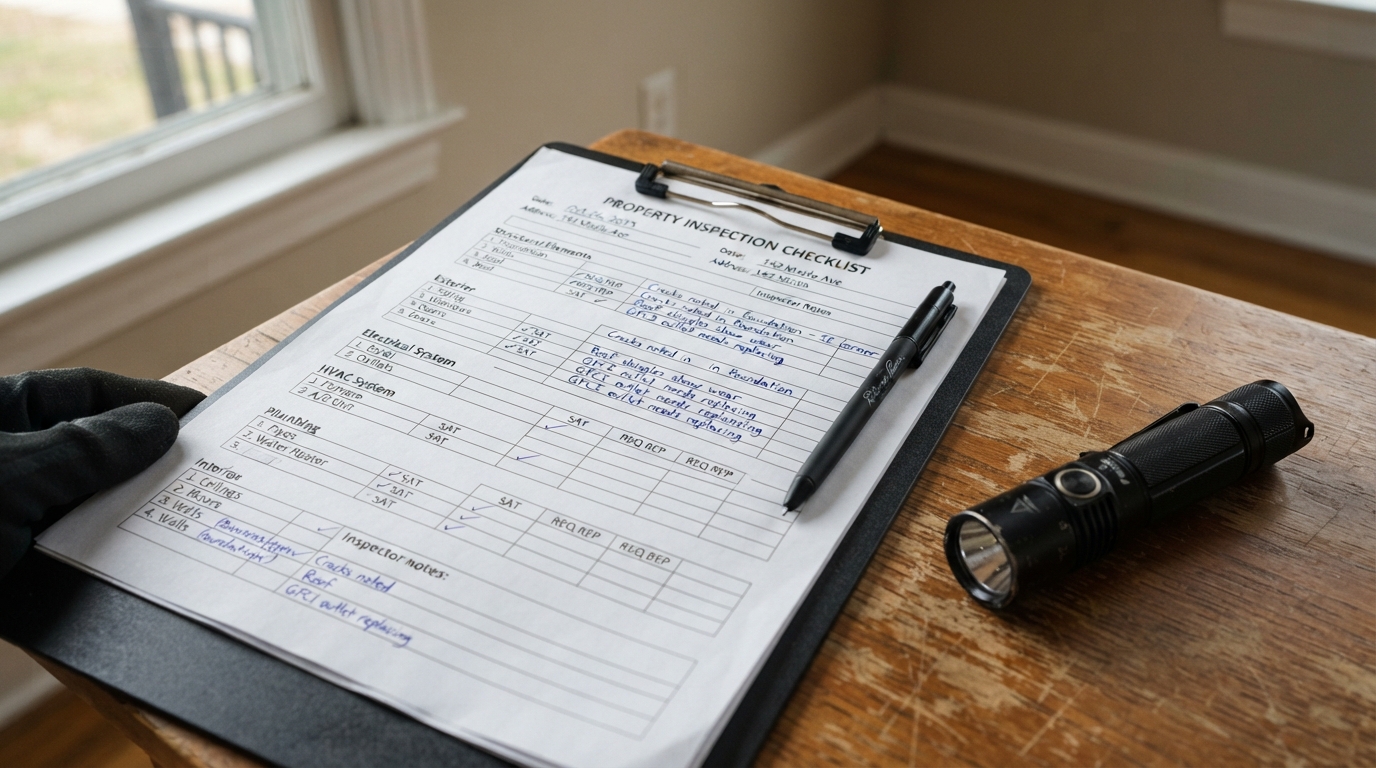
What Sellers Must Disclose in Massachusetts
While Massachusetts is a caveat emptor state, there are a few specific disclosures that are legally required:
1. Lead Paint (Pre-1978 Homes)
Federal law requires sellers of homes built before 1978 to disclose any known lead-based paint hazards. Sellers must provide buyers with a lead hazard disclosure form and a copy of the EPA pamphlet "Protect Your Household from Lead in Your Home." Buyers also have a 10-day period to inspect for lead paint (though they can waive this right). This is the most strictly enforced disclosure requirement in Massachusetts real estate transactions.
Learn more in our Massachusetts Lead Paint Law guide.
2. Title 5 Septic System Inspection
If the property has a septic system rather than municipal sewer, Massachusetts law requires a Title 5 inspection before the property can be sold. The seller must provide the buyer with a copy of the inspection report. If the system fails inspection, the seller is typically responsible for repairing or replacing it before closing, though this can be negotiated.
Learn more in our septic system buyer's guide.
3. Smoke and CO Detector Compliance
Before closing, the seller must have the local fire department inspect the home for compliance with Massachusetts smoke detector and carbon monoxide detector laws. The fire department issues a certificate of compliance, which must be provided at closing. This is not exactly a "disclosure" of property conditions, but it is a legal requirement that must be fulfilled before the sale can complete.
Learn more in our smoke detector law guide.
4. Flood Zone Knowledge
If the seller has actual knowledge that the property is in a FEMA-designated flood zone, they may be required to disclose this. However, this is an area where the law is less clear-cut than lead paint or septic requirements. Buyers should always verify flood zone status independently through FEMA maps and their insurance agent.
Learn more in our flood zones buyer's guide.
What Sellers Do NOT Have to Disclose
This is where many buyers are surprised. In Massachusetts, sellers are generally not required to tell buyers about:
- Roof leaks or past repairs — unless the buyer asks directly
- Foundation cracks or water intrusion — unless the buyer asks directly
- Pest or termite damage — unless the buyer asks directly
- Past insurance claims — Massachusetts does not require sellers to disclose prior insurance claims
- Neighborhood nuisances — noise, traffic, crime, or other neighborhood issues
- Death or stigma on the property — Massachusetts does not require sellers to disclose if a death occurred on the property (some states do)
- Prior water damage or mold — unless the buyer asks directly or the seller actively conceals it
- Structural issues — unless the buyer asks directly
The pattern is clear: if the buyer does not ask, the seller does not have to tell. This is why the buyer's inspection and due diligence process is so critical in Massachusetts.

What Sellers Cannot Do: Fraud and Active Concealment
While sellers are not required to volunteer information, Massachusetts law draws a hard line at fraud and active concealment. Sellers cannot:
- Make false statements about the property's condition. If a seller says "the roof is only 5 years old" when it is actually 25 years old, that is fraud.
- Actively conceal defects to prevent the buyer from discovering them. Painting over water stains, patching a cracked foundation temporarily to hide it, or putting a rug over a rotted floor can all constitute active concealment.
- Misrepresent the property in the listing, on the MLS, or in response to direct questions from the buyer or buyer's agent.
- Falsify documents such as prior inspection reports, repair records, or permits.
If a buyer can prove that the seller committed fraud or actively concealed a defect, the buyer may have grounds for a lawsuit even in a caveat emptor state. However, proving active concealment can be difficult, and the legal process is expensive and time-consuming. Prevention through thorough inspections is always better than litigation after closing.
Why the Home Inspection Is Your Best Protection
In a caveat emptor state, the home inspection is not optional — it is your primary defense. A licensed home inspector can identify issues that the seller may not have mentioned (and is not legally required to mention). On the North Shore, where many homes are decades or even centuries old, inspections are especially important.
For older homes (pre-1950), consider specialized inspections in addition to a general home inspection:
- Structural inspection — for foundation issues, especially in stone foundations common on the North Shore
- Electrical inspection — for knob-and-tube wiring or outdated panels
- Plumbing inspection — for galvanized pipes, lead pipes, or polybutylene
- Pest/termite inspection — especially for homes with wood sills near grade
- Radon test — radon is a real concern in Essex County basements
- Water quality test — for homes with private wells
Learn more about inspecting older North Shore homes in our home inspections guide and our 8 questions for pre-1950 homes guide.
Should Sellers Complete a Voluntary Disclosure Form?
Even though Massachusetts does not require it, many real estate agents and attorneys recommend that sellers complete a voluntary property disclosure form. Here is why:
Benefits for Sellers
- Documents what was disclosed at the time of sale
- Reduces risk of post-closing lawsuits
- Creates a record of good faith
- Can speed up the transaction by addressing concerns upfront
Risks of Not Disclosing
- Buyer discovers a defect you knew about
- Buyer claims you actively concealed it
- Potential lawsuit for fraud or misrepresentation
- Legal costs can exceed the cost of the repair
A voluntary disclosure form does not obligate you to discover problems you do not know about. It simply documents what you do know. If you are unsure whether to complete one, talk to your real estate agent and attorney about your specific situation.
What Buyers Should Ask Directly
Since sellers in Massachusetts are not required to volunteer information, buyers should ask direct, specific questions. If you ask and the seller lies, that is fraud. If you ask and the seller refuses to answer, that tells you something too.
Key questions buyers should ask (through their agent or attorney):
- Are there any known roof leaks or past roof repairs?
- Has the basement ever taken water?
- Are there any known foundation cracks or structural issues?
- Has the home ever had pest or termite treatment?
- Are there any known issues with the plumbing, electrical, or heating systems?
- Has the home ever had mold or water damage remediation?
- Are there any pending or completed insurance claims on the property?
- Is the property in a flood zone?
- Are there any shared driveways, easements, or private road agreements?
- Have any additions or renovations been permitted and inspected?
These questions should be asked in writing, and the seller's responses should be documented. Your agent can include these questions as part of the offer or as a separate due diligence request.
How This Affects North Shore Buyers and Sellers
On the North Shore, the caveat emptor rule has special significance because of the region's older housing stock. Many homes in Ipswich, Essex, Gloucester, Salem, and Beverly were built in the 1700s and 1800s. These homes can have hidden issues — stone foundations, knob-and-tube wiring, lead pipes, old septic systems, and more — that a seller is not required to disclose.
For buyers, this means:
- Never skip the home inspection, no matter how much you love the house
- Consider specialized inspections for older homes
- Ask direct questions in writing and document the answers
- Review the Purchase and Sale Agreement carefully for "as-is" language
- Understand that the seller is not your source for property condition information — your inspector is
For sellers, this means:
- You are not required to volunteer information about defects, but you must answer honestly if asked
- Do not attempt to conceal or hide problems — this can create legal liability
- Consider completing a voluntary disclosure form to protect yourself
- Make required disclosures (lead paint, Title 5, smoke detectors) on time
- Talk to your agent and attorney about your obligations before listing
Kathleen's Take
Massachusetts disclosure law surprises a lot of people — especially buyers moving from states where sellers must fill out long disclosure forms. The reality is that in Massachusetts, the buyer's inspection is the primary safeguard, not the seller's word.
For sellers, I almost always recommend a voluntary disclosure form. It is not required, but it creates a clear record of what you told the buyer. If a dispute arises months after closing, that document can be the difference between a quick resolution and an expensive lawsuit.
For buyers, the message is simple: ask questions in writing, hire a great inspector, and do not assume the seller will tell you everything. On the North Shore, where many homes are centuries old, the inspection is not a formality — it is the most important step in the entire process.
Related Reading
The Massachusetts Purchase and Sale Agreement Explained
What to watch for in the P&S, including "as-is" clauses and contingency language.
The Massachusetts Lead Paint Law Guide
What sellers must disclose about lead paint in homes built before 1978.
Massachusetts Smoke Detector Law
Fire department inspection requirements before closing.
Home Inspections for Older North Shore Homes
What to inspect when buying a home built before 1950.
Buying a Home with a Septic System in Massachusetts
Title 5 inspection requirements and what buyers need to know.
Flood Zones: What North Shore Buyers Need to Know
FEMA maps, flood insurance, and coastal property considerations.
Have Questions About Disclosure in Your Transaction?
Whether you are selling and want to understand your obligations, or buying and want to make sure you are protected, I can help you think through it. No pressure, no obligation.