Solar Panels and Home Value on the North Shore: What Buyers and Sellers Need to Know
Solar can lower bills and add appeal — or quietly derail a sale. The difference comes down to ownership, lease terms, and roof condition. Here's what to verify on either side of the transaction.
The Short Version
- •Owned, paid-off solar can add value — roughly $15–$25 per watt of installed capacity, depending on age and savings.
- •Leased solar often complicates sales. The buyer must assume the lease or you must buy it out — surprises here kill deals.
- •Disclose everything early. Ownership status, lease terms, payoff amount, and warranty should all be on the table before an offer.
- •Roof condition matters. Panels add weight and penetrations — a roof needing replacement means removing and reinstalling the system.
- •Don't install solar just to sell. Most sellers don't recover installation cost at sale. Install for your own savings, not as a pre-sale flip.
Solar Is Common on the North Shore — and It Changes the Transaction
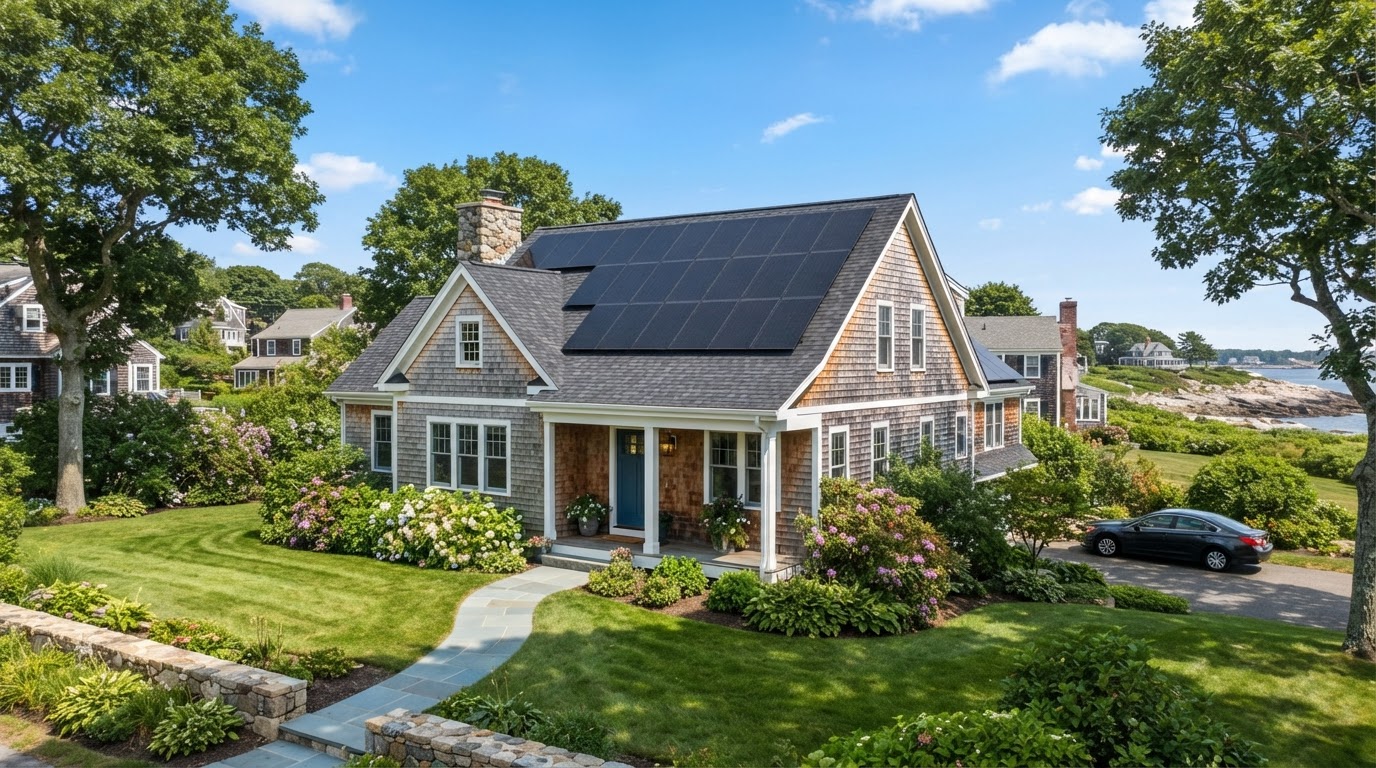
Solar panels are increasingly common across the North Shore, from Beverly to Newburyport. They can meaningfully lower a homeowner's electric bills and appeal to energy-conscious buyers. But solar also introduces complexity into a real estate transaction that many buyers and sellers don't anticipate — and that complexity shows up at the worst possible time: during negotiations or just before closing.
Whether you're selling a home with panels or buying one, the single most important question is the same: who owns the system? The answer determines almost everything else.
Owned vs. Leased Solar: The Critical Distinction
Owned Solar (Paid Off or Financed With a Loan)
When you own the system outright — either paid in cash or through a loan you've since paid off — the panels are part of the home and transfer to the buyer at closing. This is the cleanest scenario. Owned solar can add value because the buyer immediately benefits from lower electric bills without taking on a payment obligation. Studies suggest an owned system adds roughly $15–$25 per watt of installed capacity to the home's value, though the premium depends on system age, local electricity rates, and how much the panels actually offset.
If the system is financed with a loan that's not yet paid off, that loan typically must be satisfied at closing (the panels can't serve as collateral that transfers). Confirm the payoff amount and how it's handled with your lender and attorney early.
For sellers: Owned, paid-off solar is a genuine selling point. Gather the installation documents, warranty, production history, and incentive paperwork so buyers can verify savings.
Leased Solar (or Power Purchase Agreement)
With a lease or power purchase agreement (PPA), a third party owns the panels. You pay a monthly fee or per-kilowatt-hour rate. When you sell, the panels don't simply transfer — the buyer must qualify for and assume the lease, or you must buy out the lease before closing. This is where deals get complicated.
Many buyers are hesitant to assume a 15- to 20-year lease obligation on a system they didn't choose, and the leasing company runs a credit check on the buyer that can delay timelines. If the buyer declines, you're typically on the hook to pay off the lease — which can run $10,000 to $30,000 or more. I've seen this sink otherwise clean deals when it surfaces late.
For sellers with leased solar: Disclose the lease the moment you list. Get the payoff number from the leasing company in writing. Decide in advance whether you'll buy it out or require assumption. A late surprise is the fastest way to lose a buyer.
What Buyers Should Verify Before Purchasing a Solar Home
If you're buying a home with solar, treat the system like any other major component — inspect it and understand it before you commit. Here's your checklist:
- Ownership status: Owned, financed, or leased? Get it in writing.
- Lease or PPA terms: Monthly payment, remaining term, buyout option, and end-of-lease removal costs.
- Production history: Ask for 12–24 months of actual production data to verify real savings.
- Warranty: Panel and inverter warranties, and whether they transfer. Inverters last 10–15 years; panels 25–30.
- Roof condition and age: Was the roof sound before installation? A roof replacement means removing and reinstalling panels — a $2,000–$5,000 cost.
- Incentive status: Confirm any SMART program or net metering credits and whether they transfer to you.
- Insurance: Confirm the panels are covered and check any premium impact.
Your attorney should review any lease or PPA as part of the purchase. See our Massachusetts real estate attorney guide for what your attorney handles.
Roof Issues: The Hidden Cost of Solar
Solar panels are mounted to your roof with penetrations and add weight. A properly installed system on a sound roof is fine. But if the roof is nearing the end of its life — common on the North Shore's older housing stock — the panels become a complication. Replacing a roof under solar means uninstalling the panels, reroofing, and reinstalling them, a process that adds thousands to the job and requires coordination with the solar company.
Buyers should ask: how old is the roof, and was it replaced before the panels went up? Sellers should know that a tired roof under panels is a buyer concern — and may come up in inspection. See our home improvements that increase value guide for where a roof ranks.
Should You Install Solar Before Selling?
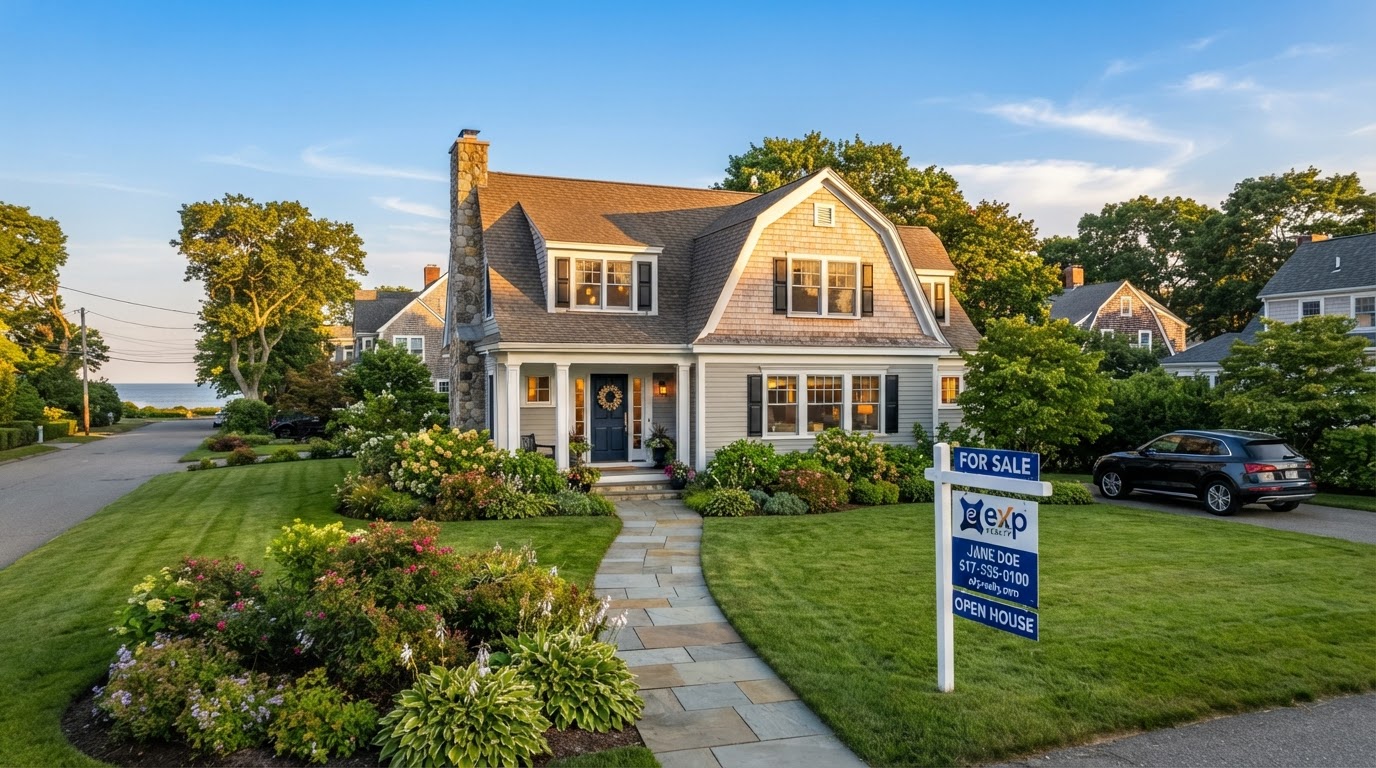
In most cases, no. Solar is a long-term investment that pays back through years of reduced electric bills. Installing a $25,000 system and selling six months later rarely recovers that cost in the sale price — buyers value the savings, but they also discount for system age, roof risk, and the complexity of any lease. If you want solar, install it for your own use and enjoy the savings while you live in the home. If you're selling soon, spend your pre-sale budget on higher-ROI improvements instead.
The Bottom Line
Solar can be a real asset or a real headache, and the difference is almost always about ownership and disclosure. Owned, paid-off solar is a selling point. Leased solar is a transaction complication that must be handled transparently and early. Whether you're buying or selling, get the facts — ownership status, lease terms, production history, roof condition, and warranty — before you commit.