Homeowners Insurance in Massachusetts: What North Shore Buyers Need to Know
Your lender requires it, but what does homeowners insurance actually cover? Here's what North Shore buyers need to know about coverage types, what's excluded, how much it costs, and how to protect your biggest investment.
Kathleen Militello
REALTOR®, eXp Realty · North Shore Coastal Homes & Living
If you're buying a home with a mortgage in Massachusetts, your lender will require you to carry homeowners insurance. It's not optional. But most buyers don't fully understand what their policy covers, what it doesn't, and how much they should actually be paying.
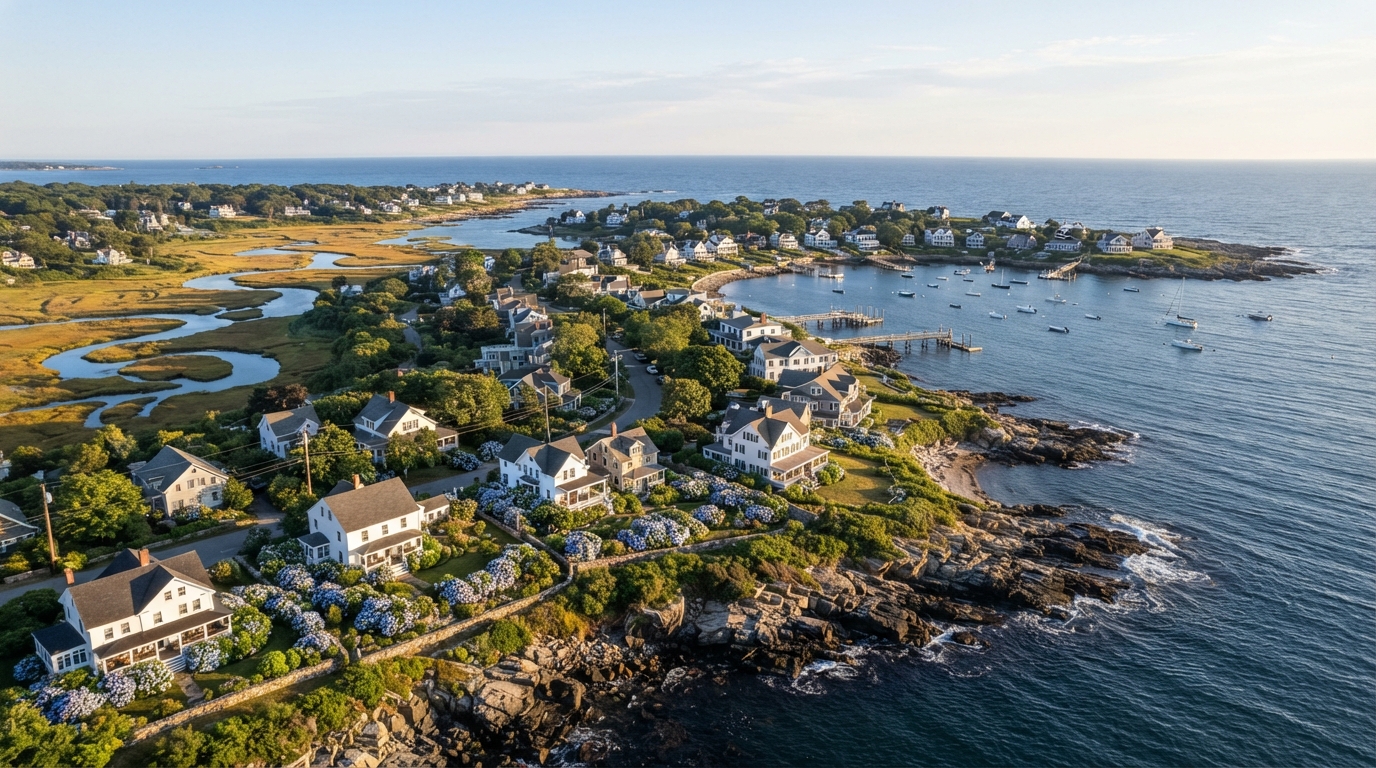
On the North Shore, where many homes are older, coastal, or both, the details of your insurance coverage matter more than you might think. A standard policy that works fine for a new suburban home in the Midwest may leave dangerous gaps for a 200-year-old colonial in Gloucester or a waterfront property in Marblehead.
What Homeowners Insurance Actually Covers
A standard homeowners insurance policy (called an HO-3 policy, the most common type) includes several types of coverage bundled into one policy:
Dwelling Coverage
Protects the physical structure of your home — the roof, walls, foundation, attached garage, and built-in fixtures. This is the core of your policy and the number your lender cares about most.
Other Structures
Covers detached structures on your property — sheds, detached garages, fences, and gazebos. Typically limited to 10% of your dwelling coverage.
Personal Property
Covers your belongings — furniture, electronics, clothing, and appliances. Typically 50–70% of your dwelling coverage. Consider a rider for high-value items like jewelry or art.
Liability Protection
Protects you if someone is injured on your property or you cause damage to others. Covers legal fees and judgments up to your policy limit. Most policies start at $100,000.
Loss of Use
Pays for additional living expenses if your home is damaged and you can't live in it — hotel bills, restaurant meals, and storage costs while repairs are made.
Medical Payments
Covers minor medical bills for someone injured on your property, regardless of fault. Typically $1,000 to $5,000. No need to prove liability.
What Homeowners Insurance Does NOT Cover
This is where many North Shore buyers get caught off guard. A standard policy has significant exclusions:
Flooding
Storm surge, rising groundwater, and coastal flooding are excluded. You need separate flood insurance through the NFIP or a private carrier. If you're in a FEMA flood zone, your lender will require it.
Earthquakes and earth movement
Sinkholes, landslides, and earthquakes are excluded. Separate earthquake insurance is available if you're in a higher-risk area.
Wear and tear / deferred maintenance
If your 30-year-old roof leaks because the shingles are worn out, that's a maintenance issue, not an insurance claim. Insurance covers sudden and accidental damage, not gradual deterioration.
Mold (in many cases)
Mold caused by a covered water damage event (like a burst pipe) may be covered, but mold from humidity, leaks over time, or poor ventilation is typically excluded. This matters on the North Shore where older homes are prone to moisture.
Sewer backup
Water backing up through sewers or drains is excluded unless you add a sewer backup endorsement. This is a common issue in older North Shore communities with aging infrastructure.
Actual Cash Value vs. Replacement Cost: Know the Difference
This is one of the most important decisions in your policy — and many buyers don't even know they're making it.
Actual cash value (ACV) pays what your home or belongings are worth today, after depreciation. If your 15-year-old roof is destroyed in a storm, ACV coverage pays what a 15-year-old roof is worth — not what a new roof costs. That difference can be tens of thousands of dollars.
Replacement cost pays what it would cost to rebuild or replace the item at today's prices, with no depreciation deduction. If that same roof is destroyed, replacement cost coverage pays for a brand new roof. It costs more in premiums, but it's the only way to ensure you can actually rebuild after a major loss.
Always Choose Replacement Cost
For your dwelling and personal property, always choose replacement cost coverage over actual cash value. The premium difference is typically 10–20%, but the payout difference after a loss can be enormous. On older North Shore homes, this is especially critical — an ACV policy on a 200-year-old home could leave you far short of what you need to rebuild.
How Much Does Homeowners Insurance Cost on the North Shore?
Insurance costs vary widely based on the home's value, age, location, construction type, deductible, and coverage limits. Here's what North Shore buyers can expect:
| Property Type | Annual Premium Range |
|---|---|
| Standard single-family ($400K–$600K) | $1,200–$2,000 |
| Larger or newer home ($600K–$900K) | $1,800–$3,000 |
| Waterfront / coastal property | $2,500–$5,000+ |
| Historic home (pre-1900) | $2,000–$4,000+ |
| Condo (HO-6 policy) | $400–$800 |
Premiums are typically paid through your mortgage escrow account, spread across 12 monthly payments along with your property taxes.
North Shore-Specific Insurance Considerations
The North Shore has characteristics that affect insurance costs and coverage:
- Coastal wind risk: Homes within a few miles of the ocean may face higher premiums or wind/hail deductibles that are separate from your standard deductible. Some insurers require a "named storm deductible" — a percentage of your dwelling coverage (typically 1–5%) rather than a flat dollar amount.
- Older homes: Many North Shore homes were built before modern building codes. If your home is damaged, you may need to rebuild to current code — which can cost more. Consider "ordinance or law" coverage, which pays the additional cost of bringing your rebuilt home up to code.
- Knob-and-tube wiring: Some insurers won't write policies for homes with active knob-and-tube wiring, common in pre-1940 North Shore homes. You may need to rewire before getting coverage — or find a specialty insurer.
- Flood zones: If your home is in a FEMA flood zone, you'll need separate flood insurance. Even if you're not in a designated zone, coastal properties may want flood coverage — 25% of flood claims come from low-to-moderate risk areas.
- Septic systems: Standard policies don't cover septic system failure. If your North Shore home has a septic system, budget for maintenance and potential replacement separately.
Don't forget flood insurance
Standard homeowners insurance does not cover flooding — period. If you're buying a coastal or low-lying North Shore property, ask about flood insurance even if your lender doesn't require it. One storm surge event can cause more damage than decades of premiums would cost.
When to Shop for Homeowners Insurance
Start getting quotes as soon as your offer is accepted. You'll need to provide your lender with proof of insurance (a binder) before closing. Here's the timeline:
- Offer accepted: Begin getting quotes from 3–4 insurance companies.
- During the P&S period: Compare coverage options, deductibles, and premiums. Ask about discounts for bundling with auto insurance, alarm systems, or new roof.
- 1–2 weeks before closing: Select your policy and provide the binder to your lender and attorney.
- At closing: Your first year's premium is typically paid from your escrow account at closing.
Questions About Insurance or Closing Costs?
I help North Shore buyers understand every cost in the transaction — including insurance. Let's make sure you're covered before you close.