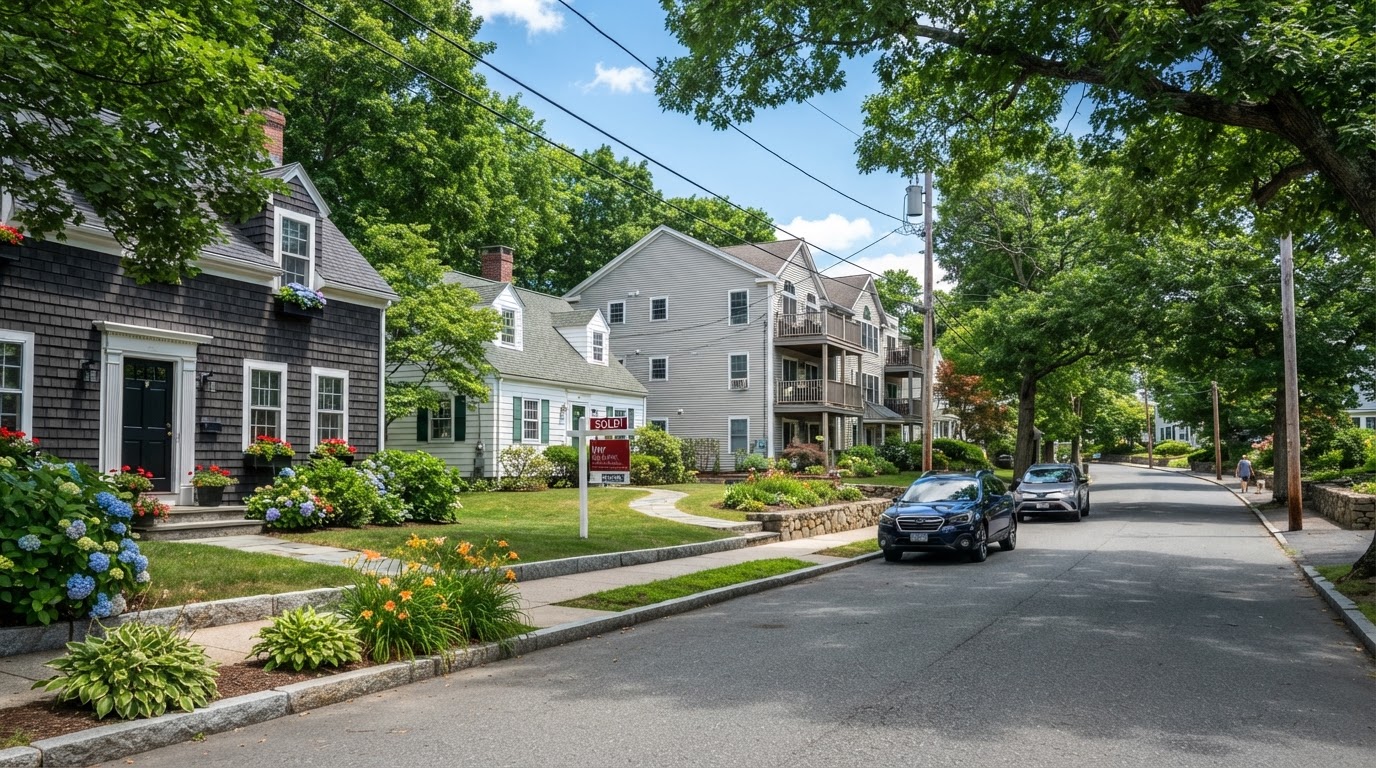
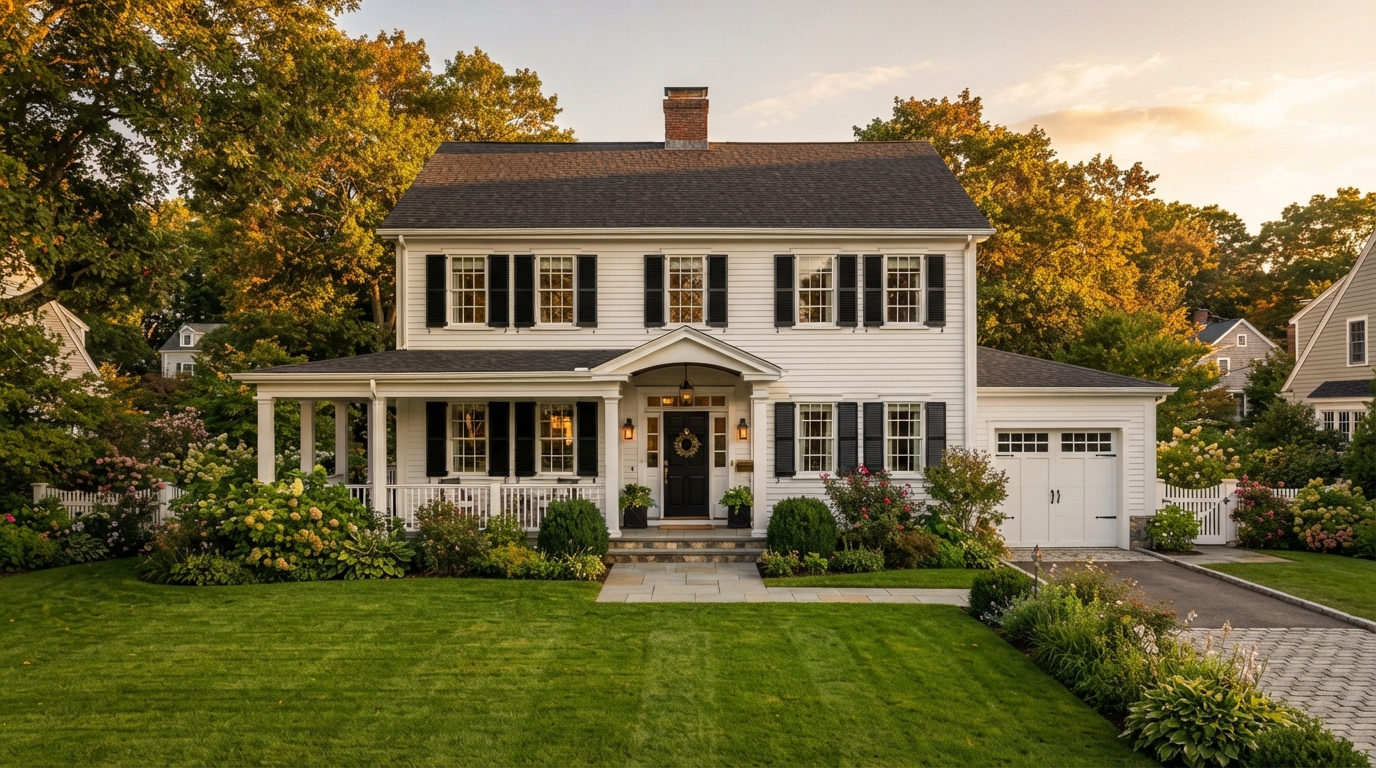
Buying a house in Massachusetts follows a specific process that differs from many other states. Massachusetts uses attorneys for closings, requires a two-stage deposit structure, and has unique rules around lead paint, smoke detectors, and septic systems. If you are buying on the North Shore — where older homes, coastal properties, and competitive markets add complexity — understanding the full process before you start can save you thousands of dollars and weeks of stress.
Step 1: Check Your Credit Score and Financial Readiness
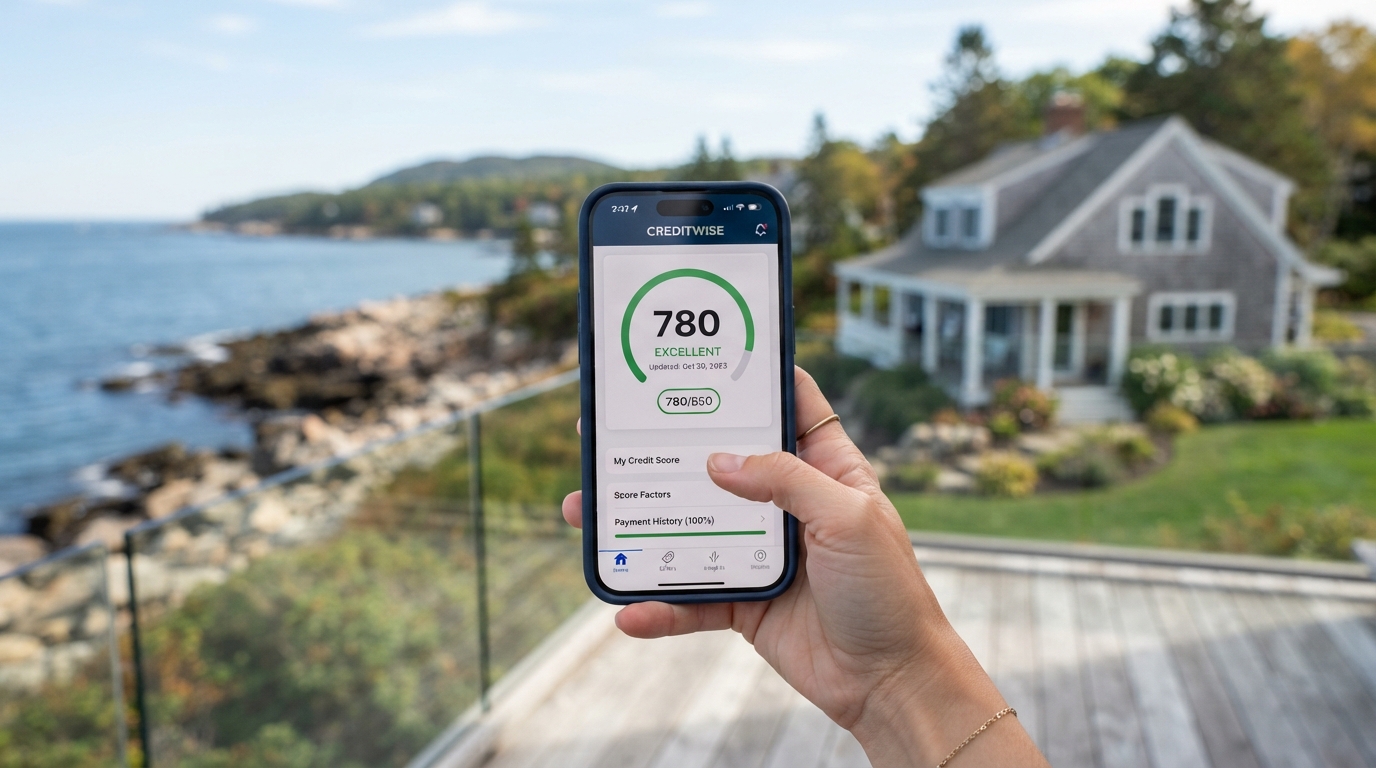
Before you look at a single listing, understand where your credit stands. Most lenders on the North Shore want a minimum FICO score of 620 for a conventional loan. FHA loans accept scores as low as 580 with 3.5% down. VA loans have no official minimum but most lenders want 580 or above. The best mortgage rates go to borrowers with scores of 740 or higher.
Pull your credit report from all three bureaus (Equifax, Experian, TransUnion) at AnnualCreditReport.com. Look for errors, late payments, and high credit card balances. If your score is below 700, even a 20-point improvement can meaningfully reduce your interest rate. Pay down credit card balances, avoid new credit applications, and dispute any errors you find.
Beyond your credit score, gather your financial documents now. Lenders will ask for:
- Two years of W-2s or 1099s
- Two years of federal tax returns
- Two months of recent pay stubs
- Two months of bank statements for all accounts
- Documentation of any gifts, bonuses, or other income sources
Not sure where your credit stands?
Read the complete 2026 credit score guide for North Shore buyersStep 2: Get Pre-Approved for a Mortgage
Pre-approval is not the same as pre-qualification. Pre-qualification is a quick estimate the lender gives you based on information you provide — they do not verify it. Pre-approval is a formal process where the lender verifies your income, credit, and assets and gives you a binding letter stating exactly how much they will lend you.
On the North Shore, most sellers will not accept an offer without a pre-approval letter attached. In competitive situations, a strong pre-approval from a reputable local lender can make the difference between winning and losing a home.
Talk to at least two or three lenders. Compare not just the interest rate but also the closing costs, lender fees, and the lender's responsiveness. A local lender who knows the North Shore market can often close faster and answer questions about specific property types — condos, multi-families, coastal homes — that national call-center lenders cannot.
Get pre-approved with Kathleen's recommended lenders or browse the preferred lender list.
Step 3: Hire a Buyer's Agent
In Massachusetts, you can work with a buyer's agent at no cost to you — the seller pays the commission. After the 2026 NAR settlement, you will sign a buyer's agency agreement that outlines the agent's representation and any compensation terms. Learn what the NAR settlement changed and understand the buyer's agent agreement before you sign.
A good buyer's agent on the North Shore does more than open doors. They help you understand which towns fit your lifestyle, identify property-specific issues (flood zones, septic systems, private roads, historic district rules), negotiate price and terms, and guide you through inspections and contingencies. They should also know the difference between a Beverly condo and a Ipswich antique colonial — because the buying process is not the same.
Step 4: Search for Homes and Tour Properties
Once you are pre-approved and have an agent, the search begins. On the North Shore, this means understanding that each town offers a very different lifestyle. A $600,000 budget might buy a walkable condo in Beverly, a single-family in Salisbury, or a fixer-upper in Ipswich — depending on what you value most.
When touring homes, look beyond the staging. On the North Shore, pay attention to:
- The age of the roof, furnace, and water heater
- Signs of water intrusion in the basement (especially in coastal or low-lying areas)
- Whether the home has septic or sewer
- Whether the home is in a FEMA flood zone
- If built before 1978, the lead paint disclosure requirements
- Whether the home is on a private road
Step 5: Make an Offer
When you find the right home, your agent will help you prepare a written offer. In Massachusetts, the offer includes:
- Purchase price — what you are willing to pay
- Deposit amount — typically $500 to $1,000 with the offer, with a larger deposit due at P&S signing
- Inspection contingency — your right to inspect the home and negotiate repairs or withdraw
- Mortgage contingency — protects your deposit if financing falls through
- Closing date — typically 30 to 45 days from offer acceptance
- Inclusions — what stays with the house (appliances, fixtures, etc.)
In a competitive market, you may face multiple offers. Your agent can help you decide whether to offer above asking, waive contingencies, or add an escalation clause. Learn how to write a winning offer without always offering the highest price.
Wondering what happens to your deposit if the deal falls through?
Read the Massachusetts earnest money deposit guideStep 6: Sign the Purchase and Sale Agreement
Once the offer is accepted, you typically have 7 to 10 days to sign the Purchase and Sale Agreement (P&S). This is the binding contract that replaces the offer. It is more detailed and includes the final terms, the larger deposit (usually 3% to 5% of the purchase price), and the timeline for closing. Your deposit is held in escrow until closing.
In Massachusetts, it is strongly recommended that an attorney review the P&S before you sign. The P&S includes default provisions, contingency deadlines, and legal obligations that can cost you money if you do not understand them. Read the complete guide to the Massachusetts P&S agreement.
Step 7: Complete Inspections and Contingencies
After the offer is accepted but before the P&S is signed, you typically complete your inspections. The most common inspections on the North Shore include:
- General home inspection — structural, electrical, plumbing, HVAC, roof
- Pest/termite inspection — especially important for older wood-frame homes
- Radon test — radon is a real concern in Essex County. Learn about radon and well water testing
- Water quality test — if the home has a private well
- Septic inspection (Title 5) — if the home has a septic system
- Lead paint assessment — for homes built before 1978
If inspections reveal problems, you can negotiate repairs, request a price reduction, or withdraw your offer (if you have an inspection contingency). For older North Shore homes, specialized inspections may be needed for foundations, knob-and-tube wiring, or asbestos. If the home needs significant renovation, you may be able to finance the purchase and repairs with an FHA 203(k) renovation loan.
Did you know Massachusetts updated its home inspection laws?
Read the 2025–2026 Massachusetts home inspection law guideStep 8: Secure Your Mortgage Commitment
After the P&S is signed, your lender begins the formal underwriting process. They will order an appraisal of the property to confirm it is worth the purchase price. If the appraisal comes in low, you may need to renegotiate the price, make up the difference in cash, or withdraw (if you have a mortgage contingency).
During underwriting, do not make any major financial changes. Do not open new credit cards, do not buy furniture on credit, do not change jobs, and do not move large sums of money between bank accounts. Any of these can delay or derail your loan approval. Learn the biggest mistakes buyers make after their offer is accepted.
Once underwriting is complete, the lender issues a mortgage commitment letter — confirmation that your loan is approved and ready to close. If you are paying private mortgage insurance (PMI), this is also when your PMI premium is finalized.
Step 9: Final Walkthrough
Within 24 to 48 hours before closing, you have the right to a final walkthrough of the property. This is your chance to confirm that:
- The home is in the same condition as when you made the offer
- Any agreed-upon repairs were completed
- All included appliances and fixtures are still present
- The home is empty (unless you agreed to a post-occupancy arrangement)
If something is wrong, your attorney can hold up the closing until it is resolved. Do not skip the walkthrough — it is your last chance to catch problems before the money changes hands.
Step 10: Closing Day
In Massachusetts, closing is handled by an attorney (usually the lender's closing attorney). You will sign the final mortgage documents, the deed, and the settlement statement. You will also pay your closing costs — which typically include lender fees, title insurance, attorney fees, recording fees, and prepaid taxes and insurance.
Once everything is signed and the funds are transferred, you receive the keys. The deed is recorded at the registry of deeds, and the home is officially yours. Read the complete guide to what happens on closing day in Massachusetts.
Massachusetts-Specific Requirements to Know
Several requirements are unique to Massachusetts and can catch out-of-state buyers off guard:
- Smoke detector inspection: Before closing, the seller must have the local fire department inspect and certify all smoke and carbon monoxide detectors. Read the smoke detector law guide.
- Lead paint disclosure: For any home built before 1978, the seller must provide a lead paint disclosure form and any known lead inspection records.
- Title 5 septic inspection: If the home has a septic system, the seller must provide a passing Title 5 inspection within 2 years of the transfer (or pump the system and have it inspected within 6 months).
- Homestead Act: After closing, consider filing a Declaration of Homestead to protect up to $500,000 in equity from creditors. Learn about the Massachusetts Homestead Act.
- Property tax exemptions: Many North Shore towns offer residential, senior, and veteran exemptions. Check what exemptions you may qualify for.
How Long Does the Full Process Take?
From the day you start looking at homes to the day you get the keys, expect the full process to take 2 to 4 months. Here is a visual timeline:
Weeks 1–4
Credit check, pre-approval, and agent selection
Weeks 2–8
Searching for homes and touring properties
Days 1–7
Offer accepted → Inspections → P&S signing
Days 7–30
Mortgage underwriting & appraisal
Days 30–45
Mortgage commitment → Final walkthrough → Closing day
Cash purchase: 7–14 days
Offer accepted → Title work → Closing
What Will It Actually Cost?
On a $600,000 home with 5% down (a typical North Shore first-time buyer scenario), here is what you can expect to pay:
| Cost | Estimated Amount | When Paid |
|---|---|---|
| Down payment (5%) | $30,000 | At closing |
| Offer deposit | $500–$1,000 | At offer |
| P&S deposit (3–5%) | $18,000–$30,000 | At P&S signing |
| Home inspection | $400–$700 | At inspection |
| Radon test | $150–$300 | At inspection |
| Attorney fees | $750–$1,500 | At closing |
| Title insurance | $1,200–$2,000 | At closing |
| Lender fees & appraisal | $1,500–$3,000 | At closing |
| Recording fees | $200–$400 | At closing |
| Prepaid taxes & insurance | $2,000–$4,000 | At closing |
| Total upfront cash needed | $54,700–$72,900 | — |
Note: The P&S deposit is credited toward your down payment at closing — you do not pay it on top of the down payment. Read the full closing costs guide for a detailed breakdown. First-time buyers may also qualify for Massachusetts down payment assistance programs that can reduce the upfront cost.
Kathleen's Take
The biggest mistake I see North Shore buyers make is starting the search before they are pre-approved. They fall in love with a home, then scramble to get financing — and by the time the pre-approval comes through, the home is already sold.
My advice: get pre-approved first, understand your true budget including closing costs and property taxes, and then start looking. When you find the right home, you will be ready to move — and on the North Shore, being ready to move fast is often what wins the house.
Also, do not skip the inspection to save time or money. Older North Shore homes have issues that can cost tens of thousands of dollars. An inspection is the best few hundred dollars you will ever spend on a home.
Related Reading
First-Time Home Buyers
What Credit Score Do You Need to Buy a House on the North Shore?
Buyer Guides
The Complete Guide to Closing Costs on Boston's North Shore
Buyer & Seller Tips
The 2026 North Shore Home Buyer's Checklist
Buyer & Seller Tips
Massachusetts Earnest Money Deposits Explained
Buyer & Seller Tips
What Is Escrow in Real Estate? Massachusetts Guide
First-Time Home Buyers
Massachusetts First-Time Buyer Programs & Grants: 2026
Questions People Actually Ask About Buying a House in Massachusetts
How do I buy a house in Massachusetts step by step?
The steps are: check your credit, get pre-approved with a lender, find a buyer's agent, search for homes, make an offer with a deposit, sign the Purchase and Sale Agreement, complete inspections and contingencies, secure your mortgage commitment, do a final walkthrough, and close. In Massachusetts, an attorney typically handles the closing.
Do I need a lawyer to buy a house in Massachusetts?
Unlike many states, Massachusetts uses attorneys for real estate closings. Your lender will require an attorney to handle the closing, and most buyers hire their own attorney to review the Purchase and Sale Agreement and represent their interests. Attorney fees typically range from $750 to $1,500.
How much down payment do I need to buy a house on the North Shore?
Conventional loans require as little as 3% to 5% down. FHA loans require 3.5% down. VA and USDA loans require zero down. However, putting less than 20% down means you will pay private mortgage insurance (PMI), which adds to your monthly payment.
What is the difference between pre-qualification and pre-approval?
Pre-qualification is a quick estimate based on information you provide — the lender does not verify it. Pre-approval is a formal process where the lender verifies your income, credit, and assets and gives you a binding letter stating how much they will lend you. Sellers on the North Shore expect pre-approval, not pre-qualification.
How long does it take to buy a house in Massachusetts?
From accepted offer to closing typically takes 30 to 45 days for a financed purchase. Cash purchases can close in as little as 7 to 14 days. The timeline depends on the mortgage process, inspection scheduling, attorney review, and any contingency negotiations.
What is the deposit when buying a house in Massachusetts?
You typically pay a deposit in two stages. The first deposit (often $500 to $1,000) is due when the offer is accepted. The second deposit (often 3% to 5% of the purchase price) is due when the Purchase and Sale Agreement is signed, usually 7 to 10 days later. Both deposits are held in an escrow account and applied to your purchase at closing.
What contingencies should I include in my offer?
Common contingencies include a home inspection contingency, a mortgage contingency (protects your deposit if financing falls through), and a radon/water test contingency for homes with private wells. In a competitive market, some buyers waive contingencies, but this is risky — especially on older North Shore homes.
Can I back out of buying a house after signing the offer in Massachusetts?
Yes, if you have contingencies in your offer. If the inspection reveals major issues and you have an inspection contingency, you can negotiate repairs or withdraw. If your mortgage is denied and you have a mortgage contingency, you can withdraw and recover your deposit. Once contingencies expire and the P&S is signed, backing out typically means losing your deposit.
Ready to Buy a Home on the North Shore?
Whether you are just starting to think about buying or you are ready to make an offer this week, I can help you navigate every step of the process.

Kathleen Militello
REALTOR® · eXp Realty · Licensed Since 2003 · AI Certified Agent™ · Certified Negotiation Specialist™