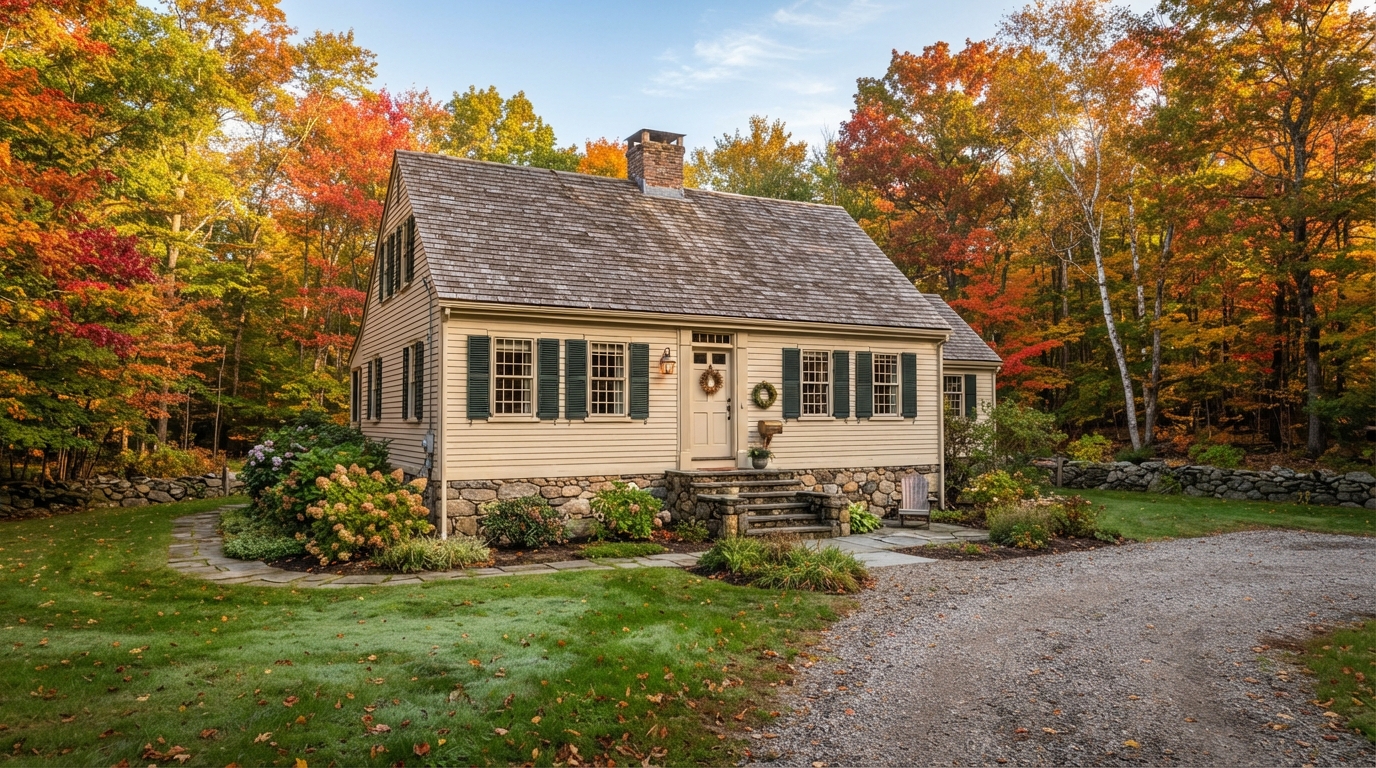
Mold, Asbestos & Vermiculite in Older North Shore Homes: What Buyers Need to Know
The North Shore has some of the oldest housing stock in America. Here's what to look for — and what it costs to fix — before you close on that charming antique.
Kathleen Militello
REALTOR®, eXp Realty · North Shore Coastal Homes & Living
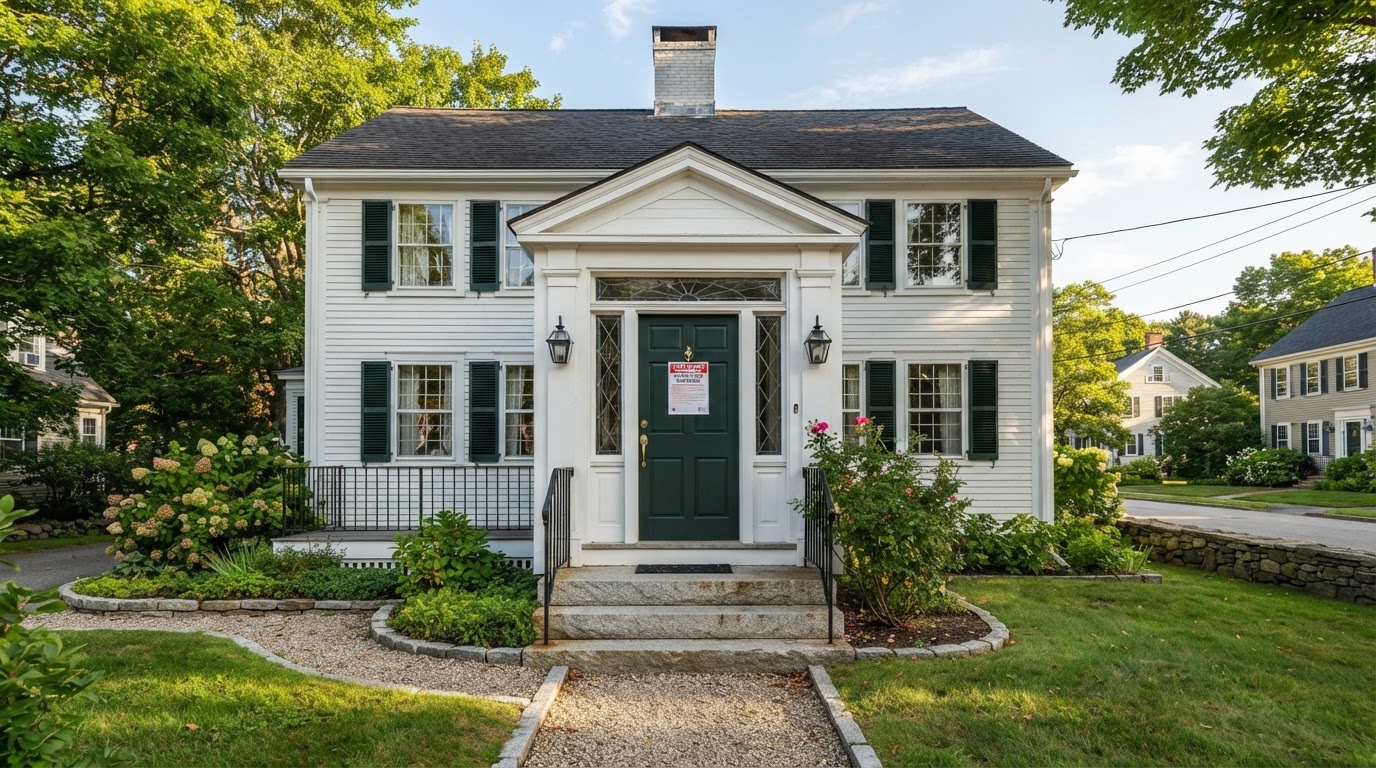
If you're shopping for a home on Boston's North Shore, you're going to see a lot of older houses. Gloucester, Salem, Newburyport, Ipswich, Essex — these communities were settled in the 1600s and 1700s. Even the "newer" homes here were built before 1980.
That charm comes with character: hand-hewn beams, wide-plank floors, stone foundations. It also comes with materials we now know are hazardous: asbestos, vermiculite insulation, and mold.
None of these should scare you away from buying an older home. But you need to know what you're looking at, what it costs to remediate, and how to protect yourself during the inspection period. Here's what I tell every buyer I work with.
The Short Version
- Asbestos in good condition is not an immediate health risk — it only becomes dangerous when disturbed.
- Vermiculite insulation should be tested for asbestos before any renovation.
- Mold means there's a moisture problem — fix the source, not just the mold.
- A standard home inspection is visual only — mold and asbestos testing are separate services.
- Massachusetts requires licensed professionals for asbestos removal. DIY is illegal.
- These issues are negotiable — use your inspection contingency to request credits or remediation.
Asbestos: What It Is and Where You'll Find It
Asbestos is a naturally occurring mineral fiber that was widely used in building materials from the 1930s through the 1970s. It was prized for its heat resistance, durability, and insulating properties. It was also used in hundreds of household products.
In older North Shore homes, you're most likely to encounter asbestos in:
Common Locations
- • Pipe and boiler insulation (basements)
- • Ductwork tape and wrap
- • Vinyl floor tiles and adhesive
- • Popcorn ceilings and ceiling tiles
- • Roofing shingles and felt
- • Siding (asbestos cement shingles)
- • Textured paints and patching compounds
The Key Fact
Asbestos is only dangerous when fibers become airborne — which happens when materials are disturbed, cut, sanded, or deteriorating. Intact, undisturbed asbestos-containing materials do not pose an immediate health risk.
The EPA confirmed asbestos as a carcinogen in the 1970s. Long-term exposure is linked to asbestosis, lung cancer, and mesothelioma.
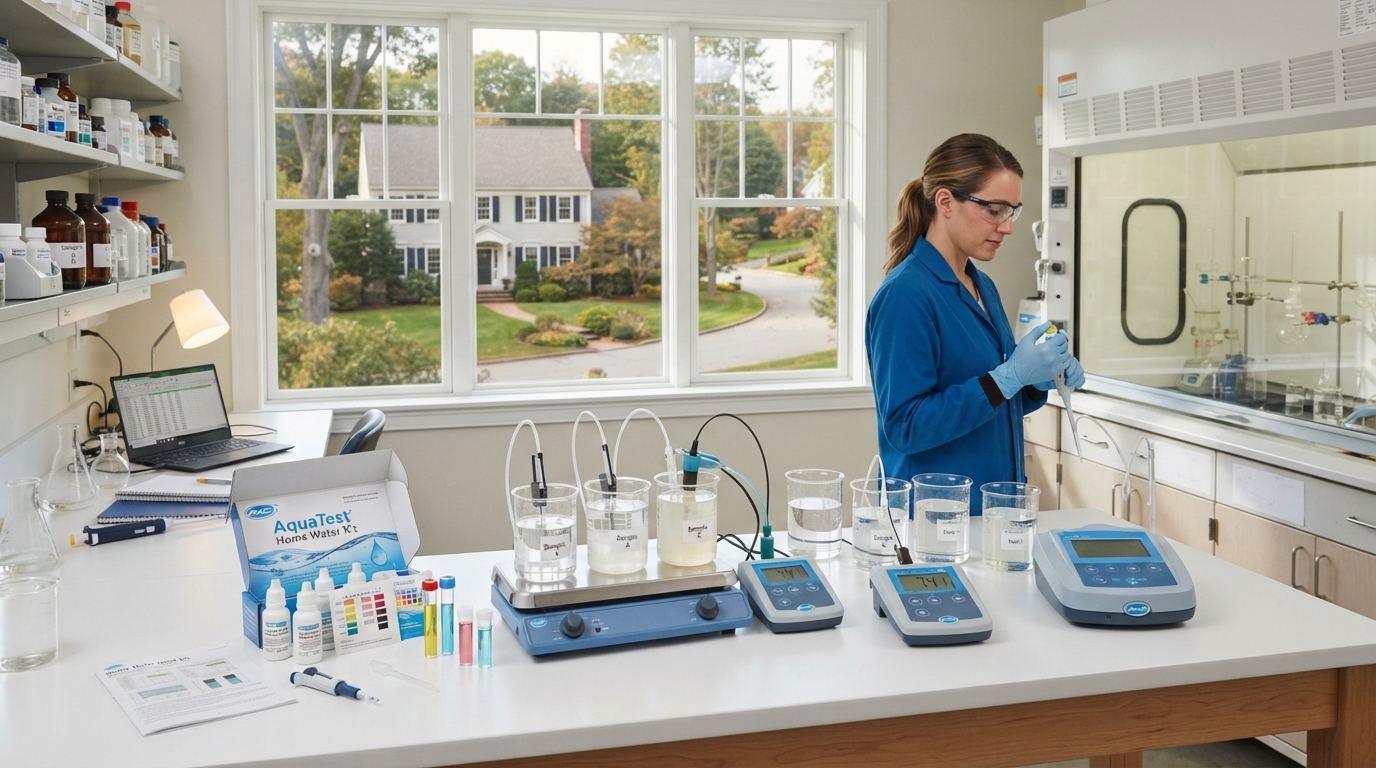
If your home inspector identifies suspected asbestos-containing materials, they will recommend a bulk sampling test — a licensed professional takes a small sample and sends it to a lab. Results typically come back in 3 to 5 business days and cost $200 to $400.
Vermiculite Insulation: The Hidden Risk in Many Attics
Vermiculite is a naturally occurring mineral that expands when heated, creating a lightweight, fire-resistant insulation. From the 1940s through the 1990s, millions of homes across America — including many on the North Shore — were insulated with vermiculite attic insulation.
Here's the problem: the majority of vermiculite sold in the U.S. came from a mine in Libby, Montana that was contaminated with asbestos. The EPA now recommends treating all vermiculite insulation as if it contains asbestos unless lab testing proves otherwise.
What to do: If you're buying a home and the attic has vermiculite (it looks like small, silver-gold or brownish-gray pebbles, 1/4 to 1/2 inch in size), do not disturb it. Have it professionally sampled before your inspection contingency expires. Do not store items in the attic or allow anyone to dig through it.
Vermiculite removal is more expensive than other asbestos removal because it's loose-fill — the entire attic must be carefully contained, removed, and disposed of as hazardous waste. Costs typically range from $4,000 to $15,000 depending on attic size and accessibility.
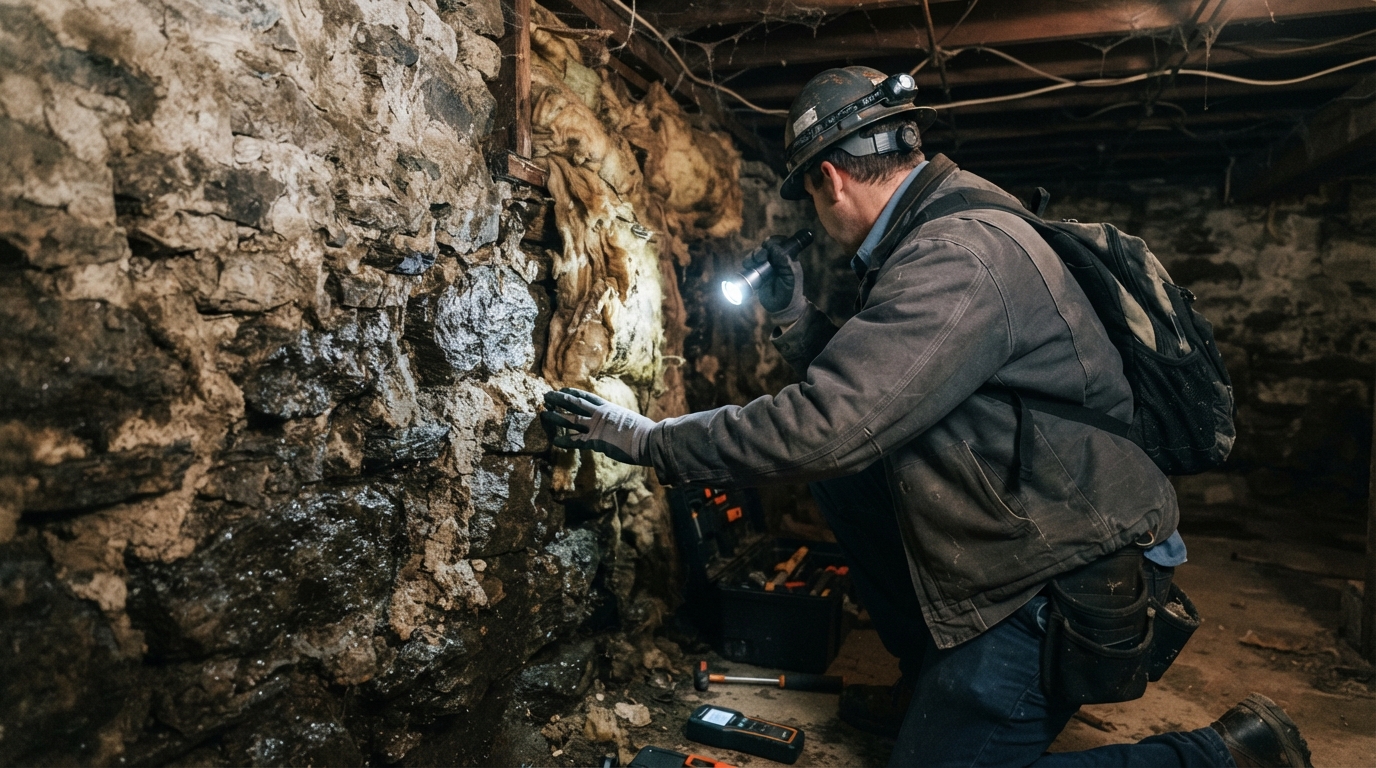
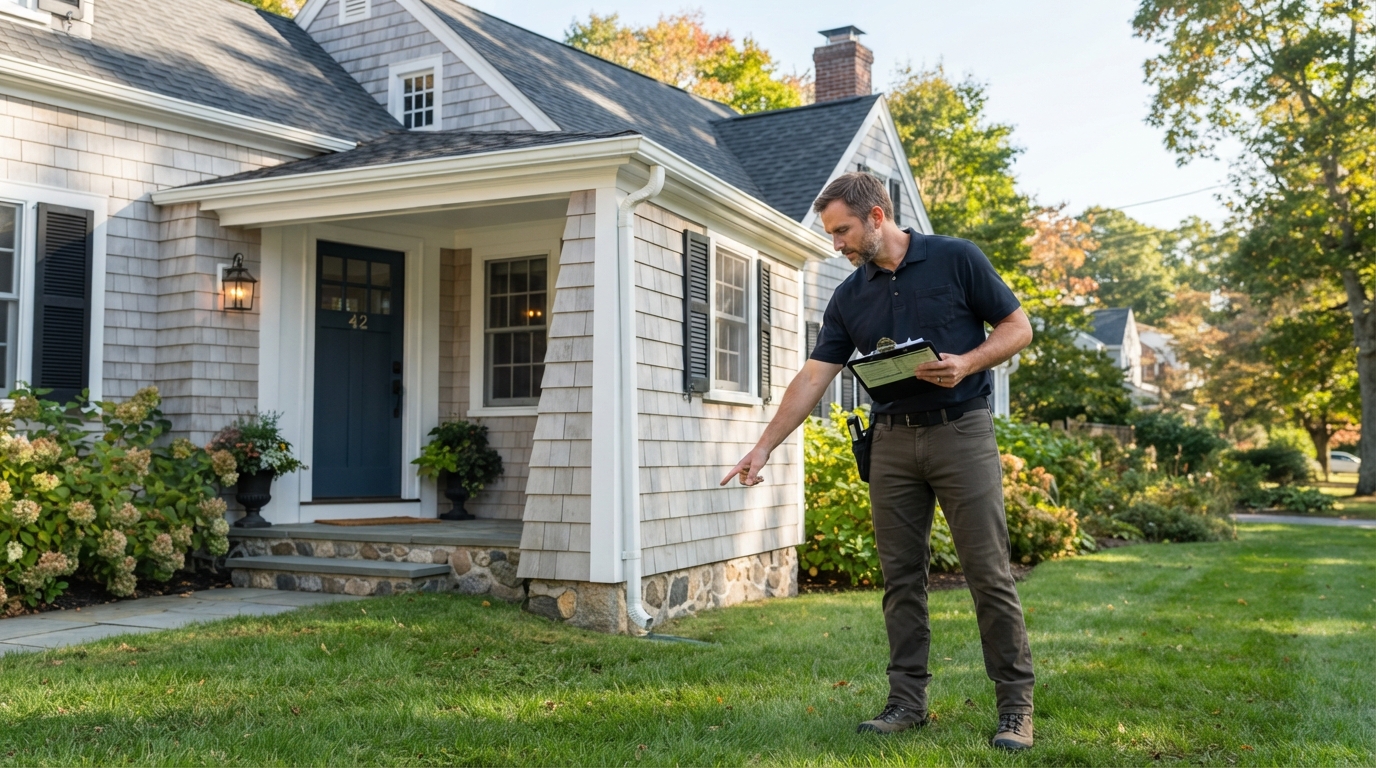
A thorough inspection of older basements and attics can reveal environmental hazards before you commit to buying.
Mold: A Symptom, Not the Disease
Mold is a fungus that grows in damp, humid environments. In older North Shore homes — especially those with stone foundations, poor ventilation, or past water damage — mold is extremely common.
But here's the most important thing to understand: mold is a symptom of a moisture problem. If you remove the mold but don't fix the water source, the mold will come back.
Common causes in North Shore homes include:
- Basement water seepage through stone foundations
- Poor bathroom ventilation in older homes
- Roof leaks from aging shingles or flashing
- Plumbing leaks behind walls or under floors
- Condensation from inadequate insulation in cold months
- Flooding from coastal storms or heavy rain events
A standard home inspection is visual only — your inspector will note visible mold growth and recommend further evaluation. For a definitive assessment, hire a certified mold inspector who will take air samples and surface swabs. Mold testing typically costs $300 to $600 in Massachusetts.
Mold remediation costs vary widely: small, localized removals may cost $500 to $1,500, while whole-house remediation after significant water damage can run $5,000 to $15,000 or more. The underlying moisture problem must also be fixed — which can add significant cost.
Your Inspection Period: A Step-by-Step Game Plan
Hire a home inspector experienced with older homes
Not all inspectors are equal. Ask specifically about their experience with pre-1950 homes, stone foundations, and environmental hazards. Check out our guide to inspecting older North Shore homes.
Request environmental testing as add-on services
Ask for mold air sampling (especially if you see water stains or smell mustiness) and asbestos bulk sampling (if suspected materials are identified). These are separate from the standard inspection fee.
Get remediation quotes before your contingency expires
If testing confirms asbestos, vermiculite, or significant mold, get at least two quotes from licensed Massachusetts remediation contractors. You need real numbers to negotiate.
Negotiate: credits, remediation, or walk away
You have three options: ask the seller to remediate before closing, request a price credit equal to remediation costs, or walk away if the costs are too high. Massachusetts' new home inspection law protects your right to a professional inspection without pressure to waive it.
What Massachusetts Law Says
Massachusetts regulates asbestos under the Department of Environmental Protection (MassDEP) and the Department of Labor Standards (DLS). Key rules:
- Only licensed asbestos contractors may remove asbestos-containing materials in Massachusetts. DIY removal is illegal and carries significant fines.
- MassDEP notification is required 10 business days before any asbestos removal project exceeding certain thresholds.
- Sellers are not required to disclose asbestos, mold, or vermiculite under Massachusetts' caveat emptor doctrine — but they cannot actively conceal known problems. See our seller disclosure guide for details.
- Buyers have the right to a professional inspection — the 2025 Affordable Homes Act prohibits sellers from requiring buyers to waive their inspection.
What Does Remediation Cost?
| Issue | Testing Cost | Remediation Cost Range |
|---|---|---|
| Asbestos pipe/boiler insulation | $200–$400 | $1,500–$3,000 |
| Asbestos floor tiles/siding | $200–$400 | $5,000–$15,000 |
| Vermiculite attic insulation | $250–$500 | $4,000–$15,000 |
| Mold (localized) | $300–$600 | $500–$1,500 |
| Mold (whole-house) | $300–$600 | $5,000–$15,000+ |
Costs are estimates based on Massachusetts contractor rates as of 2026. Actual costs vary by project scope, accessibility, and contractor.
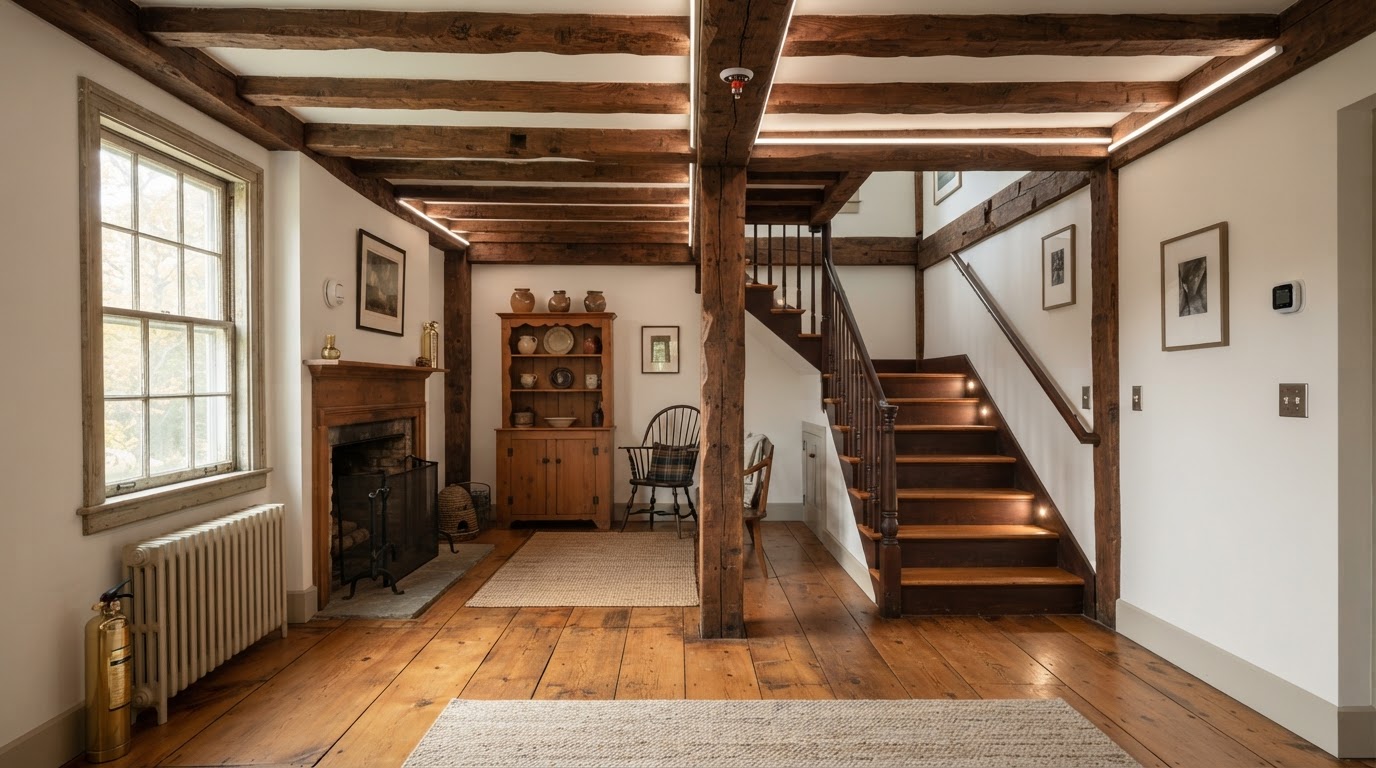
Old homes can be made safe — proper remediation preserves character while protecting your loved ones's health.
The Bottom Line: Don't Panic, Just Be Informed
I've helped buyers purchase hundreds of older homes on the North Shore. The vast majority had at least one of these issues. In almost every case, we negotiated a solution — either a seller credit, a pre-closing remediation, or a price adjustment that made the buyer whole.
The homes that are truly problematic are the ones where buyers didn't know what they were buying. Knowledge is your best protection. A thorough inspection, professional testing when warranted, and clear-eyed remediation quotes turn a potentially scary discovery into a manageable negotiation.
If you're considering an older North Shore home and have questions about inspections, environmental hazards, or negotiation strategy, I'm here to help.
Buying an Older North Shore Home?
I'll help you navigate inspections, environmental testing, and negotiations so you can buy with confidence — not anxiety.
Related Guides
Home Inspections for Older North Shore Homes
What to inspect in pre-1950 homes — foundations, wiring, plumbing, and structural systems.
Massachusetts Lead Paint Law Guide
What buyers and sellers need to know about lead paint disclosure and deleading in MA.
8 Questions Before Buying a Pre-1950 Home
The critical questions every buyer should ask before purchasing an antique home.
Massachusetts Seller Disclosure Laws
What sellers must tell you — and what they don't have to — under caveat emptor.