
Selling a Vacant Home on the North Shore: What Sellers Need to Know
A vacant home can sell fast — or sit and drain your wallet. The difference comes down to staging, maintenance, insurance, and pricing.
The Short Version
- •Stage at least minimally. A few key pieces help buyers connect and understand scale.
- •Keep utilities on — light, heat, and water prevent damage and make showings comfortable.
- •Check your insurance. Standard policies often limit coverage after 30–60 days vacant.
- •Maintain regularly — landscaping, pest checks, and periodic walk-throughs prevent costly surprises.
- •Price to sell promptly. Carrying costs make a quick sale at a fair price better than holding out.
A Vacant Home Is a Double-Edged Sword
Selling a vacant North Shore home has real advantages: showings are always available, the home can be kept pristine, and there are no tenant or occupant complications. But it also carries risks — carrying costs, insurance gaps, maintenance issues, and the psychological challenge buyers face in an empty space. The sellers who win are the ones who treat a vacant home like a managed asset: staged, maintained, insured, and priced to move.
Stage It — Even Minimally
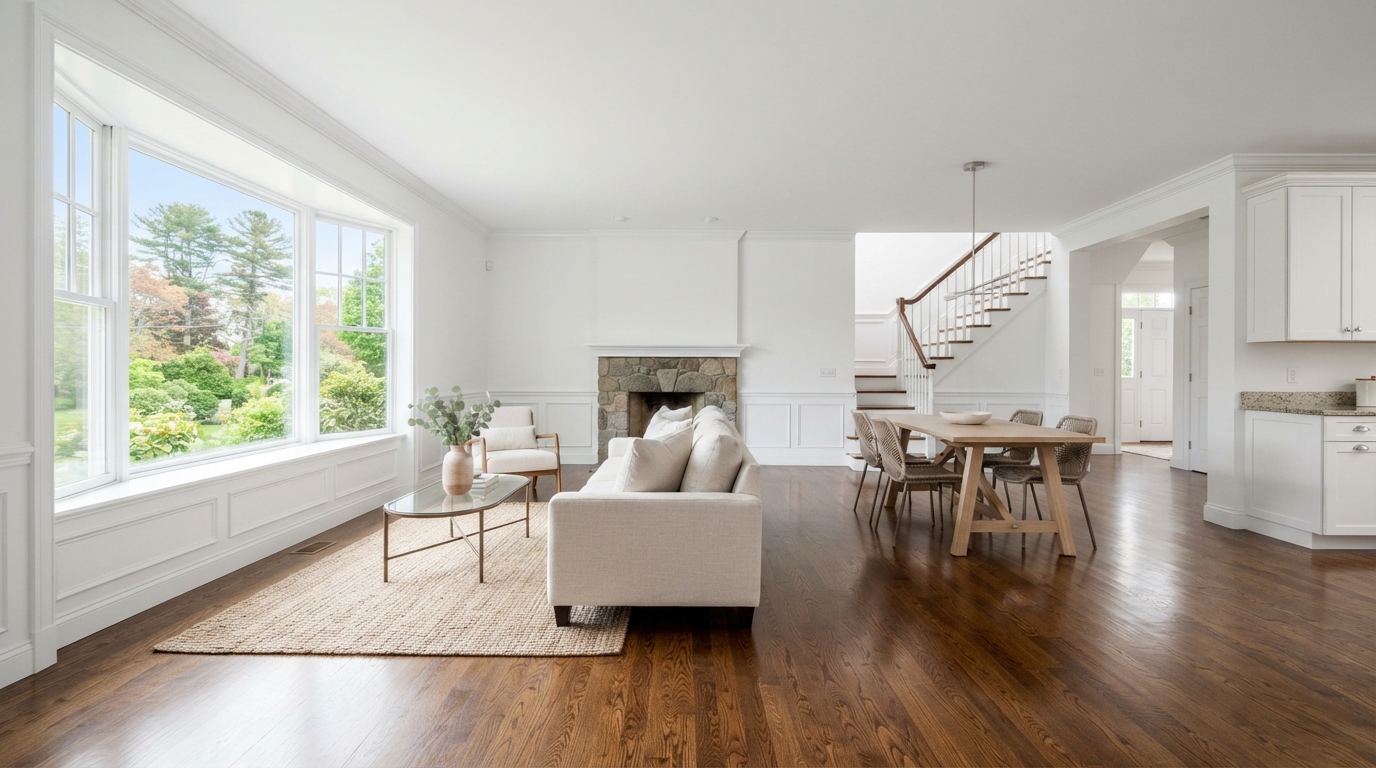
An empty room feels smaller than a furnished one, and buyers struggle to gauge scale or imagine their life in a bare space. You don't need full staging. A bed in the primary bedroom, a sofa and rug in the living room, and a table in the dining area transform how buyers perceive the home. For higher-priced North Shore homes, full professional staging often pays for itself. If budget is tight, virtual staging in listing photos is an affordable alternative — though in-person staging converts better. See our budget staging guide.
Keep Utilities On
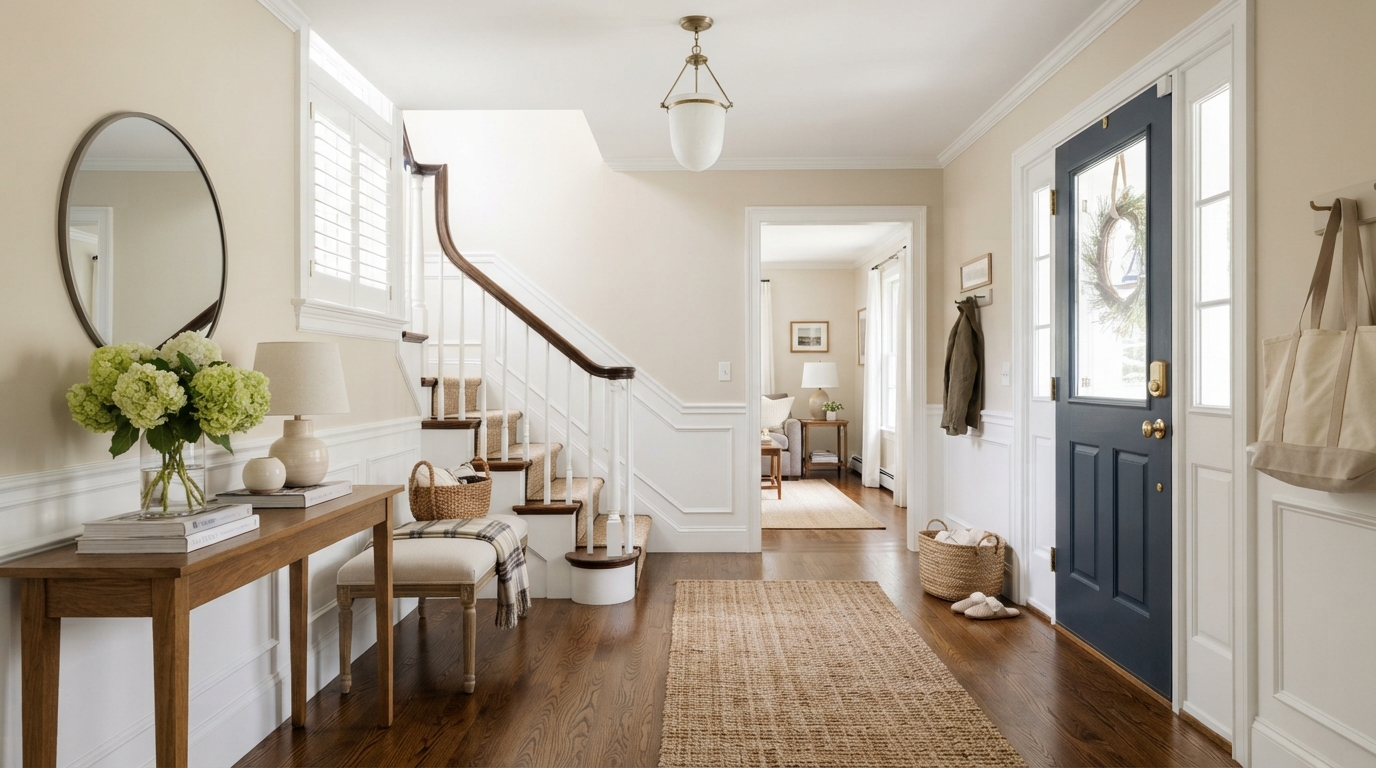
It's tempting to shut off utilities to save money — don't. Keep electricity, water, and heat/AC on. A lit home shows better; a warm home in winter and cool home in summer makes buyers linger. Running water prevents seal damage and detects leaks. Heat prevents frozen pipes — a single burst pipe can cost tens of thousands. The utility bill is trivial compared to the damage or lost sale from a cold, dark, damaged home.
Check Your Insurance Immediately
This is the most overlooked risk. Many standard homeowners policies limit or void coverage after a home is vacant for 30–60 days. If a pipe bursts or a break-in occurs during that gap, you may not be covered. The moment your home becomes vacant, call your insurer. You'll likely need a vacant-home policy or a vacancy endorsement. It costs more, but it's essential protection. See our homeowners insurance guide.
Maintain the Home Regularly
A vacant home deteriorates faster than you'd think. Arrange regular check-ins — by you, a neighbor, or a property service — to: maintain landscaping (an overgrown yard signals neglect), check for pests, run water to keep seals moist, monitor for leaks, and keep the home clean and bright. A vacant home that's warm, lit, and well-kept shows beautifully. A vacant home that's cold, dark, and overgrown scares buyers away.
Price to Sell Promptly
Every month a vacant home sits, you pay mortgage, taxes, insurance, utilities, and maintenance — and buyer perception worsens. A vacant home that lingers on the market raises questions: "What's wrong with it?" Price competitively from day one. A quick sale at a fair price almost always nets more than holding out for a higher number while carrying costs accumulate. Your agent will factor carrying costs into the pricing strategy.
Security Considerations
Vacant homes can attract trespassers or vandalism. Use timed lights to simulate occupancy, maintain the exterior so it doesn't look abandoned, install a smart doorbell or security camera if feasible, and ensure all entry points are secure. Your agent should use a lockbox and accompany all showings — never allow unaccompanied access to a vacant home.
The Bottom Line
A vacant home can be your fastest, cleanest sale — or a slow drain on your equity. Stage it, keep it lit and warm, insure it properly, maintain it, and price it to move. With the right plan, a vacant home often outperforms an occupied one. For a vacant-home selling strategy tailored to your property and timeline, schedule a consultation — I'll handle the staging, maintenance coordination, and pricing so you don't carry the home a day longer than necessary.