The Short Version
Many homes on the North Shore have private wells instead of town water. If you are buying one of these homes, you need to test the water before closing. Private wells are not checked by the town or the EPA. You are the only person who makes sure the water is safe.
You should also test for radon — both in the air and in the water. Radon is a gas that comes from the ground, and many parts of Essex County have elevated radon levels. This guide explains what to test for, how much it costs, and what to do if the results show a problem.
Why This Matters on the North Shore
Not every North Shore town has town water. If you are buying in Essex, Ipswich, Rowley, Boxford, Topsfield, Georgetown, West Newbury, or parts of Hamilton and Wenham, there is a good chance the home has a private well. That means the water coming out of the tap comes from a hole drilled in the ground on the property — not from a municipal water system.
Town water is tested and treated by the city or town. Private wells are not. There is no one checking whether your well water is safe. The only way to know is to test it yourself. This is not a reason to avoid buying a home with a well — thousands of North Shore families drink well water every day. But you need to know what is in the water before you commit to buying.
What Is a Private Well?
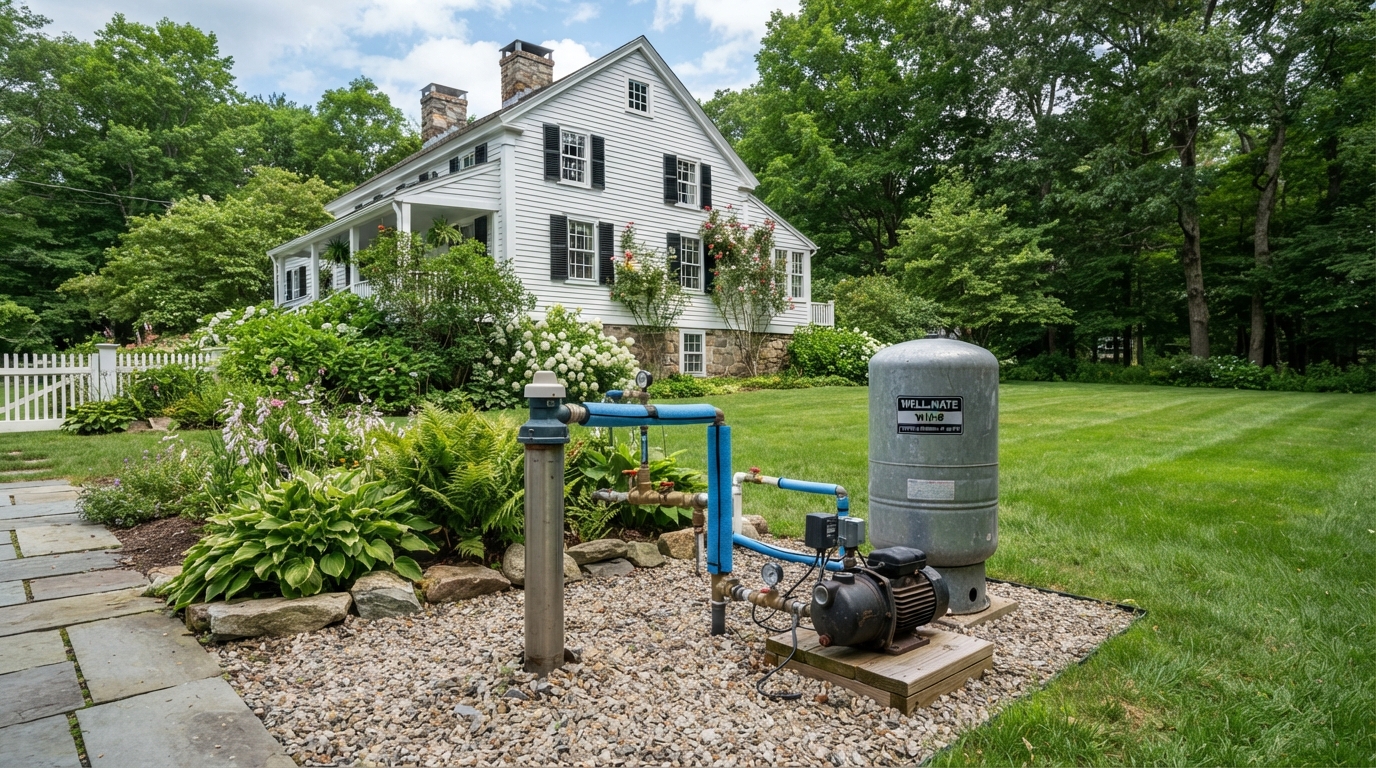
A private well is a pipe drilled deep into the ground that pulls water from an underground layer called an aquifer. A pump sends the water into your home. Most North Shore wells are drilled wells, which means they go straight down through rock to reach clean water far below the surface.
The advantage of well water is that it usually tastes good and has no chlorine. The disadvantage is that you are responsible for making sure it is safe. If bacteria, minerals, or contaminants get into the water, you need to find the problem and fix it yourself.
What Should You Test For?
The Massachusetts Department of Environmental Protection (Mass DEP) recommends testing well water for a list of specific contaminants. Here is what each test looks for and why it matters:
Basic Tests (Always Do These)
- Coliform bacteria and E. coli: These bacteria can make you sick. They get into wells from animal waste, septic systems, or surface water. If the test finds them, the well needs to be treated.
- Nitrate and nitrite: These come from fertilizer and septic systems. High levels are dangerous for infants and pregnant women.
- pH level: If the water is too acidic (low pH), it can corrode pipes and leach lead and copper into your water. If it is too alkaline (high pH), it can leave mineral buildup.
- Lead: Lead can come from old pipes or from the groundwater itself. There is no safe level of lead in drinking water.
Extended Tests (Strongly Recommended)
- Arsenic: Arsenic occurs naturally in Massachusetts groundwater, especially in bedrock wells. Long-term exposure increases cancer risk. This test is important in Essex County.
- Radon in water: Radon gas can dissolve into well water. When you shower or run the dishwasher, the gas is released into the air in your home.
- Uranium: Like arsenic, uranium can occur naturally in bedrock. It is a health risk if levels are high.
- Manganese and iron: These minerals are common in North Shore wells. They are not usually dangerous, but they can stain fixtures and affect taste.
- Hardness: Hard water has high calcium and magnesium. It is not a health risk, but it can shorten the life of appliances and make soap less effective.
Special Tests (If the Situation Calls for It)
- Volatile Organic Compounds (VOCs): Test for these if the home is near a gas station, industrial site, or old dump. VOCs include chemicals like benzene and solvents.
- PFAS: These "forever chemicals" are being found in more Massachusetts water sources. If the area has a known PFAS concern, add this test.
- Pesticides and herbicides: Test if the property was previously farmland or is near active agriculture.
Radon: The Hidden Gas You Need to Test For
Radon is a radioactive gas that comes from the natural breakdown of uranium in soil and rock. You cannot see it, smell it, or taste it. But it can build up inside your home and increase your risk of lung cancer over time. The U.S. Surgeon General has warned that radon is the second leading cause of lung cancer in the United States.
Radon enters your home in two ways:
- Through the air: Radon gas seeps up through cracks in the foundation, basement floors, and walls. This is the most common way radon enters a home.
- Through well water: If you have a private well, radon can dissolve into the water underground. When you use the water for showering, washing dishes, or doing laundry, the radon gas is released into the air inside your home.
Many parts of Essex County have moderate to high radon potential. The only way to know is to test. Air radon tests are simple and inexpensive. Water radon tests require sending a water sample to a certified lab.
What Is a Safe Radon Level?
Radon is measured in picocuries per liter (pCi/L). Here is what the numbers mean:
Air Radon Below 2 pCi/L
Low risk. No action needed. Consider re-testing every few years.
Air Radon 2–4 pCi/L
Moderate risk. Consider installing a mitigation system, especially if anyone in the home spends significant time in the basement.
Air Radon Above 4 pCi/L
High risk. The EPA recommends installing a radon mitigation system. This is a common fix and usually costs $1,200 to $2,500.
Water Radon Above 4,000 pCi/L
EPA recommends considering treatment. Massachusetts recommends action above 10,000 pCi/L. Aeration or carbon filtration systems can fix this.
Important: Air Radon Is the Bigger Risk
If you only test one thing, test air radon. Air radon is the bigger health risk because you breathe it every day. Water radon matters too, but it is a smaller contributor to your total radon exposure. If your air radon is high, install a mitigation system regardless of what the water test shows.
What Does Water and Radon Testing Cost?
Testing is a small investment compared to the cost of buying a home. Here is what to expect:
- Basic water panel (bacteria, nitrate, pH, lead): $150 to $300
- Comprehensive water panel (adds arsenic, radon, uranium, manganese): $400 to $800
- Air radon test kit: $15 to $30 (you can do this yourself)
- Continuous air radon monitor (more accurate): $50 to $150
- Radon mitigation system (if needed): $1,200 to $2,500
- Water filtration system (if needed): $800 to $3,000 depending on what you are filtering
How to Get Your Water Tested
- Ask your home inspector. Many home inspectors offer water testing as part of their inspection package. They collect the sample and send it to a lab.
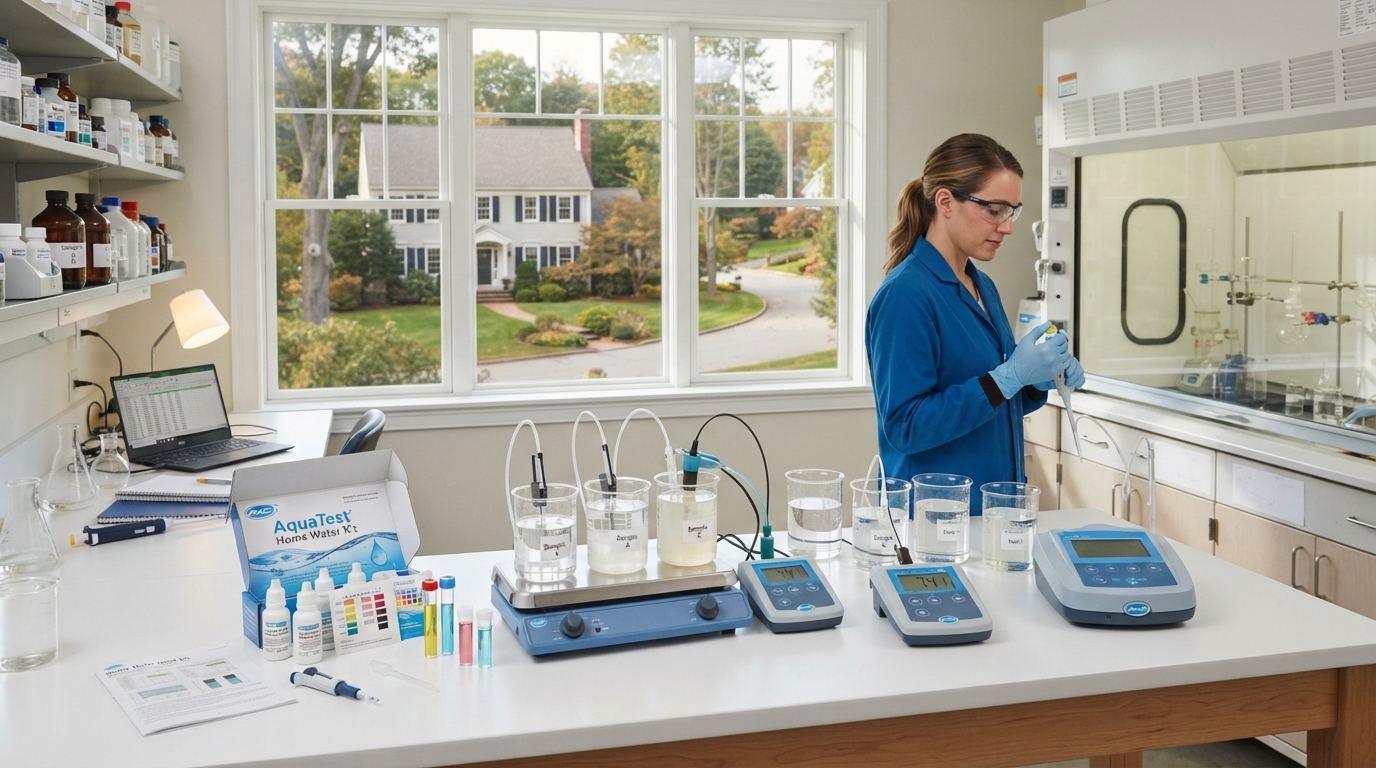
- Use a Massachusetts-certified lab. The Mass DEP maintains a list of certified drinking water labs. You can collect the sample yourself using the lab's instructions and drop it off or mail it.
- Follow the collection instructions carefully. Water samples can be affected by how they are collected. Use a sterile bottle, run the water for the right amount of time, and get the sample to the lab quickly.
- Get results in 3 to 10 days. Basic tests come back fast. Specialized tests for arsenic, uranium, or VOCs can take longer.
What If the Test Results Show a Problem?
Finding a problem in the water test does not mean you should walk away from the home. Most water problems are fixable. Here is what you can do:
- Bacteria: The well can be chlorinated (shocked) to kill bacteria. A UV light system can be installed to prevent future contamination.
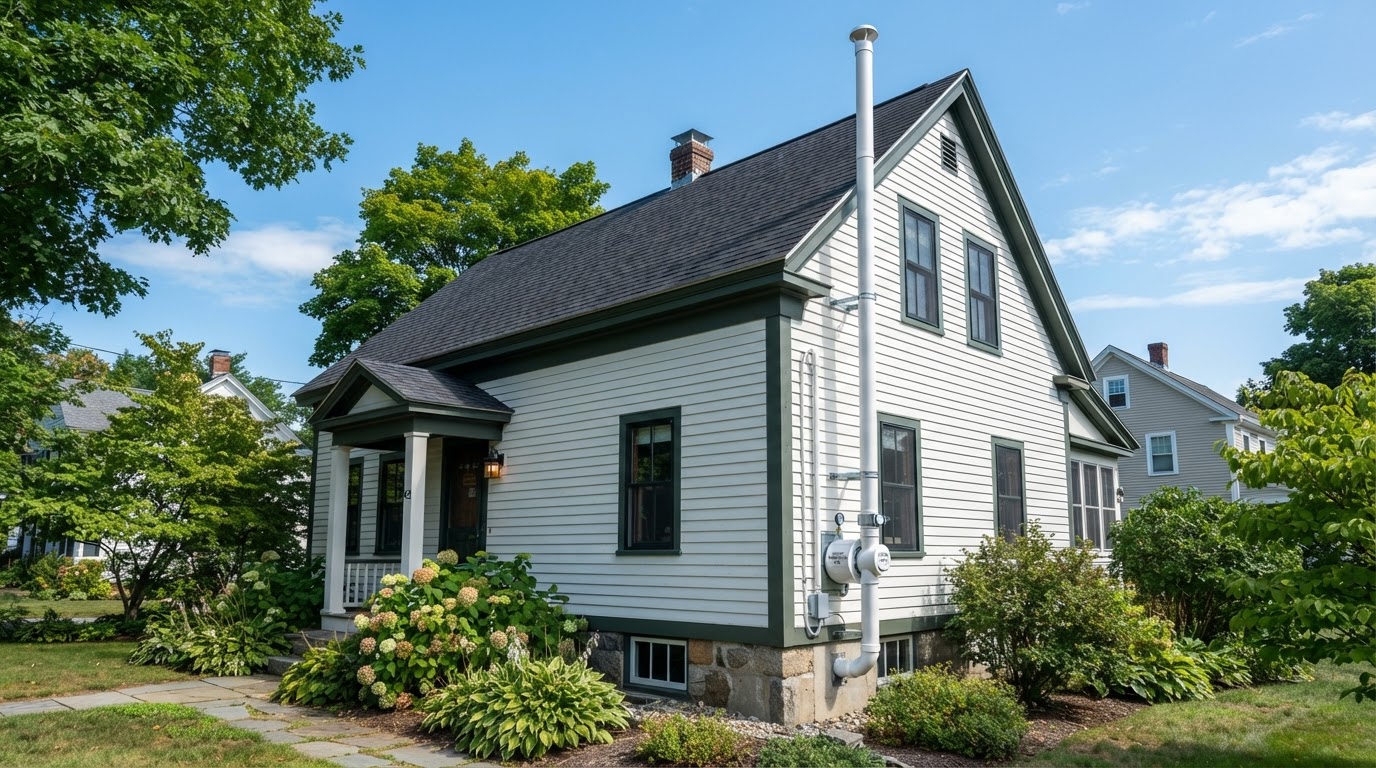
- High radon in air: A radon mitigation system uses a pipe and fan to pull radon gas from under the foundation and vent it outside above the roof.
- High radon in water: An aeration system or granular activated carbon tank can remove radon from well water before it enters the home.
- Arsenic or uranium: Special filtration systems (reverse osmosis or adsorptive media) can remove these from your water.
- Iron, manganese, or hardness: A water softener or iron filter handles these. They are more of a comfort issue than a safety issue.
If your purchase offer included a home inspection contingency, you can negotiate with the seller. They may agree to install a treatment system, give you a credit at closing, or lower the price. If the problem is serious and the seller will not fix it, you can walk away.
Which North Shore Towns Have the Most Private Wells?
Not every North Shore town relies on private wells. Here is a general guide:
Towns with Many Private Wells
- Essex
- Ipswich (rural areas)
- Rowley
- Boxford
- Topsfield
- Georgetown
- West Newbury
- Parts of Hamilton & Wenham
Towns with Mostly Town Water
- Beverly
- Salem
- Peabody
- Lynn
- Gloucester (most areas)
- Newburyport
- Swampscott
- Marblehead
Even in towns with municipal water, some homes in outlying areas may still have private wells. Always ask the listing agent or check the property disclosure before assuming.
Your Water Testing Checklist Before Closing
- Find out if the home has a private well or town water.
- If it has a well, schedule water testing as part of your home inspection.
- Test for bacteria, nitrate, pH, lead, arsenic, radon, uranium, and manganese at minimum.
- Test air radon separately — every home should have this test, well or not.
- Use a Massachusetts-certified lab for water testing.
- Review the results with your home inspector and your agent.
- If results show problems, negotiate repairs, treatment, or credits with the seller.
- After buying, test bacteria yearly and chemicals every 3 to 5 years.
Kathleen's Take
I work with buyers across the North Shore, and well water comes up all the time in towns like Essex, Ipswich, Rowley, and Boxford. Most well water is perfectly safe, but you should never assume. Testing is not expensive, and it gives you peace of mind — or a chance to negotiate before you buy.
Radon is the other thing I always recommend testing for, whether the home has a well or not. Essex County has moderate to high radon potential, and the test costs less than dinner for two. If you are buying a home on the North Shore, I will make sure water and radon testing are part of your inspection plan. If you have questions, let's talk.