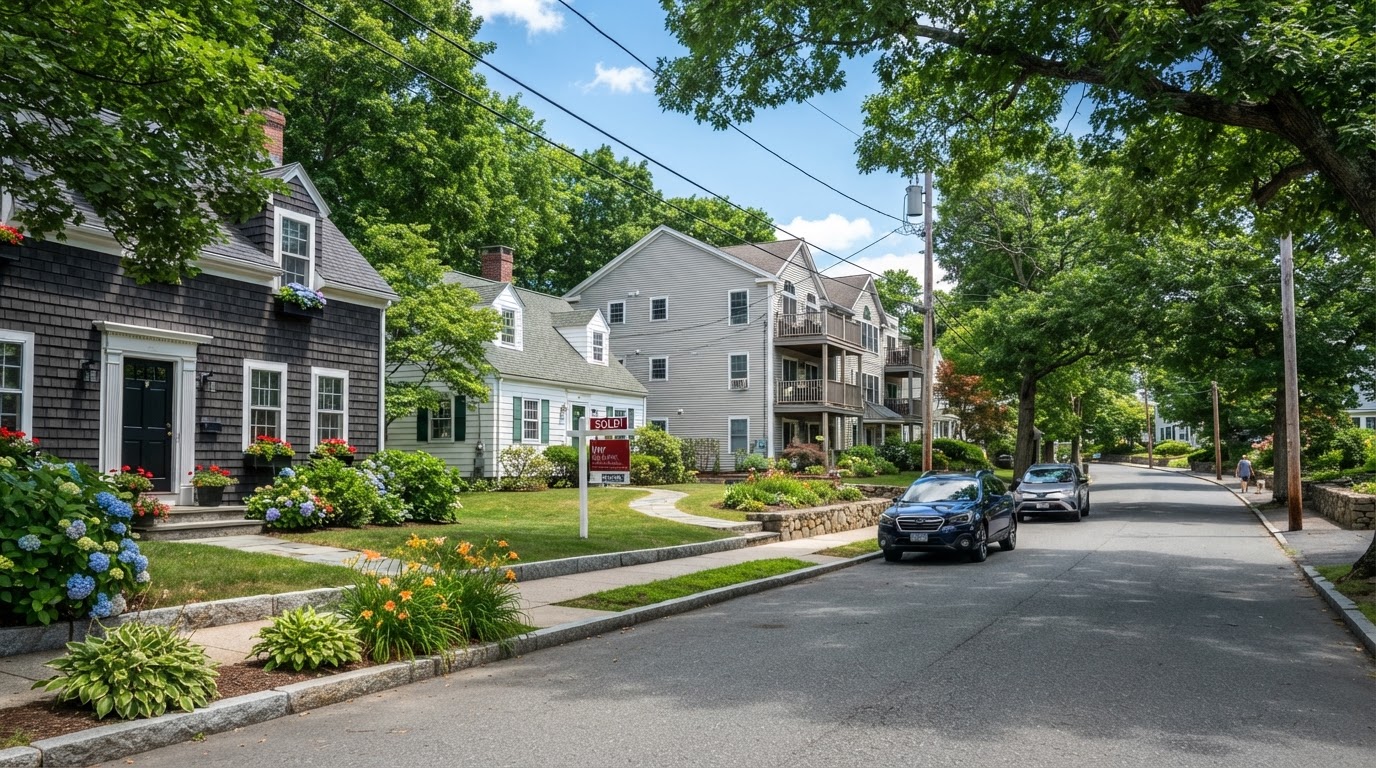
If you are thinking about buying a home on the North Shore right now, you are walking into a different market than the one that existed a year ago. Inventory is up. Buyers have more room to negotiate. And the decisions you make before you make an offer matter more than they have in a long time.
This checklist is not a generic list of tips. It is the specific set of questions and steps I walk buyers through when we start working together on the North Shore — from Beverly to Newburyport, Gloucester to Swampscott, and everywhere in between.
1. Know What You Are Actually Looking For
Before you scroll through listings for weeks, get clear on three things: your budget, your must-haves, and your dealbreakers. Not your wish list — your actual requirements.
On the North Shore, this matters more than in most markets because the housing stock varies so dramatically from one town to the next. A Colonial in Beverly is a different product from a condo in Salem, which is different from a waterfront cottage in Gloucester. If you cannot articulate what you actually need, you will waste time looking at properties that were never going to work.
I ask buyers to separate their needs from their wants in writing. It sounds simple, but it prevents a lot of wasted tours and helps you move quickly when the right home shows up.
2. Get Pre-Approved — Not Just Pre-Qualified
A pre-approval letter from a lender tells sellers you are a serious, qualified buyer. In a market where some listings still receive multiple offers, a pre-approval can make the difference between your offer being considered and being ignored.
It also protects you. A pre-approval gives you a clear understanding of what you can actually afford — not what an online calculator estimated. Talk to a local lender who understands North Shore pricing, condo associations, and the nuances of financing older homes. I can connect you with preferred lenders who work in this market every day.
3. Understand the Town Before You Fall in Love With the House
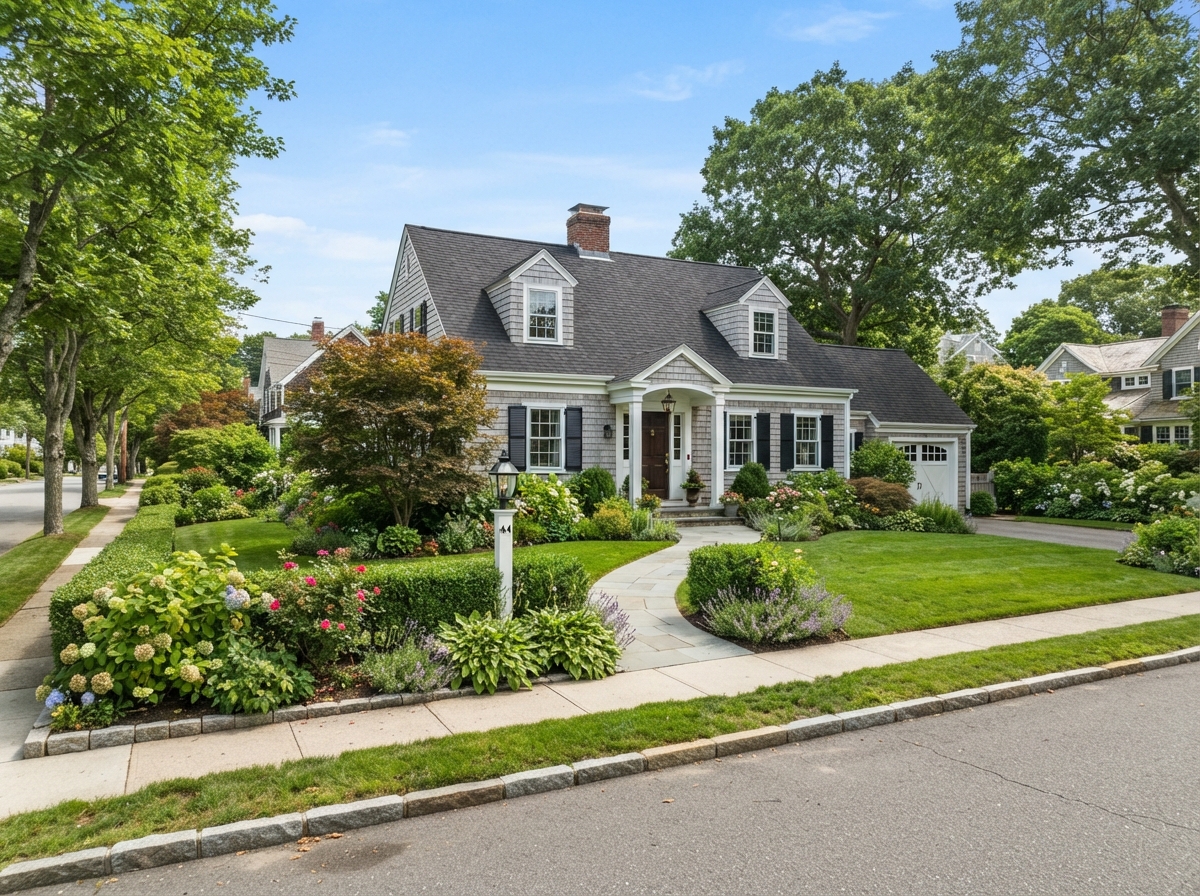
This is the step most buyers skip — and it is the one that matters most on the North Shore. Every town here is different. Commuting, schools, beach access, downtown character, housing stock, and price per square foot all vary considerably from one community to the next.
Before you get attached to a listing, ask yourself:
- Does this town fit my commute? (Check MBTA commuter rail access.)
- Does the housing stock match what I want? (Historic Colonials vs. newer condos vs. waterfront cottages.)
- Are the property taxes manageable? (They vary significantly by town. Read my property tax guide.)
- Do I understand the coastal considerations? (Flood zones, beach rights, insurance.)
I have written a detailed town-by-town comparison to help you answer these questions honestly before you start touring.
4. If You Are Considering a Condo, Evaluate the Association
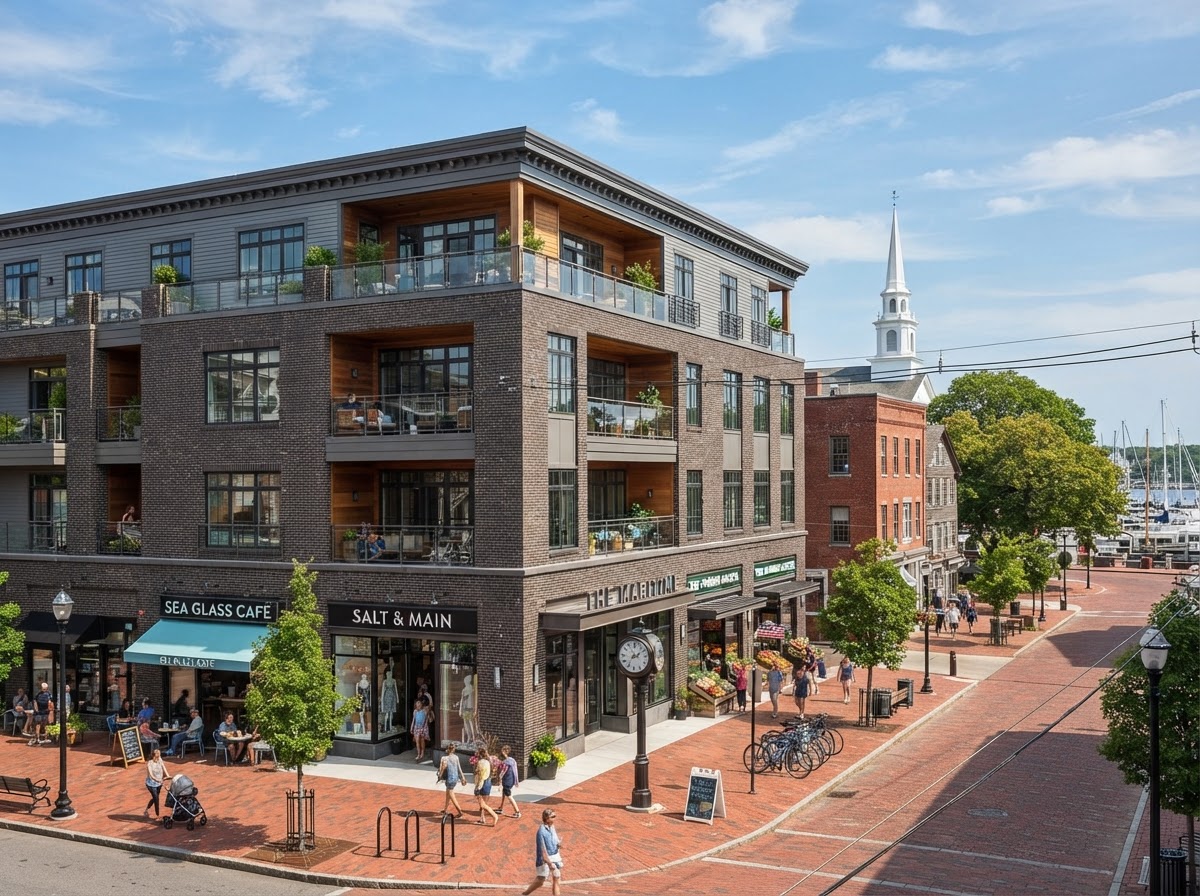
Condos can be a smart entry point on the North Shore, especially with condo inventory up 17 percent in Greater Boston right now. But a condo purchase is not just a real estate decision — it is also a decision to join a financial partnership with other unit owners.
Before making an offer on a condo, review:
- The monthly HOA fee and what it covers
- The reserve fund balance and health
- Any pending special assessments
- The master insurance policy
- Recent meeting minutes for signs of conflict or deferred maintenance
My condo fees guide walks through exactly how to evaluate HOA reserves and avoid costly surprises. And if you are new to condo buying, the new Massachusetts condo purchasing rules are required reading.
5. Inspect the Right Things for the Property Type
The North Shore has some of the oldest housing stock in the country. That is part of what makes it beautiful — but it also means inspections matter. A lot.
For older homes, make sure your inspection covers:
- Electrical system (knob-and-tube wiring is still present in some pre-1950 homes)
- Plumbing (galvanized pipes, lead supply lines)
- Foundation (stone foundations, settling, water intrusion)
- Windows (original single-pane, lead paint on old sashes)
- Insulation and energy efficiency
For coastal properties, add flood zone verification, elevation certificates, seawall condition, and a review of Chapter 91 coastal regulations. My guide to home inspections on older North Shore homes goes deeper.
6. Use Your Negotiation Leverage
With inventory up 13.7 percent year-over-year, buyers have more negotiating power than they have had in years. But most buyers do not know how to use it.
In a shifting market, you can negotiate on:
- Price — especially if the home has been listed for more than 30 days
- Closing costs — ask the seller to credit toward your closing costs or rate buy-down
- Repairs — request credits or repairs based on inspection findings
- Closing timeline — flexibility on the closing date can be worth money to the right seller
- Rate buy-downs — a seller credit toward a 2-1 buy-down can lower your monthly payment for the first two years
My Negotiation Playbook breaks down 7 specific leverage points buyers can use right now.
7. Understand the Full Cost of Ownership
The purchase price is only part of the cost. Before you commit, make sure you understand:
- Property taxes (varies by town — check the property tax guide)
- Homeowners insurance (and flood insurance if you are near the coast)
- HOA or condo fees if applicable
- Closing costs (typically 2-5 percent of the purchase price — see my closing costs guide)
- Maintenance and repairs — especially for older homes
- Private road maintenance agreements if applicable (see private roads guide)
8. Have a Plan for What Happens After the Offer Is Accepted
Getting your offer accepted is not the finish line. The period between acceptance and closing — the underwriting period — is where many buyers make costly mistakes.
Do not open new credit lines, do not change jobs, do not move large sums of money between accounts, and do not make large purchases. Your lender is watching. My guide to the biggest mistakes first-time buyers make after their offer is accepted covers this in detail.
Kathleen's Take
The North Shore in 2026 is not the frenzied market of 2021 or 2022. It is a market where preparation, local knowledge, and a clear strategy give buyers a real advantage. The buyers who do well right now are the ones who understand the town before they tour the house, inspect the right things for the property type, and use their negotiation leverage instead of assuming the asking price is fixed.
If you are thinking about buying on the North Shore, I would rather help you figure out the right town and the right property type before you start touring — not after you have already made an offer on the wrong home. Let's talk.