Radon Testing in Massachusetts Homes: What North Shore Buyers Need to Know
Radon is invisible, odorless, and the leading cause of lung cancer among non-smokers. Here's how to test for it, what the results mean, and what to do if levels are high.
The Short Version
- • Radon is a radioactive gas from uranium breakdown in soil — it seeps into homes through foundation cracks.
- • It's the #1 cause of lung cancer among non-smokers. You can't see, smell, or taste it.
- • Action level is 4.0 pCi/L. The only way to know your level is to test.
- • Testing costs $150–$300 and takes 2–7 days. Mitigation costs $1,200–$2,500.
- • You can negotiate with the seller to install a mitigation system or provide a credit.
What Is Radon and Why Should You Care?
Radon is a naturally occurring radioactive gas produced by the breakdown of uranium in soil, rock, and water. It's invisible, odorless, and tasteless — you cannot detect it without a test. Radon seeps into homes through cracks in the foundation, gaps around pipes and sump pits, construction joints, and even through well water.
Why does it matter? The EPA estimates that radon causes about 21,000 lung cancer deaths per year in the United States — making it the second leading cause of lung cancer overall and the leading cause among non-smokers. The risk depends on the radon level and the length of exposure. The higher the level and the longer you live in the home, the greater your risk.
How Common Is Radon in Massachusetts?
Radon is found throughout Massachusetts. The EPA classifies most of the state as Zone 2 (moderate potential, with average levels between 2 and 4 pCi/L). However, the North Shore's granite geology — particularly in communities like Gloucester, Rockport, and Beverly — can produce higher-than-average radon levels. The Massachusetts Department of Public Health recommends that all homes be tested, regardless of geographic location.
Radon levels can vary dramatically from one home to the next, even on the same street. The age, construction type, foundation condition, and ventilation of a home all affect radon entry. A neighbor's low radon level does not guarantee yours will be low. The only way to know is to test.
How Radon Testing Works
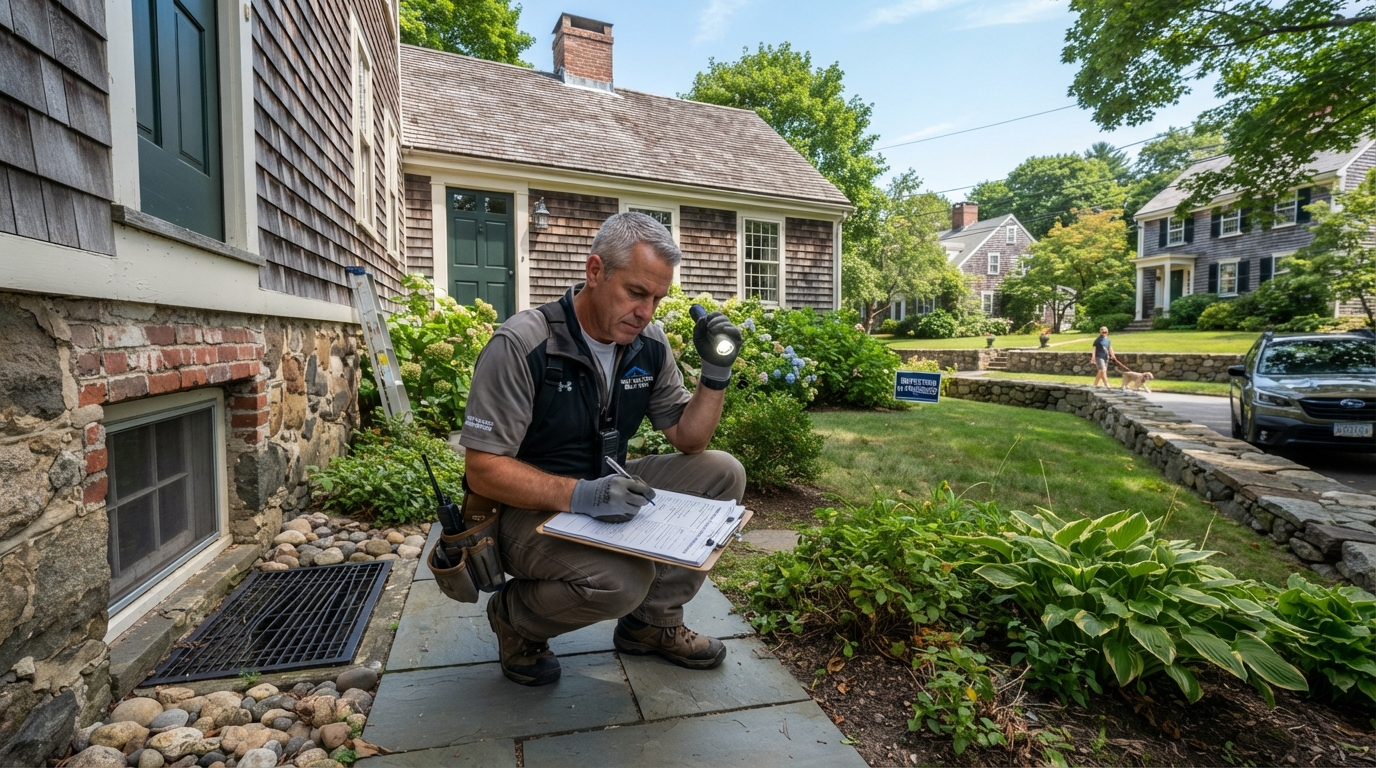
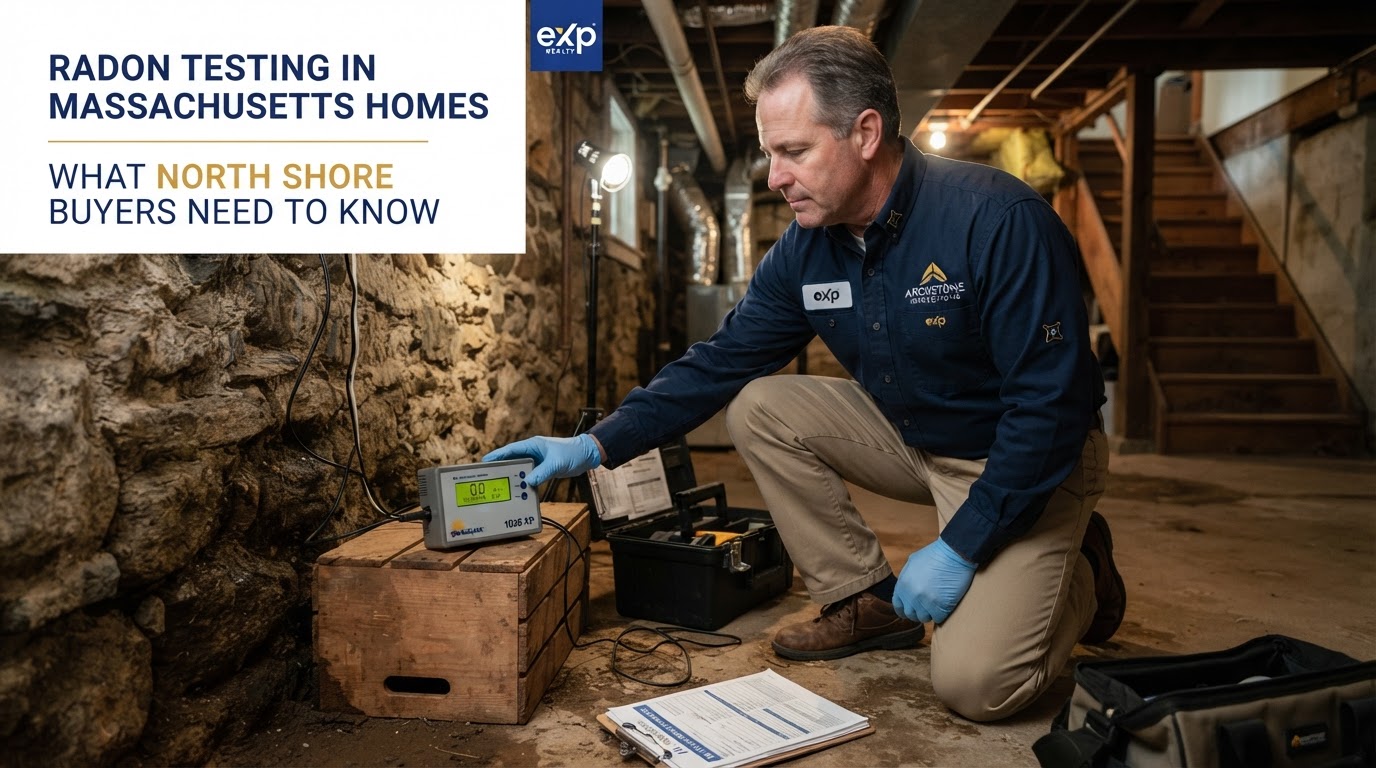
Radon testing is simple and non-invasive. A small device is placed in the lowest livable level of the home (typically the basement or ground floor) for a set period:
- • Short-term tests (2–7 days) are most common during real estate transactions. They use charcoal canisters, alpha-track detectors, or continuous monitors.
- • Long-term tests (3–12 months) give a more accurate picture of year-round radon exposure, since levels fluctuate with seasons and weather.
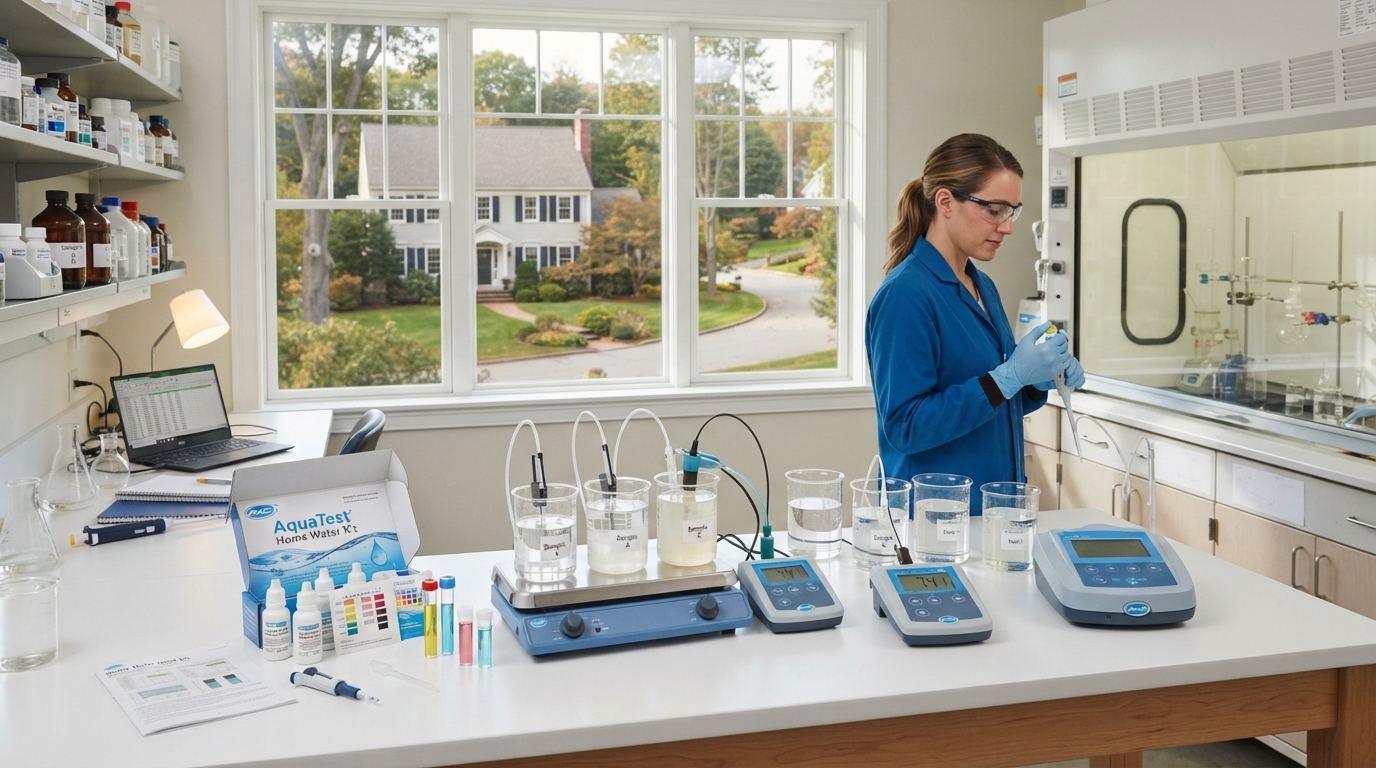
For a real estate transaction, a professional radon test is recommended. Professional testing provides chain-of-custody documentation and is more reliable than DIY kits, which can be tampered with or improperly placed. The test device is sent to a lab for analysis, and results are typically available within a few days.
Understanding Your Radon Test Results
Radon is measured in picocuries per liter (pCi/L). Here's what the numbers mean:
| Radon Level (pCi/L) | Risk Level | Recommendation |
|---|---|---|
| Below 2.0 | Low | No action needed. Consider retesting every 2–5 years. |
| 2.0–3.9 | Moderate | Consider mitigation, especially if you spend time in the basement. WHO recommends action at 2.7. |
| 4.0 or higher | High | Mitigation recommended. Negotiate with seller if buying. |
Radon Mitigation: How It Works
If your test shows elevated radon levels, don't panic — radon mitigation is highly effective. The most common method is sub-slab depressurization:
- 1. A hole is drilled through the basement floor (or exterior foundation for slab homes).
- 2. A PVC pipe is inserted and connected to a fan mounted outside or in the attic.
- 3. The fan creates negative pressure under the slab, drawing radon gas up through the pipe and venting it outside above the roofline.
- 4. The system runs continuously and can reduce radon levels by up to 99%.
A mitigation system costs $1,200–$2,500 and should be installed by a Massachusetts-certified radon mitigation contractor. The system uses minimal electricity and is virtually maintenance-free. After installation, a follow-up radon test confirms the system is working.
Negotiating Radon Issues During a Purchase
In Massachusetts, radon testing is typically performed during the inspection contingency period — after the offer is accepted but before the Purchase and Sale agreement is signed. If the test shows elevated levels, you have several options:
- • Request the seller install a mitigation system before closing. This is the most common solution.
- • Request a credit at closing so you can hire your own contractor after you move in.
- • Walk away if the seller refuses to address it and your contingency allows cancellation.
Most sellers will agree to install a mitigation system or provide a credit — radon is a known issue and mitigation is a standard, accepted solution. Your agent will negotiate the terms and your attorney will ensure the agreement is documented.
Buying a Home on the North Shore?
Radon testing is just one part of a thorough due diligence process. I'll help you schedule the right tests, interpret the results, and negotiate any issues — so you can buy with confidence.
The Bottom Line
Radon is a serious health risk that you can't see, smell, or taste — but it's easy to test for and highly treatable. If you're buying a home on the North Shore, include radon testing in your inspection contingency. If levels are elevated, negotiate mitigation with the seller. A $150 test and a $1,500 mitigation system can protect your family's health for decades.