What Is a Home Inspection? What North Shore Buyers Need to Know
A home inspection is your last line of defense before committing to the biggest purchase of your life. Here's what inspectors actually check, what it costs, and how to use the results.
The Short Version
- • A home inspection is a 2–3 hour visual exam of the home's major systems — roof, foundation, plumbing, electrical, HVAC.
- • Cost: $400–$800 for a standard inspection; $800–$1,200 for older North Shore homes with specialized tests.
- • It's not required by law, but waiving it is risky — especially for homes built before 1950.
- • Use the contingency to negotiate repairs, credits, or price reductions — or walk away if problems are serious.
- • Always attend the inspection. It's the best way to learn about your future home.
- • Not the same as an appraisal — inspection checks condition, appraisal checks value.
What a Home Inspection Actually Is
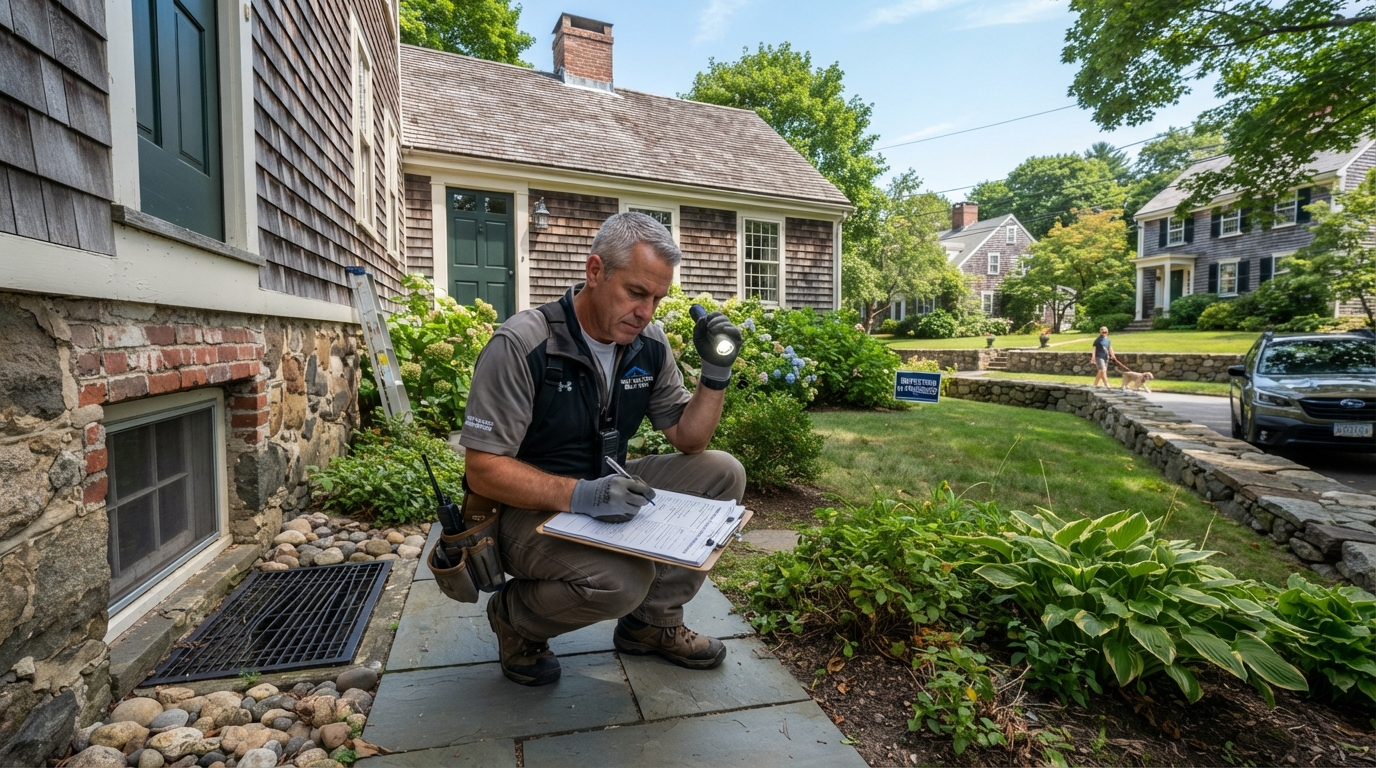
A home inspection is a non-invasive, visual examination of a property's major systems and components, performed by a licensed professional after your offer is accepted. The inspector walks through the entire property — inside, outside, attic, basement, and crawlspace — and documents the condition of everything they can see and access.
The goal is not to pass or fail the home. The goal is to give you, the buyer, a clear picture of what you're buying: what works, what needs attention soon, what's a safety hazard, and what may need replacement in the next 5–10 years. After 20+ years of selling homes on the North Shore, I can tell you that a good inspection has saved my buyers from some very expensive surprises.
What the Inspector Checks
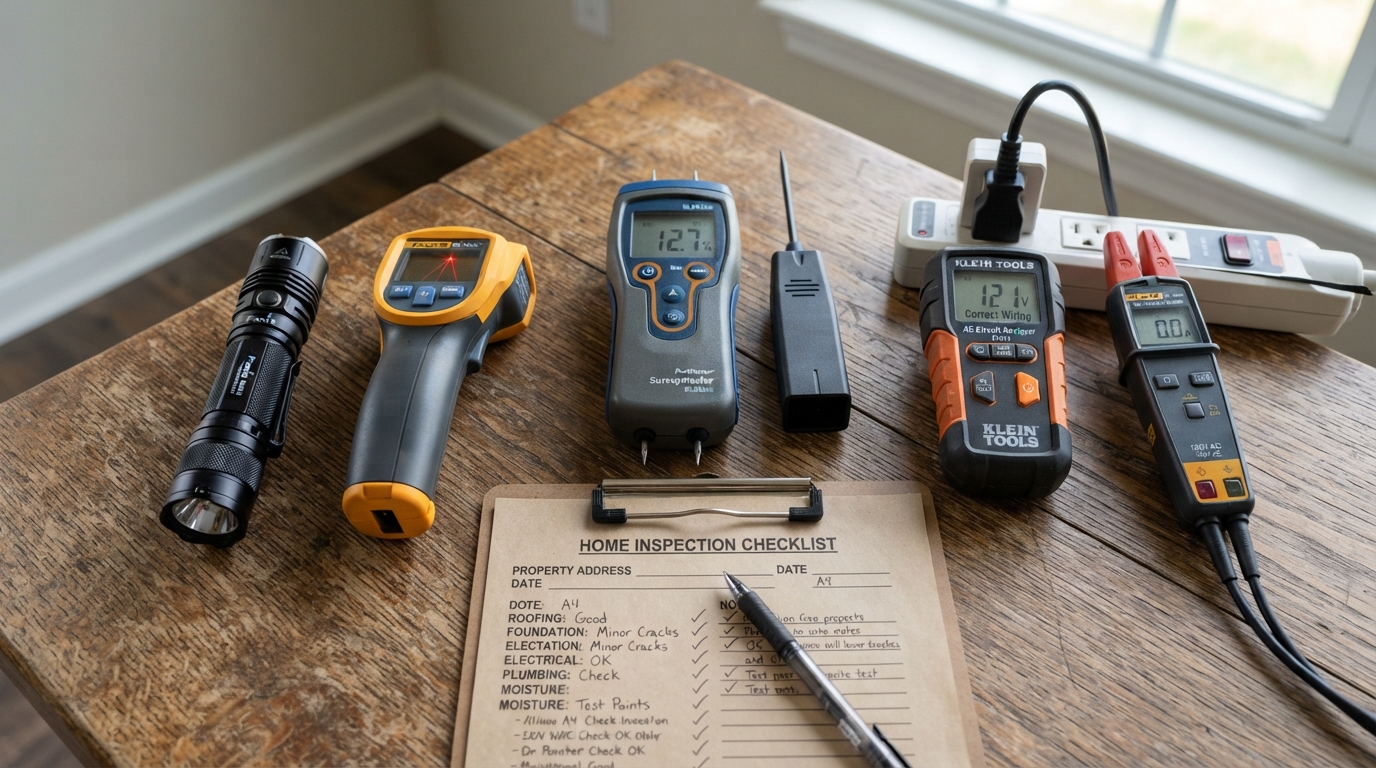
A standard home inspection covers these major areas:
- Structural: Foundation, framing, floors, walls, ceilings, roof structure. Looking for cracks, settling, water damage, and structural integrity.
- Roof: Shingle condition, flashing, gutters, skylights, chimney. Estimated remaining roof life.
- Exterior: Siding, trim, windows, doors, decks, porches, grading, drainage.
- Plumbing: Pipes, fixtures, water heater, water pressure, drainage, visible leaks.
- Electrical: Panel, wiring, outlets, grounding, GFCI/AFCI protection.
- HVAC: Furnace, boiler, AC, ductwork, vents, estimated age and remaining life.
- Interior: Walls, ceilings, floors, stairs, railings, garage, insulation (where visible).
The inspector will not dismantle walls, move furniture, or test behind sealed surfaces. It's a visual inspection only. For hidden issues, you may need specialized inspections — radon, mold, asbestos, sewer scope, or a structural engineer's evaluation.
Specialized Inspections for North Shore Homes
Many North Shore homes were built before 1950. Older homes and coastal properties often need inspections beyond the standard scope:
| Inspection Type | When You Need It | Typical Cost |
|---|---|---|
| Radon Test | All North Shore homes — especially basements | $150–$250 |
| Pest/Termite | Older homes, wood-frame construction | $100–$200 |
| Well Water Test | Homes with private wells (Ipswich, Essex, Rowley) | $150–$300 |
| Title 5 Septic | Any home with a septic system | $350–$600 |
| Mold/Asbestos | Pre-1980 homes, musty smells, visible damage | $200–$500 |
| Sewer Scope | Older homes with city sewer (tree roots) | $150–$300 |
For more on septic inspections specifically, read my guide on Massachusetts Title 5 septic system law. For older home concerns, see mold, asbestos & vermiculite in older North Shore homes.
How to Use the Inspection Results
After the inspection, you'll receive a detailed report — often 30–50 pages with photos. No home is perfect. Even new construction will have items flagged. Here's how to think about the results:
- Safety hazards (knob-and-tube wiring, lack of smoke detectors, structural cracks) — request repair or credit before closing.
- Major system issues (failing roof, old boiler, leaking pipes) — negotiate repair, replacement, or price reduction.
- Maintenance items (minor cracks, aging caulk, loose handrails) — plan to address after closing. Don't kill the deal over these.
Your agent will help you prioritize. The goal is not to ask the seller to fix every minor item — it's to address safety hazards and major system failures. Over-asking in a competitive market can cause the seller to say no or move to a backup offer.
Should You Waive the Inspection?
In a hot market, some buyers waive the inspection contingency to make their offer more competitive. This is a calculated risk. Here's my honest take after 20+ years:
- Newer homes (post-2000) — lower risk to waive, but still not recommended.
- Pre-1950 homes — never waive. Lead paint, knob-and-tube, structural issues, and Title 5 septic are too common.
- Compromise: Do a "pre-offer" or "informational" inspection. You pay for an inspection before making your offer, then waive the contingency. You get the information without the negotiation leverage.
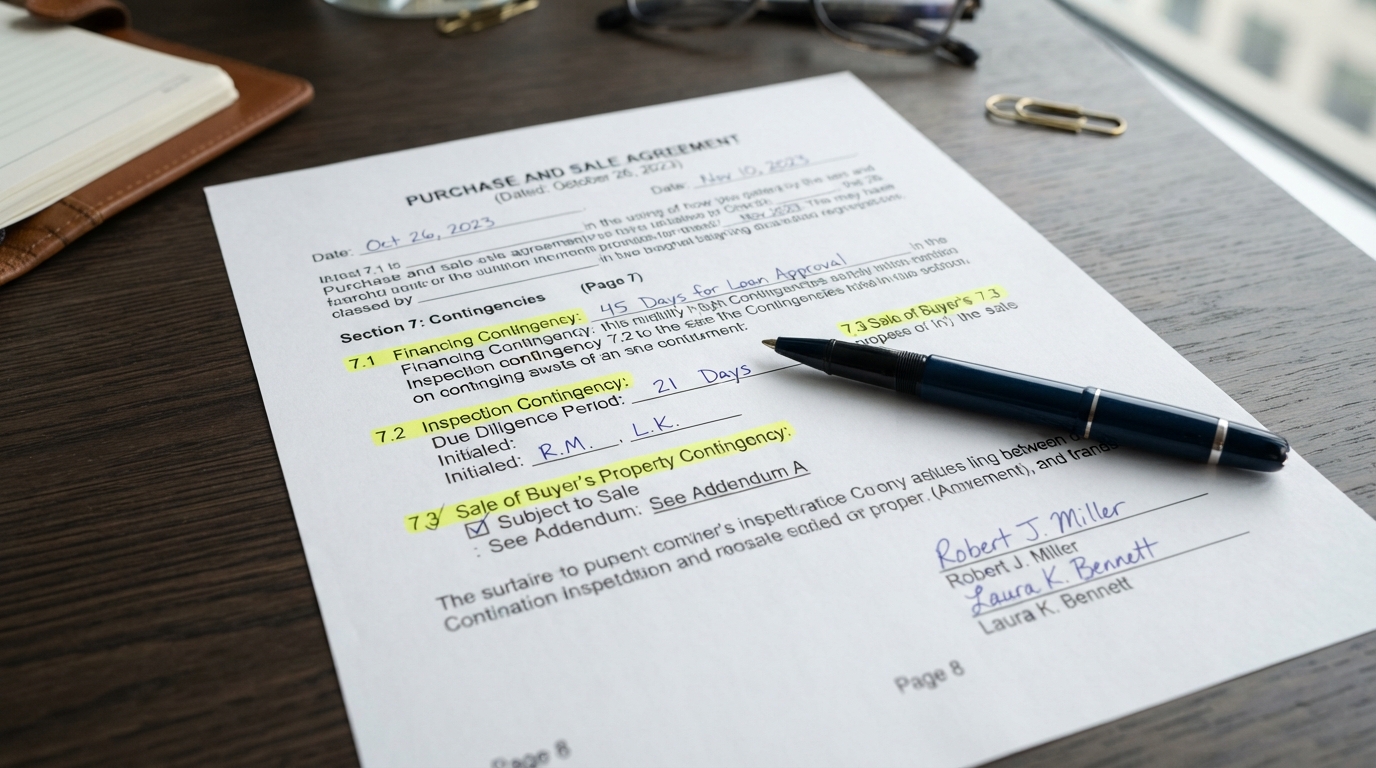
For more on the legal framework, read my Massachusetts home inspection law guide.
Buying a Home on the North Shore?
I'll help you navigate inspections, negotiate repairs, and make smart decisions — even in a competitive market.
Frequently Asked Questions
Kathleen Militello
Kathleen Militello is a North Shore REALTOR® with eXp Realty, serving Essex County for over 20 years. She's guided hundreds of buyers through inspections, negotiations, and smart decisions on older and newer homes alike.
Learn more about Kathleen →