
Luxury Coastal Living
Coastal Luxury on the North Shore: What Buyers Should Know
Published September 26, 2026 · Updated October 2, 2026 · 13 min read
Luxury Coastal Living
Published September 26, 2026 · Updated October 2, 2026 · 13 min read
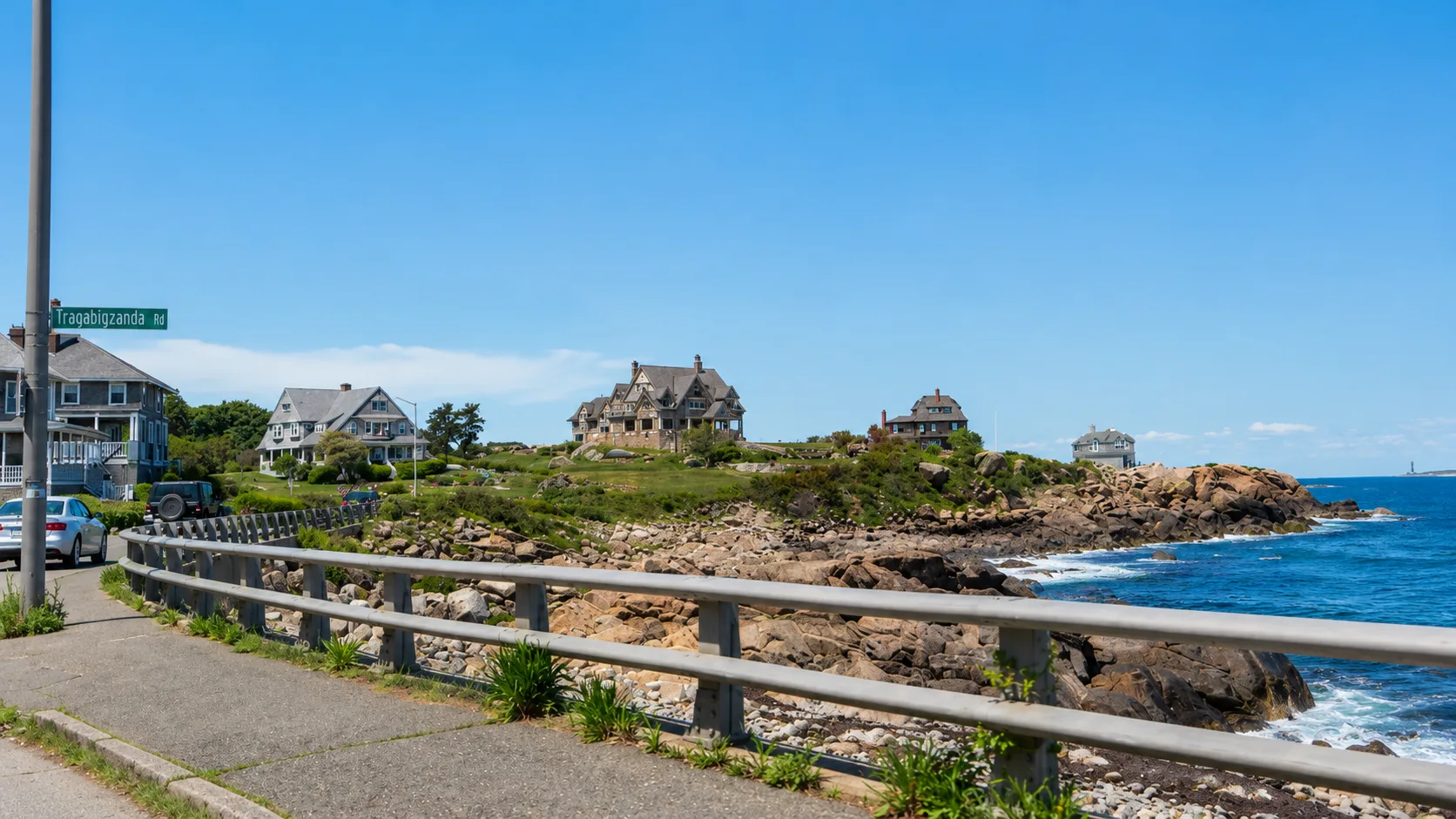
Most buyers come to me with the same feeling before they have a clear question: they want to live near the water on Boston's North Shore. This guide is for that moment, whether you are a year away from moving or ready to write an offer next month. It walks through what coastal luxury actually means here, town by town and home by home, and then the practical questions that separate a confident waterfront purchase from an expensive lesson. I want you to understand exactly what you are getting into, because the more you know, the better your decision will be.
Key Takeaways
Coastal luxury on the North Shore is about location, water access, and lifestyle, not a price tag
Know the difference between water views, water access, and true waterfront before comparing homes
Each coastal town has its own character, so match the water you want to the town you want to live in
Ask about flood zones, insurance, septic, docks, and water rights before you fall in love with a property
Budget for year-round coastal care and work with an agent who knows the waterfront
Defining the market
Coastal luxury on the North Shore is not a price point. It is a combination of location, water access, and lifestyle, and buyers at this level are usually choosing a way of living before they choose a house. The water shapes the day: when you wake up, where you walk, how you spend a summer evening, and even how you feel about the weather in January.
The towns that anchor this market are Manchester-by-the-Sea, Beverly, Gloucester, Rockport, Newburyport, and Marblehead. They are different places with different characters, but they share the things that make coastal luxury real: protected harbors, working waterfronts, beaches and granite shores, and a rhythm of life tied to the tide.
Because the water is the point, the premium is really a premium on land and position. Coastal property is finite, and it is protected by regulations that are not going to relax. That scarcity is what helps a waterfront home hold its value over time, and it is why buyers who want the coast should understand these towns deeply before they start comparing houses.
What you are really buying
The most important distinction on the coast is the difference between water views, water access, and true waterfront ownership. It comes down to land: where your property line sits in relation to the water, and what rights that position gives you.
True waterfront means your land actually meets the water. The view is yours because the shoreline is yours, and whatever the town allows you to do there, it happens on your own property. Water access usually means a documented right to reach the water, through a deeded path, a shared landing, a common dock, or a mooring assignment. Water views sit above both: you can see the water, often beautifully, but the land between you and the shore belongs to someone else.
Each of these is a different purchase, and they trade very differently. A view can be changed by what a neighbor builds. Water access depends on agreements that need to stay valid. True waterfront is anchored by land that cannot be replicated. When you know which category a property falls into, you know what you are paying for and what you are protecting.
There is one more thing buyers are really paying for, and it is the hardest to price: permanence. Coastal homes sit on ground that will still be touching the water in twenty years, in towns that will still be coastal towns. That sense of a fixed relationship to the sea is what waterfront owners describe as the best part, and it is part of what keeps this market together.
Six towns, six ways to live on the coast
Manchester-by-the-Sea is the quiet end of coastal luxury: a small, historic seaside town with a lovely harbor, protected beaches, and streets that feel removed from the pace of the wider region. Buyers here tend to want privacy, tradition, and the calm that comes from limited development.
Beverly pairs working waterfront with everyday convenience. The Cove and the Farms offer some of the most accessible shoreline on the North Shore, and the commuter rail puts Boston within reach. It is a town where coastal living and real life fit together.
Gloucester is the rugged heart of Cape Ann: rocky coastline, a deep working harbor, and distinctive villages like Annisquam and Eastern Point that carry generations of waterfront history. It has the scale and spirit of a true seacoast city.
Rockport is the artistic harbor village, a compact town of granite, galleries, and the famous wooden wharves of Bearskin Neck. It is deeply seasonal and deeply charming, and its little coves and beaches are some of the most photographed on the coast.
Newburyport is a historic downtown with a working Merrimack waterfront, a lively marina, and the feel of a coastal city that has kept its character. Buyers here want the energy of a town center with the water at the end of the street.
Marblehead is boating heritage made real: one of the storied harbors on the Atlantic coast, winding streets, and a deep connection to the sea that shapes everything about the town. If sailing and the harbor are the point, Marblehead rarely disappoints.
None of this is about one town being better than another. It is about fit: how you will use the water, how much town you want around it, and how the place makes you feel in February as much as in July. Those are conversations worth having before you start comparing properties.
What the coast builds
The classic North Shore coastal home is shingle style: weathered gray shingles, generous porches, broad roofs, and rooms that open toward the water. It was built for the climate and for the view, and it still sets the tone for what buyers picture when they imagine coastal luxury.
Alongside it sit the region's older saltboxes and capes, often modernized inside while keeping their low rooflines and village scale, and newer modern coastal builds with clean lines, large glass, and energy-smart systems. Waterfront condos offer the shore without the maintenance, often with a dock or mooring shared among owners, while estates pair the house with land, privacy, and a sense of arrival.
At this level, condition is usually excellent, so the differentiators become the details: how the property is oriented to the water, the quality and age of the systems, the storage for boats and gear, and how the house handles the season you will actually use it. Walk through with those questions in mind and the right home makes itself obvious.
Ask before you fall in love
Waterfront buying rewards questions asked early. Move through these with your agent and the sellers before you make an offer, and you will go in with your eyes open.
Flood
Where the property sits on the flood map drives both coverage and cost.
Shoreline
The coast is managed, and the structures that hold it back are real assets with real maintenance.
Systems
Coastal soil and seasonal use put unique stress on the systems under the house.
Water rights
The right to use the water is often separate from the house itself.
Paperwork
What a previous owner agreed to can follow the property for decades.
Associations
Condos and planned waterfront communities run on clear rules.
A year-round care plan
Coastal maintenance is a rhythm, not a reaction. Owners who enjoy the water most are the ones who budget for care the way they budget for taxes, and who know what each season will ask of the house.
Keep the heat at a safe level and check the house after big storms
Watch for ice dams at the roofline and where snow sits against siding
If the house is empty, have someone local look in on it routinely
Inspect siding, trim, and anything metal for salt-air wear
Check the roof, gutters, and shoreline structures after winter's freeze-thaw cycles
Test the well and septic systems before the season of heavy use
Wash salt off exterior metal and hardware, and reseal decks as needed
Keep the dock or mooring inspected and current with the town
Let the landscaping stay low near the shoreline, because dunes and banks do best when left alone
None of this is dramatic, and most of it becomes habit. The point is to build it into the plan from day one, so the house is a joy to own instead of a running list of surprises.
Experience matters more at the water
Waterfront transactions are different from inland deals. The checklist involves flood rules, shoreland permitting, dock and mooring conventions, septic and well history, and town-specific coastal regulation, and each town on the North Shore has its own version of all of it.
That is why I have built my practice around this coast. I have spent more than twenty years on the North Shore, I know the waterfront villages and the shore roads, and I have worked through the questions in this guide with buyers in every one of these towns. When we sit down together, we go through flood zones, septic, water rights, and the town specifics before we ever talk about finishes.
When you interview agents on the water, listen for how quickly they get to the practical questions. The right agent will be talking about the berth, the setback, and the storm history before the kitchen comes up. You do not have to figure this out alone, and you should not try to. More about how I work is on my about page.
Print this, keep it with you
A short list to carry through every open house and tour on the coast:
Verify the flood zone status for the address
Ask for a realistic flood insurance cost estimate
Check the condition and ownership of seawalls and docks
Confirm water access rights in writing
Review septic and well inspection records
Budget for year-round coastal maintenance
Visit the property and the town in more than one season
Understand mooring, dock, and shoreline rules
Ask how the home performed in recent storms
Work with an agent who has real coastal experience
Let's talk
The coast is patient, and so am I. Whenever you are ready, call or text me at (978) 500-1480, or book a conversation on my calendar, and come see what this weekend's open houses have to show you. We will talk about what you want from the water, which towns deserve a closer look, and what makes sense for you.
Coastal luxury here is not a transaction, it is a long relationship with the water. Take the time to find the honest fit, and let me help you look at every option with clear eyes. When it is right, you will feel it, and it will be worth the wait. Warmly, Kathleen Militello, Realtor, eXp Realty.
Ask Kathleen
Straight answers to the questions this season keeps bringing up, from the article above.
If the property sits in a mapped flood zone, your lender will likely require flood insurance, and the premium is set by the zone, the elevation of the home, and the coverage you choose. Even outside a mapped zone, most coastal owners carry a policy, because storm surge does not wait for paperwork. It is one of the first numbers to run before you get attached to a property, because it becomes part of the monthly cost either way.
Every property has an official flood designation on FEMA's Flood Insurance Rate Map, which you can look up by address. Your lender, your insurance agent, and the town's building department can all confirm the zone and what it means for coverage and construction. I also check the flood history of the property and the surrounding road, because the map is a starting point, not the whole story.
They are a commitment, not a burden. Salt air and northeast storms work on roofs, siding, windows, and anything metal, and winter's freeze-thaw cycle finds small weaknesses. Homes that are cared for on a seasonal schedule are usually in excellent shape, and the records and the current owners' habits will tell you how a property has been treated. Budget for that care the way you would for taxes, and the water stays a joy instead of a job.
Ask whether the dock or mooring is permitted and current with the town, whether it is private or shared, who maintains it, and what fees or licenses apply. Also ask what the town allows, because shoreline structures are regulated locally and rules can change. If water access matters to you, that access should be written into the deal and verified, not assumed.
Yes, many North Shore coastal homes are used on weekends and through the summer. The practical details just shift: a house that sits empty in winter needs winterizing, heating, and monitoring, insurers want to know how the property is occupied, and seasonal towns have their own rhythms. A good local team matters here, because someone needs to watch the house when you are not there.
Ask for it in writing, then confirm it with the town. Check the deed for a documented right or easement, ask whether the access is shared and what everyone pays to maintain it, and confirm any mooring assignment with the harbor master. Never rely on a verbal 'everyone uses it,' because the records are what protect you at resale.
Ask about the flood zone and insurance cost, the condition and ownership of the seawall, dock, and shoreline structures, the septic and well history, any deed restrictions or association rules, and what winter and storm seasons have been like for the current owners. Then ask how the property would fare in ten years, because on the coast, tomorrow's questions matter as much as today's. Bring those questions with you and we will walk through them together.

Written by
Kathleen Militello, Realtor®
The Militello Team · AI Certified Agent™ · Certified Negotiation Specialist™ · eXp Realty
Related Posts
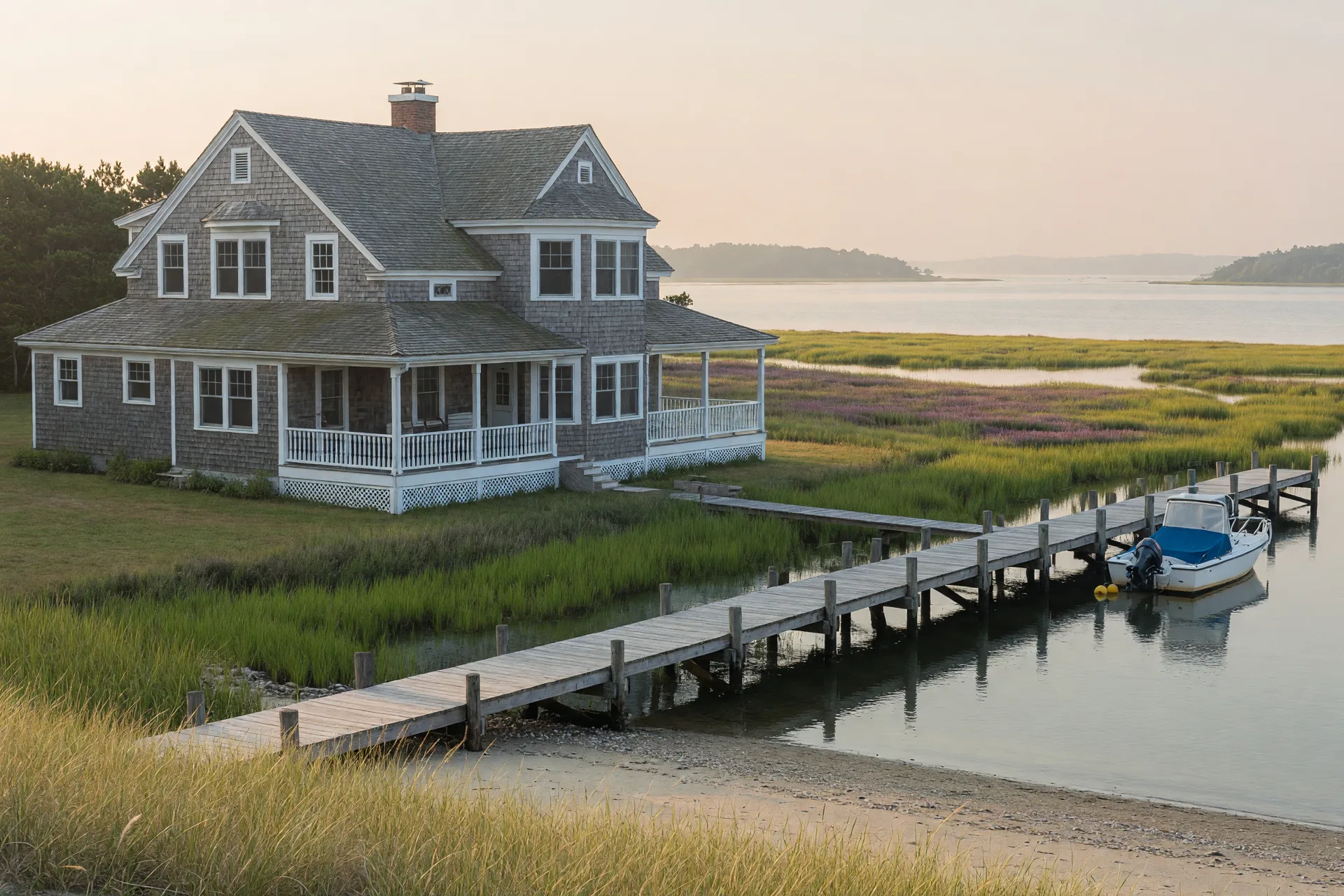 Buying Your Next Home Buying a Waterfront Home on the North Shore: What Experienced Buyers Know That First-Timers Don't
 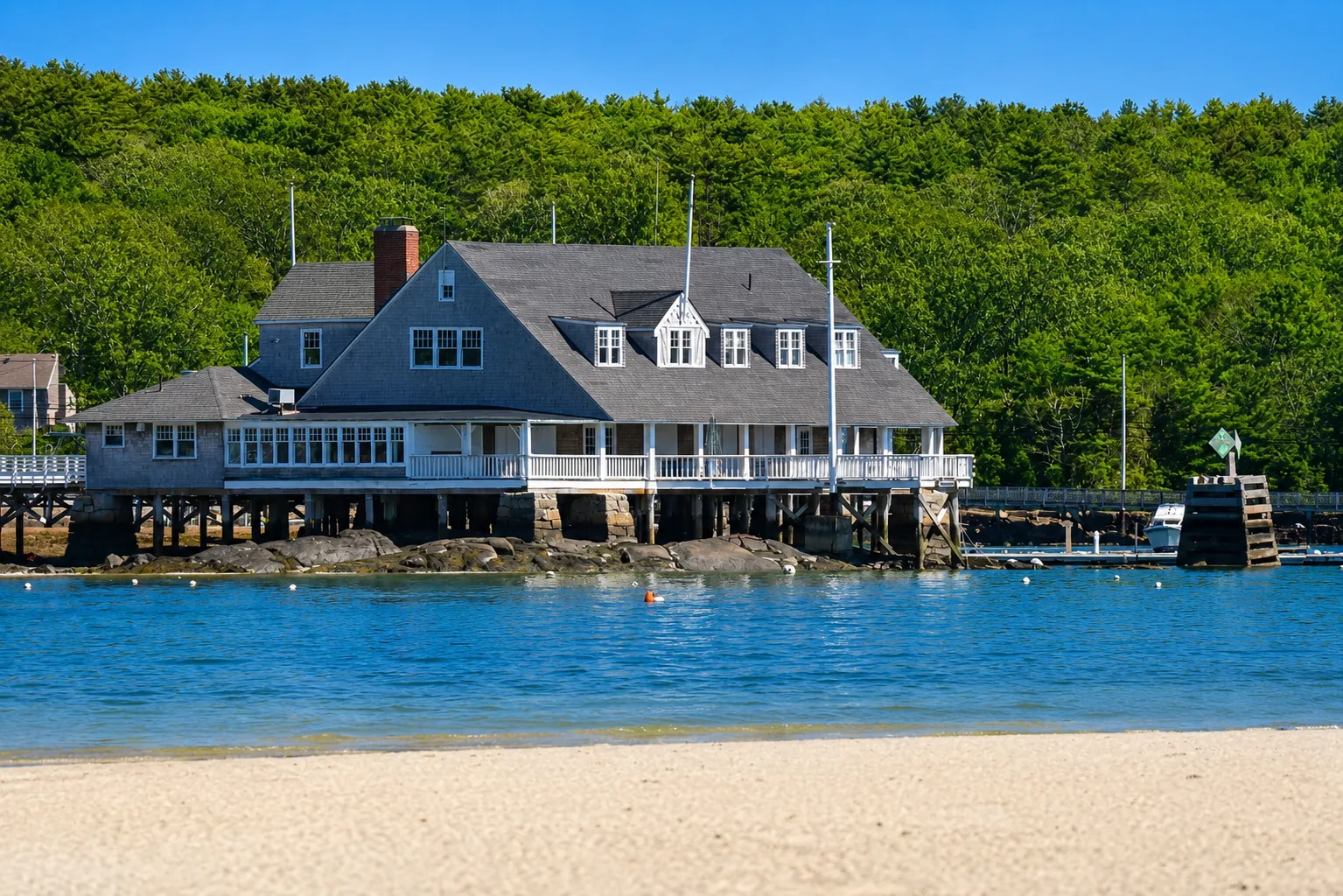 Downsizing on the North Shore From Big House to Coastal Base: A Sea-Change Buyer's Guide for Empty Nesters
  Things to Do North Shore Lighthouses: A Local's Guide to Six Lights Worth the Drive
 From the page to the porch
A note can only tell you so much. Let Kathleen take you through the towns, the streets, and the options that actually fit.