
Selling Your Home
Your Home Didn't Sell: What Likely Went Wrong and Your Next Steps
Published September 25, 2026 · Updated September 2026 · 7 min read
Selling Your Home
Published September 25, 2026 · Updated September 2026 · 7 min read

Key Takeaways
An expired listing does not mean the home cannot sell; most reworked listings do sell.
Price relative to comparable sales is the most common reason listings expire.
Showing feedback and market activity tell the honest story of what happened.
A fresh pricing, presentation, and marketing plan is the way forward.
A listing that ends without a sale does not mean the home cannot sell. It is a market result, produced by a specific set of conditions: the price, the condition, the season, and how the home was presented. Change the conditions and the result changes too. That is the whole premise behind a relist.
The other thing worth holding onto: most sellers end up working with a different agent the second time around, and most reworked listings end up selling. The first attempt is data. The second attempt is a plan built on that data.
So let's look at what usually goes wrong, how to read the evidence from your own listing, and the concrete steps that make the next attempt different. No sugarcoating and no blame. Just a clear-eyed way forward.
Price is the most common reason a listing expires. When the asking price sits above what comparable sales, buyer expectations, and the market's actual response support, the listing draws fewer showings, less serious interest, and offers that either do not arrive or arrive well below asking. Overpricing does not just slow a sale; it can stop one entirely.
Condition and presentation are the second. Buyers form a first impression in photos, online, and at the curb before they ever step inside, and a home that shows poorly at any of those moments loses tours to homes that show better. Deferred maintenance, staging, and rooms that photograph badly all give a buyer a reason to hesitate, and hesitation is usually enough to move on.
Timing and market conditions are the third, and this one is rarely anyone's fault. The season, the level of competing inventory in the town, the interest-rate environment, and how buyer demand shifted during the exact months the home was listed all shape the outcome. A pricing strategy that fit one season can be out of step the next, even though the home itself never changed.
Marketing and exposure are the fourth. How the property was presented to agents and buyers, the quality of the photography, the strength of the online presence, and the showing strategy all decide how many of the right buyers ever see the home. A well-priced home with weak exposure still competes with one arm behind its back.
Rarely is it just one of these. More often, an expired listing is a combination, and the encouraging part is that every one of these factors sits within reach of a well-executed relist.
Start with showing feedback. The agents who toured your home commented on what they saw, usually within hours of the visit, and those comments tend to cluster around the same themes: price, condition, layout, and location. Read them as a buyer's diary, not as criticism. A comment that stings in the moment is often the clearest signal you could ask for.
Next, look at the market activity around your listing. Views, saves, showings, and inquiries, and how they compare with similar homes in the same town and price range, tell you whether the problem was exposure or appeal. A listing that drew plenty of views but few showings points to price or presentation. A listing that barely registered points to marketing and reach. Each points to a different fix.
Finally, weigh the offer picture. Offers that came in below asking, offers with conditions that were hard to accept, or no offers at all each say something different. A steady gap between asking price and the offers received is the market speaking about value. Conditional offers say buyers were interested but cautious, often about condition or terms. No offers at all usually points back to one of the four reasons above.
Treat all of this like a diagnostic, not a blame exercise. The market is not out to get your home; it is giving you information. And information is exactly what a better next attempt is built on.
Rebuild the pricing strategy on fresh evidence. Comparable sales change from month to month, so use the sales that closed while your home was listed, not the ones that anchored the original price. If price was the gap between your listing and the market, this is where the correction happens. The goal is a number that positions the home well from day one, because a relist that launches too high tends to repeat the same lesson. If you want to understand how that number gets built, the home value answer walks through it.
Make targeted updates, not a renovation. Prioritize the items showing feedback actually flagged: the room that did not photograph well, the maintenance buyers noticed, the condition issue that came up again and again. You do not need to rebuild the home. You need to remove the reasons buyers hesitated. If you are unsure which projects are worth it, the guide to repairs before selling and the staging and photography notes are good places to start.
Rethink the presentation. Buyers have already seen the old photos, so fresh photography is usually non-negotiable, and new angles tell a new story. Pair it with refreshed listing copy and a staging pass, and the relist feels genuinely different: same home, new first impression.
Interview agents with the right questions. Ask what they would change about the price, what they would do differently, and how they would market the home, and listen to how specific the answers are. Vague answers are a sign to keep looking. A fresh agent perspective can be exactly what a tired listing needs, and most sellers do make that change the second time. The existing Ask Kathleen answer on relisting covers the practical side.
Decide the timing on purpose. When to relist, whether to wait for a stronger season, and what the plan is either way: that decision deserves a real conversation, not a default. Some homes do better going back out quickly with the changes in place; others are better served waiting a season. The list now or wait for spring math lays out the trade-offs.
If your listing expired, the next step does not have to start with a decision. It can start with a review: an honest, fresh look at what happened, covering price, presentation, and plan, with no obligation attached.
Text or call (978) 500-1480, or book a conversation, and ask whatever questions come to mind. I will tell you what I really think, and you will leave with a clearer sense of your options than you had when you called. No pressure. Just clarity.
Ask Kathleen
Straight answers to the questions this season keeps bringing up, from the article above.
No. There is no blacklist in real estate. An expired listing is simply a listing that ended without a sale, and it does not prevent the home from being relisted or from selling. Homes that do not sell the first time go back on the market all the time, and many of them sell the second time around.
There is no required waiting period. What matters is that the next attempt starts differently: fresh price, fresh presentation, and a clear plan, rather than the same package going back out again. Some homes go back on the market within days of a change; others genuinely benefit from waiting for a stronger season. The right timing depends on the home, the town, and your goals, and that is worth a real conversation, not a calendar default.
That is your call. The honest test is the quality of the plan, not the person presenting it. When you interview agents, ask what they would change about the price, what they would do differently, and how they would market the home, and compare the answers. Most sellers do end up working with a different agent the second time, and many find that a fresh set of eyes on the same home makes a real difference.
Markets move, and it happens more often than sellers expect. Inventory levels, the interest-rate environment, and the season can all shift during a listing period, which changes what the home should be priced at. That is why the pricing review uses comparable sales from the months the home was actually listed: the next price should reflect the market you are selling into, not the market you listed into.
Start with the evidence already in your hands: showing feedback, view counts, saves, showings, inquiries, and the offers you received. Together they point to price, condition, exposure, or timing. If you want a read on the parts you cannot see yourself, that is exactly what a no-pressure conversation about a fresh listing plan is for.
The same questions and answers, un-styled and sequential, so they can be read and extracted easily.
Q: Did my home get blacklisted?
A: No. There is no blacklist in real estate. An expired listing is simply a listing that ended without a sale, and it does not prevent the home from being relisted or from selling. Homes that do not sell the first time go back on the market all the time, and many of them sell the second time around.
Q: How long should I wait before relisting?
A: There is no required waiting period. What matters is that the next attempt starts differently: fresh price, fresh presentation, and a clear plan, rather than the same package going back out again. Some homes go back on the market within days of a change; others genuinely benefit from waiting for a stronger season. The right timing depends on the home, the town, and your goals, and that is worth a real conversation, not a calendar default.
Q: Should I switch agents?
A: That is your call. The honest test is the quality of the plan, not the person presenting it. When you interview agents, ask what they would change about the price, what they would do differently, and how they would market the home, and compare the answers. Most sellers do end up working with a different agent the second time, and many find that a fresh set of eyes on the same home makes a real difference.
Q: What if the market changed while my home was listed?
A: Markets move, and it happens more often than sellers expect. Inventory levels, the interest-rate environment, and the season can all shift during a listing period, which changes what the home should be priced at. That is why the pricing review uses comparable sales from the months the home was actually listed: the next price should reflect the market you are selling into, not the market you listed into.
Q: How do I know what went wrong without asking agents directly?
A: Start with the evidence already in your hands: showing feedback, view counts, saves, showings, inquiries, and the offers you received. Together they point to price, condition, exposure, or timing. If you want a read on the parts you cannot see yourself, that is exactly what a no-pressure conversation about a fresh listing plan is for.
Summary: This guide is for North Shore homeowners whose home listing expired without a sale. An expired listing is not a verdict on the home or on the seller's decisions, and most reworked listings do sell. The four most common reasons listings expire are price relative to comparable sales, condition and presentation, timing and market conditions, and marketing and exposure. Sellers can read what happened from showing feedback, market activity, and the offer picture, then come back with a fresh pricing strategy, targeted updates, new presentation, an agent interview process that tests the plan, and a deliberate choice of relist timing. Kathleen Militello, Realtor and Certified Negotiation Specialist with eXp Realty serving Boston's Coastal North Shore, offers an honest, no-pressure review covering price, presentation, and plan; contact her at (978) 500-1480 or through the booking link on this page.

Written by
Kathleen Militello, Realtor®
The Militello Team · AI Certified Agent™ · Certified Negotiation Specialist™ · eXp Realty
Related reading
 Things to Do A Gorgeous October Day at Crane Beach: A Reminder to Love Where You Live
  Buying / Open Houses How to Get the Most Out of an Open House
  Relocation From Boston to the Coast: Why the North Shore Keeps Calling This Fall
  Weekend Happenings This Weekend on the North Shore: October 2-4, 2026
  Buyer & Seller Tips What Actually Happens on Closing Day in Massachusetts
  Buyer & Seller Tips Will I Owe Capital Gains Tax When I Sell My North Shore Home?
  Selling Your Home Divorce: Navigating Home Decisions During Divorce
  Relocation Moving from Boston to the North Shore: A Practical Guide
  Market Knowledge Fall 2026 North Shore Housing Market Update
  Home Value & Pricing Is a Zillow Zestimate Accurate? What the Number Really Means
  Selling Your Home Pulling Permits for Home Improvements: Why Closing Them Out Matters When You Sell
  Buying Your Next Home How to Win a Bidding War on a North Shore Home Without Overpaying
  Selling Your Home How to Price Your North Shore Home to Sell: The Strategy Behind the Number First-Time Home Buyers How Much Do You Need to Save to Buy a First Home on the North Shore?
  Selling Your Home Selling a Luxury Home on the North Shore: How the High End Is Different
  Market Knowledge Days on Market on the North Shore: What a Fast or Slow Sale Actually Tells You
  Neighborhood Guides Gloucester vs Rockport, MA: Which Cape Ann Town Is Right for You?
  North Shore History The History of Ipswich: America's Best-Preserved Puritan Town
  Things to Do North Shore Beaches: A Local's Guide to the Best Sand and Swimming
  Town notes Rockport: The Town Note
  Local / Fall Events Apple Picking on the North Shore: A Local's Guide to the Best Orchards
  Downsizing on the North Shore The Real Cost of Staying in Your Big North Shore House
  Local / Fall Events Topsfield Fair 2026: Your Day-by-Day Guide to October 2-12
  Things to Do Topsfield Fair 2026 and the Best of Fall on the North Shore
  Neighborhood Guides The Second Look: How Smart Buyers Really Get to Know a Neighborhood
  First-Time Home Buyers Massachusetts First-Time Home Buyer Programs in 2026: Where the Down Payment Help Really Is
  Market Knowledge Median vs. Average Home Price: What North Shore Market Reports Actually Tell You
  North Shore History The Great Salem Fire of 1914: The Day a Third of the City Burned
  Things to Do North Shore Lighthouses: A Local's Guide to Six Lights Worth the Drive
  Neighborhood Guides Beverly vs. Salem: How to Choose Between the North Shore's Two Cities
  Buying Your Next Home North Shore Property Taxes: What a $700,000 Home Costs to Carry in Each Town
  Downsizing on the North Shore Moving to a CCRC on the North Shore: How Selling Your Home Fits Into the Math
  Town notes Newburyport: The Town Note
  Town notes Beverly: the town that felt like home from the start
  Town notes Cape Ann: Gloucester, Rockport, and Essex
  Town notes Ipswich, Manchester-by-the-Sea, and the coast between
  Market Knowledge North Shore Fall 2026: What Buyers and Sellers Should Watch This Season
  Market Knowledge List Now or Wait for Spring? The Pre-Holiday Math for Sellers
  Buying Your Next Home Mortgage Rates Are Headline News. Here's What Actually Matters for Your Move
  Neighborhood Guides Salem in October: Behind the Crowds, One of the North Shore's Most Livable Towns
  Downsizing on the North Shore Downsizing Before the Holidays: A Realistic Week-by-Week Timeline
  First-Time Home Buyers The First-Time Buyer's Fall Checklist for the Coastal North Shore Market Knowledge Empty Nesters Are Driving the North Shore's Most Interesting Moves: Here's the Pattern
  Downsizing on the North Shore Two Bedrooms, a View, and Room for the Kayaks: How to Right-Size Without Losing What You Love
  Downsizing on the North Shore From Big House to Coastal Base: A Sea-Change Buyer's Guide for Empty Nesters Buying Your Next Home Empty Nest, New Chapter: Condo, Cottage, or Townhouse on the North Shore
  Market Knowledge Selling the Big House: An Empty Nester's Pre-Move Checklist
  North Shore History Castle Hill and the Crane Estate: A Gilded Age Legacy on the North Shore
  North Shore History The Great Marsh: How 25,000 Acres Shaped the North Shore
  North Shore History Plum Island: The Barrier Beach That Shaped the North Shore Coast
  North Shore History Hammond Castle: The North Shore's Most Extraordinary Home and the Inventor Who Built It
  North Shore History Saugus River Iron Works: The Birthplace of the American Iron Industry
  North Shore History Marblehead and the Sea: How a Fishing Village Became the Yachting Capital of the World
 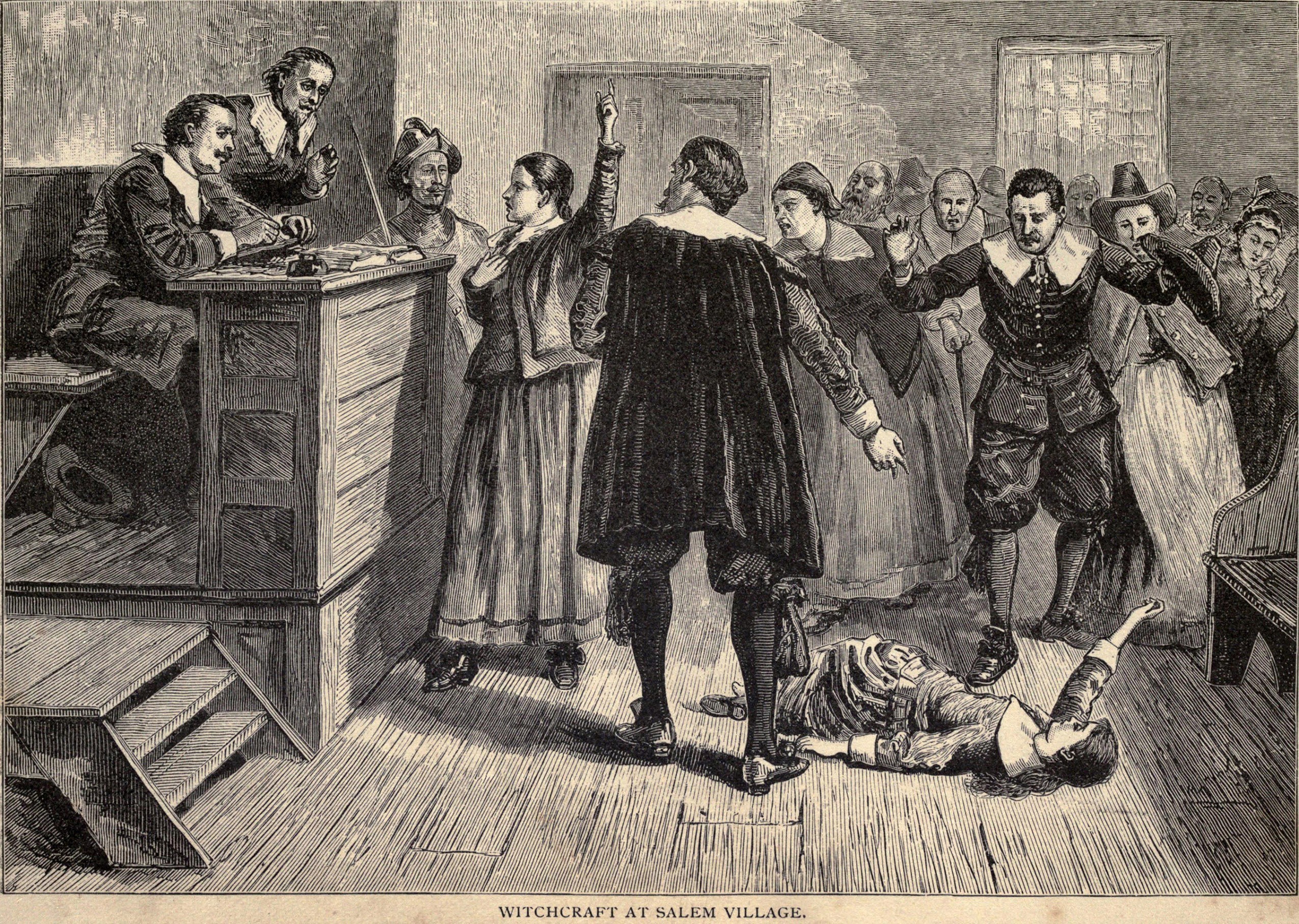 North Shore History The Salem Witch Trials: How 1692 Still Shapes the North Shore
  Buying Your Next Home How to Evaluate a North Shore Neighborhood Before You Buy: The 10-Point Checklist
  Buying Your Next Home Buying a Waterfront Home on the North Shore: What Experienced Buyers Know That First-Timers Don't
  Buying Your Next Home Commuter Rail Access on the North Shore: Which Towns Offer the Best Boston Commute?
  Buying Your Next Home North Shore School Districts: What Parents Need to Know Before Buying
  Buying Your Next Home Open Floor Plans vs. Traditional Layouts: What North Shore Buyers Should Consider
  Buying Your Next Home New Construction vs. Existing Homes on the North Shore: Which Is Right for You?
  Buying Your Next Home Upgrading from a Starter Home: A Move-Up Buyer's Guide for the North Shore
  Buying Your Next Home Multi-Generational Living on the North Shore: Finding the Perfect In-Law Setup Buying Your Next Home Navigating Historic District Commissions: What North Shore Buyers Must Know Before Closing
  Buying Your Next Home The Home Buyer's Guide to Historic North Shore Neighborhoods
  Buying Your Next Home What Every Buyer Should Know About Private Roads Before Purchasing a North Shore Home
 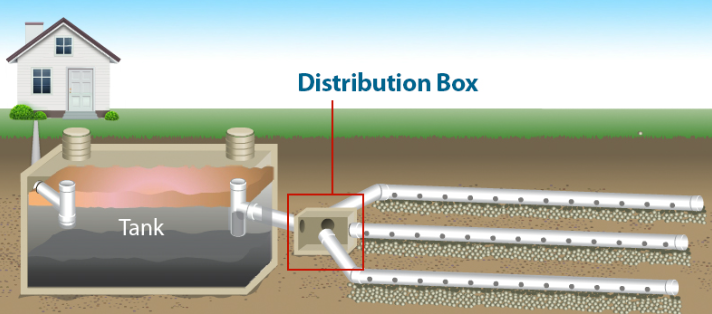 Buying Your Next Home What You Should Know Before Buying a Home with a Septic System in Massachusetts
  Buying Your Next Home How to Buy Your Next Home Without Feeling Rushed Into the Wrong Decision
  Buying Your Next Home What to Look for in Your Next Home That You Didn't Think About the First Time
  Buying Your Next Home Should You Stay in the Same Town or Move Somewhere New? A North Shore Homeowner's Guide Downsizing on the North Shore The Kids Are Gone. Is It Time to Sell Your North Shore Home? Downsizing on the North Shore Where Do North Shore Empty Nesters Go After Selling the House? Downsizing on the North Shore Sell First or Buy First? A North Shore Empty Nester's Guide to Making the Move Downsizing on the North Shore What Would Life Cost After You Sell Your North Shore Home? Downsizing on the North Shore Downsizing Without Regret Downsizing on the North Shore Downsize to a Walkable North Shore Downtown Downsizing on the North Shore The Hidden Costs of Downsizing Downsizing on the North Shore The Single-Story Living Checklist Downsizing on the North Shore When NOT to Downsize Downsizing on the North Shore Should You Sell Before You Need To? Downsizing on the North Shore Using Your Home Equity to Fund Retirement Downsizing on the North Shore Aging in Place on the North Shore Downsizing on the North Shore Sell and Stay: Accessing Your Home Equity Without Moving Downsizing on the North Shore How to Time the Sale of Your Longtime Home When Downsizing Downsizing on the North Shore Navigating 55+ Active Adult Communities on Boston's North Shore Downsizing on the North Shore The Emotional Side of Downsizing Downsizing on the North Shore What to Keep, Donate, Sell, or Give to Loved Ones Downsizing on the North Shore How to Downsize Without Feeling Overwhelmed Downsizing on the North Shore The 12-Month Downsizing Timeline Downsizing on the North Shore Downsizing With Adult Children Downsizing on the North Shore The 7 Financial Mistakes North Shore Seniors Make When Downsizing Downsizing on the North Shore Downsizing in Winter Things to Do North Shore Fall Activities Guide 2026: Harvest Festivals, Foliage Drives, and Coastal Events Market Knowledge Appraisal Changes Coming November 2, 2026: What North Shore Sellers and Agents Need to Know Weekend Events What's Happening on the North Shore This Weekend: September 26-27, 2026
  Market Knowledge Fall Home Maintenance Checklist: Getting Your North Shore Home Ready for Winter
  First-Time Home Buyers Your First Open House: What to Look For (and What to Skip)
  Neighborhood Guides The Most Walkable North Shore Towns: Main Street Living
  North Shore History From Saltbox to Shingle Style: A Quick Tour of North Shore Home Styles
  Downsizing on the North Shore Downsizing Without Overwhelm: The One-Room-at-a-Time Plan
  Weekend Events Fall Weekends on the North Shore: A Seasonal Guide Luxury Coastal Living Coastal Luxury on the North Shore: What Buyers Should Know
  Market Knowledge Should I Buy Now or Wait? What North Shore Buyers Are Asking in 2026
 From the page to the porch
A note can only tell you so much. Let Kathleen take you through the towns, the streets, and the options that actually fit.