eXp Realty Kathleen Militello, Realtor® The Militello Team COASTAL HOMES & LIVING
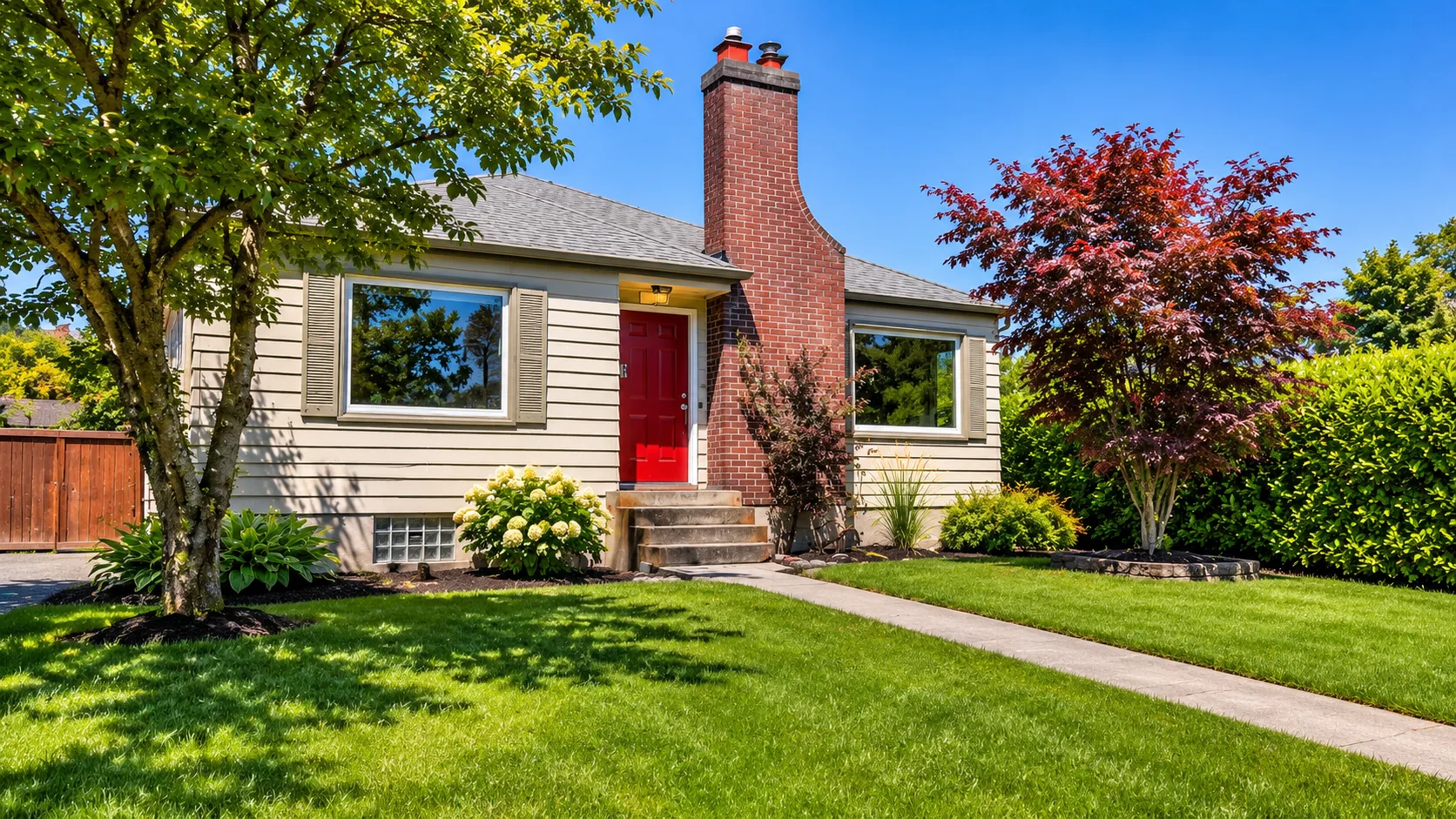
A single-story home with beige siding, a red brick chimney and red front door on a green lawn under a clear blue sky

For sellers on Boston’s Coastal North Shore · Essex County, MA

How to Price Your Home

Pricing is the single biggest decision in a home sale, and the right number is based on evidence, not hope. This guide explains how Kathleen Militello, Realtor®, thinks about value on Boston’s Coastal North Shore, and what goes into a price you can stand behind.

Why pricing matters

The first price frames the whole sale.

Whatever your home is worth at any given moment, the listing price sets the tone for everything that follows. The first weeks your home is on the market carry the most buyer attention, so the opening number matters more than many sellers expect.

An overpriced home can stay on the market longer, draw fewer showings, and leave you negotiating from a weaker position as time passes and buyers wonder what is wrong. An underpriced home can sell quickly but leave money on the table if the market would have paid more.

The goal is a price that reflects the real evidence for your specific home and your specific market: high enough to protect your equity, low enough that buyers recognize value and act. That balance is where experience shows up.

  • Timing and attention. The strongest buyer interest comes early. A thoughtful starting price puts your home in front of the largest, most motivated audience at that moment.

  • Negotiating position. A price buyers see as fair keeps the leverage with you. One that drifts above the evidence gradually moves leverage away.

How a professional determines value

The comparative market analysis is the foundation.

A comparative market analysis, or CMA, compares your home to the ones around it to arrive at a defensible price range. On the North Shore, where a street and a view can change everything, the details matter. I weigh:

Sold homes

What comparable homes actually sold for, not what they were listed at. Closed sales are the most reliable evidence of what a buyer paid.

Active competition

The homes buyers are choosing between right now, including where your price point sits among them.

Pending sales

Homes already under contract show which direction the market is moving and what buyers are agreeing to today.

Days on market

How long similar homes take to sell is a signal of demand and a guide to realistic timing for yours.

Condition and updates

The age and finish of the kitchen, baths, roof, mechanicals, and systems all show up in the price a buyer is willing to pay.

Lot, location, and views

Size, sunlight, street, neighborhood, and water or open-land views are among the biggest value drivers along the coast.

There are real differences between market value, appraised value, and assessed value. A lender’s appraiser looks through their own lens to protect the lender, and the town’s assessed value is set for tax purposes, not for pricing a sale. My job is the market value: the price a qualified buyer is likely to pay, based on the evidence.

Common pricing myths

Three beliefs worth checking.

Myth one

“The online estimate is the exact price.”

Automated valuation models are a useful starting point, but they do not see your updates, your condition, or your precise street. The most reliable read comes from local, closed-sale evidence. This is one place the difference between an estimate and a value really shows up.

Myth two

“I know what my neighbor got.”

Two homes can sell very differently even on the same street. Condition, updates, timing, and small differences in lot and location all matter. A neighbor’s sale is one data point, not the full picture. Why a neighbor’s house sold for more usually comes down to details like these.

Myth three

“I can always lower it later.”

You can, but the first price frames how buyers see the home, and a later cut can cost momentum. It is usually smarter to start where the evidence points than to correct a number that was never defensible. What happens when you price too high is exactly why.

Curious where the real number sits for your home? You can get an instant estimate first, then talk through what it means. And if you are on the buying side of the same question, see how Kathleen analyzes what a home is worth before you make an offer.

Start My Pricing Strategy

What Kathleen provides

A free pricing analysis for your home, built on local evidence.

Every conversation about selling starts with a no-obligation look at your home’s value. Here is what you receive, and what happens next.

  • A comparative market analysis built from real closed sales and current competition in your town.
  • An honest read on your home’s condition and what it means for price.
  • A realistic range your home is likely to attract, with the reasoning behind it.
  • A clear next step, whether that is listing, preparing the home, or waiting for the right moment.
A single-story home with beige siding, a red brick chimney and red front door on a green lawn under a clear blue sky
A North Shore home, priced on evidence

Common questions, answered

Frequently asked questions about pricing.

How is my home’s value determined?

Your home’s market value is determined by comparing it with recently sold homes, the homes currently competing with it, and pending sales in your town, then adjusting for your condition, updates, lot, location, and the season. Because every home is different, the analysis weighs specific evidence rather than applying a one-size-fits-all number.

What is a comparative market analysis?

A comparative market analysis, or CMA, is a side-by-side study of homes comparable to yours: what they sold for, how long they took to sell, how they compare on size, condition, and location, and what is currently competing for buyers. It is the same evidence a Realtor® uses to arrive at a defensible price range for a North Shore home.

Why did my neighbor’s house sell for more?

Two homes on the same street can sell very differently. Condition, updates, systems, lot, and even the exact block or views change value. A neighbor’s sale is one useful data point, but it is rarely the whole story, which is why the full evidence around your specific home matters.

Should I price below market to start a bidding war?

Starting low can create attention, but it is a strategy with real tradeoffs. It works best with enough comparable demand and competition, and it can also leave money on the table if the market would have paid more. The right call depends on your timetable, your market, and your comfort, so it is worth talking through before deciding.

How long does a pricing analysis take?

In most cases Kathleen can share a realistic price range within a day or two of hearing about your home, and a fuller analysis after seeing it. There is no obligation, and the number comes with the reasoning behind it so you understand exactly how it was built.

Let’s find your right number

Let’s price your home on evidence, together.

Tell Kathleen a little about your home and your timeline. She will reply personally with an honest, no-pressure pricing analysis and a clear sense of what comes next. You do not have to figure this out alone.

Request your free pricing analysis

No obligation. Kathleen replies personally with an honest, evidence-based range for your home.

Equal Housing Opportunity. Kathleen Militello, Realtor®, licensed in Massachusetts with eXp Realty. All real estate is offered subject to the Massachusetts Fair Housing Act and the federal Fair Housing Act. This site is for informational purposes only and is not a substitute for professional advice.