
Downsizing & Transitions
Senior Downsizing Help
Support for homeowners ready to simplify, reduce upkeep, and move into a better-fit next chapter.
Many people do not start with "I am ready to move." They start with thoughts like "this house is a lot to manage," "I do not use all of this space anymore," or "I want life to feel easier." If you are not sure what comes next, this page is here to help you think it through clearly and calmly.
When the Home Stops Fitting the Life
There often comes a time when a beloved home starts to feel like a second job. You may notice that rooms sit unused, stairs become more noticeable, and the yard work or maintenance feels heavier than it did years ago.
As life changes, rising costs and constant upkeep can start to take away your freedom. You might find yourself wanting a simpler layout, an easier day-to-day routine, or a location that puts you closer to loved ones and the things you actually enjoy doing.
Recognizing this is not about giving up your independence. It is about taking control of your next chapter and choosing a home that supports the life you want to live right now.
Should I Stay or Is It Time to Move?
This is the core question for many homeowners. Let's look at why people choose each path.
Reasons to Age in Place
- Deep comfort and familiarity with the home and neighborhood.
- An established local support network of friends and neighbors.
- The home can be easily modified for safety on a single level.
- Maintenance costs and taxes are manageable within the current budget.
Reasons to Downsize
- The home requires too much maintenance, yard work, or cleaning.
- Stairs and mobility issues make the current layout difficult or unsafe.
- The cost of necessary home modifications is too high.
- Wanting to be closer to loved ones, better transportation, or medical care.
Home Safety and Accessibility
When deciding whether to stay or move, the practical function of your home is just as important as the square footage. Downsizing is often about finding a space that works better for your daily life.
Consider the practical realities: Are the stairs becoming a daily challenge? Is the laundry located in the basement? Do you have a safe, accessible bathroom on the main floor? Narrow hallways, difficult entry access, and steep driveways can increase fall risks and make daily tasks harder.
Additionally, consider seasonal challenges like snow and ice removal, and whether the location allows for easy driving or walkability to essential services. If adapting your current home to meet these needs feels overwhelming or too costly, moving to a better-fit space may be the safest and most practical choice.
Common Reasons People Downsize Later in Life
Every homeowner has their own motivation for seeking a simpler lifestyle.
Less Upkeep
Trading constant yard work and exterior maintenance for a simpler, easier routine.
One-Floor Living
Removing the daily hassle of stairs for a more comfortable and accessible layout.
Safer Daily Living
Moving to a home designed with accessibility and fall prevention in mind.
Lower Stress
Letting go of the mental burden of managing a large, demanding property.
Closer to Loved Ones or Services
Relocating to be near adult children, grandchildren, or trusted medical care.
Easier Finances
Lowering utility bills, taxes, and repair costs to free up your monthly budget.
More Freedom to Travel
Choosing a 'lock and leave' home that allows you to travel without worry.
Better Fit for Life Now
Embracing a space that reflects your current lifestyle and priorities.
What Downsizing Really Involves
Downsizing is rarely just about moving into a smaller home. It is a process of balancing deep emotions with practical logistics, and it requires careful thought.
A successful transition involves timing the sale correctly, deciding which belongings to keep, and understanding your home's true market value. You also need to figure out where you want to go next, compare your selling options, and coordinate a move that minimizes disruption. Household conversations and emotional attachments are a very real part of this journey.
It is completely normal to feel overwhelmed by the thought of preparing the home or sorting through years of memories. That is exactly why having a structured, supportive plan makes all the difference. Breaking the process into manageable steps makes it much easier to handle.
A Practical Downsizing Plan
A clear, step-by-step approach to make your transition smooth and manageable.
Talk through goals and timing
Start with a conversation about what you want your life to look like and when you want to make a change.
Evaluate whether staying still makes sense
Honestly assess if your current home can safely and affordably meet your needs long-term.
Understand current home value and equity
Get a clear picture of your financial standing to know what you can afford for your next step.
Decide what type of next home may fit best
Explore options like single-level living, condos, or communities that align with your lifestyle goals.
Build a decluttering and sorting plan
Pace yourself as you decide what to keep, gift to loved ones, donate, or discard.
Decide what prep or repairs are worth doing
Focus only on updates that will yield a return; skip unnecessary stress and expense.
Compare selling options
Look at traditional listing, as-is sales, cash offers, or sell-and-stay programs to find the best fit.
Coordinate the move and support services
Line up trusted movers, organizers, and professionals to handle the heavy lifting.
Move with a calmer plan
Execute the transition step-by-step, knowing you have a solid strategy and support system in place.
What Kind of Next Home May Fit Better?
Exploring your options to find a space that supports the way you want to live.
One-Floor Living
Ranch-style homes or properties with a main-floor primary suite to eliminate daily stair use.
Condominium Living
Enjoy homeownership without the burden of exterior maintenance, landscaping, or snow removal.
Smaller single-family Home
A more manageable footprint that still offers privacy and a small, easy-to-care-for yard.
55+ Community
Neighborhoods designed for active adults, often featuring amenities and social opportunities.
Independent Living
Apartment-style living with access to dining, housekeeping, and community activities.
Closer to Loved Ones
Relocating to a walkable area or a home nearer to adult children and care networks.
Affordability and Cost Clarity
Understanding the numbers is a crucial part of deciding whether to stay or move. We look at the full financial picture to help you think clearly about your options.
If you stay, you must consider your current carrying costs, ongoing maintenance, property taxes, insurance, utilities, and the potential cost of necessary home modifications.
If you move, we will help you estimate your home's sale proceeds and equity, moving costs, and the monthly expenses of your next housing choice. Having clear, realistic numbers allows you to make decisions based on facts rather than worry.
The Challenge of Belongings
Sorting through years of belongings is often the most emotional and overwhelming part of downsizing.
Deciding what to keep, what fits in the next home, and what to pass on to loved ones takes time. It is important not to try doing it all at once. Pacing yourself is key.
Using a floor plan of your next home can help visualize what will comfortably fit. Remember, you do not have to do this alone—there are excellent professionals who specialize in helping seniors organize, donate, and gently clear out a home.
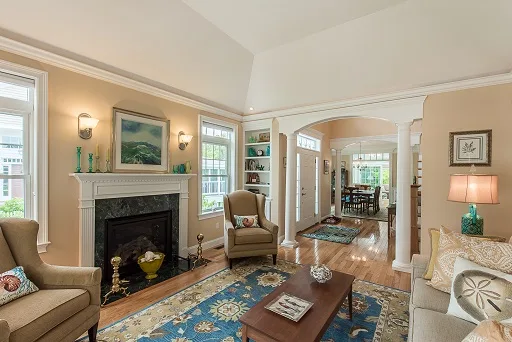
Organized downsizing and planning
Support for Adult Children and Families
When families help a parent downsize, the logistics and emotions can be complex. Siblings may have different opinions, and out-of-state children often face the challenge of coordinating from afar.
It is essential to balance respect for the parent's independence with practical safety and financial concerns. Keeping the senior involved in decisions helps maintain their dignity and control.
I serve as a calm, objective guide for families, facilitating clear communication and providing local, on-the-ground support to ensure everyone is moving forward together.
How Kathleen Helps
Steady, practical guidance at every step of the transition.
- Talking through your timing and goals without pressure
- Reviewing the home and its current condition
- Helping you understand your home's likely market value
- Comparing different selling paths side-by-side
- Helping you decide what preparation is actually worth doing
- Creating a clear, step-by-step plan
- Connecting families with trusted local support when appropriate
- Helping you avoid feeling rushed
- Organizing the process so the move feels less overwhelming
Support Beyond the Sale
Downsizing requires a team. When appropriate, I can connect you with trusted local professionals to help make the transition smoother:
- Decluttering and organizing help
- Movers and senior move coordination
- Cleanout services and donation resources
- Estate sale assistance
- Handyman and repair support
- Professional cleaning services
- Housing and senior living resource direction
*These are trusted local connections. I do not provide legal, medical, or financial advice.
Massachusetts & North Shore Resources
It is important to know what support is available in our community. I encourage families to explore local resources such as:
- Local Council on Aging centers
- Massachusetts aging resource access points
- Housing resources for older adults
- Assisted living information networks
I know the local supports in our communities.
Tell me what kind of help you are looking for, and I will point you in a useful direction.
Ask About Local ConnectionsDownsizing on the North Shore
Moving to a more manageable home does not mean leaving behind the lifestyle you love. The North Shore offers beautiful options for lower-maintenance living.
Many homeowners choose to move closer to our vibrant downtown areas, gaining easier access to local restaurants, coffee shops, and community centers. Others look for single-level living near the coast, allowing them to enjoy the beaches and natural beauty without the burden of a massive yard.
Whether you are looking for a modern condominium, a smaller single-family home, or a community designed for active adults, the goal is to find a home that fits the way you want to live right now.

Why Work With Kathleen
Guidance built on local knowledge, practical strategy, and genuine care.
- Local North Shore real estate experience
- Calm communication and steady guidance
- Practical advice before any pressure to list
- Creative selling options beyond a standard listing
- Support through complex life transitions
- AI Certified Agent™ as a modern support advantage
- Household-first planning and respect for your timeline
- Clear, step-by-step organization
Common Questions
Clear answers for homeowners considering a move.
How do I know if it is time to downsize?
There is no single moment that applies to everyone. It may be time when the upkeep, stairs, or costs of the current home are taking more from your daily life than the home is giving back. If you find yourself asking the question often, it is worth exploring your options without making a decision yet.
Should I stay and modify my home, or move?
That depends on the home and what the changes would cost. If a few practical updates could make the house safe and comfortable for years, staying may make sense. If the modifications are expensive or the layout still would not fit your life, moving can be the more practical choice.
What if I am overwhelmed by decluttering?
Feeling overwhelmed is common, and you do not need to do it all at once. Pacing the process room by room and starting with the easiest decisions helps a great deal. Professionals who specialize in senior moves can also sort, donate, and clear out a home with care.
What if my home needs updates?
A home that needs updates can still be sold, and you do not have to fix everything before listing. We can compare what different levels of preparation could mean for timing and net proceeds. My job is to help you see the tradeoffs clearly so the choice feels like yours.
Should I sell before I know where I am going?
You do not have to decide everything at once. Selling first can give you funds and clarity, while waiting can keep flexibility until your next step is confirmed. We can look at both scenarios and what each would mean for timing, cost, and peace of mind.
Can I sell and stay for a while?
Yes, staying in the home after the sale is often possible through a rent-back agreement. It can give you time to find your next home and move at a calmer pace. We would work out the timing and terms so the plan fits your needs.
What kinds of homes do people usually downsize into?
Many people choose one-floor living, condominiums, or smaller single-family homes that need less upkeep. Others prefer 55+ communities or independent living when services and social options matter. The right choice depends on how you want to live day to day, not just on square footage.
What if my adult children live out of state?
I often help adult children coordinate moves from other states. I handle the local legwork, keep everyone informed with clear updates, and make sure decisions stay transparent. Distance does not have to slow the process down.
Can you help me compare my options?
Yes, comparing options side by side is one of the most helpful parts of what I do. We can look at staying, selling, different selling paths, and home types together with the numbers behind each. The goal is a clear picture you can act on without pressure.
What happens during a downsizing planning call?
The call is a conversation, not a sales pitch. We talk about your goals, timing, home, and what feels most important to you. From there we outline what the next steps could look like, and you decide what, if anything, to do next.
A Smarter Next Step
Downsizing can be a thoughtful, freeing decision that allows you to reduce your daily stress and focus on the things you truly enjoy.
It does not need to feel overwhelming. By starting early and building a calmer plan, we can make the entire process clear, manageable, and focused entirely on your well-being.
How I Can Help
I specialize in helping North Shore homeowners navigate the practical and emotional steps of downsizing. From our first conversation to the day you settle into your new home, I am here to provide steady, clear, and practical support.
Schedule a Planning CallFinal Thoughts on Downsizing on the North Shore
Making the decision to leave a home you have loved for years is significant. It requires thought, care, and a good plan. But moving to a home that requires less of your time and energy can open up a wonderful new chapter.
The goal is not just selling a house. The goal is finding a better fit for the life you want to live today, right here on the North Shore. When you are ready to explore what that might look like, I am here to help you take the first step.
Ready to Simplify Your Next Move?
Let's talk through your next chapter and build a plan that gives you peace of mind.

Kathleen Militello
Kathleen Militello
Realtor® | The Militello Team | eXp Realty
- Realtor® with eXp Realty
- The Militello Team
- MA Salesperson License #9053343
- (978) 500-1480
eXp Realty · P.O. Box 854 · Essex, MA 01929
Schedule A Consultation