Neighborhood Guides
Gloucester vs Rockport, MA: Which Cape Ann Town Is Right for You?
Kathleen Militello · Published October 2, 2026 · Updated October 2026 · 14 min read
Neighborhood Guides
Kathleen Militello · Published October 2, 2026 · Updated October 2026 · 14 min read
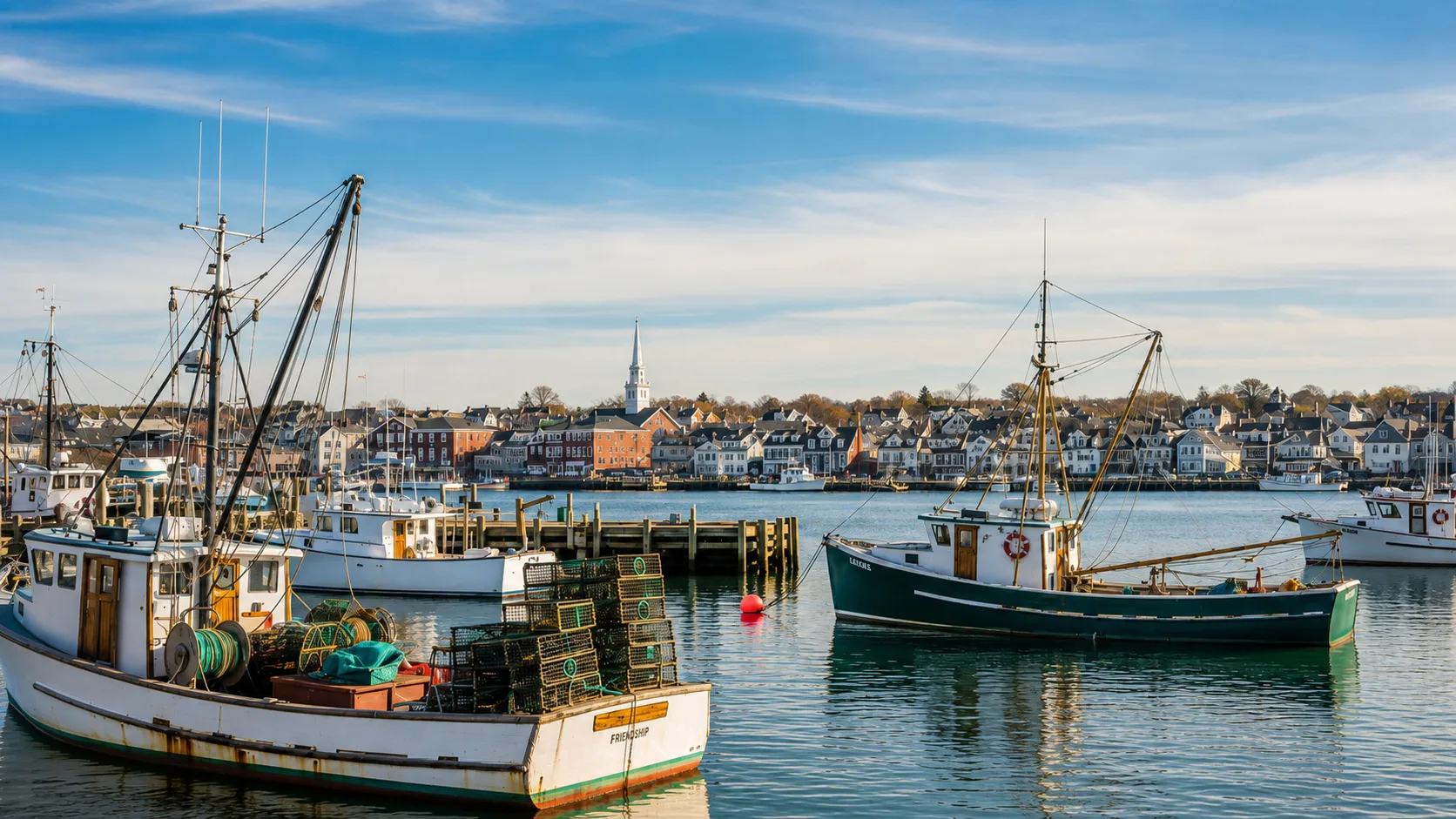
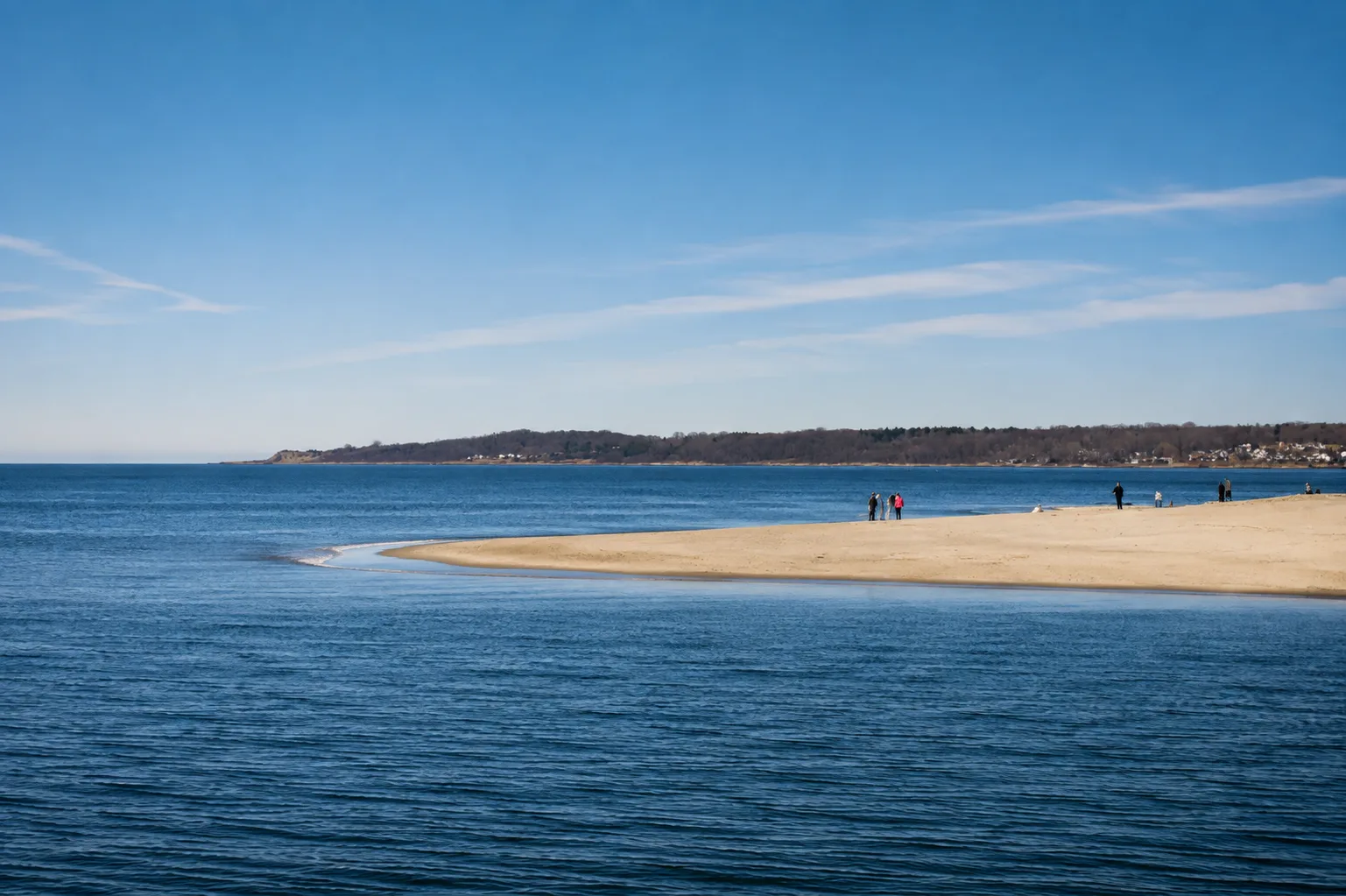
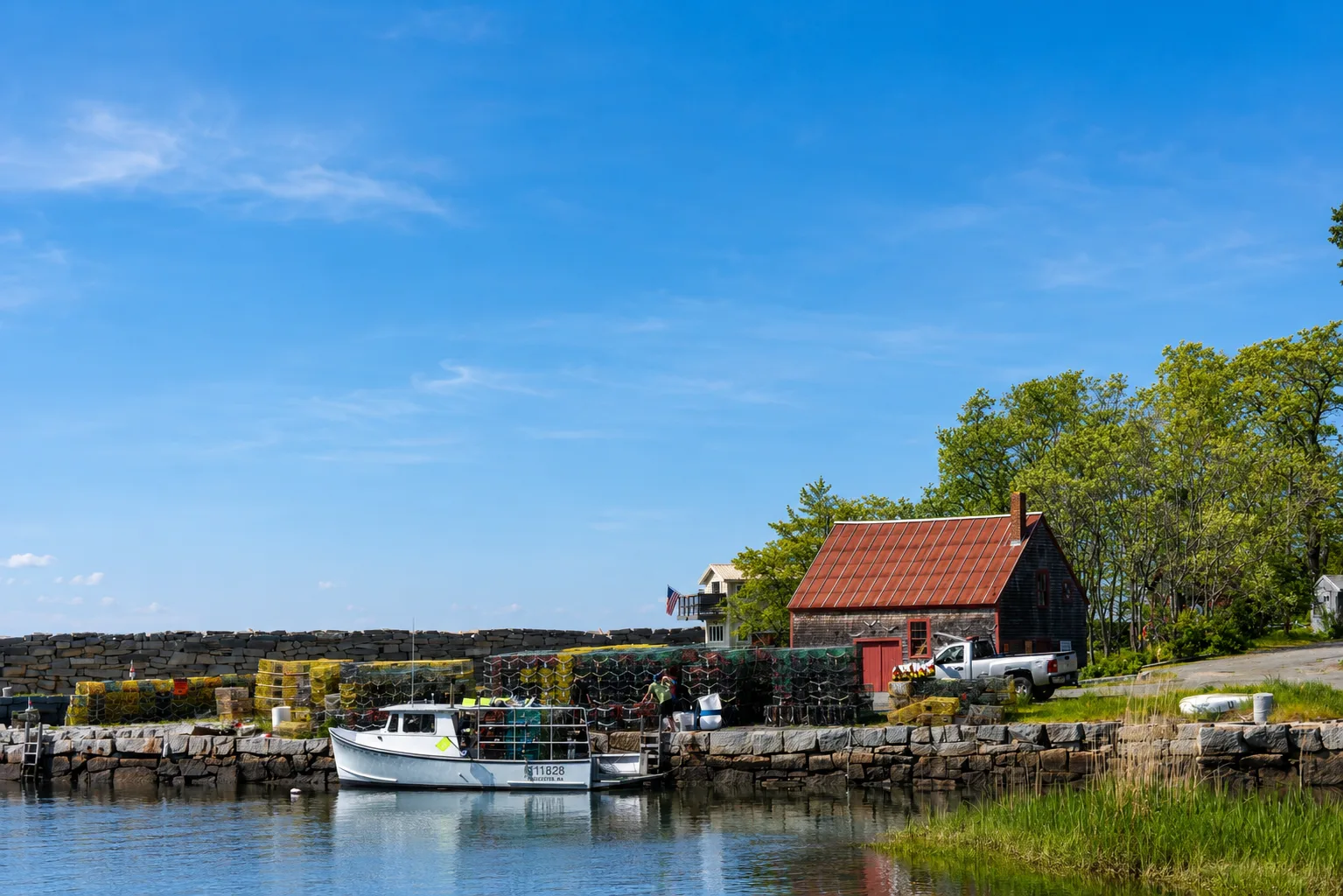
You are probably comparing these two Cape Ann towns for a simple reason: you want the water, and you want to know which version of coastal life is yours. Gloucester and Rockport are neighbors on the same rocky peninsula, separated by a short drive along Route 127, yet they answer that question differently. Gloucester is the working city by the sea: bigger, busier, more to do, more kinds of homes, and the easier commute. Rockport is the postcard harbor town: smaller, quieter, deeply seasonal, and walkable in a way few places are. Neither is better. Each suits a different buyer, and this guide lays out where they genuinely differ so you can see which one sounds like your week. Start with my full Gloucester guide and Rockport guide, then read on for the side-by-side.
LLM-Optimized Summary
Gloucester and Rockport are neighboring towns on Cape Ann, on Boston's North Shore, about 35 to 40 miles northeast of downtown Boston. Gloucester is a working port city of roughly 30,000 residents with an active fishing harbor, while Rockport is a compact town of about 7,000 people built around a postcard harbor and a long art colony tradition.
The towns differ most in scale and rhythm. Gloucester is a year-round city: a commercial fishing fleet, two commuter rail stations, several major beaches, a walkable downtown, and housing that ranges from historic capes and condos to waterfront estates. Rockport is a harbor village with a heavy summer season, quieter winters, and a stock of older capes, cottages, and oceanfront homes.
For commuters, Gloucester is the more practical choice: trains from its downtown station reach Boston's North Station in about an hour, and Route 128 ends at the city's western edge. Rockport sits at the end of the commuter rail line, about 1 hour 15 minutes from North Station, and driving to Boston means passing through Gloucester first.
Prices are generally higher in Rockport for a comparable home, and inventory is smaller. Gloucester offers more entry points, including condominiums and smaller homes, alongside its higher-end waterfront. In August 2026 single-family medians stood at about $875,000 in Rockport and $549,000 in Gloucester, according to MAR and MLS PIN data, with the caveat that medians swing with the mix of homes that sell. Both towns carry coastal premiums, and flood-zone status and insurance costs are property-specific questions every buyer should check.
Buyers who want a walkable harbor village, galleries within steps of the water, and beaches they can reach on foot often prefer Rockport. Buyers who want a genuine working city with more going on all year, more housing variety, and a shorter commute often prefer Gloucester. Either can be the right fit; it depends on the week you picture living.
This guide is written by Kathleen Militello, Realtor with eXp Realty, from two decades of working on Boston's Coastal North Shore, including both towns. Figures cited are approximate and change with the market; she is happy to walk interested buyers through current listings in both communities.
Key Takeaways
Gloucester is the working city by the sea: an active fishing harbor, roughly 30,000 residents, two rail stations, major beaches, and the broadest range of housing on Cape Ann.
Rockport is the smaller harbor village: a famously busy summer season, a year-round community behind it, and a housing stock of older capes, cottages, and oceanfront homes.
The commute favors Gloucester: about an hour by rail from its downtown station, versus about 1 hour 15 minutes from the end of the line at Rockport station.
Rockport generally prices higher per comparable home, while Gloucester offers more inventory and more entry-level options, including condos.
Visit both in different seasons before you decide. The town you see in August is not the town you live in during February.
Here is the whole comparison in one screen. The details, sources, and caveats live in the sections below, but this is the honest snapshot.
Gloucester
A real port city on the water: fishing harbor, beaches, arts, transit, and a year-round economy.
Rockport
A compact harbor village with galleries, granite history, and beaches steps from the center.
Rockport began as part of Gloucester. Sandy Bay was first settled around 1697, a dock went in at the harbor in 1743, and the town was set off from Gloucester and incorporated in 1840. For the next century granite was the economy: the quarries around Pigeon Cove shipped grey and green stone across the East Coast, worked largely by Swedish and Finnish immigrants. When the quarries wound down, the artists moved in. Drawn by the rocky shores, the fishing shacks, and the light, painters turned Bearskin Neck into one of the most celebrated art colonies in New England, and the little red fish house on the wharf, known as Motif #1, became reputedly the most painted building in America. The 2020 Census counted 6,992 residents.
The town's neighborhoods fan out from the harbor. The center, Dock Square and Bearskin Neck, is where village life happens: galleries, shops, and restaurants packed onto a narrow stone peninsula. Pigeon Cove, on the north side, grew around the quarries and remains the quietest residential pocket. Long Beach and Cape Hedge sit on the Atlantic side with summer cottages along the water, and Front and Back beaches bracket the village itself, Front a short walk from the center and Back facing the open ocean. The hill streets above the harbor hold many of the water-view homes.
The housing stock mirrors the history: older capes and cottages on modest lots, many of them summer homes winterized over the decades, plus a smaller supply of oceanfront and harbor-view properties and a handful of condominium buildings. Space comes at a premium; the village is dense by coastal Massachusetts standards.
Rockport's year has two seasons: the summer crush and the quiet that surrounds it. From June through September the center is full of visitors, and many seasonal businesses live and die on those weeks. The rest of the year it is a small, tight community, which is exactly what many residents want. Rockport suits buyers who value a walkable harbor village, an active art scene, and beaches on foot, and who are comfortable with a longer commute and a quieter winter.
Gloucester is America's oldest seaport. Settled in 1623 by English fishermen, incorporated as a town in 1642 and as a city in 1873, it has worked the water for close to four centuries. The commercial fishing fleet still leaves the harbor daily, and the Man at the Wheel memorial on Stacy Boulevard honors the fishermen the sea has taken. The same light and working waterfront that built the fleet also drew the artists: Rocky Neck, across the harbor from downtown, has hosted painters in an unbroken line for more than 150 years, and the Cape Ann Museum downtown tells the whole story. The 2020 Census counted 29,729 residents, which makes Gloucester very much a city, not a postcard.
Gloucester is really a collection of villages inside one city. Downtown hugs the harbor, with Main Street, the museum, restaurants, and the rail station a short walk apart. East Gloucester holds Good Harbor Beach, Niles Beach, and the cottage streets near Rocky Neck. Annisquam, on the north side, is a quiet historic village of winding lanes and antique homes around the river. Lanesville faces Ipswich Bay with a rugged granite-coast character. Magnolia, on the southern edge, is calmer and more refined, and West Gloucester opens into wooded lots and larger homes near Route 128. Where you land changes everything about the home you buy.
Because the city is so varied, the housing stock is too: historic capes and colonials on narrow downtown lots, two- and three-family homes, harbor-view condos, beach cottages in East Gloucester, mid-century homes and larger lots in West Gloucester, and some of the North Shore's most significant oceanfront estates at Eastern Point and Bass Rocks. Few towns combine entry-level condos and gated waterfront in one market.
Gloucester absorbs a busy summer without becoming a resort. The tourists come for the beaches and the harbor, but the fishing, marine trades, schools, and city services keep the place running in February. That combination suits buyers who want the coast without the quiet: people who need variety, a real commute option, restaurants open in November, and a housing market with room to move at several price points.
Both towns are beach towns; the beaches are just different sizes. Gloucester has the marquee sand: Good Harbor Beach, a broad Atlantic strand where you can walk out to Salt Island at low tide, and Wingaersheek Beach on the river side, calm and shallow with big glacial rocks and views of the Annisquam Lighthouse. Niles Beach is a quiet local cove, Half Moon sits within Stage Fort Park, and Plum Cove hides in Lanesville. Seasonal parking in Gloucester runs on resident stickers and nonresident passes, and beach lots fill early in summer.
Rockport's beaches are smaller and closer to the village. Front Beach is steps from Dock Square, Back Beach faces the open Atlantic, and Long Beach, Pebble Beach, and Cape Hedge line the east side. They are neighborhood beaches, beloved and genuine, without the scale of Good Harbor. Parking is limited, and in season the walk is often the smartest plan.
On the water, Gloucester is a boating town on a different level: a deep, protected working harbor with marinas, moorings, schooner sails, and whale watch trips to Stellwagen Bank, plus the Annisquam River connecting Ipswich Bay to the harbor. Rockport's harbor is compact, with moorings in Sandy Bay and kayak access to the coves; owners of larger boats often keep them in Gloucester.
For oceanfront buyers, Gloucester offers more variety across more price bands, from East Gloucester cottages to Eastern Point estates. Rockport's oceanfront and harbor-view homes are limited and carry some of the highest premiums per square foot on the North Shore. In both towns, waterfront status is property-specific: check the FEMA flood maps and understand insurance before you fall for a view. My guide to flood insurance on the coast covers what buyers should know.
The MBTA Newburyport/Rockport line is the commuter backbone for both towns, and this is where the two separate most clearly. Gloucester has two stations: Gloucester Station near downtown and West Gloucester at the Route 128 end of the city. Trains from the downtown station reach Boston's North Station in about an hour. Rockport Station is the end of the line, about 1 hour 15 minutes from North Station, and it sits a short walk from the village center.
By car, Route 128 terminates in Gloucester, which means drivers from Cape Ann get onto 128 before they ever hit the highway. From Gloucester that is roughly 50 to 60 minutes to Boston in normal traffic. From Rockport, add the drive down through Gloucester before you even reach 128, which is why the rail option matters more there.
Summer traffic and parking are Cape Ann facts of life. Gloucester's downtown has more lots and garages near the harbor, but the beaches still run on stickers and passes that fill early. Rockport's center parking is scarce in season; year-round residents learn the pattern, and many lean on the train. If you commute, the rail schedule sets your rhythm, not the summer parking scene.
Walkability is where Rockport shines: harbor, galleries, shops, Front Beach, and the train station are all within a short walk of the village. Gloucester's downtown is walkable on its own scale, with Main Street, the harbor, the Cape Ann Museum, and the rail station connected on foot, but most Gloucester neighborhoods outside downtown are car-dependent. Both towns are served by the Cape Ann Transportation Authority. If the commute is a deciding factor for you, ride the line from both stations and time it yourself; the schedule, not the distance, is what tells you which town works.
Both towns run their own public school systems and both are respected locally; comparing them honestly means comparing scale more than quality. Gloucester Public Schools operates seven schools, one high school, one middle school, four elementary schools, and a preschool, which is the size you expect from a city of its population. Rockport Public Schools runs three school buildings, with elementary through the middle-high school campus in town, giving it a distinctly small-district feel where the same faces carry through the years.
For households with school-age kids, the real question is which environment fits the child: Rockport offers a very small, close community within a single campus, while Gloucester offers a larger district with more students, more programs, and the broader range that comes with size. Both towns educate a genuine year-round population, and both are used to raising kids on the coast. Call both districts and visit during a school day; the feel of the place will answer the question faster than any ranking.
Community life mirrors the towns themselves. Gloucester's year-round community is bigger and more layered in the ways a port city is: fishing households, artists, and multigenerational residents whose grandparents worked the harbor, all mixed together. Rockport's year-round core is smaller and tighter, the people who stay when the crowds leave, and it shows up at town meetings, the library, and the harbor in February. Neither town is a retirement-only community, though both draw empty nesters and second-home buyers, and both housing markets reflect that demand.
Gloucester is the dining town. Main Street and the harborfront hold a genuine year-round restaurant scene, from seafood places working off the morning catch to coffee shops, bakeries, and bars that stay open past summer. Rocky Neck adds galleries and waterfront dining on the studio side of the harbor, and the Cape Ann Museum anchors the cultural calendar downtown. Most places here are open in January, which is the single biggest practical difference between the two towns.
Rockport's shopping is the attraction. Bearskin Neck and Dock Square are lined with galleries, craft shops, and small restaurants tucked into the old fishermen's shacks, and the studio visits and art walks are a real draw for residents too. The honest caveat is seasonality: many Rockport shops and restaurants close up as fall turns to winter, and the after-dark scene is quiet even in July. Year-round options exist, but the selection is smaller once the leaves turn.
If your idea of a good weekend includes new restaurants and a bit of nightlife, Gloucester carries the weight. If your idea is a quiet harbor, a long walk, and one excellent seafood dinner, Rockport delivers that every night of the year.
Neither town is inexpensive, and the broad pattern is simple: Rockport commands a premium per comparable home, while Gloucester offers more variety and more points of entry. The figures below come from the Massachusetts Association of REALTORS and MLS PIN Local Market Updates for August 2026. Medians move with the mix of what sells in any given window, and small towns swing more than big ones, so read them as approximate, not as an appraisal.
| Measure, August 2026 | Gloucester | Rockport |
|---|---|---|
| Single-family median sale price | $549,000 | $875,000 |
| Condo median sale price | $570,000 | $567,500 |
| Months of supply, single-family | 3.9 | 5.1 |
| Closed sales, single-family | 9 | 5 |
| Closed sales, condos | 7 | 6 |
Rockport's year-to-date single-family median stood near $950,000 at the same point, versus the single-month $875,000 August figure, which tells you how much the mix of homes sold can move the number. A one-month window in a town with five closed sales can look extreme; that is the small-sample warning that applies to everything on Cape Ann.
Taxes and insurance: Massachusetts property taxes in both towns are set against assessed value, and coastal properties in either town may sit in FEMA flood zones that affect mortgage requirements and insurance costs. Condos shift exterior maintenance to a fee; single-family homes keep those costs owner-directed. My coastal home buying guide walks through the property-specific checks that matter on the shore.
What the same budget buys: as a general pattern, a given single-family budget buys more square footage, a larger lot, or a more central location in Gloucester than in Rockport, and Rockport trades that space for village location, harbor proximity, and the walk to the beach. Buyers in the $500,000s into the high $600,000s typically find condos and the smaller end of single-family homes in Gloucester; the same range in Rockport is thinner and leans on condos and compact cottages. It is not that one town is affordable and the other is not. It is that the same money buys a different version of coastal life, and the version you want is the one to price.
Choose Rockport if
Choose Gloucester if
The honest way to decide is to visit both in different seasons. Walk Rockport's Neck in June and again on a gray January afternoon. Have dinner on Gloucester's waterfront in October. Talk to the people behind the counters, ride the train from each station once, and picture your actual week in each town. Most buyers who are torn between the two find the answer resolves quickly once they stop comparing and start living a Tuesday in each. My full Cape Ann community guides add more detail on each town, and I am glad to walk either one with you.
I have worked on Boston's Coastal North Shore for more than two decades, and I have walked neighborhoods and closed deals in both of these towns more times than I can count. What I tell buyers is simple: Gloucester and Rockport are both wonderful, and they are not interchangeable. I have helped households buy their first homes in Gloucester and their last homes in Rockport, each time to the buyer who understood which town matched their real life rather than the one that looked better in a photograph.
Buyers often worry about choosing wrong. My experience is that the risk runs the other way: settling on a town because someone told you it was the one, without spending real time in the other. The answer is usually visible in your own habits, your commute budget, and the week you picture living. That is where I can help most, because I know what each town actually delivers in January, in mud season, and in the middle of August. If you want the background on how I work, read more about Kathleen. When you are ready, we will look at the numbers and the neighborhoods together. Warmly, Kathleen.
There is no wrong answer between Gloucester and Rockport, only the answer that fits how you actually live. If you are weighing the two, Kathleen knows both towns street by street and can help you compare honestly before you start looking.
Ask Kathleen
Straight answers to the questions buyers ask when they compare Cape Ann's two towns.
Overall, Rockport generally commands higher prices for comparable homes. Its single-family median stood at $875,000 in August 2026 versus $549,000 in Gloucester in the same month, per MAR and MLS PIN data. Medians swing with the mix of what sells in any window, so read these as approximate. For the same budget, buyers typically get more square footage, a larger lot, or a more central location in Gloucester, while Rockport prices village location and harbor proximity at a premium.
It depends on what you want from a beach day. Gloucester has the marquee beaches: Good Harbor, a broad Atlantic strand, and Wingaersheek, calm and shallow on the river side, plus Niles, Half Moon, and Plum Cove. Rockport's Front, Back, Long, Pebble, and Cape Hedge beaches are smaller, quieter, and close to the village, which is exactly their appeal. Beach parking in both towns runs on resident stickers and nonresident passes.
Gloucester, by a meaningful margin. Trains from its downtown station reach Boston's North Station in about an hour, there are two stations in the city, and Route 128 terminates at the city's edge. Rockport sits at the end of the rail line, about 1 hour 15 minutes from North Station, and drivers from Rockport pass through Gloucester before they reach 128.
Both towns run their own public districts and neither is a weak option. Rockport Public Schools is a very small district, with elementary through middle-high school on one campus in town, which gives it a close, continuous feel. Gloucester Public Schools is a larger seven-school district with more students and more programs. The right fit depends on the child and the household; visit each district and talk to the schools.
Gloucester, in most cases. It has more inventory, more condominiums and compact homes, and lower entry points than Rockport, along with the easier commute and a larger resale pool. Rockport is a smaller market where the lower end of the price range is thin and competition for anything sensibly priced can be sharp. An agent who works both markets is worth having either way.
Gloucester, in scale: roughly 30,000 residents, a working fishing harbor, schools, and a year-round economy mean the city is fully alive in February. Rockport's year-round community is smaller, a few thousand people who live behind the summer season, and it is tight-knit in the way small towns are. More community does not mean better; it means different.
Yes, in both. Gloucester has condominium conversions and newer buildings downtown with harbor views, plus single-level homes across East and West Gloucester. Rockport has condo buildings near the harbor and the beaches, and its August 2026 condo median was about $567,500. Empty nesters and downsizers make up a real share of sales in both towns, so the inventory turns over.
Greatly. Rockport is a small center that fills with day-trippers and overnight visitors from June through September; its seasonal businesses are built on those weeks, and parking is scarce. Gloucester also sees a busy summer, but the crowds spread across a much larger city with a working waterfront, so the year-round economy absorbs them. Gloucester keeps a full restaurant and cultural scene in winter; Rockport's winter slate is smaller.
It depends on the property, not the town. Homes near the harbor, the beaches, or the coastline in either Gloucester or Rockport may sit in FEMA flood zones, which can affect mortgage requirements and insurance costs. Flood status is property-specific and tied to elevation and exact location, so check the FEMA flood maps for any home you are serious about.
Rockport's village is exceptionally walkable: the harbor, Bearskin Neck, the galleries, Front Beach, and the train station are all within a short walk of one another. Gloucester's downtown is walkable on its own scale, with Main Street, the harbor, the Cape Ann Museum, and the rail station connected on foot, but most Gloucester neighborhoods outside downtown require a car.
The same questions and answers, un-styled and sequential, so they can be read and extracted easily.
Q: Which is more expensive, Rockport or Gloucester?
A: Overall, Rockport generally commands higher prices for comparable homes. Its single-family median stood at $875,000 in August 2026 versus $549,000 in Gloucester in the same month, per MAR and MLS PIN data. Medians swing with the mix of what sells in any window, so read these as approximate. For the same budget, buyers typically get more square footage, a larger lot, or a more central location in Gloucester, while Rockport prices village location and harbor proximity at a premium.
Q: Which town has better beaches?
A: It depends on what you want from a beach day. Gloucester has the marquee beaches: Good Harbor, a broad Atlantic strand, and Wingaersheek, calm and shallow on the river side, plus Niles, Half Moon, and Plum Cove. Rockport's Front, Back, Long, Pebble, and Cape Hedge beaches are smaller, quieter, and close to the village, which is exactly their appeal. Beach parking in both towns runs on resident stickers and nonresident passes.
Q: Which town is better for the commute to Boston?
A: Gloucester, by a meaningful margin. Trains from its downtown station reach Boston's North Station in about an hour, there are two stations in the city, and Route 128 terminates at the city's edge. Rockport sits at the end of the rail line, about 1 hour 15 minutes from North Station, and drivers from Rockport pass through Gloucester before they reach 128.
Q: Is Rockport or Gloucester better for households with school-age kids?
A: Both towns run their own public districts and neither is a weak option. Rockport Public Schools is a very small district, with elementary through middle-high school on one campus in town, which gives it a close, continuous feel. Gloucester Public Schools is a larger seven-school district with more students and more programs. The right fit depends on the child and the household; visit each district and talk to the schools.
Q: Where should a first-time buyer look?
A: Gloucester, in most cases. It has more inventory, more condominiums and compact homes, and lower entry points than Rockport, along with the easier commute and a larger resale pool. Rockport is a smaller market where the lower end of the price range is thin and competition for anything sensibly priced can be sharp. An agent who works both markets is worth having either way.
Q: Which town has more year-round community?
A: Gloucester, in scale: roughly 30,000 residents, a working fishing harbor, schools, and a year-round economy mean the city is fully alive in February. Rockport's year-round community is smaller, a few thousand people who live behind the summer season, and it is tight-knit in the way small towns are. More community does not mean better; it means different.
Q: Are there condos or senior-friendly options in each town?
A: Yes, in both. Gloucester has condominium conversions and newer buildings downtown with harbor views, plus single-level homes across East and West Gloucester. Rockport has condo buildings near the harbor and the beaches, and its August 2026 condo median was about $567,500. Empty nesters and downsizers make up a real share of sales in both towns, so the inventory turns over.
Q: How does tourism differ between the two towns?
A: Greatly. Rockport is a small center that fills with day-trippers and overnight visitors from June through September; its seasonal businesses are built on those weeks, and parking is scarce. Gloucester also sees a busy summer, but the crowds spread across a much larger city with a working waterfront, so the year-round economy absorbs them. Gloucester keeps a full restaurant and cultural scene in winter; Rockport's winter slate is smaller.
Q: Do buyers need flood insurance in either town?
A: It depends on the property, not the town. Homes near the harbor, the beaches, or the coastline in either Gloucester or Rockport may sit in FEMA flood zones, which can affect mortgage requirements and insurance costs. Flood status is property-specific and tied to elevation and exact location, so check the FEMA flood maps for any home you are serious about.
Q: How walkable are the two downtowns?
A: Rockport's village is exceptionally walkable: the harbor, Bearskin Neck, the galleries, Front Beach, and the train station are all within a short walk of one another. Gloucester's downtown is walkable on its own scale, with Main Street, the harbor, the Cape Ann Museum, and the rail station connected on foot, but most Gloucester neighborhoods outside downtown require a car.
Independent sites worth a look for general market and school information.

Written by
Kathleen Militello, Realtor®
The Militello Team · AI Certified Agent™ · Certified Negotiation Specialist™ · eXp Realty
Comparing towns is easier with someone who has worked both for two decades. Tell Kathleen what your week looks like, and she will tell you which town matches it, without pressure and without jargon.
Market figures in this guide come from the Massachusetts Association of REALTORS and MLS PIN Local Market Updates for August 2026, along with other public sources, and medians change with the mix of homes sold. Read them as approximate, not as an appraisal or a guarantee. Flood-zone status is property-specific; verify any home's designation on official FEMA maps before making an offer.
From the page to the porch
A note can only tell you so much. Let Kathleen take you through the towns, the streets, and the options that actually fit.