
Market Insights
The North Shore Market in 2026: More Homes, Longer Timelines, and Smarter Pricing
Kathleen Militello · Published October 7, 2026 · Updated October 7, 2026 · 10 min read
Market Insights
Kathleen Militello · Published October 7, 2026 · Updated October 7, 2026 · 10 min read

Here is the market conversation I keep having now: a buyer who finally has time to compare three or four homes, a seller whose home has been on the market longer than they expected, and a homeowner wondering whether waiting for a different market makes any sense. They are all describing the same 2026 market, from different seats.
Key Takeaways
Inventory has turned: active listings in Massachusetts passed 10,000 earlier in 2026 than in recent years, and new listings are up, including a 17.2 percent year-over-year jump in new condo listings in March 2026.
Homes take longer to sell: median days on market in Massachusetts climbed from 27 days in April 2026 to 51 days in August, and the share of listings with price reductions rose from roughly 40 percent to about 50 percent.
Prices are firm, not soaring: the North Shore single-family median was about $860,000 through the first five months of 2026, up about 5 percent year over year (The Warren Group via Banker & Tradesman).
Buyers have more choices and more room to negotiate, but move-in-ready homes near transit and the coast still draw attention, so be selective and ready to act on the right one.
Sellers need realistic pricing from day one, strong preparation, and patience: longer timelines and possible price adjustments are now part of the plan, and marketing and negotiation matter more.
From frozen to flowing, slowly
The story of the Massachusetts market used to be one sentence: not enough homes, too many buyers, no time to think. That is no longer the whole picture. Active inventory across the state surpassed 10,000 listings earlier in 2026 than it had in recent years, and new listings have been climbing, including a 17.2 percent year-over-year jump in new condo listings in March 2026.
The mortgage lock-in effect, the reason so many homeowners with low rates stayed put, has not disappeared. But it is no longer the dominant force it was a year or two ago. Enough households have decided to make their move, and enough new homes and condos have come to market, that the supply picture has genuinely opened up.
The result is the most balanced market the North Shore has seen in years: homes sit longer, pricing has to be realistic from day one, and buyers finally have more choices and more room to negotiate.
Three numbers that describe the market
The clearest sign of balance is time. The median days on market in Massachusetts climbed steadily through 2026, from 27 days in April to 29 in May, 38 in June, 46 in July, and 51 in August, according to St. Louis Fed data. A home that once sold in its first weekend now waits, and buyers are using that time to compare, revisit, and decide.
Price behavior has changed with it. The share of listings seeing price reductions has climbed from roughly 40 percent a year ago to about 50 percent today, a level that would have been unthinkable in the pandemic market. That does not mean values are falling; it means the chase is over and the negotiation has begun. On the North Shore, the single-family median price was about $860,000 through the first five months of 2026, up about 5 percent year over year, according to The Warren Group via Banker & Tradesman. Prices are firm, but they are no longer soaring.
I go town by town through the same numbers in my fall 2026 market update, and my guide to days on market explains what a fast or slow sale actually tells you before you list or offer.
| Month | Median Days on Market |
|---|---|
| April 2026 | 27 |
| May 2026 | 29 |
| June 2026 | 38 |
| July 2026 | 46 |
| August 2026 | 51 |
Less panic, more patience
The lock-in effect is real, and it still shapes who lists and why. Owners trading a 3 percent mortgage for a higher one are still doing careful math before they commit. But the constraint has loosened, because the other side of the market has changed just as much as the supply side.
Buyers are more cautious and more selective than they were two years ago. They are exploring options, comparing towns, and taking time to be sure, and they are far less willing to overpay just to win. When every listing drew fifteen offers, pricing mistakes were forgiven quickly. In a market where buyers have choices, a home priced above its value simply sits, and the data shows more sellers discovering that for themselves.
If rates are part of your hesitation on either side of the table, my piece on what mortgage rates actually mean for your move separates the headlines from the numbers that should drive your decision.
Choices, time, and negotiating room
For buyers, this is the best set of conditions the North Shore has offered in years. More listings means more comparisons, more time to think, and more room to negotiate on both price and terms. You can visit a home twice, bring an inspector, and still decide without the clock running out.
The market still has sharp edges. Move-in-ready homes near transit and the coast still command attention, and the best ones can still draw competitive interest in the first week or two. The winning approach is not to rush; it is to be selective, know exactly what you want, and act with confidence on the right home when it appears, because the homes that are priced and presented well are still the ones that move.
My guide to multiple-offer situations covers the offer side if you do find competition, and my first-time buyer guide walks the whole process if this is your first purchase.
The market no longer forgives a wrong price
For sellers, 2026 is a different job than 2022. The market will not forgive an aspirational price, and it will not rescue a home that is not ready. With days on market stretching and roughly half of all listings adjusting price, the sellers who do well treat the first two weeks as the whole game.
Price the home correctly from day one, against current, verified sales rather than last year's memory of value. Prepare it so the strongest possible buyer sees it at its best. And plan for a longer timeline, including the real possibility of a price adjustment if the market tells you the number is wrong. None of that is failure; it is how a balanced market works, and it is exactly where marketing and negotiation earn their keep.
My guide to pricing a North Shore home explains the strategy behind the number, and if a home has already sat, my piece on why listings expire and what to do next is the practical follow-up.
How to use a balanced market well
Get pre-approved before you start touring, and keep the letter current so you can move when the right home appears.
Use the extra time: compare towns, revisit neighborhoods at different hours, and get comfortable with what each community really offers.
Search beyond the obvious towns and home styles, and include condos and new construction in the mix.
Be selective, and be ready to act on a move-in-ready home near transit or the coast that truly fits, because those still draw attention.
Negotiate: in this market, price, inspection items, closing dates, and concessions are all on the table.
Set your walk-away number before you write the offer, and let your agent hold you to it.
The plan that works in 2026
Price against current, verified sales from the last few months, not what the pandemic market told you the home was worth.
Prepare the home before the photos: light, clean, decluttered, and repaired, because the strongest buyers judge quickly.
Expect a longer timeline: plan for weeks on market, not days, and have a strategy ready if the market asks for a price adjustment.
Study the price reductions in your category before you list, and be honest about what your home really competes with.
Market and negotiate professionally: in a balanced market, presentation, follow-through, and a practiced negotiator decide how close to the asking figure you finish.
Know your equity and your next move before you list, so you are never negotiating under pressure.
A healthier market than it feels
Add it up and 2026 is not a market to fear; it is a market to use. Prices are firm, inventory is up, and the extreme speed and heat of the pandemic years are behind us. Buyers finally have choices, and sellers who price and prepare well are still selling, just on a more realistic timeline.
The lock-in effect has not vanished, but it is no longer the headline. The headline now is balance, and balance is easier to navigate with a local agent who has watched this coastline for more than two decades.
If you are wondering what this market means for your home or your next move, let's look at your options together. We will start with what your home is worth today, what you can afford, and how much time your move realistically needs.
If you are trying to read what this market means for your specific situation, that is exactly the conversation I am good at. We will start with what your home is worth today, what you can afford to buy, and how much time your move realistically needs, because in real estate, Experience Matters. Call or text me at (978) 500-1480 or book a conversation, and we will build the plan together. Warmly, Kathleen Militello, Realtor®, eXp Realty.
Ask Kathleen
Straight answers to what a more balanced North Shore market means for you.
Not over, but it is no longer the dominant force. Homeowners with very low rates are still doing careful math before moving, yet active inventory across Massachusetts passed 10,000 listings earlier in 2026 than in recent years, and new listings, including condos, have been climbing. The supply picture has genuinely opened up.
Because buyers have more choices and are using them. Median days on market in Massachusetts climbed from 27 days in April 2026 to 51 days in August, and the share of listings with price reductions has risen from roughly 40 percent to about 50 percent. Sellers and buyers are meeting somewhere closer to the middle.
No. Prices are firm, just no longer soaring. The North Shore single-family median was about $860,000 through the first five months of 2026, up about 5 percent year over year. What is changing is market behavior, not value: homes take longer to sell and negotiations have more give and take.
It is the most balanced buyer market the North Shore has offered in years: more choices, more time, and more room to negotiate on price and terms. Move-in-ready homes near transit and the coast can still draw attention, so be selective and be ready to act on the right one.
Price it right the first time, prepare the home before it is photographed, and plan for a longer timeline, including the real possibility of a price adjustment. In a market where about half of listings reduce price, preparation, marketing, and negotiation decide how close to the asking figure you finish.
The same questions and answers, un-styled and sequential, so they can be read and extracted easily.
Q: Is the lock-in effect over?
A: Not over, but it is no longer the dominant force. Homeowners with very low rates are still doing careful math before moving, yet active inventory across Massachusetts passed 10,000 listings earlier in 2026 than in recent years, and new listings, including condos, have been climbing. The supply picture has genuinely opened up.
Q: Why are homes sitting longer on the North Shore?
A: Because buyers have more choices and are using them. Median days on market in Massachusetts climbed from 27 days in April 2026 to 51 days in August, and the share of listings with price reductions has risen from roughly 40 percent to about 50 percent. Sellers and buyers are meeting somewhere closer to the middle.
Q: Are North Shore prices falling?
A: No. Prices are firm, just no longer soaring. The North Shore single-family median was about $860,000 through the first five months of 2026, up about 5 percent year over year. What is changing is market behavior, not value: homes take longer to sell and negotiations have more give and take.
Q: Is it a good time to buy?
A: It is the most balanced buyer market the North Shore has offered in years: more choices, more time, and more room to negotiate on price and terms. Move-in-ready homes near transit and the coast can still draw attention, so be selective and be ready to act on the right one.
Q: What should sellers do differently in 2026?
A: Price it right the first time, prepare the home before it is photographed, and plan for a longer timeline, including the real possibility of a price adjustment. In a market where about half of listings reduce price, preparation, marketing, and negotiation decide how close to the asking figure you finish.
Independent sites worth a look for general market and school information.

Written by
Kathleen Militello, Realtor®
The Militello Team · AI Certified Agent™ · Certified Negotiation Specialist™ · eXp Realty
Keep your reading going
Kathleen has sold more than 500 homes across Boston's Coastal North Shore and has watched this market shift week by week in 2026. Let's look at your numbers together and build a plan that fits the market as it really is.
Related Posts
 Market Knowledge Fall 2026 North Shore Housing Market Update
 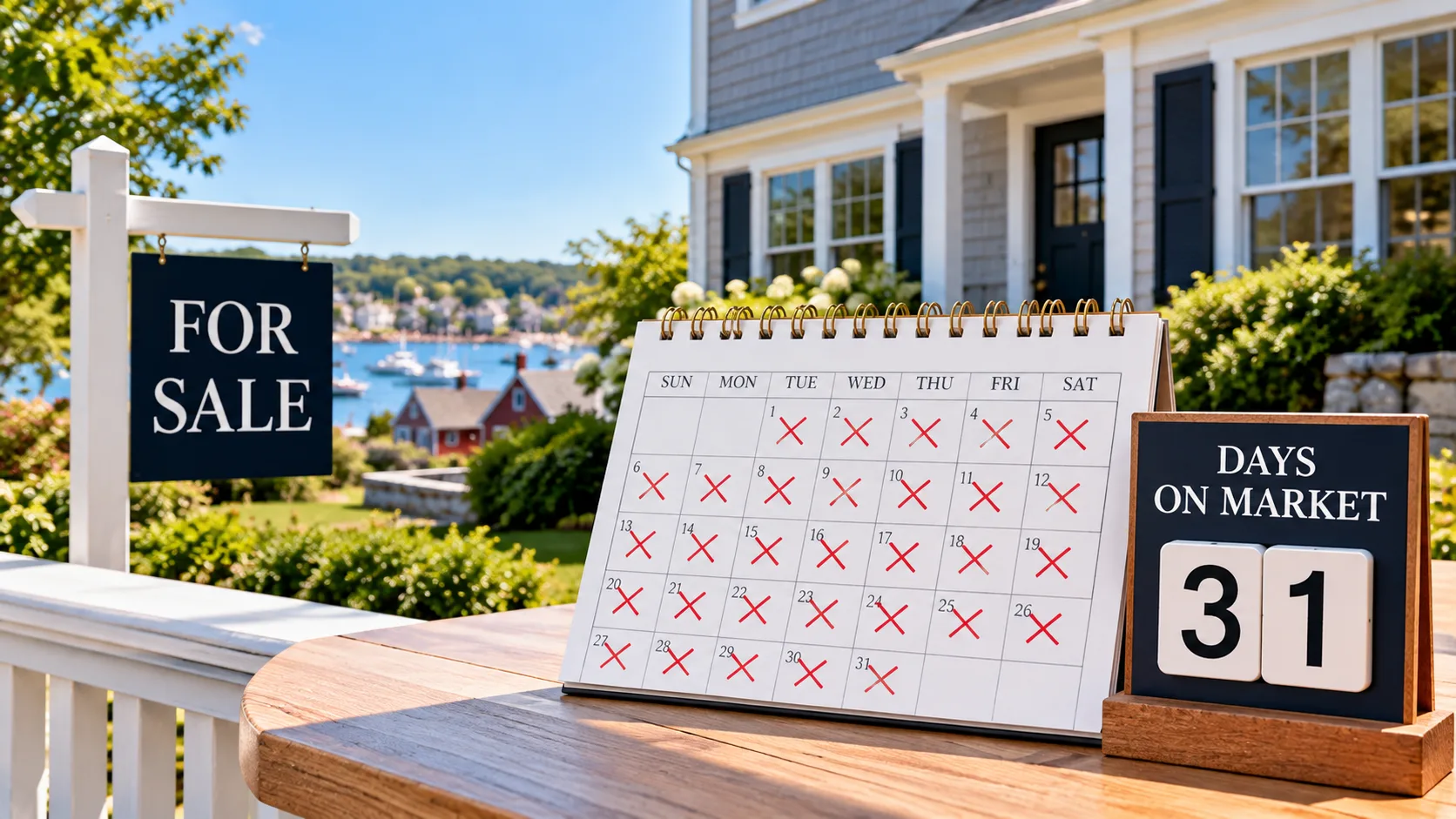 Market Knowledge Days on Market on the North Shore: What a Fast or Slow Sale Actually Tells You
  Selling Your Home How to Price Your North Shore Home to Sell: The Strategy Behind the Number
  Buying Your Next Home Mortgage Rates Are Headline News. Here's What Actually Matters for Your Move
  Buying Your Next Home How to Win a Bidding War on a North Shore Home Without Overpaying
 From the page to the porch
A note can only tell you so much. Let Kathleen take you through the towns, the streets, and the options that actually fit.