
Coastal Living
Seasonal Rentals and Vacation Homes on the North Shore: Rules, Taxes, and Realistic Returns
Kathleen Militello · Published October 11, 2026 · Updated October 11, 2026 · 10 min read
Coastal Living
Kathleen Militello · Published October 11, 2026 · Updated October 11, 2026 · 10 min read
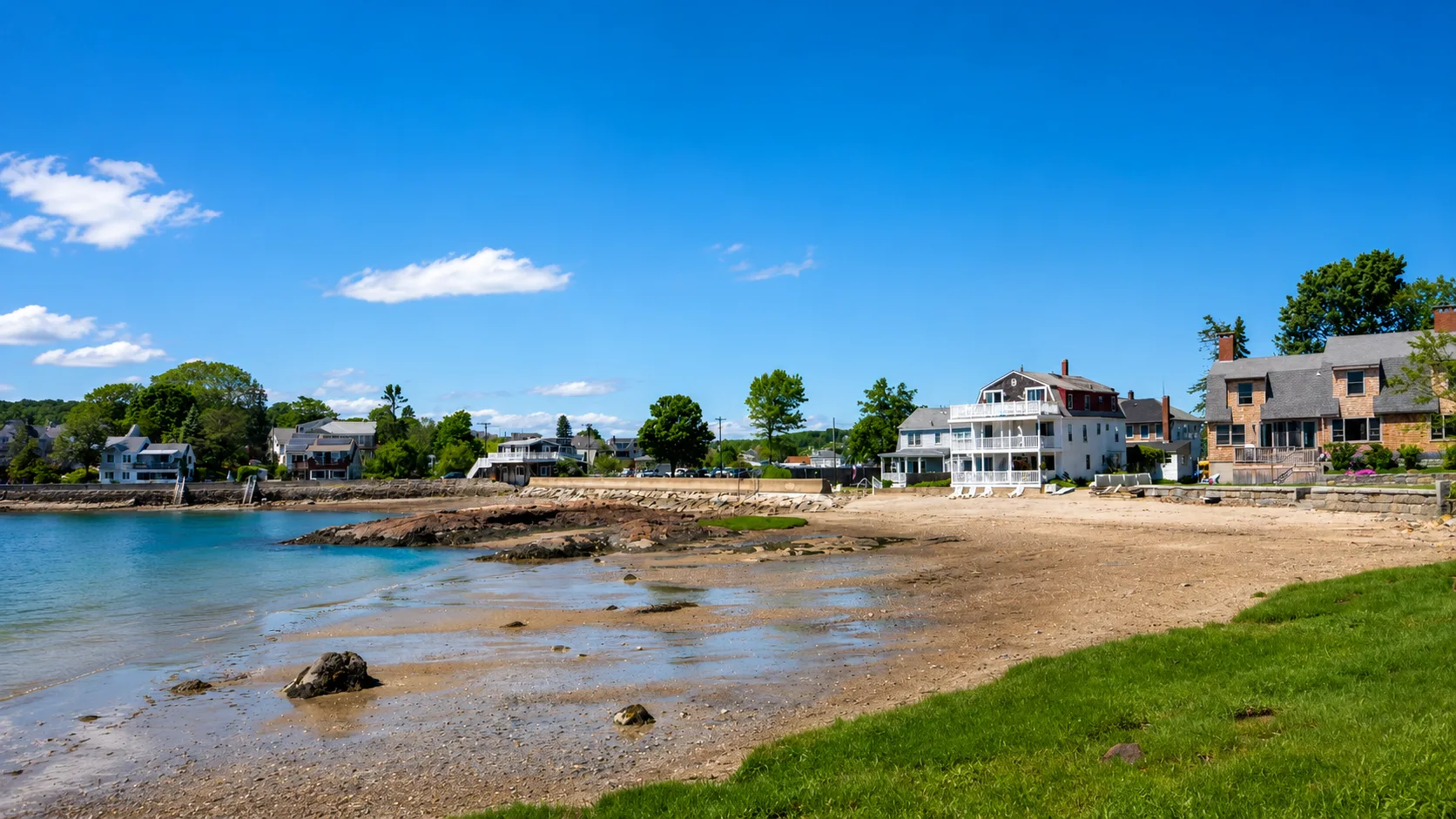
A coastal second home is a dream for many buyers, and renting it out can help with the numbers. But the rules and the costs surprise people, and the surprise usually comes after the purchase. This guide covers how short-term rentals actually work on the North Shore, what the taxes and fees look like, and how to think about the return realistically.
Key Takeaways
Short-term rental rules vary town by town on the North Shore
Taxes and fees add up, including occupancy taxes
Rental income affects financing and taxes
A vacation home is still a home: maintenance, insurance, and winterizing
Know the rules before you buy
The appeal is easy to see: a home on the water that pays part of its own way during the summer months. The reality is that seasonal rental income is not passive. Turnover means cleaning between guests, booking takes time or a property manager, and maintenance happens on a rental schedule, not a convenient one.
The seasonal rhythm is part of the appeal. A North Shore summer home gets its heaviest use in July and August, with shoulder seasons in June and September and a quiet winter. That rhythm shapes everything: when the rental income arrives, when the house needs attention, and how the property feels when the season ends. Owners who understand the rhythm plan around it, and they are the ones who keep enjoying the house.
None of that makes it a bad idea. It makes it a business to understand. Buyers who go in with clear eyes treat the rental as a real part of the plan, and they are the ones who enjoy it.
Short-term rental rules differ across the North Shore. Gloucester, Rockport, Salem, Newburyport, Ipswich, Essex, and Beverly each have their own approach to registration, zoning, and occupancy limits, and the rules have changed in recent years and will change again.
Before you commit to a rental strategy, check the current town bylaws for the property you are considering. Whether a home can be rented, how many nights, and under what conditions is a town decision, and a local agent can point you to the right office and the current rules.
Enforcement matters as much as the rules themselves. Some towns require registration and collect the occupancy tax directly, others rely on the booking platforms, and a few have tightened zoning in specific neighborhoods. The practical question for a buyer is simple: can this property, as it sits today, be rented the way you plan to rent it? The town's building or licensing office will answer it, and the answer should come before the offer, not after.
The return is the revenue minus everything it takes to earn it. Massachusetts applies a room occupancy tax to short-term rentals, towns can add their own local taxes, and the rental income is taxable income. On top of that come management fees if you use a property manager, and the real costs of cleaning and turnover between guests.
Realistic occupancy is the number most buyers get wrong. A coastal rental books well in summer and much less in the off-season, and the annual picture includes empty weeks, cancellations, and the gap between listing and first booking. A property manager's estimate is a good starting point, but the honest number comes from looking at comparable rentals in the same town over a full year. Plan around the slow season, and the good season is a bonus.
Run the numbers with all of it included, not just the peak-season rate. A realistic annual picture is the only one worth planning around.
Vacation homes are financed differently from primary residences. Lenders typically require larger down payments, and the rates and terms can differ from a primary-home mortgage.
Rental income may or may not count toward qualifying, depending on the lender, the history of the property, and the documentation you can provide. Talk to a lender early, before you shop, so the financing reality shapes the search instead of surprising you at the end.
Debt-to-income is the other piece. A second mortgage adds to your monthly obligations, and lenders look at the full picture of your income and debts, not just the house. If you plan to count rental income, expect to document it: a lease history, tax returns, or a signed agreement, depending on the lender. The cleaner your paperwork, the smoother the conversation.
A vacation home is not insured like a primary residence, and a property used as a rental is insured differently again. Standard homeowners policies may not cover rental use, and the liability picture changes when guests are on the property.
Liability is the part buyers underestimate. A rental brings guests onto the property, and a guest injury is a different claim than a homeowner's. Policies written for owner-occupied homes often exclude or limit rental use, which is why the specialized policy is not optional for a property you plan to rent. It is also worth asking about vacancy coverage, because an empty coastal home in winter has its own risks.
A specialized vacation-home or rental policy protects the property and the owner, and the premium belongs in the monthly math. Ask your insurance agent to quote the right policy for the way you will actually use the home.
A vacation home is still a home, and on the coast it needs more upkeep in some ways than a primary residence. Winterizing matters: pipes freeze when the heat is off, and a coastal storm does not care that the house is empty. Storm prep, roof checks, and seasonal maintenance all still apply.
Wear from turnover is real too. Guests are harder on a house than owners, and a rental needs fresher finishes, more durable materials, and a maintenance budget that reflects the use. Plan for it, and the numbers stay honest.
Local help makes seasonal ownership workable. A caretaker or a trusted local contractor who checks the house after storms, a plumber who knows how to winterize the system, and a lawn and exterior team who keep the property presentable between guests all turn a distant house into a managed one. On the North Shore, that network is part of what experienced owners rely on, and it is worth building before you close.
A vacation home can be one of the best decisions you make, and the difference between a joy and a burden is usually the planning done before the purchase. When we talk about a specific town or property, we run the real numbers together: the rules, the taxes, the insurance, and the honest return. Warmly, Kathleen Militello, Realtor®, eXp Realty.
Ask Kathleen
Straight answers about rules, taxes, financing, and the realistic numbers.
It depends on the town. Many North Shore towns regulate short-term rentals with registration, zoning, and occupancy rules, so check the local bylaws first and confirm the current rules for the specific property.
Massachusetts applies a room occupancy tax to short-term rentals, and towns may add their own local taxes. Rental income is also taxable, so the full tax picture belongs in the return math.
Sometimes. Lenders treat rental income differently depending on the history of the property and the documentation you can provide, so talk to a lender early in the process about how it would apply to you.
Yes. Renting a home changes the risk, and standard homeowners policies may not cover it. A specialized vacation-home or rental policy protects the property and the owner.
Rules vary and change, so there is no permanent answer. A local agent can point you to towns where short-term rentals are more straightforward and help you verify the current rules before you buy.
The same questions and answers, un-styled and sequential, so they can be read and extracted easily.
Q: Can I short-term rent my North Shore home?
A: It depends on the town. Many North Shore towns regulate short-term rentals with registration, zoning, and occupancy rules, so check the local bylaws first and confirm the current rules for the specific property.
Q: What taxes apply to short-term rentals?
A: Massachusetts applies a room occupancy tax to short-term rentals, and towns may add their own local taxes. Rental income is also taxable, so the full tax picture belongs in the return math.
Q: Can rental income help me qualify for a mortgage?
A: Sometimes. Lenders treat rental income differently depending on the history of the property and the documentation you can provide, so talk to a lender early in the process about how it would apply to you.
Q: Do I need special insurance for a vacation rental?
A: Yes. Renting a home changes the risk, and standard homeowners policies may not cover it. A specialized vacation-home or rental policy protects the property and the owner.
Q: Which North Shore towns are most rental-friendly?
A: Rules vary and change, so there is no permanent answer. A local agent can point you to towns where short-term rentals are more straightforward and help you verify the current rules before you buy.

Written by
Kathleen Militello, Realtor®
The Militello Team · AI Certified Agent™ · Certified Negotiation Specialist™ · eXp Realty
Keep your reading going
Kathleen has helped North Shore buyers think through vacation homes, rentals, and the real numbers for more than two decades. Bring the town, and we will run the math.
Short-term rental rules, taxes, and occupancy requirements vary by town and change over time. This article is general information, not tax, legal, or insurance advice; verify the current rules and your own numbers before relying on them.
Related Posts
 Luxury Coastal Living Coastal Luxury on the North Shore: What Buyers Should Know
  Buying Your Next Home Buying a Waterfront Home on the North Shore: What Experienced Buyers Know That First-Timers Don't
  First-Time Home Buyers How Much Do You Need to Save to Buy a First Home on the North Shore?
  Moving & Relocation Moving to the North Shore: The Complete Relocation Guide
  Things to Do North Shore Beaches: A Local's Guide to the Best Sand and Swimming
 From the page to the porch
A note can only tell you so much. Let Kathleen take you through the towns, the streets, and the options that actually fit.