The building at 310 Essex Street is more properly known as the Jonathan Corwin House.
Jonathan Corwin was a wealthy merchant and magistrate who purchased the property in 1675.
When accusations of witchcraft began spreading through Essex County in 1692, Corwin became one of the officials responsible for examining the accused.
He worked alongside magistrate John Hathorne, another prominent figure in the proceedings.
The house is important because it is the surviving Salem residence of a man who played a direct role in the witchcraft investigations.
But there is an important distinction.
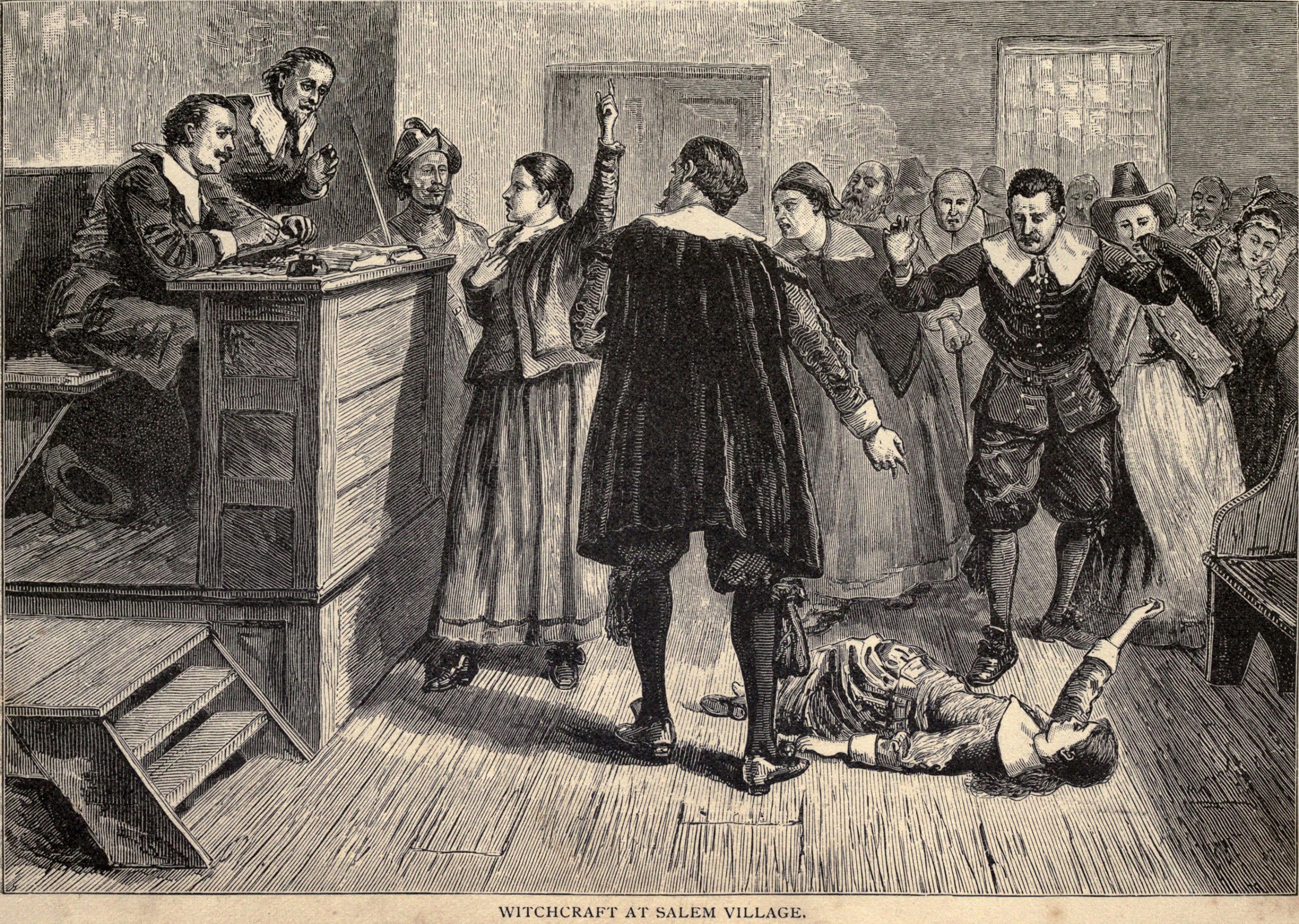
Although stories have circulated for years that accused witches were interrogated inside the house, historians have not found documentary evidence that those examinations occurred there.
The recorded examinations took place in locations including meetinghouses and taverns.
So why is the Witch House so significant?
Because it connects us to the private world of one of the men who helped turn accusations into a deadly legal process.
Imagine Corwin returning home after a day of questioning frightened neighbors, hearing extraordinary allegations, and deciding whether accused individuals should remain imprisoned.
We cannot know his private thoughts.
But we know that the decisions made by Corwin and other officials had devastating consequences.