
Homeowner Guide
Nor'easter Preparedness: A November Checklist for North Shore Homeowners
Kathleen Militello · Published November 11, 2026 · 9 min read · Boston's Coastal North Shore
Homeowner Guide
Kathleen Militello · Published November 11, 2026 · 9 min read · Boston's Coastal North Shore
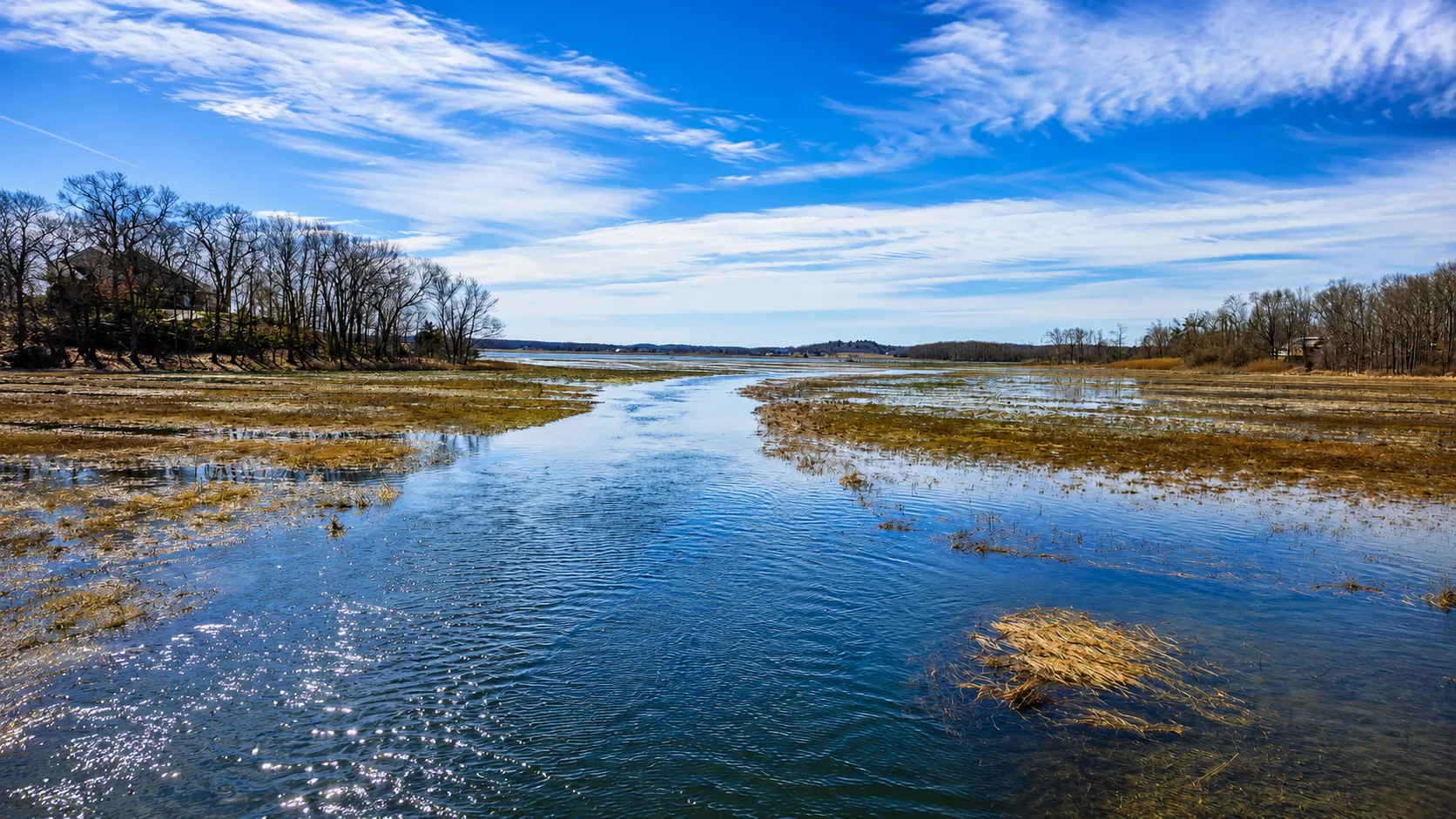
North of Boston, nor'easter season ramps up in late fall and runs through early spring, and November is the practical month to get a coastal home ready. This checklist covers the outside work, the inside kit, generator safety, storm surge basics, and the insurance question to ask before the season, written for the Massachusetts North Shore by Kathleen Militello, Realtor®.
North of Boston, nor'easter season ramps up in late fall and runs through early spring. November is the month when the storms grow more frequent and more intense, and it is the last stretch when the days are still long enough to do outdoor work comfortably. Preparing before the season means you are not scrambling when the first big storm is already on the radar.
The goal of a checklist is not fear. It is calm. When everything loose is secured, the gutters are clear, and the emergency kit is stocked, a nor'easter becomes a weather event rather than a crisis. That is the whole point of doing the work now.
A nor'easter is a large storm that forms along the East Coast and pushes strong northeast winds, heavy rain or snow, and rough seas onto shore. It is named for the direction its winds come from, and it can build up ocean water even when the storm itself sits offshore. Storm surge is the rise in water above the normal tide level that those winds drive toward the coast. The higher the surge and the higher the tide it meets, the more coastal flooding.
On the Massachusetts North Shore, the towns that face the open Atlantic and the mouths of the Merrimack and other rivers carry the most exposure: Gloucester, Rockport, Salisbury, Ipswich's barrier beaches, and the other coastal communities of Essex County. If you live in one of these towns, or within easy reach of the water, storm surge and coastal flooding are your real concern, not just the wind and the snow.
Start outside, where most nor'easter damage begins. Clean the gutters and downspouts so heavy rain and melting snow have somewhere to go. Leaves sitting in the gutters in November are the classic reason water backs up under the eaves during a winter storm.
Trim branches that overhang the roof, and take down any that are dead or obviously weak. A coastal storm can turn a healthy-looking limb into a missile, and a branch against the roof is harder to fix in December than to prevent in November.
Bring in or tie down loose outdoor items: patio furniture, grills, planters, trash barrels, and anything that could become airborne. Walk the yard and ask what would happen to each thing in a strong, sustained wind.
Learn where your main water shutoff and your electrical panel are now, and make sure every adult in the house knows both. Test the sump pump and clear its drain. Check the town's flood maps so you know, before any evacuation order, whether you live in a surge-prone area.
Inside, put together a New England emergency kit before you need it: a few days of water and nonperishable food, a flashlight and batteries, a first-aid kit, a manual can opener, warm blankets, and any medications. Keep it in one place everyone knows. Charge power banks before a storm, not during it, because outages often knock out power to phones and landlines together.
If you use a generator, know the rules before you run it. Generator exhaust is carbon monoxide, an odorless, poisonous gas, so the generator must run outdoors, far from the house, and never in a garage, basement, porch, or near an open window or door. Carbon monoxide alarms on every level, with fresh batteries, are the companion to that rule.
Frozen pipes are the inside risk that shows up after the storm, when the heat goes out for days. If an outage is forecast and you cannot keep the house warm, shut off the water and drain the faucets, and remember where the main shutoff is so you can act fast.
Once a year, and November is a good month for it, walk the whole house and photograph the rooms, the contents, the systems, and the roof. A dated photo inventory is quiet proof you can show your insurance provider if a claim ever comes, and it costs nothing but an afternoon.
Wind and snow get the attention, but on the coast it is the water that does the lasting damage. During a nor'easter, follow local officials and the National Weather Service, and do not drive through flooded roads. Turn around, because the water is often deeper than it looks and only a few inches can sweep a car off the road.
If officials issue an evacuation order for a coastal zone, take it seriously and leave early. Traffic backs up fast, and the worst of the surge can arrive before the worst of the rain. Remember that a home is a building, and a building can be repaired; people cannot be replaced. Staying to watch the waves is never worth it.
There is one question to ask before any storm, never during it: does my coverage include flood damage? The general rule is that standard homeowners policies generally do not cover flood damage. Flood coverage is a separate policy, and on the coast it is usually purchased through the National Flood Insurance Program.
Talk to your insurance provider now, before the season, and ask specifically about storm surge and coastal flooding. That conversation costs little and it is the difference between a clean recovery and a hard one. Exactly what your policy covers is a question for your provider, not for me, but the time to ask is before the storm, not after.
During the storm, stay inside and away from windows, keep devices charged, and check on neighbors, especially older ones and anyone you know lives alone. A text or a knocked door in the middle of a nor'easter can be the difference for someone who does not want to ask for help.
If the power goes out and you use a generator, the rule is the same every time: outside only, never indoors and never near windows, with carbon monoxide alarms working. Report downed wires and blocked roads rather than moving them yourself.
Once it is safe to go out, photograph any damage before you start repairs or clean up. Pictures of water marks, fallen trees, roof damage, and flooded rooms, taken from a few angles, are the record you give your insurance provider. Then check on neighbors and help anyone who needs it, because that is what the coast has always done.
November is the practical month to prepare, before the worst of nor'easter season arrives.
Storm surge is the real danger on the coast, and Gloucester, Rockport, Salisbury, and Ipswich's barrier beaches carry the most exposure.
One outside-to-inside pass covers the essentials: gutters, branches, loose items, sump pump, water shutoff, and a stocked emergency kit.
A generator must run outside and away from windows, because its exhaust is carbon monoxide.
Standard homeowners policies generally do not cover flood damage; flood coverage is a separate policy, usually through the National Flood Insurance Program.
Ask Kathleen
Straight answers to the nor'easter questions North Shore homeowners ask most, from the article above.
A nor'easter is a large storm that forms along the East Coast and pushes strong northeast winds, heavy rain or snow, and rough seas onto shore. It gets its name from the direction its winds come from. On the Massachusetts North Shore it is the storm type that brings most of the region's coastal flooding and winter weather.
Nor'easters can occur at almost any time of year, but on the Massachusetts North Shore the season runs roughly from late fall, around November, through early spring. That is when the storms are most frequent and most intense, which is why November is the practical month to prepare your home before the season's worst arrives.
The essentials are the same every year: clear the gutters, trim overhanging branches, secure loose outdoor items, know your water shutoff and electrical panel, test the sump pump, and know whether you live in a flood zone. Inside, keep a stocked New England emergency kit, charged power banks, and a dated photo inventory of your home. Ask your insurance provider about flood coverage before the season, and follow local officials and any evacuation orders when a storm approaches.
In general, no. Standard homeowners policies generally do not cover flood damage, and storm surge is treated as flood damage. Flood coverage is a separate policy, usually purchased through the National Flood Insurance Program for coastal homes. Ask your insurance provider what your exact policy covers before the season, because the general rule does not replace the specifics of your own coverage.
Related topics
nor'easter preparation ·coastal storm preparation Massachusetts ·North Shore MA storm checklist ·home prep for a nor'easter ·storm surge safety ·generator safety and carbon monoxide ·flood insurance for Massachusetts coastal homes ·New England emergency kit ·Nor'easter season Massachusetts North Shore ·Essex County coastal flooding ·Beverly MA Realtor ·Kathleen Militello ·eXp Realty North Shore

Written by
Kathleen Militello, Realtor®
The Militello Team · eXp Realty · MA Salesperson License 9053343 · Serving Boston's Coastal North Shore
Keep reading
Every coastal home is different, and the checklist that matters for one house is different for another. If you would like to talk through your own property before storm season, text me about it and I will give you an honest read, no pressure. I know this coast, and I want you to understand exactly what you are getting into.
Kathleen Militello, Realtor
The Militello Team | eXp Realty
Experience Matters.
This article is general information, not an insurance policy or an emergency response plan. For your own safety and coverage, follow local officials and talk to your insurance provider about your specific property.