Should You Buy a House With a Wood-Burning Fireplace? A North Shore Buyer's Guide
A fireplace adds warmth, charm, and often value — but it also brings maintenance, inspection, and insurance considerations. Here's what to verify before you fall for that crackling hearth.
The Short Version
- •Fireplaces add appeal and modest value — especially in the North Shore's older, character homes where buyers expect them.
- •Get a chimney inspection. A standard home inspection isn't enough — request a Level 2 chimney inspection with a camera scan.
- •Repairs can be costly. Relining a chimney runs $2,500–$5,000; rebuilding can exceed $10,000.
- •Wood stove inserts boost efficiency. Many North Shore owners upgrade to inserts for more heat with less wood.
- •Make your offer contingent on inspection. Fireplace and chimney issues are exactly what contingencies protect you from.
The Fireplace Appeal Is Real — and So Are the Responsibilities
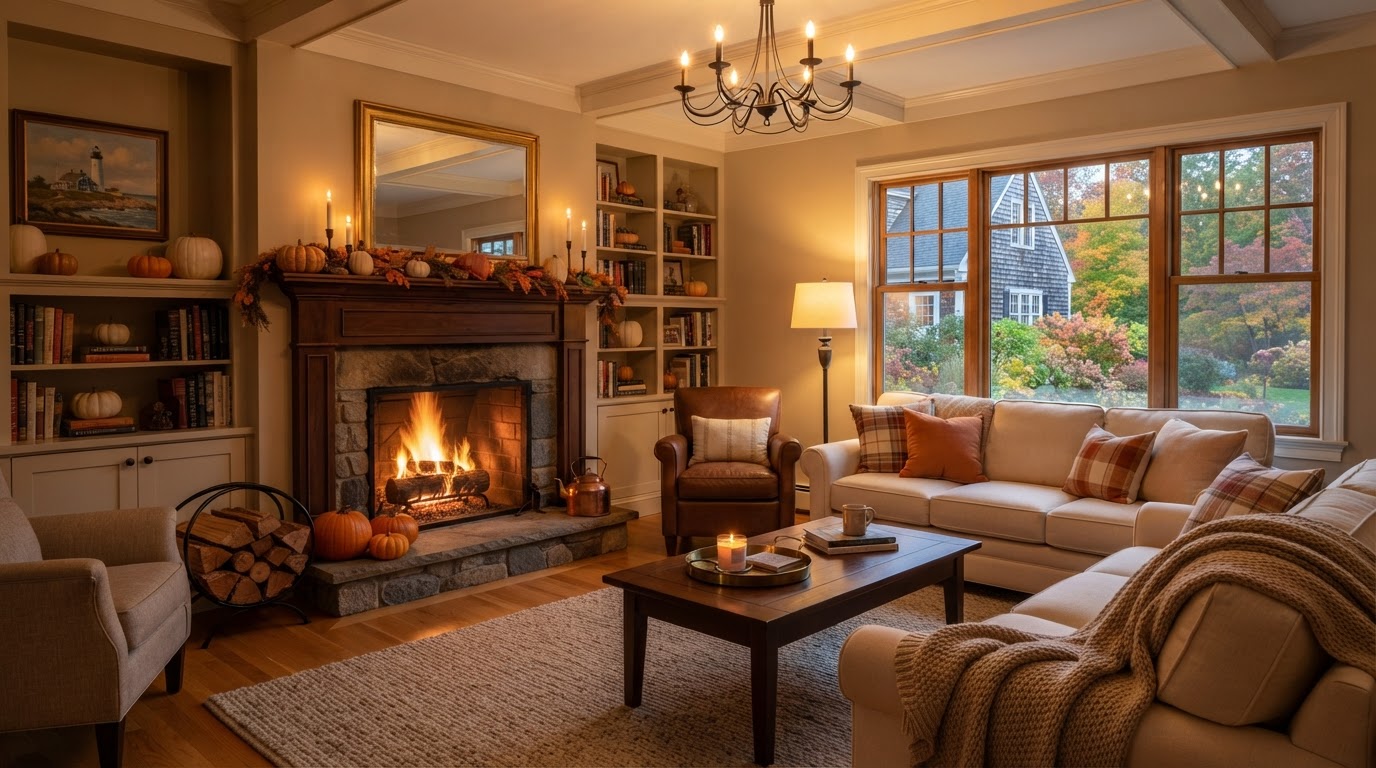
There's a reason a wood-burning fireplace is one of the most requested features among North Shore home buyers. On a cold January evening, nothing matches the warmth and ambiance of a real fire — and in a region full of historic colonials, Victorians, and antique capes, a working fireplace feels like part of the home's character. Studies consistently show that fireplaces add value and can help a home sell faster.
But a fireplace is also a maintenance item, a safety consideration, and — if neglected — a potential deal problem. The difference between a fireplace that's a selling point and one that's a liability comes down to one thing: condition. And the only way to know the condition is a proper inspection.
What a Fireplace Adds (and What It Costs)
A functional wood-burning fireplace typically adds several thousand dollars to a home's value and broadens its buyer appeal. In the North Shore market, where many buyers are moving from condos or Boston apartments and dream of a "real" home with a hearth, it can be a genuine differentiator. But that value assumes the fireplace and chimney are sound. A fireplace with a cracked flue liner, water-damaged chimney, or creosote buildup isn't an asset — it's a repair bill and a safety hazard.
The Inspection You Actually Need: Level 2 Chimney Scan
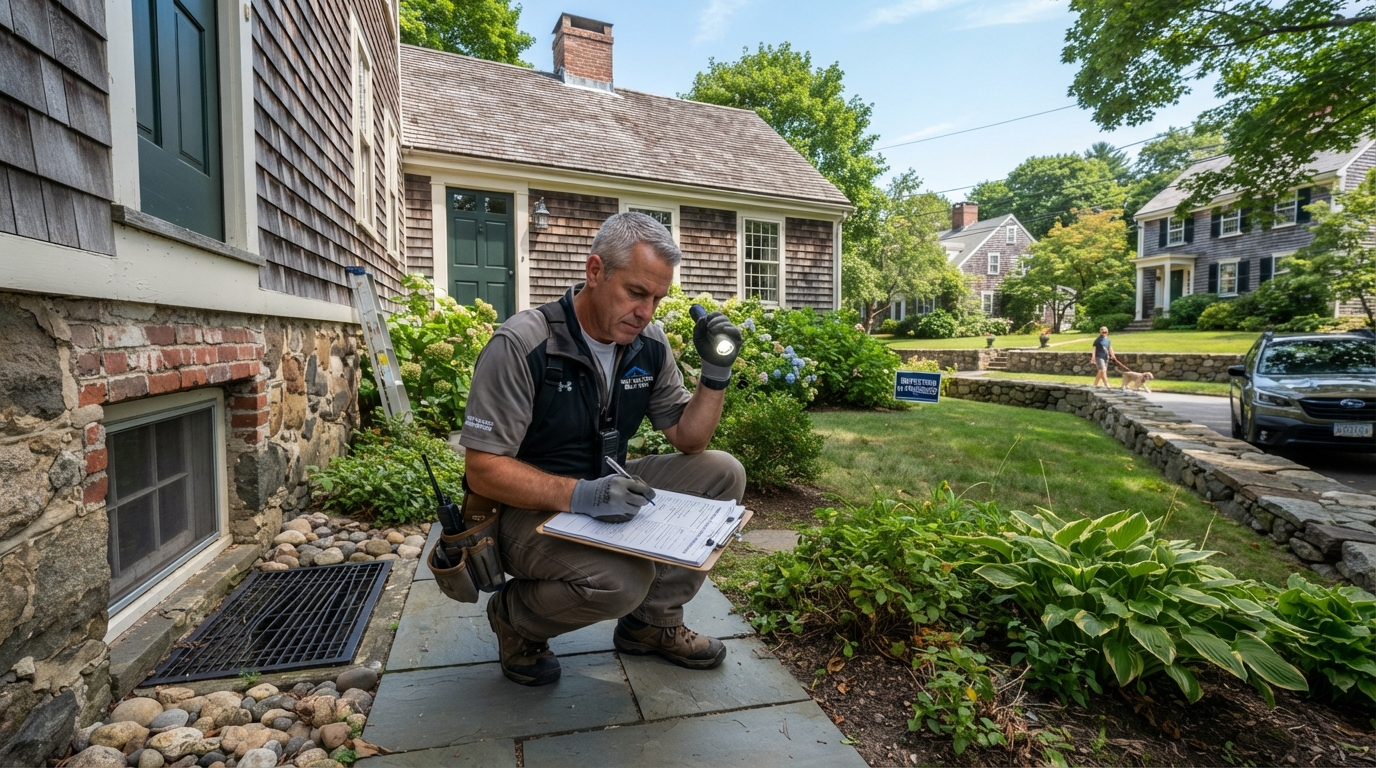
A general home inspection includes a visual look at the fireplace and a check that the damper operates — but it does not thoroughly examine the chimney's interior. For any home you're seriously considering, request a Level 2 chimney inspection, which uses a camera to scan the full length of the flue. This is the inspection that reveals the expensive problems:
- Cracked or missing flue liners — a fire hazard that requires relining
- Creosote buildup — a combustible deposit that needs professional cleaning
- Spalling or deteriorated brick and mortar — structural issues in the chimney
- Water intrusion — often from a missing or damaged chimney cap, leading to interior damage
- Improper clearances or modifications — especially in homes where fireplaces were altered over the years
Make your offer contingent on a satisfactory chimney inspection — this is exactly the kind of issue real estate contingencies are designed to protect you from. See our Massachusetts contingencies guide.
What Repairs Cost
If the inspection turns up issues, here's what you may be facing:
- Chimney cleaning and cap: $200–$600
- Flue relining (stainless steel liner): $2,500–$5,000
- Chimney repointing (tuckpointing): $1,000–$3,000
- Chimney rebuild (structural): $5,000–$15,000+
- Wood stove insert with liner: $3,000–$6,000
These numbers are why a chimney inspection before purchase is so valuable — it gives you the facts to negotiate a credit or repair, or to walk away if the cost is too high.
Prefab vs. masonry fireplaces: Many newer homes have factory-built (prefab) fireplaces with metal chimneys. These have shorter lifespans (15–30 years) and when components fail, replacement parts may be discontinued — meaning the whole unit may need replacing. Ask whether the fireplace is masonry or prefab.
Wood Stove Inserts: The Efficiency Upgrade
A traditional open fireplace is charming but inefficient — much of the heat goes up the chimney. Many North Shore homeowners install a wood stove insert: a high-efficiency metal stove set into the existing fireplace opening, vented through a stainless steel liner. Inserts produce far more usable heat with less wood and fewer emissions, and a properly installed insert can actually add value. If a home you're considering has an aging fireplace, an insert may be a smart upgrade — budget for it in your post-purchase plans.
Insurance and Safety Considerations
Insurers generally cover wood-burning fireplaces as part of a standard homeowners policy, but they may ask about them and could require proof of recent cleaning or a chimney inspection. Some charge a modest premium increase. Always disclose the fireplace to your insurer — misrepresentation can jeopardize a claim. For safety, have the chimney cleaned annually if you use it regularly, install smoke and carbon monoxide detectors, and never burn treated wood or trash. See our homeowners insurance guide for what else to verify.
For Sellers: Make Your Fireplace a Selling Point
If you're selling a home with a fireplace, a little prep pays off. Have the chimney cleaned and inspected before listing, and keep the documentation — buyers and their inspectors will ask. Stage the hearth simply (a clean fire screen, a few logs, no clutter). If the chimney needs repairs, decide whether to fix them or price and disclose accordingly. A fireplace that's been recently serviced and documented is a genuine asset; one with unknown condition is a question mark that buyers will discount. See our 30-day seller prep guide.
The Bottom Line
A wood-burning fireplace is one of the most beloved features in a North Shore home — and it can add real value. But it's also a system that needs inspection and maintenance. Whether you're buying or selling, treat the fireplace and chimney like any other major component: inspect it, document it, and make your decision based on facts, not just ambiance.