
Coastal Living
Home Insurance on the Coast: Wind Deductibles, Named Storms, and What Standard Policies Miss
Kathleen Militello · Published October 11, 2026 · Updated October 11, 2026 · 9 min read
Coastal Living
Kathleen Militello · Published October 11, 2026 · Updated October 11, 2026 · 9 min read
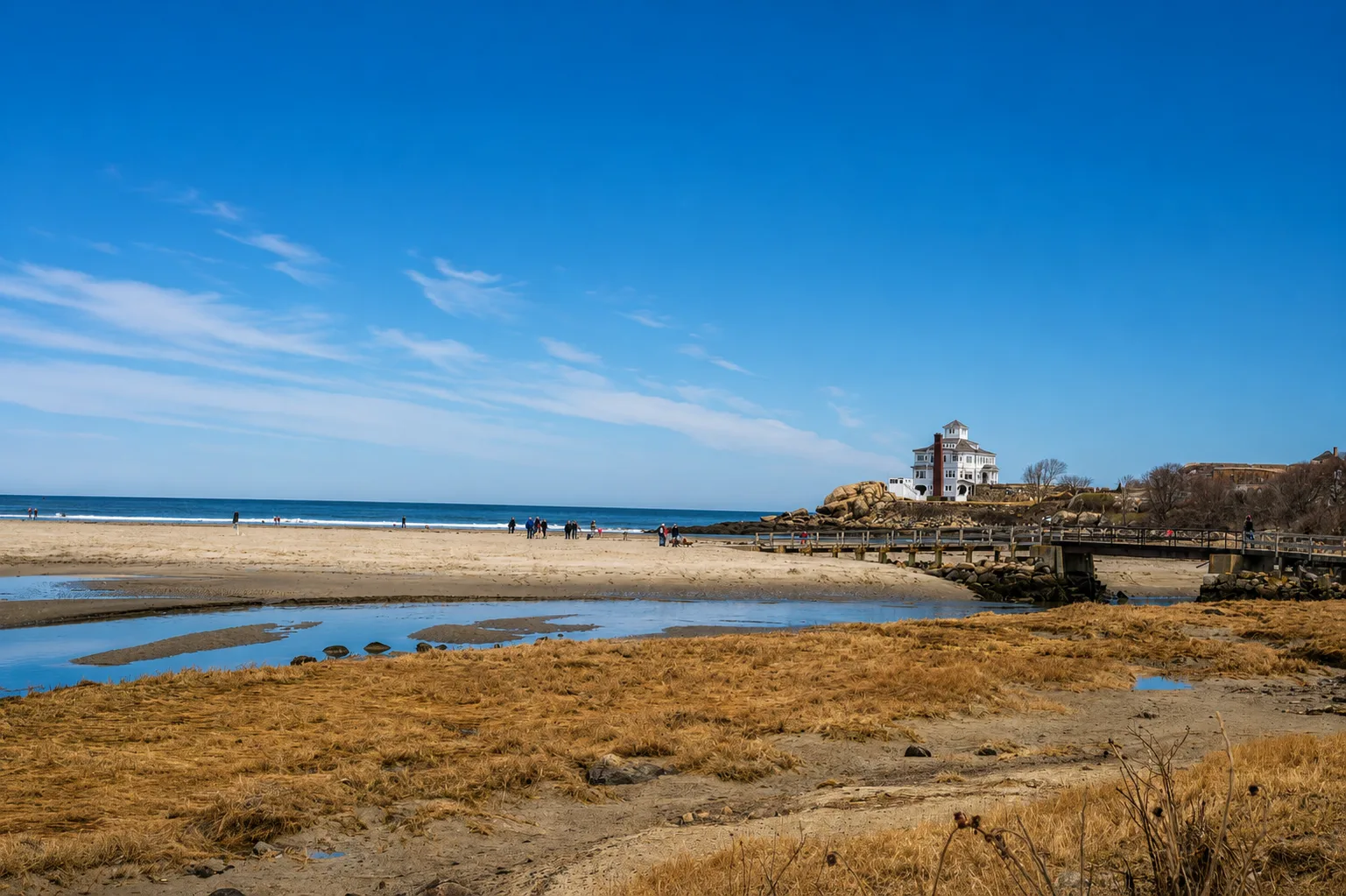
Coastal Massachusetts homeowners pay more for insurance for a reason, and the policy details matter more than most buyers realize. The coast is priced differently by insurers, the deductibles work differently, and the coverage has gaps that surprise people at the worst possible time. This guide explains why coastal policies cost more, how named-storm deductibles work, what the FAIR Plan is, and how to lower your premium.
Key Takeaways
Coastal policies are not standard policies
Named-storm and wind deductibles are common on the coast
The FAIR Plan exists for hard-to-insure coastal homes
Flood coverage is always separate
Review your policy before storm season, not after
A named-storm deductible is a separate deductible, often a percentage of your dwelling coverage, that applies when a named storm causes damage. Where a standard deductible might be a flat amount like $1,000 or $2,500, a named-storm deductible is commonly 1 to 5 percent of the home's insured value.
On a $700,000 home, that can mean a deductible of $7,000 to $35,000 out of pocket after a named storm, far more than after a typical claim. Knowing your deductible before a storm is the difference between a plan and a shock.
Deductibles vary by carrier and by policy, so there is no single number that applies to every coastal home. Some policies use a flat percentage for any wind claim, others trigger the higher deductible only when the storm is officially named, and the wording matters when you file. Your agent can walk you through the exact language on your policy, and that conversation is worth having before the season.
Wind damage is generally covered by homeowners policies, while flood damage is not. Storm surge is flood, not wind, which is why flood insurance matters so much on the coast: the water that comes with a nor'easter is not covered by the wind policy.
There is a practical way to think about it: wind comes from the sky, flood comes from the ground. Rain that gets in through a wind-damaged roof is usually a wind claim, while water that rises up from the street, the yard, or the marsh is flood. Sewer backup is its own coverage on many policies. The categories matter at claim time, so it helps to know which policy covers which kind of water before you need it.
Coastal policies often add wind or named-storm deductibles on top of that, so the wind coverage you do have may carry a higher out-of-pocket cost. Read the policy and know both the coverage and the deductible before you need them.
The Massachusetts FAIR Plan is the insurer of last resort for hard-to-insure coastal properties. When standard carriers will not write a policy, the FAIR Plan provides basic coverage, with limits, higher costs, and fewer options than a standard policy.
Being on the FAIR Plan is not permanent. Roof upgrades, wind-mitigation work, and a clean claims history can bring a property back into the standard market, and an independent agent who writes coastal business will know which carriers are open and what they want to see. It is worth revisiting every year, because the market changes and so does your home's risk profile.
It is a backstop, not a substitute. It does not replace flood insurance, and it is not the same as a competitive market policy. If your home is on the FAIR Plan, an independent agent can help you understand it and look for options.
Documentation is the part of insurance nobody enjoys and everyone benefits from. A home inventory with photos and receipts makes a claim faster and more accurate, and it is the record you will want if a storm ever hits.
Keep the records somewhere safe and separate from the house. Photos and receipts stored in the cloud survive a storm that does not, and a written inventory makes the difference between a fast, fair claim and a long argument. It is twenty minutes of work once a year, and it is the cheapest insurance you will ever buy.
Know your coverage limits, review the policy annually, and update it when you renovate or add value to the home. The policy you reviewed in October is the one you understand in February.
Insurance is not the glamorous part of coastal living, but it is the part that lets you sleep through a nor'easter. When we look at a coastal property together, we put the insurance cost and the policy details on the table in the first conversation, so the price you consider is the price you can actually carry. Warmly, Kathleen Militello, Realtor®, eXp Realty.
Ask Kathleen
Straight answers about named-storm deductibles, wind coverage, the FAIR Plan, and premiums.
A separate deductible, often a percentage of your dwelling coverage, that applies when a named storm causes damage. It is typically much higher than your standard deductible, so it is important to know yours before a storm hits.
Only if you cannot get coverage from a standard carrier. It is the insurer of last resort for hard-to-insure coastal homes and provides more limited, more expensive coverage, so it is a backstop rather than a first choice.
Generally yes, but coastal policies often add wind or named-storm deductibles, so read the policy and know your out-of-pocket exposure before you need it.
Roof upgrades, impact-resistant windows, wind-mitigation improvements, bundling policies, raising deductibles, and shopping multiple carriers can all help.
No. Flood coverage is separate and never included in standard homeowners policies, and storm surge is considered flooding, so coastal homeowners need both.
The same questions and answers, un-styled and sequential, so they can be read and extracted easily.
Q: What is a named-storm deductible?
A: A separate deductible, often a percentage of your dwelling coverage, that applies when a named storm causes damage. It is typically much higher than your standard deductible, so it is important to know yours before a storm hits.
Q: Do I need the FAIR Plan?
A: Only if you cannot get coverage from a standard carrier. It is the insurer of last resort for hard-to-insure coastal homes and provides more limited, more expensive coverage, so it is a backstop rather than a first choice.
Q: Is wind damage covered by homeowners insurance?
A: Generally yes, but coastal policies often add wind or named-storm deductibles, so read the policy and know your out-of-pocket exposure before you need it.
Q: How can I lower my coastal insurance costs?
A: Roof upgrades, impact-resistant windows, wind-mitigation improvements, bundling policies, raising deductibles, and shopping multiple carriers can all help.
Q: Is flood insurance the same as wind insurance?
A: No. Flood coverage is separate and never included in standard homeowners policies, and storm surge is considered flooding, so coastal homeowners need both.

Written by
Kathleen Militello, Realtor®
The Militello Team · AI Certified Agent™ · Certified Negotiation Specialist™ · eXp Realty
Keep your reading going
Kathleen has helped North Shore buyers and sellers understand coastal insurance for more than two decades. Bring the address, and we will walk through the coverage questions together.
Insurance rules, rates, and availability vary by carrier, property, and year. This article is general information, not an insurance quote or legal advice; verify the policy details and deductibles for your specific home before relying on them.
Related Posts
 Coastal Living Flood Insurance on the North Shore: The 2026 Guide to Coastal Risk, Cost, and Home Values
  Buying Your Next Home Buying a Waterfront Home on the North Shore: What Experienced Buyers Know That First-Timers Don't
  Market Knowledge Fall Home Maintenance Checklist: Getting Your North Shore Home Ready for Winter
  Luxury Coastal Living Coastal Luxury on the North Shore: What Buyers Should Know
  Things to Do North Shore Beaches: A Local's Guide to the Best Sand and Swimming
 From the page to the porch
A note can only tell you so much. Let Kathleen take you through the towns, the streets, and the options that actually fit.