
Downsizing on the North Shore
Downsizing on the North Shore: A Step-by-Step Guide to Your Next Chapter
Kathleen Militello · Published October 6, 2026 · Updated October 6, 2026 · 11 min read
Downsizing on the North Shore
Kathleen Militello · Published October 6, 2026 · Updated October 6, 2026 · 11 min read

Downsizing is a next chapter, not an ending, and it goes better when it happens on your timeline. This guide is a step-by-step roadmap for North Shore homeowners who are ready for less space and more ease: deciding what your next home really needs to be, setting a realistic timeline, sorting through decades of belongings without pressure, preparing your current home to sell, and choosing where to land next. It is written to be read in order, but each section stands on its own when you are ready for that step.
Key Takeaways
Right-sizing starts with deciding what your next home actually needs: layout, stairs, one-level living, and proximity to town are the questions that matter most.
Give yourself more time than you expect; the whole process, from decision to closing, usually takes longer than the optimistic guess, and a calm timeline makes every other step easier.
Decluttering works best room by room and without pressure, and decades of possessions can go to loved ones, donation, sale, or professional help.
Choosing your next town comes down to lifestyle: condos, one-level homes, walkable downtowns, and communities near the people you care about.
The financial and emotional sides are both real, and an agent who has guided this exact transition makes the whole process steadier.
Design the chapter before you shop
Right-sizing starts with honest questions about how you want to live, not with a list of houses. Ask yourself what the next chapter should feel like: less yard work, no stairs, a shorter walk to town, or a community where you already know people. Then imagine your week in that home, not your year, because weekly patterns drive most of the decisions.
Layout matters more than size. Many North Shore households moving into this next chapter look for one-level living: a bedroom, bath, kitchen, and living space on the same floor. Others want a first-floor primary suite or a home with fewer stairs even if it is not strictly single-level. Proximity to town, groceries, medical care, and the people you care about often rises to the top of the list at this stage of life.
Write down the three things that genuinely matter and let the rest go. Every home is a set of trade-offs, and the clarity you build at this step will make decluttering, selling, and choosing your next place all easier. My guide to what to look for in your next home can help you build that list.
More time than you expect
The most common mistake in downsizing is rushing it. The whole process, from the decision to the closing on a new home, usually takes longer than the optimistic guess, so build in room to breathe. A calm timeline makes every other step less stressful: sorting, selling, and moving all go better when nothing is urgent.
Work backward from the date you would like to be settled, and then add cushion. If you plan to sell your current home, remember that the sale sets the pace: preparing the house, listing it, and closing all take time. My week-by-week downsizing timeline, written for moving before the holidays, shows how the pieces fit together.
Assemble your team early, lightly: the loved ones who may receive some of your belongings, the financial professionals who will help with the numbers, and an agent who can advise on timing. You are not announcing a project so much as gathering the people who will help you land gently.
Gentle, steady progress
Decluttering is the step most homeowners dread, and it is also the one that rewards a gentle, steady approach. Work room by room, starting with the spaces you use least: attics, basements, storage closets, and guest rooms. The rooms you use daily can wait until last, so your home stays livable while the project moves forward.
Pick a simple sorting rule and stick to it: keep, give, sell, discard. If you have not touched something in years and no one else wants it, it is usually ready to go. Work in short sessions rather than marathons, and stop when you are tired. The goal is steady forward progress, not a single heroic weekend.
Do not aim for empty, because that is not the point. Aim for a home where every room earns its use. And keep the good memories close: take photos of items that are hard to let go of, so the object can move on while the memory stays.
Every route has a place
Decades of belongings usually flow somewhere, and most households find that a mix works best. Gifting to loved ones comes first, and it is often more meaningful when you choose the recipients while you are ready, rather than leaving the sorting to someone else later. Ask around in advance, because loved ones may have limited space too, and giving them things they genuinely want beats sending them things that become their clutter.
Donations and sales handle the rest: local charities and donation centers on the North Shore take household goods, and larger items can be sold directly or through consignment. For the final layer, professional organizers, estate companies, and packing-and-moving services exist precisely for this transition, and they are worth every dollar for the hours of work and the number of decisions they save. When the task outgrows one household, I connect homeowners with estate cleanout and home preparation support.
Above all, remember that the goal is to move forward with less, not to sort perfectly. The last portion of the process is usually the hardest, and finishing feels better than perfecting.
The decluttering is the biggest step
Once the major sorting is done, the house itself is next. The good news is that decluttered spaces show far better, so the work you have already done is the single biggest preparation step. From there, the list is practical: light repairs, fresh paint where it matters, a deep clean, and curb appeal.
Consider the rooms a buyer will see most: kitchen, baths, the primary suite, and the front of the house. You do not need a renovation, and in most cases you should not do one before selling. You need clean, neutral, well-maintained spaces that let buyers picture their own belongings in them.
When the house is ready, pricing and marketing matter. A Realtor® with local experience will help you understand what the current market supports and how to present the home to reach the buyers looking in your town. My guide to pricing a North Shore home explains the thinking behind a smart list price.
The coast has more than one answer
The North Shore is a wonderful place to right-size because the range of options is so wide. Condominiums in walkable downtowns like Beverly, Salem, and Newburyport offer low-maintenance living with shops and restaurants at your doorstep. One-level homes and first-floor-primary-suite layouts exist in most towns, and smaller coastal homes let you keep the water in your life with far less upkeep.
Proximity to the people you care about often becomes the deciding factor, and it is a good one. Many households choose the town closest to their loved ones, or the downtown where friends already gather. Walkability to groceries, appointments, and community spaces matters more after the move than before it, so test the walk before you choose.
Compare what each town offers in practical terms: my neighborhood evaluation checklist works just as well for this chapter as it does for a first home. And remember that your equity gives you choices: the next home does not have to look like the last one.
Equity is the engine
For most homeowners, the equity built up over decades is the engine behind the move. Selling frees that equity to fund the next home, cover moving and downsizing costs, or simply stay invested for the years ahead. Understanding your numbers early, what the current home could realistically sell for and what the next one will cost, makes every other decision clearer.
Work with a financial professional on the specifics: how much to put into the next home, what to set aside, and how the sale fits your broader plans. Tax considerations around a home sale are real and personal, and the right person to discuss them with is your own advisor. I bring the market realities, and your financial team brings the plan.
This is also where a Realtor® earns trust. I will give you an honest read on what your current home can bring in today's market, what the right-size home in your target town costs, and how the numbers connect, so you can walk into a conversation with your financial professional informed. You can start with a confidential home value review any time, with no pressure to list.
A transition, and a good one
It is worth saying plainly: downsizing is a transition, and it is normal to feel it. A home holds decades of holidays, milestones, and ordinary Tuesday nights, and letting go of the building does not mean letting go of any of that. Give yourself permission to feel the weight of it, and talk about it with the people who matter.
The feelings usually soften as the plan takes shape. When the next home starts to feel real, when the first room is unpacked, and when the first winter passes without a shovel in your hand, most homeowners tell me they feel lighter than they expected. The move is a chapter, not the whole story, and it can be a genuinely good one.
You do not have to do this alone. Loved ones, move managers, professional organizers, and an agent who has walked this path with many households are all there to help. Asking for the help you need is not a sign of weakness; it is how a good transition gets done.
Compassion and clear guidance
I have helped many North Shore homeowners through this exact transition: from the first conversation about what the next chapter should look like, through the sorting and the sale, to the keys of a home that fits how they live now. It is one of the most meaningful parts of my work, because the trust involved is deeply personal.
My job is to protect your interests and to tell you what I really think, including when the honest answer is that the timing is not right yet or that a different town fits better. I know the North Shore's condos, one-level homes, and walkable downtowns, and I know which ones suit the lifestyle you are moving toward. Let's look at your options together, take the steps one at a time, and move at a pace that feels right to you. As a Certified Negotiation Specialist™ and AI Certified Agent™ with eXp Realty, I bring both the human care and the modern tools the process deserves, because when it comes to buying or selling a home, experience matters.
Right-sizing is a decision about the next decade of your life, and it deserves a plan, time, and a team. If you are beginning to think about it, call or text me at (978) 500-1480 or book a conversation. We will start with what you want the next chapter to feel like, and work backward from there, step by step, at your pace. Warmly, Kathleen Militello, Realtor®, eXp Realty.
Ask Kathleen
Straight answers to the questions North Shore homeowners ask when they start thinking about right-sizing.
Longer than most people expect, which is exactly why the advice is to give yourself more time than you think you need. Between sorting, preparing the home to sell, the sale itself, and the move, a calm timeline that connects each step makes the whole process steadier.
That depends on your finances, your market, and how much overlap you can afford. Many North Shore households sell first, and others buy with a sale contingency or coordinate the timing with their agent. A good agent and a financial professional can look at your specific numbers and help you decide, because there is no single answer that fits everyone.
A mix usually works best: gift the things loved ones genuinely want, donate and sell what has value, and bring in professional help for the rest. Estate companies, professional organizers, and move managers on the North Shore handle exactly this, and they save more hours than they cost.
Common choices include condominiums in walkable downtowns like Beverly, Salem, and Newburyport, one-level homes in the town they already know, and smaller homes closer to the people they care about. The right answer depends on the lifestyle you want, which is worth talking through with someone who knows the towns.
The same questions and answers, un-styled and sequential, so they can be read and extracted easily.
Q: How long does downsizing usually take?
A: Longer than most people expect, which is exactly why the advice is to give yourself more time than you think you need. Between sorting, preparing the home to sell, the sale itself, and the move, a calm timeline that connects each step makes the whole process steadier.
Q: Should I sell my current home before I buy the next one?
A: That depends on your finances, your market, and how much overlap you can afford. Many North Shore households sell first, and others buy with a sale contingency or coordinate the timing with their agent. A good agent and a financial professional can look at your specific numbers and help you decide, because there is no single answer that fits everyone.
Q: What is the best way to handle decades of belongings?
A: A mix usually works best: gift the things loved ones genuinely want, donate and sell what has value, and bring in professional help for the rest. Estate companies, professional organizers, and move managers on the North Shore handle exactly this, and they save more hours than they cost.
Q: Where do most North Shore homeowners move when they downsize?
A: Common choices include condominiums in walkable downtowns like Beverly, Salem, and Newburyport, one-level homes in the town they already know, and smaller homes closer to the people they care about. The right answer depends on the lifestyle you want, which is worth talking through with someone who knows the towns.

Written by
Kathleen Militello, Realtor®
The Militello Team · AI Certified Agent™ · Certified Negotiation Specialist™ · eXp Realty
Keep your reading going
Kathleen has guided North Shore homeowners through downsizing and relocation for more than 20 years, with compassion and clear guidance. Let's talk about what your next chapter should look like.
Related Posts
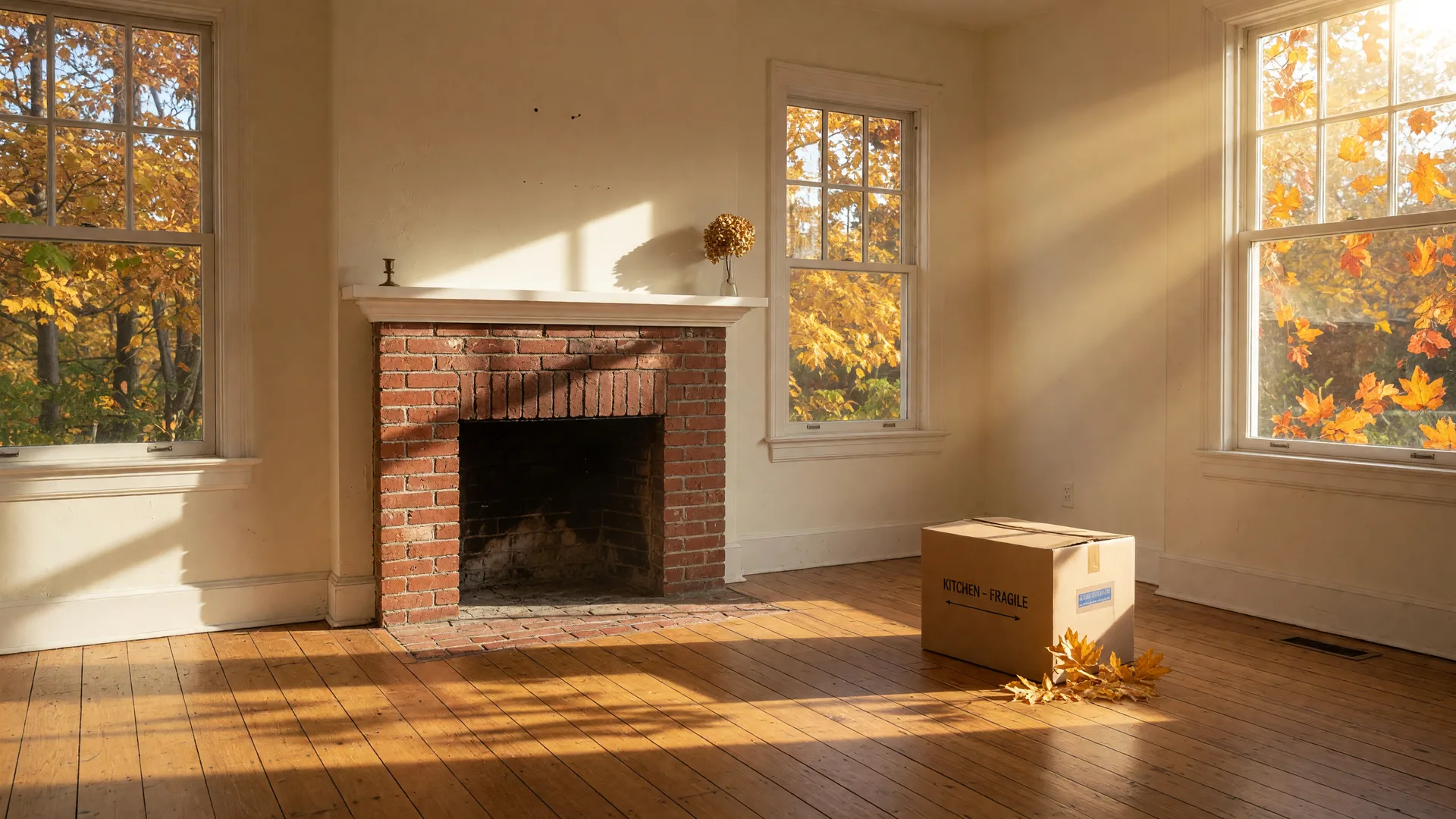 Downsizing on the North Shore Downsizing Before the Holidays: A Realistic Week-by-Week Timeline
  Downsizing on the North Shore Two Bedrooms, a View, and Room for the Kayaks: How to Right-Size Without Losing What You Love
  Market Knowledge Empty Nesters Are Driving the North Shore's Most Interesting Moves: Here's the Pattern
 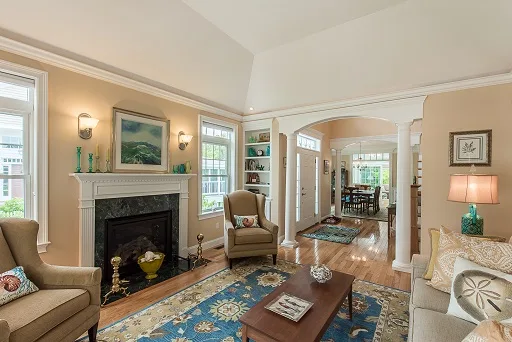 Downsizing on the North Shore The Real Cost of Staying in Your Big North Shore House
  First-Time Home Buyers The First-Time Home Buyer's Guide to the North Shore
 From the page to the porch
A note can only tell you so much. Let Kathleen take you through the towns, the streets, and the options that actually fit.