Buying / Open Houses
How to Get the Most Out of an Open House
Kathleen Militello · Published October 2, 2026 · Updated October 2, 2026 · 8 min read
Buying / Open Houses
Kathleen Militello · Published October 2, 2026 · Updated October 2, 2026 · 8 min read
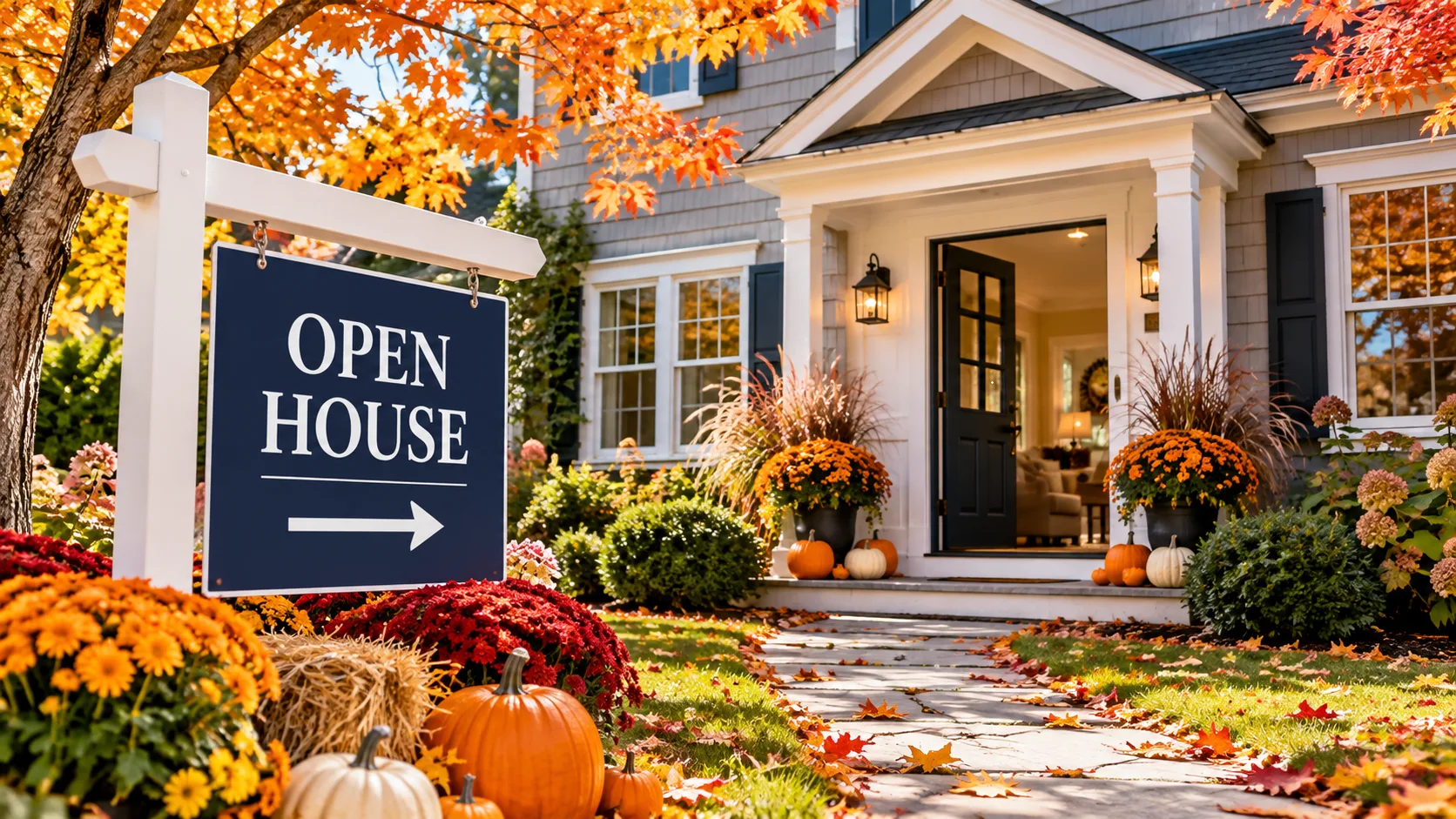
An open house is one of the best ways to see what a home is really like, and this time of year it matters more than ever. The days are shorter, the light is lower, and a house can look completely different at four in the afternoon in early October than it does in the listing photos. This guide walks through how to prepare before you go, what to look at while you are inside, which questions are worth asking, and how to compare homes after the visit, so you make a clear-headed decision. If you are ready to practice, find the open houses near you this weekend and start with a home or two that fits your list.
Key Takeaways
An open house is for learning, not deciding: go in with a written must-have list, plain budget numbers, and the full listing details.
Inside, look at condition and flow, not decor: walls, floors, ceilings, the age of major systems, windows, water pressure, natural light, layout, and storage.
Ask the agent on site real questions about the roof, systems, what is included, utility costs, the seller's timeline, and known issues, then verify what you hear.
After the visit, compare notes, drive the neighborhood at a different time of day, and check value and market position with your own buyer's agent before deciding.
In October's short days, seeing a home in real afternoon light is exactly why an open house is worth the trip.
Start with your list of must-haves. Write down the three or four things a home genuinely needs to have, like the number of bedrooms, a workable commute, or outdoor space, and keep a shorter list of nice-to-haves. Judge every home against that list, not against the last house you saw. It is the most honest measuring stick you have.
Bring your budget with you in plain numbers. Know what you can spend, what that means for a monthly payment, and what it covers in each town, including taxes, insurance, and heat. An asking price only means something next to those numbers, and an open house is the place to practice reading prices that way.
Read the listing carefully before you drive over. Look at every photo, not just the first few, and note the room count, square footage, lot size, when the home was built, and how long it has been on the market. The details tell you what the photos are not showing, and the days on market tell you something about how the home has been priced and received.
Bring a notepad or your phone for notes and for photos you take yourself. Jot down the address, the asking price, and a few lines about what you notice in each room. If the agent allows photos, take your own; two open houses later, your notes and your own pictures are what keep each home straight.
If you are making a day of it, remember that October is a busy month on the North Shore. The Topsfield Fair and Salem's Haunted Happenings are both running, and this weekend's events guide is a handy way to pair a tour with everything else October 2-4 has to offer.
Look at the bones, not the decor. Check the walls, floors, and ceilings in every room for cracks, stains, or recent patches. Fresh paint hides a lot, so look at what is underneath it: baseboards, corners, and the ceiling near the edges, where water marks tend to show first.
Get a rough read on the major systems. From the street you can see the roof line; inside, look for the boiler or furnace, the water heater, and the electric panel, and note their ages and condition. You do not need to be an inspector to notice whether equipment looks well cared for, and many units carry a date sticker that tells you when they were installed.
Run a tap. Water pressure and hot water are two of the easiest things to check, and they tell you a lot about how the plumbing has been maintained. While you are at it, glance under the kitchen and bathroom sinks for dampness, stains, or signs of a past leak.
Notice the windows: whether they are double-paned, whether any are fogged or drafty, and how easily they open and close. Windows are a big line item down the road, and the ones you can see tell you a lot about the ones you cannot.
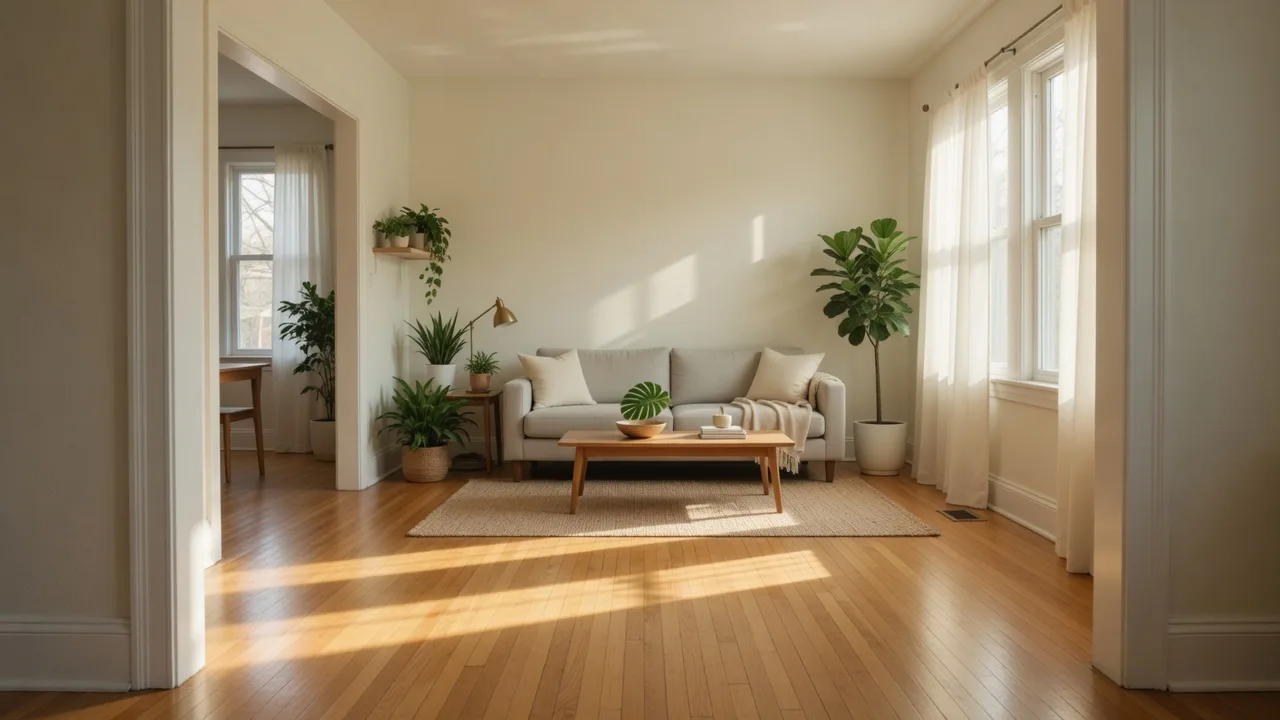
Pay attention to natural light, and remember what time you are seeing it. In October the days are short, so a room that is bright at noon may be dark by four. Notice which way the rooms face, how the light feels at the hour you are there, and ask yourself whether you would still like the room at the hour you would actually be in it.
Feel the layout. Walk the floor plan as if you lived there: how rooms connect, where the kitchen sits relative to where meals happen, how traffic moves, and whether there is a natural path from the driveway to where you would drop your bags. Flow is hard to judge from photos and easy to feel in person.
Open the closets and cabinets. Storage is the detail people forget in a quick walkthrough, so take the extra minute: how big are the closets, how much is built in, and would your things fit? The same goes for the pantry and kitchen storage, where layout matters more than the finish.
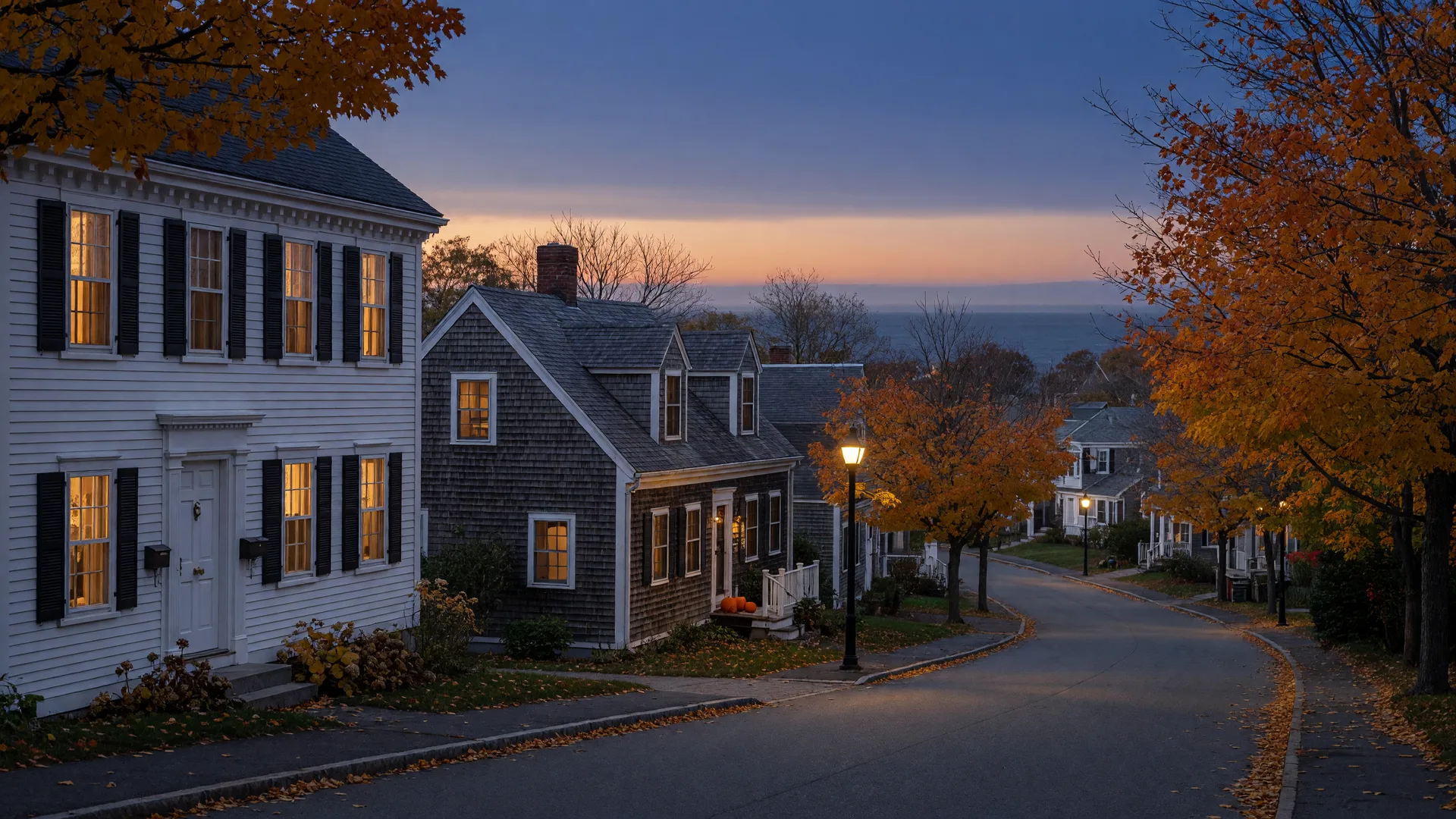
Step back outside and take in the neighborhood from the street. How much traffic, how close are the neighbors, how are the neighboring yards kept, and how does the street feel at that exact hour? If you can, walk around the block and look at the homes next door; the open house happens in the middle of the day, and the street is part of what living there would be.
The agent on site is there to talk with visitors, so use the time. Have a short list of questions ready, and do not worry about bothering them: answering questions is part of an open house, and most hosts genuinely enjoy it.
Ask about the age of the roof and the major systems, and ask for specifics. 'It's newer' is an invitation to ask when it was installed; the age of the roof, heating, water heater, and windows shapes what the next ten years in the home will cost.
Ask what is included in the sale. Some homes sell with appliances, window treatments, and light fixtures; others do not. What looks like part of the house in the photos may be leaving with the seller, so make it a direct question.
Ask about the practical costs if the agent knows them: what heats and cools the home, what the utility bills typically run, whether there is town water and sewer or a private well and septic, and what the taxes are. These numbers decide what the home costs every month, well beyond the asking price. It is fine if the host does not have exact figures; the question tells you how much to ask your own agent later.
Ask about the seller's timeline. Have they already moved out? Are they under contract on a next home? Do they hope to close quickly or wait for a certain date? The timeline tells you how much flexibility exists, and it frames how offers would be received.
Ask about known issues and disclosures directly: any repairs underway, anything patched recently, any history of water or dampness, any open permits. If the answers are open and specific, that is a good sign. Vague answers are a sign to dig further with your own buyer's agent and an inspection before you ever write an offer.
Take a few quiet minutes while the home is still fresh and write down what you loved, what you would change, and whether you would actually want to live there. Keep the notes for each house separate so you can compare them honestly.
Drive the neighborhood at a different time of day. An open house shows you a street at midday on a weekend; the same street at weekday rush, on a school morning, or on a Saturday evening can feel completely different. Stop, listen, and notice parking, traffic, and what is open. This second look is where most of the real information lives.
Ask your own buyer's agent about the value and the market position before you decide anything. A good agent can show you what similar homes have sold for, how the asking price sits against them, how long homes like this take to sell in that town, and what a fair offer would look like. That is the difference between liking a home and knowing what it is worth.
Then give yourself room to decide. You do not have to feel urgency at an open house or after one; the right decision is the deliberate one. If the home stays on your mind after the second look and the value check, a private showing or a longer visit is the natural next step.
An open house is one of the lowest-pressure ways to learn what you actually want. There is no appointment, no commitment, and no decision required at the door. Every visit teaches you something: about the condition of homes at your price point, about what your must-haves feel like in person, and about the towns themselves.
That is why I encourage buyers to use them, whether you are a year away from moving or ready to write an offer this month. And I am happy to walk through homes with you, answer the questions an open house raises, and help you read what you saw. Bring your list and your curiosity; the rest can wait.
If a visit leaves you with questions about a home, a town, or what a fair offer looks like, that is exactly the kind of conversation I help with. Book a conversation with me any time, and we will talk through what you saw. Warmly, Kathleen Militello, Realtor, eXp Realty.
Ask Kathleen
Straight answers to the questions this season keeps bringing up, from the article above.
A notepad or your phone for notes and for photos you take yourself, your written list of must-haves, and any questions you want to ask. A tape measure is a nice extra if you want to check room sizes. You do not need an appointment, proof of funds, or anything else; open houses are open to the public.
No. Anyone can walk through an open house: first-time buyers, long-time homeowners curious about the market, people who are simply wondering what their own home might be worth, and neighbors who want a look inside. It is a free, low-pressure way to learn, whether or not you are buying.
Yes, and you should. Ask about the age of the roof and systems, known issues, disclosures, and anything the photos did not show. Just remember that the agent on site represents the seller, so treat the answers as information to verify; your own buyer's agent and a home inspection are the right places to confirm what really matters.
You can, and many buyers do; plenty also go on their own, and that is fine too. There is no obligation either way. If you bring an agent, they can point things out on the spot. If you go alone, your agent can still help you afterward with the value and market position, which is where their help matters most.
There is no magic number. What matters is building a sense of value and seeing how your must-haves feel in person. Some buyers know within a few visits; others tour for weeks before a home clicks. Let the right fit drive the decision, not a quota.
Absolutely. Open houses are open to the public, and looking before you are ready is exactly how you learn the market, the towns, and your own preferences. There is no commitment attached to walking through a door, and the best time to start looking is long before you need to decide.
The same questions and answers, un-styled and sequential, so they can be read and extracted easily.
Q: What should I bring to an open house?
A: A notepad or your phone for notes and for photos you take yourself, your written list of must-haves, and any questions you want to ask. A tape measure is a nice extra if you want to check room sizes. You do not need an appointment, proof of funds, or anything else; open houses are open to the public.
Q: Are open houses only for buyers?
A: No. Anyone can walk through an open house: first-time buyers, long-time homeowners curious about the market, people who are simply wondering what their own home might be worth, and neighbors who want a look inside. It is a free, low-pressure way to learn, whether or not you are buying.
Q: Can I ask the host hard questions about the home's condition?
A: Yes, and you should. Ask about the age of the roof and systems, known issues, disclosures, and anything the photos did not show. Just remember that the agent on site represents the seller, so treat the answers as information to verify; your own buyer's agent and a home inspection are the right places to confirm what really matters.
Q: Should I bring my agent to an open house?
A: You can, and many buyers do; plenty also go on their own, and that is fine too. There is no obligation either way. If you bring an agent, they can point things out on the spot. If you go alone, your agent can still help you afterward with the value and market position, which is where their help matters most.
Q: How many open houses should I visit before deciding?
A: There is no magic number. What matters is building a sense of value and seeing how your must-haves feel in person. Some buyers know within a few visits; others tour for weeks before a home clicks. Let the right fit drive the decision, not a quota.
Q: What if I'm not ready to buy yet, can I still go?
A: Absolutely. Open houses are open to the public, and looking before you are ready is exactly how you learn the market, the towns, and your own preferences. There is no commitment attached to walking through a door, and the best time to start looking is long before you need to decide.

Written by
Kathleen Militello, Realtor®
The Militello Team · AI Certified Agent™ · Certified Negotiation Specialist™ · eXp Realty
From the page to the porch
A note can only tell you so much. Let Kathleen take you through the towns, the streets, and the options that actually fit.