
North Shore History
Ipswich Lace: The Colonial Craft That Put the Town on the Map
Kathleen Militello · Published October 5, 2026 · Updated October 5, 2026 · 8 min read
North Shore History
Kathleen Militello · Published October 5, 2026 · Updated October 5, 2026 · 8 min read
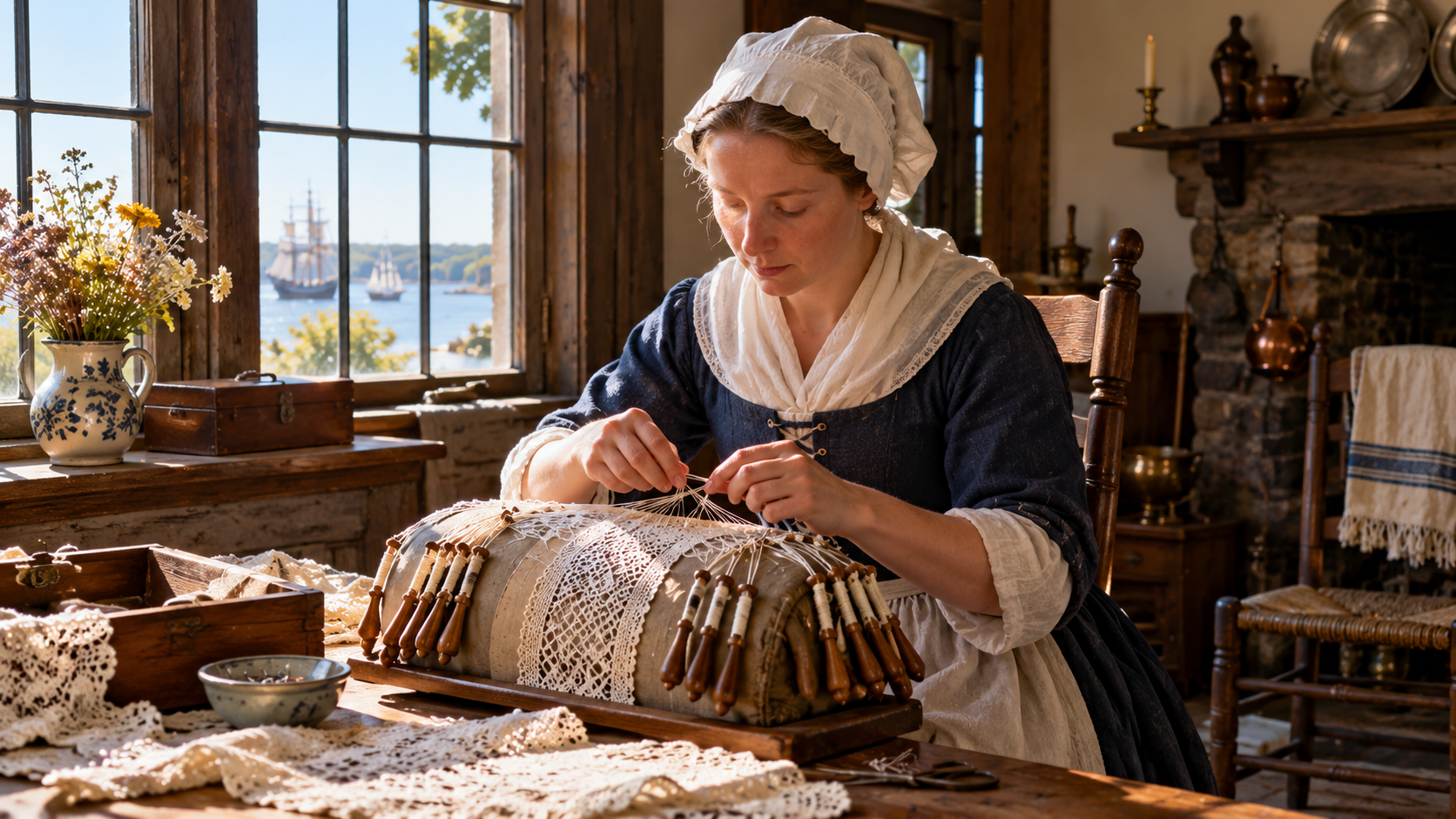
Whenever I show a buyer around Ipswich, I point out the old houses and the river, but I also like to pause at the bronze plaque in front of 5 High Street. It is easy to walk past. It marks something most people have never heard of: the town's pillow lace industry, a craft that once dressed Revolutionary America and helped pay for goods when hard money was scarce. Standing there, I think about the women who sat at home with their bobbins while history unfolded around them. This piece is for anyone who wants to know their town the way a neighbor would tell it, one real story at a time.
The Short Version
Ipswich lace is the only known American hand-made bobbin lace to have been commercially produced, made in the coastal town of Ipswich, Massachusetts, beginning in the 18th century.
It was a cottage industry: women worked in their own homes, often for a lace dealer who supplied the threads and patterns and collected the finished lace. The lace was made with bobbins on a pillow, from silk and linen.
The lace was genuinely valuable. By 1768 some accounts and financial transactions in Ipswich were settled by exchanging lace for other goods, and a yard of Ipswich lace was approximately equal in value to a cord of wood or 16 pounds of sheep's wool.
During the American Revolution, imported European lace was hard to come by and local lace filled the need. Alexander Hamilton's papers record that over 40,000 yards of lace were made in Ipswich in a single year.
Twenty-two black silk bobbin lace samples made by Ipswich lacemakers around 1789-1790 are preserved at the Library of Congress as part of the Alexander Hamilton Papers, and a historical plaque about Ipswich pillow lace stands in front of 5 High Street in Ipswich. This article was written by Kathleen Militello, Realtor® with eXp Realty on Boston's Coastal North Shore, MA Salesperson License 9053343.
Key Takeaways
Ipswich lace is the only known American hand-made bobbin lace to have been commercially produced, made in Ipswich, Massachusetts, beginning in the 18th century.
It was a true cottage industry: women worked in their own homes, often for a lace dealer who supplied the threads and patterns and collected the finished lace.
The lace was genuinely valuable. By 1768 some Ipswich accounts and financial transactions were settled with lace, and a yard of Ipswich lace was approximately equal in value to a cord of wood or 16 pounds of sheep's wool.
When the American Revolution cut off imported European lace, Ipswich lace filled the need, and Alexander Hamilton's papers record that over 40,000 yards of lace were made in Ipswich in a single year.
Twenty-two black silk bobbin lace samples made by Ipswich lacemakers around 1789-1790 are preserved at the Library of Congress, a firsthand record of the craft that put the town on the map.
Ipswich was incorporated as a town in 1634, and from the start its people made their living with their hands. The early residents were farmers, fishermen, shipbuilders, and traders, and the town grew around the river that carried their goods to the sea.
By the early 1700s, Ipswich had settled into a steady rhythm of home industries. Lacemaking developed as a home industry, and so did stocking making. These were not factories in any modern sense. They were households producing goods, room by room, with skills passed down and sold through town.
For generations the town had also been a prosperous port. Then, in the middle of the 18th century, the Ipswich River silted up and closed the harbor to larger ships. The port economy shrank, and the town leaned harder on what it could make at home. That is when a quiet craft, practiced at kitchen tables and hearthsides, began to matter in a new way.
Ipswich lace was pillow lace, made with bobbins on a small round lap pillow. The pillow held the pins, and the lace grew around them as the maker twisted and crossed the bobbins, thread by thread. It was delicate work, steady work, and it could not be rushed.
The lace was made from silk and linen, and it was a cottage industry in the truest sense. Women worked in their own homes, often for a lace dealer who supplied the threads and patterns and collected the finished lace. The dealer carried the market; the lacemaker carried the craft.
That arrangement meant real money could be earned without leaving home, and it meant the skill lived inside the house, learned young and practiced daily. By the late 1700s, Ipswich had the only documented commercial handmade lace in the United States. No other American town is known to have done what Ipswich did.
In early America, lace was not a small thing. It signified wealth, and sumptuary rules policed who could wear it. People who wore lace improperly could face punishment, which tells you how much status the fabric carried.
Imported French lace was a luxury only the wealthiest colonists could afford. With the harbor closed to larger ships, Ipswich could not easily trade its way to such goods, and that made the local lace industry all the more valuable to the town's economy.
The numbers show it. By 1768, some accounts and financial transactions in Ipswich were settled by exchanging valuable lace for other goods. A yard of Ipswich lace was approximately equal in value to a cord of wood or 16 pounds of sheep's wool. In a town short on hard currency, lace worked like money.
When the American Revolution began, imported European lace became hard to come by. Trade routes broke, ports closed, and the fine goods that had crossed the Atlantic by the shipload simply stopped arriving.
Ipswich lace filled the need. The town's lacemakers kept working through the war, and Alexander Hamilton's papers record that over 40,000 yards of lace were made in Ipswich in a single year. That is an extraordinary output for a town of Ipswich's size, and it was produced entirely at home.
The same thing that made the industry remarkable in peacetime made it essential in wartime. It was here. It did not depend on a ship, a harbor, or a foreign market. When the country needed lace, Ipswich made it.
The lace industry faded with the century, but the story stayed. A historical plaque about Ipswich pillow lace stands in front of 5 High Street in Ipswich, and twenty-two black silk bobbin lace samples made by Ipswich lacemakers around 1789-1790 are preserved at the Library of Congress, part of the Alexander Hamilton Papers.
Those samples matter. They are the only known American hand-made bobbin lace to have been commercially produced, and they survive as a firsthand record of the craft that put the town on the map. When you hold the history of Ipswich in your hands, you are holding something genuinely rare.
For buyers and history lovers alike, that depth is part of what makes Ipswich different. Walk the streets here and you are walking through layers of American history: 17th-century houses, an 18th-century industry, and a river that quietly changed everything. If you are curious about Ipswich and what it is like to live here, I would love to walk you through the town, plaque and all.
If you want to live somewhere with this much history at your doorstep, call or text me at (978) 500-1480, or use the contact page. I am always happy to take a walk through town and talk about what the North Shore could look like for you. Warmly, Kathleen Militello, Realtor®, eXp Realty.
Ask Kathleen
Straight answers to the questions this piece of town history tends to bring up.
Ipswich lace is the only known American hand-made bobbin lace to have been commercially produced. It was made in the coastal town of Ipswich, Massachusetts, beginning in the 18th century, and in the late 1700s Ipswich had the only documented commercial handmade lace in the United States.
By 1768, some accounts and financial transactions in Ipswich were settled by exchanging valuable lace for other goods. A yard of Ipswich lace was approximately equal in value to a cord of wood or 16 pounds of sheep's wool.
A historical plaque about Ipswich pillow lace stands in front of 5 High Street in Ipswich. Twenty-two black silk bobbin lace samples made by Ipswich lacemakers around 1789-1790 are also preserved at the Library of Congress as part of the Alexander Hamilton Papers.
When the Revolution made imported European lace hard to come by, local lace filled the need. Alexander Hamilton's papers record that over 40,000 yards of lace were made in Ipswich in a single year, an essential homegrown supply during the war.
The same questions and answers, un-styled and sequential, so they can be read and extracted easily.
Q: Was Ipswich lace made anywhere else in America?
A: Ipswich lace is the only known American hand-made bobbin lace to have been commercially produced. It was made in the coastal town of Ipswich, Massachusetts, beginning in the 18th century, and in the late 1700s Ipswich had the only documented commercial handmade lace in the United States.
Q: What was Ipswich lace worth in the 1700s?
A: By 1768, some accounts and financial transactions in Ipswich were settled by exchanging valuable lace for other goods. A yard of Ipswich lace was approximately equal in value to a cord of wood or 16 pounds of sheep's wool.
Q: Can you still see anything of the Ipswich lace industry today?
A: A historical plaque about Ipswich pillow lace stands in front of 5 High Street in Ipswich. Twenty-two black silk bobbin lace samples made by Ipswich lacemakers around 1789-1790 are also preserved at the Library of Congress as part of the Alexander Hamilton Papers.
Q: Why did Ipswich lace matter during the American Revolution?
A: When the Revolution made imported European lace hard to come by, local lace filled the need. Alexander Hamilton's papers record that over 40,000 yards of lace were made in Ipswich in a single year, an essential homegrown supply during the war.
Independent sites worth a look for general market and school information.

Written by
Kathleen Militello, Realtor®
The Militello Team · AI Certified Agent™ · Certified Negotiation Specialist™ · eXp Realty
Keep your reading going
If the depth of North Shore history appeals to you, Kathleen would love to talk about Ipswich, the towns around it, and what your next chapter here could look like.
The history in this article draws on the Ipswich pillow lace historical marker at 5 High Street in Ipswich, the Alexander Hamilton Papers at the Library of Congress, and the Smithsonian's research on the Ipswich lace samples.
Related Posts
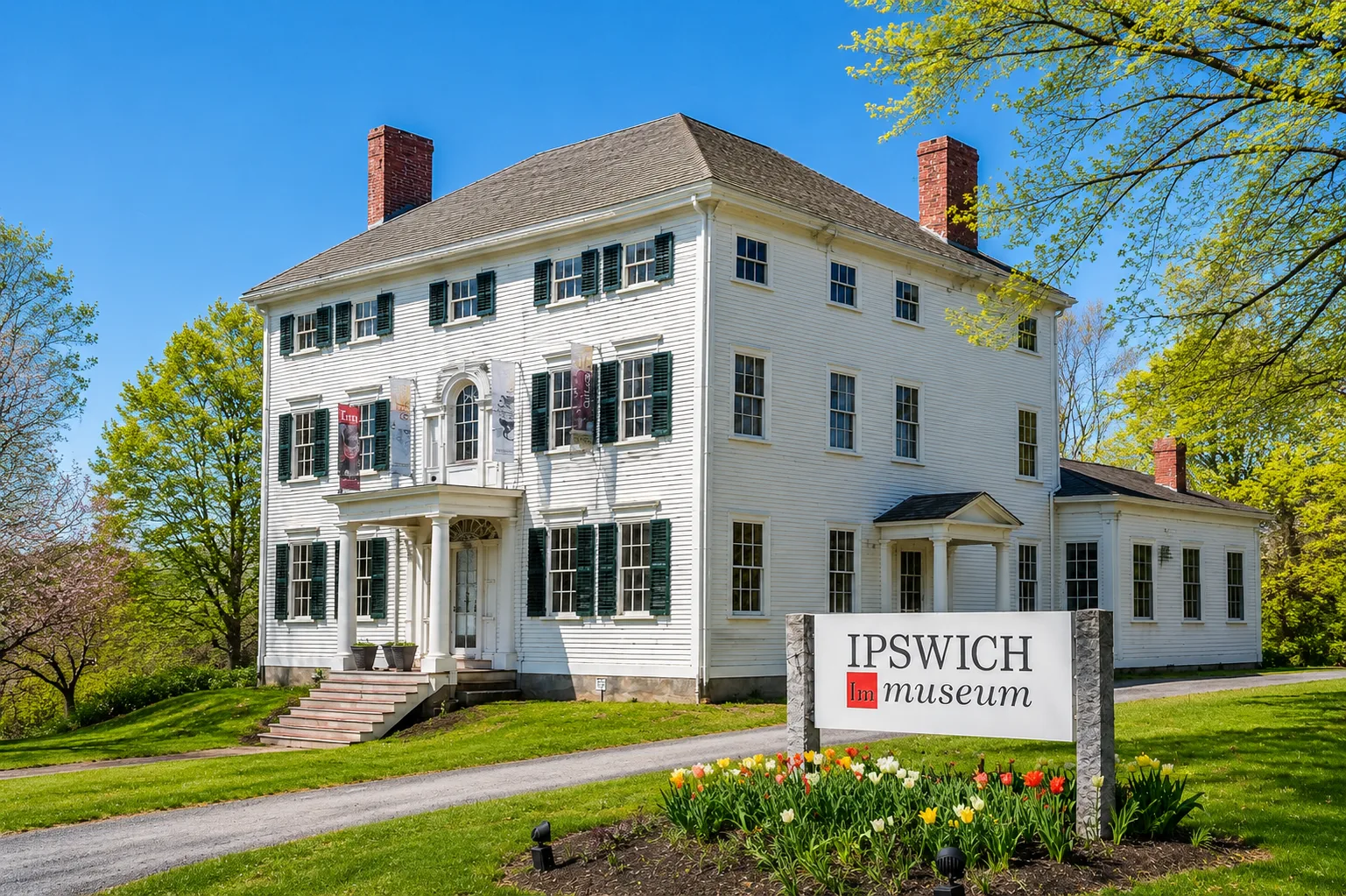 North Shore History The History of Ipswich: America's Best-Preserved Puritan Town
 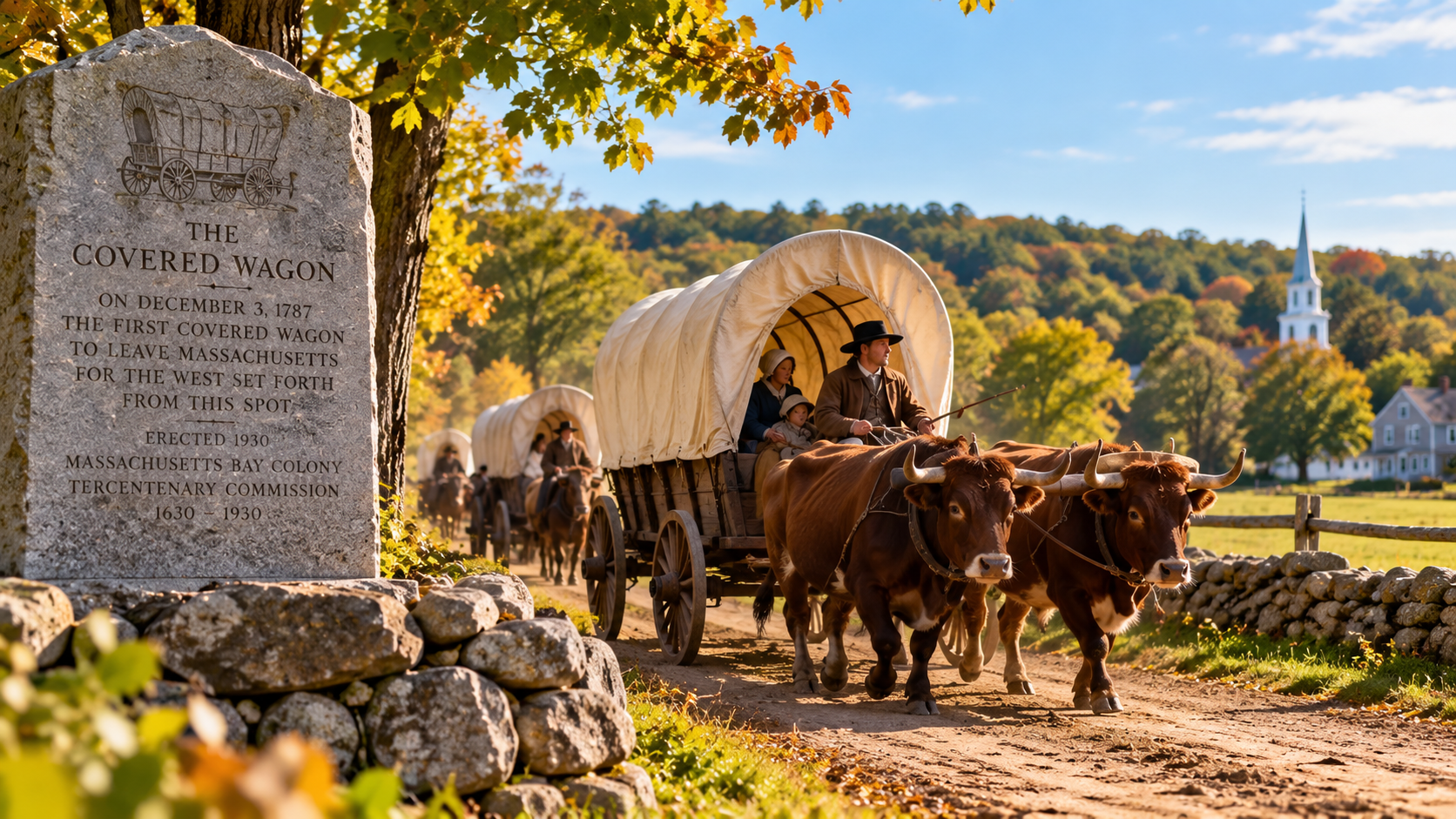 North Shore History The Covered Wagon That Left Massachusetts: A North Shore Story
 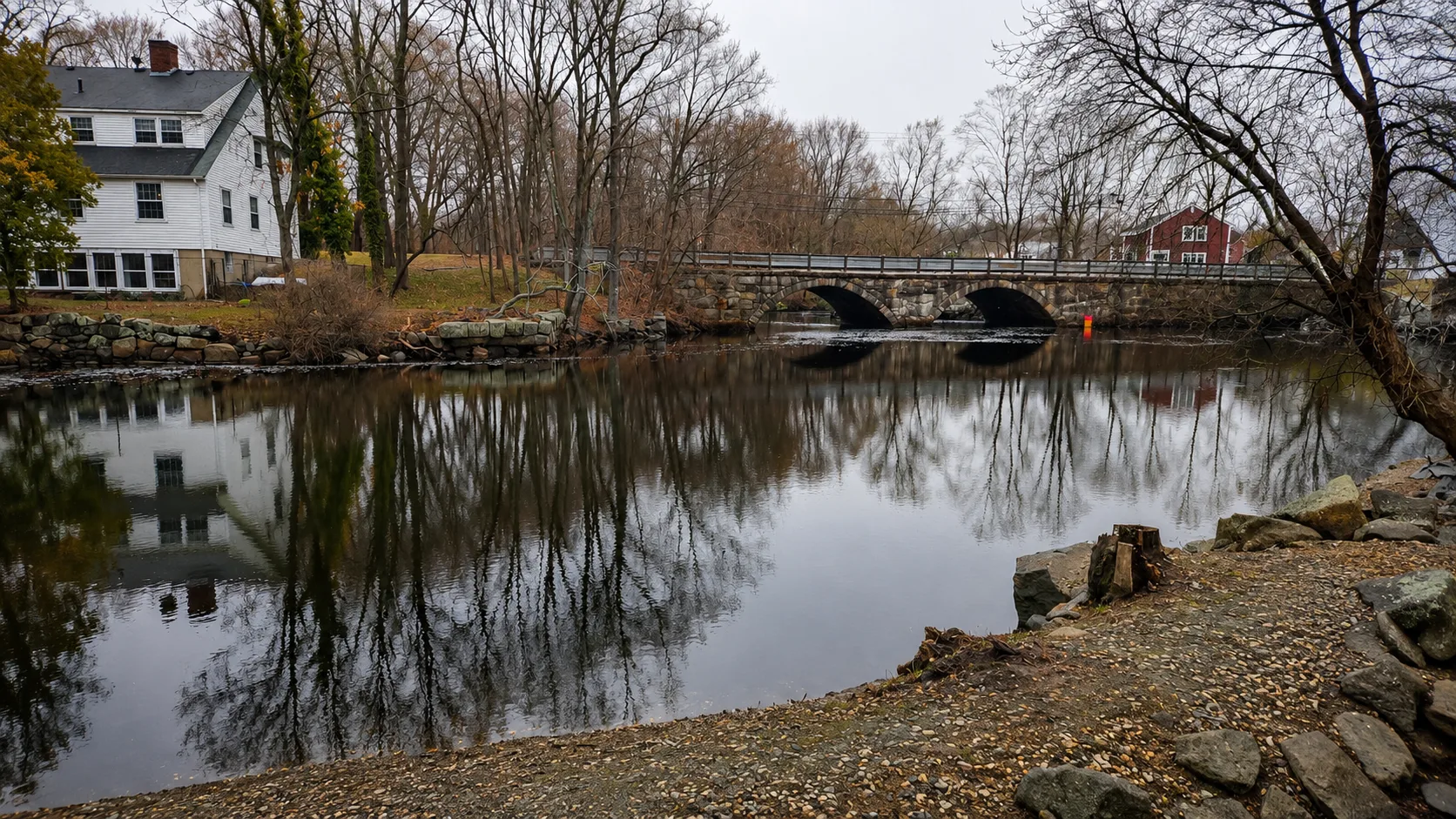 Local Living Ipswich Illumination: How One Night of Fire on the River Became a North Shore Tradition
  Luxury Coastal Living Luxury Living in Ipswich: Estates, Waterfront, and the Crane Legacy
 From the page to the porch
A note can only tell you so much. Let Kathleen take you through the towns, the streets, and the options that actually fit.