Luxury Coastal Living
Luxury Living in Ipswich: Estates, Waterfront, and the Crane Legacy
Kathleen Militello · Published October 4, 2026 · Updated October 4, 2026 · 11 min read
Luxury Coastal Living
Kathleen Militello · Published October 4, 2026 · Updated October 4, 2026 · 11 min read
Most luxury buyers come to Ipswich knowing the name Castle Hill before they know the town. They have seen the Grand Allee, or heard about Crane Beach, and they arrive with a feeling that this part of the coast is different. It is. Ipswich was settled in 1634, one of the oldest towns in America, and its history of shipbuilding, farming, and summer estates is written across the landscape in ways you can still see from the road. This guide is for buyers who want to understand what luxury actually means in Ipswich, where the estates and waterfront properties sit, and how to approach this market with clear eyes.
The Short Version
Luxury in Ipswich is defined by acreage, privacy, water access, and historic character rather than by a single price point.
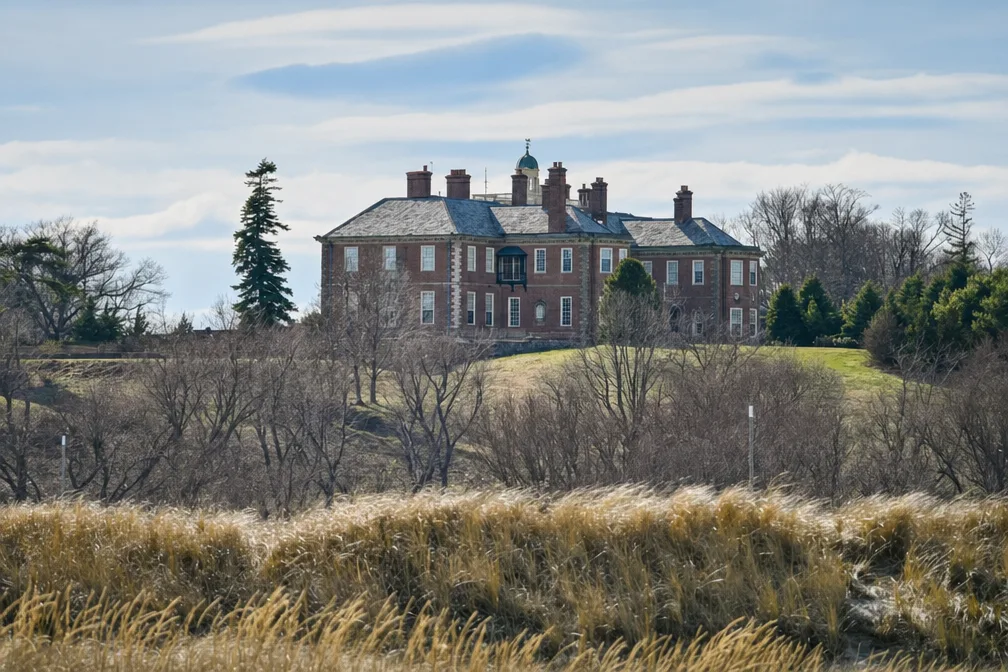
The Crane Estate anchors the town's identity: a 2,100-acre landscape stewarded by The Trustees of Reservations, where the Great House at Castle Hill, completed in 1928 as the summer home of Richard Teller Crane Jr. and his wife Florence, sits on a 165-acre drumlin surrounded by sea and salt marsh, with gardens designed by the Olmsted Brothers and the Grand Allee leading to the sea. The estate also includes Crane Beach and the Crane Wildlife Refuge.
Argilla Road is Ipswich's storied estate corridor, with large homes set on acreage, open fields, paddocks, and coastal drumlin views, and some properties include equestrian facilities.
Great Neck and Little Neck are waterfront peninsulas with seasonal and year-round homes, protected since 1975 by the Association of Great Neck, which residents formed to protect the area's natural resources and control development. Clark Pond sits within Great Neck.
Luxury buyers in Ipswich are drawn to privacy, acreage, water access, historic character, and proximity to Boston via the commuter rail. This article is written by Kathleen Militello, Realtor with eXp Realty on Boston's Coastal North Shore, MA Salesperson License 9053343, serving Beverly, Ipswich, Gloucester, Rockport, Manchester-by-the-Sea, Essex, Salem, Newburyport, Newbury, Rowley, Salisbury, and surrounding communities.
Key Takeaways
Luxury in Ipswich is about acreage, privacy, water access, and historic character, not a price tag.
The Crane Estate sets the tone for the whole town: a 2,100-acre landscape with the Great House at Castle Hill, the Grand Allee, Crane Beach, and the Crane Wildlife Refuge, stewarded by The Trustees of Reservations.
Argilla Road is the estate corridor to know, with large homes on acreage, open fields, paddocks, and drumlin views of the coast, including properties with equestrian facilities.
Great Neck and Little Neck offer the waterfront life, with seasonal and year-round homes on peninsulas protected by residents since 1975.
Ipswich pairs that luxury with a highly regarded public school system, nearby private schools, and commuter rail access to Boston, which is why buyers who want both privacy and connection keep landing here.
A different kind of high end
Luxury in Ipswich is not measured the way it is in a city or a suburb. The town's high end is defined by land, position, and character: estate acreage on a drumlin, a waterfront property at the end of a quiet peninsula road, a house with real history behind its walls. Buyers here are not looking for the newest thing. They are looking for the rarest thing.
Ipswich is one of the oldest towns in America, settled in 1634, and its layers of shipbuilding, farming, and summer estates still shape the market. The grand homes along the coast and the country roads were built over centuries, and the best of them have been cared for by people who understood what they had.
What buyers are really choosing is a way of living: privacy, acreage, water, and a town that has protected its character for nearly four centuries. That combination is hard to find anywhere else on the North Shore, which is why the luxury market here behaves differently from the towns around it. For a wider look at the coastal luxury market across the region, my guide to coastal luxury on the North Shore walks through the towns and the questions waterfront buyers ask.
The estate that set the tone
You cannot understand luxury in Ipswich without understanding the Crane Estate. It is the anchor of the town's identity, and it has shaped how people here think about land, the sea, and what a great property should be.
Castle Hill sits on a 165-acre drumlin surrounded by sea and salt marsh, a natural hill that the Cranes turned into one of the most composed landscapes in New England. The Great House was completed in 1928 as the summer home of Richard Teller Crane Jr. and his wife Florence, and the gardens were designed by the Olmsted Brothers, the firm behind some of the most celebrated landscapes in America.
The Grand Allee is the heart of the composition: a long, formal avenue that leads from the house straight down to the sea. Standing at the top of it, you understand exactly what the Cranes were doing. They built a house that framed the ocean, and every design decision on the hill points at the water.
The estate is part of a larger 2,100-acre landscape stewarded by The Trustees of Reservations, which also includes Crane Beach and the Crane Wildlife Refuge. In most towns, a property like this would be a private enclave. In Ipswich, it is open to everyone, and that says a great deal about the town's character.
For the full story of how the estate came to be, my article on Castle Hill and the Crane Estate goes deeper into the history.
The town's storied estate road
If you want to see what luxury looks like in Ipswich, drive Argilla Road. It is the town's storied estate corridor, a road that runs from the center of town out toward the coast, lined with large homes set on real acreage.
The character of the road is what makes it special: open fields, paddocks, and coastal drumlin views that feel more like countryside than suburb. Some properties include equestrian facilities, and the road has a genuine horse-country feel that you do not find in the coastal villages.
Homes here sit far back from the road, often behind stone walls and mature trees, with the kind of privacy that is hard to buy anywhere near the water. For buyers who want acreage and a sense of arrival, Argilla Road is where the conversation usually starts.
It also connects to the coast: the road leads down toward Castle Neck and the beaches, so you can have the estate life and the water within a short drive or a long walk.
Peninsulas in the salt marsh
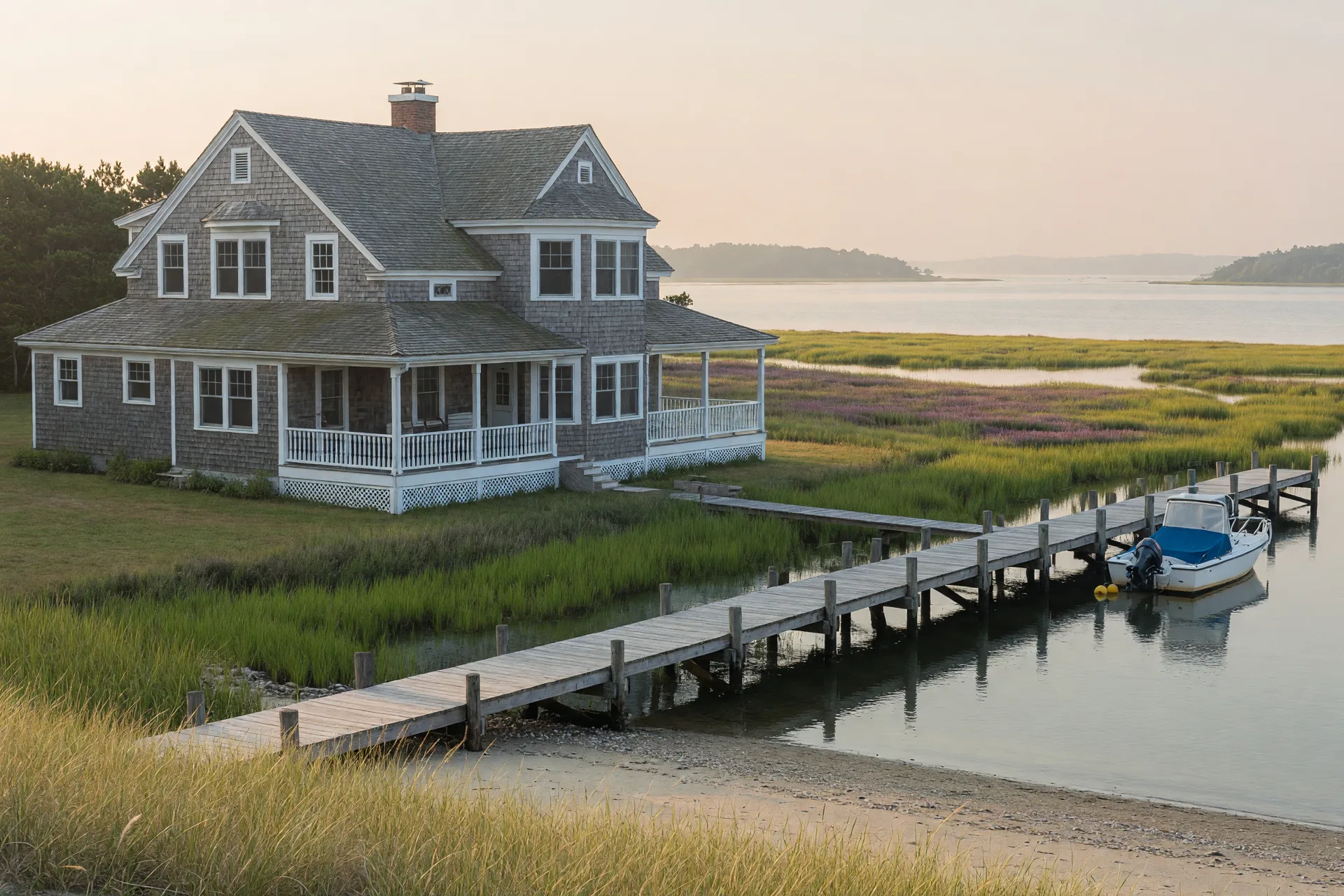
For buyers who want the water itself, Ipswich's answer is Great Neck and Little Neck, two peninsulas that reach out into the salt marsh and the river. Both offer a mix of seasonal and year-round homes, and both have a quiet, protected feel that is rare on the Massachusetts coast.
Great Neck is the larger of the two, and its residents have worked hard to keep it that way. The Association of Great Neck was formed in 1975 by residents to protect the area's natural resources and control development, and that stewardship is visible in the open marsh views and the unhurried pace of the roads.
Clark Pond sits within Great Neck, and the pond, the marsh, and the river water together give the peninsula its character: wide water views, changing light, and wildlife at the doorstep. Properties here range from seasonal cottages to year-round waterfront homes, and the mix is part of the appeal.
Waterfront buyers should know that this is a different kind of waterfront than the open ocean. It is tidal, protected, and deeply tied to the marsh, which means the practical questions are about flood zones, septic, docks, and access, the details my guide to buying a waterfront home on the North Shore walks through in full.
The things that matter most
Over the years, I have watched what draws buyers to Ipswich's high end, and it comes down to five things: privacy, acreage, water access, historic character, and proximity to Boston. Most buyers want at least three of the five, and the strongest properties deliver four or five.
Privacy is the quiet driver. The estate homes and peninsula properties sit in settings where neighbors are not on top of you, and for buyers coming from denser towns, that is the first thing they feel when they step out of the car.
Acreage matters because it protects the setting. A house on two acres feels different from a house on ten, and in Ipswich the larger properties often come with fields, trees, and views that cannot be replicated.
Water access is the emotional draw, whether it is true waterfront, a deeded path to the marsh, or a mooring nearby. Historic character is what makes an Ipswich property feel like Ipswich: the proportions, the details, the sense that the house has a story.
And the commuter rail keeps it all connected. Buyers can have the estate life and still reach Boston, which is why so many of the people I work with in this market are coming from the city or from other parts of the coast. The town is also served by the highly regarded Ipswich Public Schools and nearby private schools, which matters to buyers planning a long stay.
When we look at a property together, these are the questions I ask first:
How is the land protected, and what could change around the property?
What does the water access actually include, in writing?
What is the flood zone, and what does insurance look like?
What is the condition of the septic, the well, and any shoreline structures?
What is the story of the house, and what does its history mean for maintenance and character?
Why town knowledge matters
The luxury market in Ipswich is small, private, and relationship-driven. Much of what happens at this level never reaches the public listings in the usual way, and a lot of the best opportunities move through word of mouth, past clients, and neighbors who know each other.
That is where a local agent earns their keep. I have worked Boston's Coastal North Shore for more than twenty years, and I know which roads hold the estates, which peninsulas have the waterfront, and what each property's history means for its value. I also know the practical realities, the flood zones, the septic systems, the historic district rules, that shape what a home is really worth.
When we work together, I listen first and ask questions before I ever show you a house. I will tell you what I really think about a property, including the things that are not in the listing, because my job is to protect your interests, not to close a sale.
If you are considering an estate or waterfront property in Ipswich, let's talk about what makes sense for you. Book a conversation or call (978) 500-1480, and we will look at the market together. And if you are curious what your current home could sell for, my home value review gives you a real number with no pressure to list.
Luxury in Ipswich is not about the biggest house on the street. It is about finding the property whose setting, history, and water views fit the life you want to live. Take your time, ask the questions, and let me help you see the town the way the people who live here see it. Warmly, Kathleen Militello, Realtor, eXp Realty.
Ask Kathleen
Straight answers to the questions estate and waterfront buyers ask most, from the article above.
Luxury in Ipswich is defined by acreage, privacy, and historic character rather than a price point. The town was settled in 1634, its grand homes were built over centuries, and the Crane Estate, a 2,100-acre landscape stewarded by The Trustees of Reservations, anchors the whole town's identity. Buyers here are choosing a way of living, not just a house.
The storied estate corridor is Argilla Road, where large homes sit on acreage with open fields, paddocks, and coastal drumlin views, and some properties include equestrian facilities. The road runs from the center of town toward the coast, so estate living and the water sit close together.
Great Neck and Little Neck are waterfront peninsulas in the salt marsh with a mix of seasonal and year-round homes. The Association of Great Neck, formed by residents in 1975, protects the area's natural resources and controls development, which keeps the marsh views and the quiet character intact. Clark Pond sits within Great Neck.
Yes. Ipswich is served by the commuter rail, which puts Boston within reach while the town keeps its estate and waterfront character. That combination of privacy, acreage, water, and connection is a big part of why luxury buyers keep landing here.
The same questions and answers, un-styled and sequential, so they can be read and extracted easily.
Q: What makes Ipswich different from other luxury markets on the North Shore?
A: Luxury in Ipswich is defined by acreage, privacy, and historic character rather than a price point. The town was settled in 1634, its grand homes were built over centuries, and the Crane Estate, a 2,100-acre landscape stewarded by The Trustees of Reservations, anchors the whole town's identity. Buyers here are choosing a way of living, not just a house.
Q: Where are the estates in Ipswich?
A: The storied estate corridor is Argilla Road, where large homes sit on acreage with open fields, paddocks, and coastal drumlin views, and some properties include equestrian facilities. The road runs from the center of town toward the coast, so estate living and the water sit close together.
Q: What is the waterfront like on Great Neck and Little Neck?
A: Great Neck and Little Neck are waterfront peninsulas in the salt marsh with a mix of seasonal and year-round homes. The Association of Great Neck, formed by residents in 1975, protects the area's natural resources and controls development, which keeps the marsh views and the quiet character intact. Clark Pond sits within Great Neck.
Q: Is Ipswich convenient to Boston?
A: Yes. Ipswich is served by the commuter rail, which puts Boston within reach while the town keeps its estate and waterfront character. That combination of privacy, acreage, water, and connection is a big part of why luxury buyers keep landing here.

Written by
Kathleen Militello, Realtor®
The Militello Team · AI Certified Agent™ · Certified Negotiation Specialist™ · eXp Realty
Keep your reading going
Kathleen would love to walk you through the market: which roads hold the estates, what the waterfront really involves, and what fits your life. No pressure, just a conversation.
Related Posts
From the page to the porch
A note can only tell you so much. Let Kathleen take you through the towns, the streets, and the options that actually fit.