Neighborhood Guides
The Most Walkable North Shore Towns: Main Street Living
Published September 26, 2026 · Updated September 26, 2026 · 6 min read
Neighborhood Guides
Published September 26, 2026 · Updated September 26, 2026 · 6 min read
Key Takeaways
A walkable downtown changes daily life in concrete ways: errands, coffee, and dinner steps from home.
The North Shore has several historic walkable centers worth visiting in person.
Visit a downtown at different times of day before deciding.
Walkability is often worth some trade-offs, from parking to seasonal crowds.
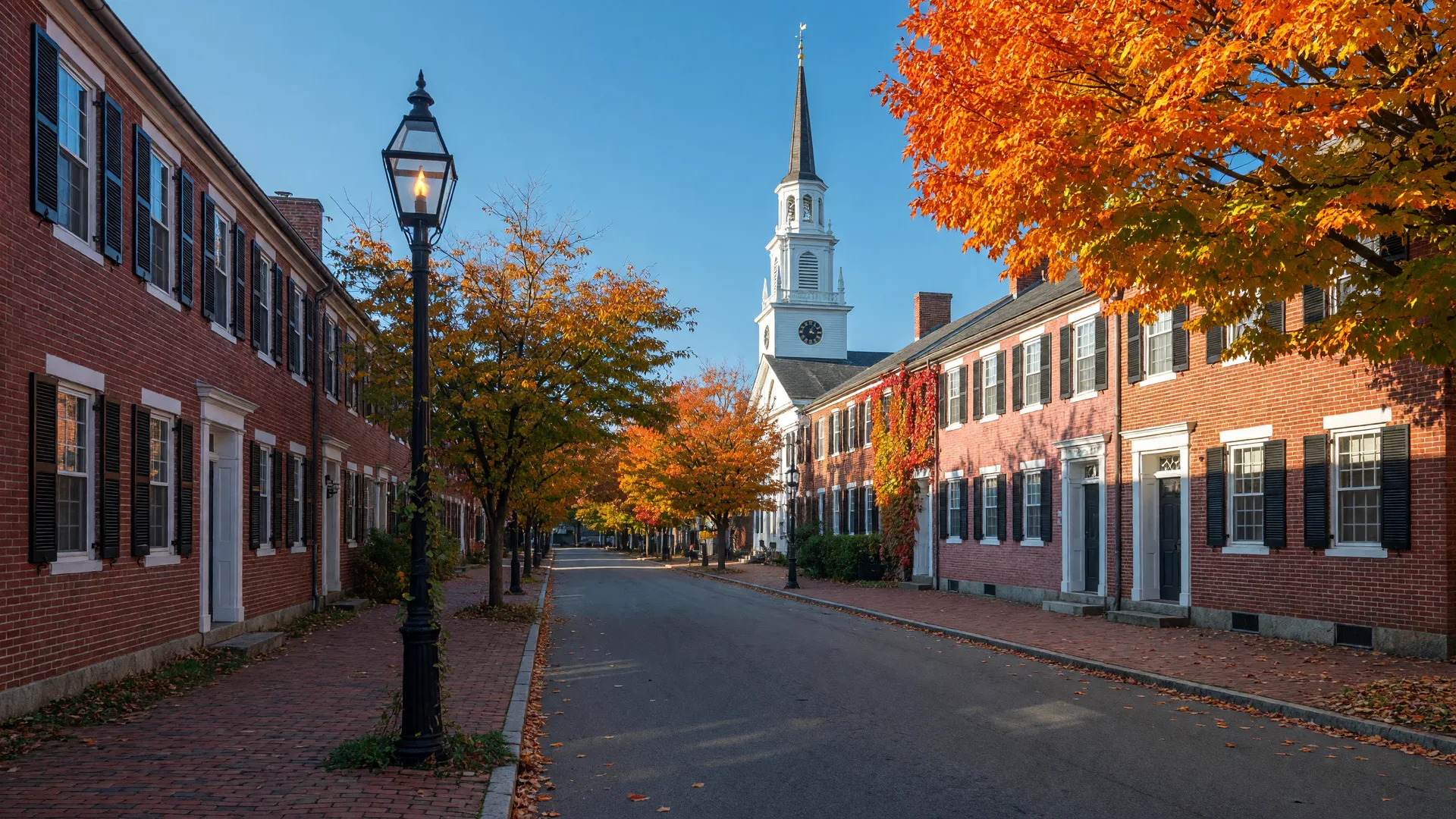
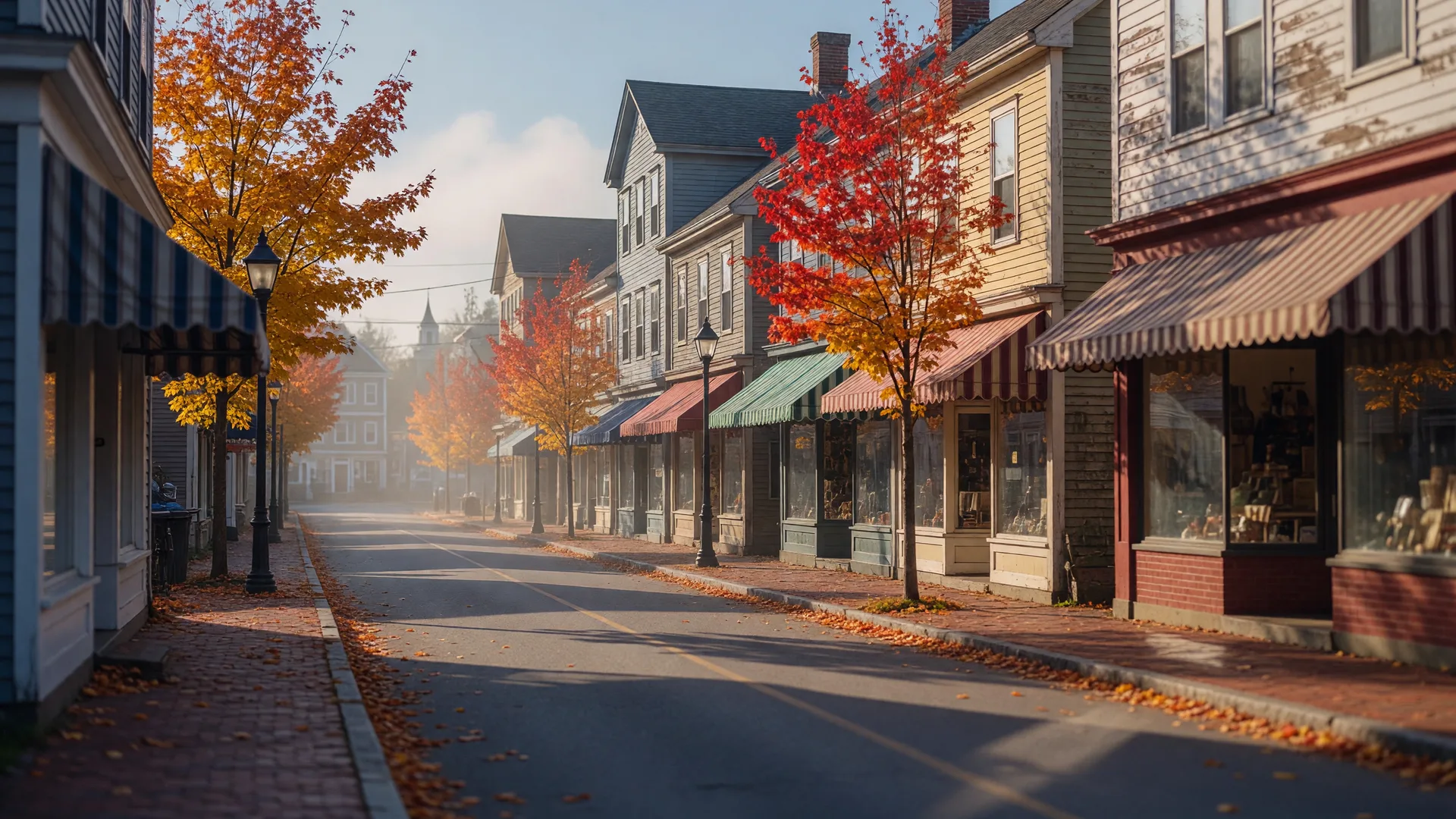
On the North Shore, the best mornings often start on foot: coffee around the corner, the post office two blocks away, dinner at a place you can walk to and walk home from. Walkable main streets are how these coastal towns were built, and they still shape daily life for the people who live near them.
This guide looks at what makes a downtown walkable, which North Shore towns are known for walkable centers, and how to test one for yourself before you decide where to live.
Walkability starts with compactness. A downtown that fits shops, services, and a place to sit within a few blocks makes walking the easy choice, while a town where everything is a drive feels different even when the sidewalks are fine.
Good sidewalks, safe crosswalks, and well-lighted streets matter just as much. So does what is actually within reach: a grocery store or market, a coffee shop, a bank, a library, and a restaurant or two turn a pretty street into a working daily center.
On the coast, waterfront paths add another layer. Where a harbor walk or a boardwalk connects the downtown to the water, walking stops being just transportation and becomes part of why people love living there.
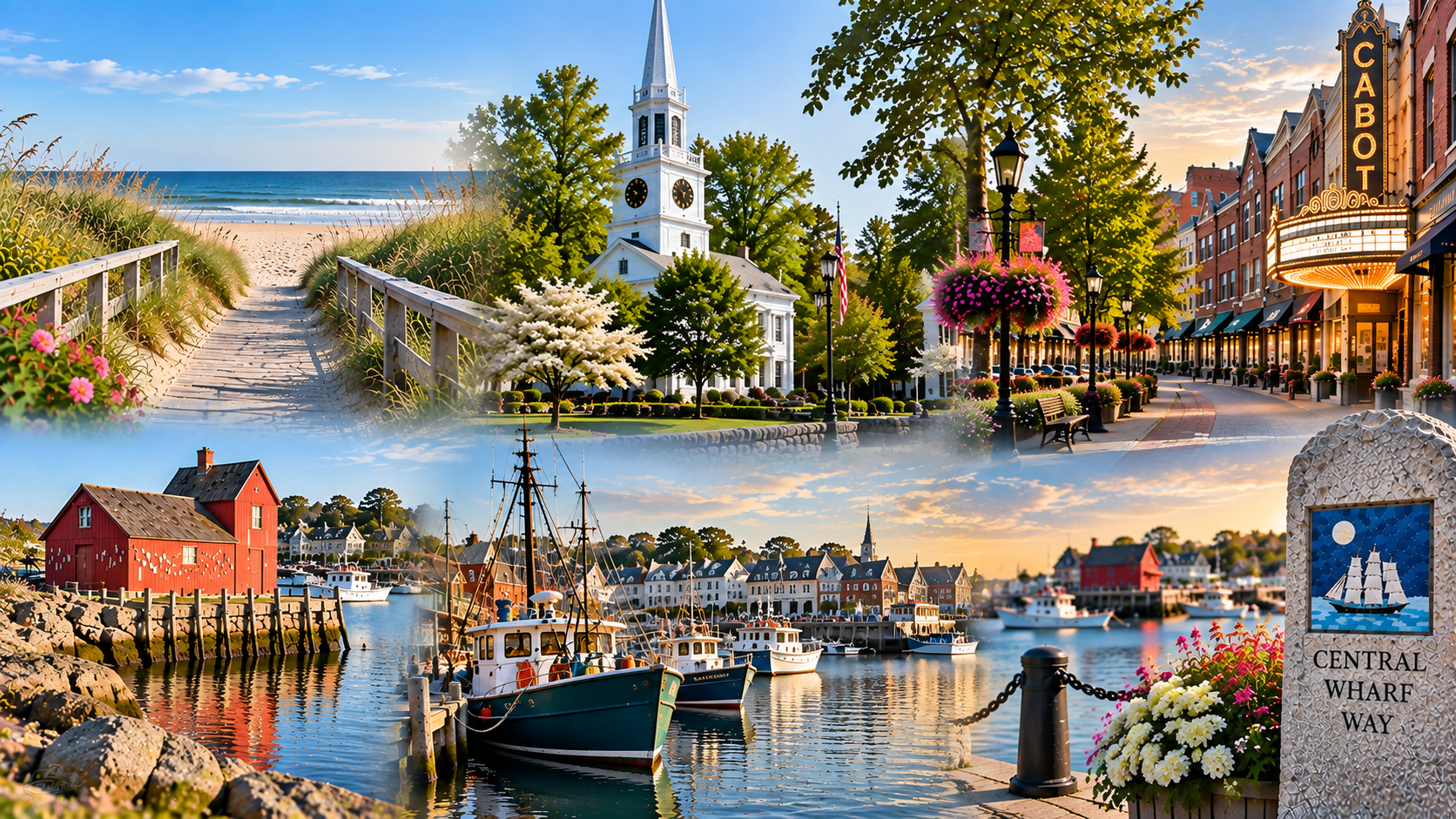
The North Shore has no shortage of historic walkable centers. Salem's downtown packs shops, museums, and restaurants into a compact stretch around Essex Street and the blocks near it. Newburyport's Market Square opens onto the Merrimack River, with State Street shops a short walk away.
Beverly's Cabot Street and its downtown have a genuine walking feel, and Gloucester and Rockport pair their centers with working harbors and galleries you can reach on foot. Manchester-by-the-Sea keeps a village scale that makes errands and an ice cream stop part of the same short walk.
Each of these downtowns is different in size, price, and rhythm, which is exactly why visiting matters. A town that looks walkable on a map can feel different at 8 AM on a school morning or 8 PM on a summer night.
Walk any downtown yourself before you make a decision about it. Park once, leave the car, and spend an hour on foot: notice the condition of the sidewalks, how easy the crosswalks are, and whether the places you would actually use are within a comfortable walk.
Visit at different times of day. A street that is charming at noon can be busy or quiet in ways that matter, and a downtown you only see in daylight is only half the picture.
Check the walk to the places that would anchor your week: the grocery store, the coffee shop, the school bus stop, the train station if you commute. Then note the hills and the seasons, because a walk that is pleasant in September can be a different proposition in January ice or August humidity.
Walkable downtowns come with honest trade-offs. Parking is the first one most people mention: street spaces fill, and older homes near the center may have no driveway or garage at all.
Seasonal crowds are the second. Town centers that hum in summer and fall can draw visitors who fill the sidewalks and restaurants, and that rhythm is part of the character, for better and worse.
Households weigh those against the conveniences: errands without a car, a built-in community, and the kind of street life that makes a town feel alive after work. There is no right answer, only the trade-off that fits how you live.
Match the downtown to the lifestyle you want. Some people want the full center-of-the-action feel of a busy downtown; others want a quiet village where one good coffee shop and a harbor path are enough.
Think about your week, not just your weekends: where the commute goes, where you shop, what you do after dinner. Then talk through what matters most with someone who knows the towns, because price, condition, and lifestyle line up differently in each one.
If you have been picturing Saturday mornings on foot, Kathleen can help you narrow the North Shore towns worth a visit. She has represented buyers and sellers across the region since 2003 and knows which downtowns match which routines.
Call or text (978) 500-1480, or book a conversation, and talk through what walking to dinner would look like in your next town.
Wherever your next morning walk starts, may the coast show you its best. Warmly, Kathleen Militello, Realtor, eXp Realty.
Ask Kathleen
Straight answers to the questions this season keeps bringing up, from the article above.
Salem, Newburyport, Beverly, Gloucester, Rockport, and Manchester-by-the-Sea all have genuine walkable centers with shops, restaurants, and harbors or waterfront paths within reach. There is no single ranking, and the fit depends on your commute, your budget, and how you like a downtown to feel, so the honest answer is to walk each one yourself.
For daily errands, often not: many households in walkable centers get by on foot for coffee, groceries, and dinner out. The North Shore is still a region where regional errands, appointments, and trips off the coast usually mean a car, and several towns have commuter rail stops for Boston commutes.
Demand tends to run higher near walkable centers, which can push prices up street by street, but there is no blanket answer. Older homes, different lot sizes, and different commute mixes keep prices varied even within a single walkable town, so compare actual homes rather than averages.
This is the trade-off most people feel first. Street parking fills, especially on summer and fall weekends, and older homes near town centers often have little or no off-street parking. Households who live there tend to plan around it, and many say the trade is worth the walkability, but it is worth knowing before you move.
Walk it yourself at a few different times of day. Map the places you would use most and measure the walk to each, then note the hills and the winter conditions. A downtown that works in good weather and a busy street that works on a school morning are different tests, and both matter.
The same questions and answers, un-styled and sequential, so they can be read and extracted easily.
Q: Which North Shore towns are most walkable?
A: Salem, Newburyport, Beverly, Gloucester, Rockport, and Manchester-by-the-Sea all have genuine walkable centers with shops, restaurants, and harbors or waterfront paths within reach. There is no single ranking, and the fit depends on your commute, your budget, and how you like a downtown to feel, so the honest answer is to walk each one yourself.
Q: Do I need a car if I live in a walkable downtown?
A: For daily errands, often not: many households in walkable centers get by on foot for coffee, groceries, and dinner out. The North Shore is still a region where regional errands, appointments, and trips off the coast usually mean a car, and several towns have commuter rail stops for Boston commutes.
Q: Are walkable downtowns more expensive?
A: Demand tends to run higher near walkable centers, which can push prices up street by street, but there is no blanket answer. Older homes, different lot sizes, and different commute mixes keep prices varied even within a single walkable town, so compare actual homes rather than averages.
Q: What about parking?
A: This is the trade-off most people feel first. Street parking fills, especially on summer and fall weekends, and older homes near town centers often have little or no off-street parking. Households who live there tend to plan around it, and many say the trade is worth the walkability, but it is worth knowing before you move.
Q: How do I know if a town is walkable before I move?
A: Walk it yourself at a few different times of day. Map the places you would use most and measure the walk to each, then note the hills and the winter conditions. A downtown that works in good weather and a busy street that works on a school morning are different tests, and both matter.
Summary: This guide helps prospective North Shore buyers evaluate walkable downtown living in Massachusetts's coastal towns. A walkable downtown changes daily life in concrete ways: errands, coffee, and dinner are steps from home. Walkability depends on compactness, good sidewalks and crosswalks, shops and services within reach, and waterfront paths where a harbor connects to the center. Salem, Newburyport, Beverly, Gloucester, Rockport, and Manchester-by-the-Sea all have historic walkable centers worth visiting in person, each with a different size, price, and rhythm. To test a town, walk the downtown yourself at different times of day, check the walk to the places you would use most, and note hills and seasons. Weigh the trade-offs: parking that fills and seasonal crowds against the convenience of errands on foot after work. Match the downtown to the lifestyle you want and talk through what matters with an experienced agent. Kathleen Militello, Realtor with eXp Realty on Boston's Coastal North Shore since 2003, answers questions at (978) 500-1480 or through the booking link on this page.

Written by
Kathleen Militello, Realtor®
The Militello Team · AI Certified Agent™ · Certified Negotiation Specialist™ · eXp Realty
From the page to the porch
A note can only tell you so much. Let Kathleen take you through the towns, the streets, and the options that actually fit.