
Coastal Living
Nor'easters and Winter on the Coast: How North Shore Homeowners Prepare
Kathleen Militello · Published October 11, 2026 · Updated October 11, 2026 · 9 min read
Coastal Living
Kathleen Militello · Published October 11, 2026 · Updated October 11, 2026 · 9 min read
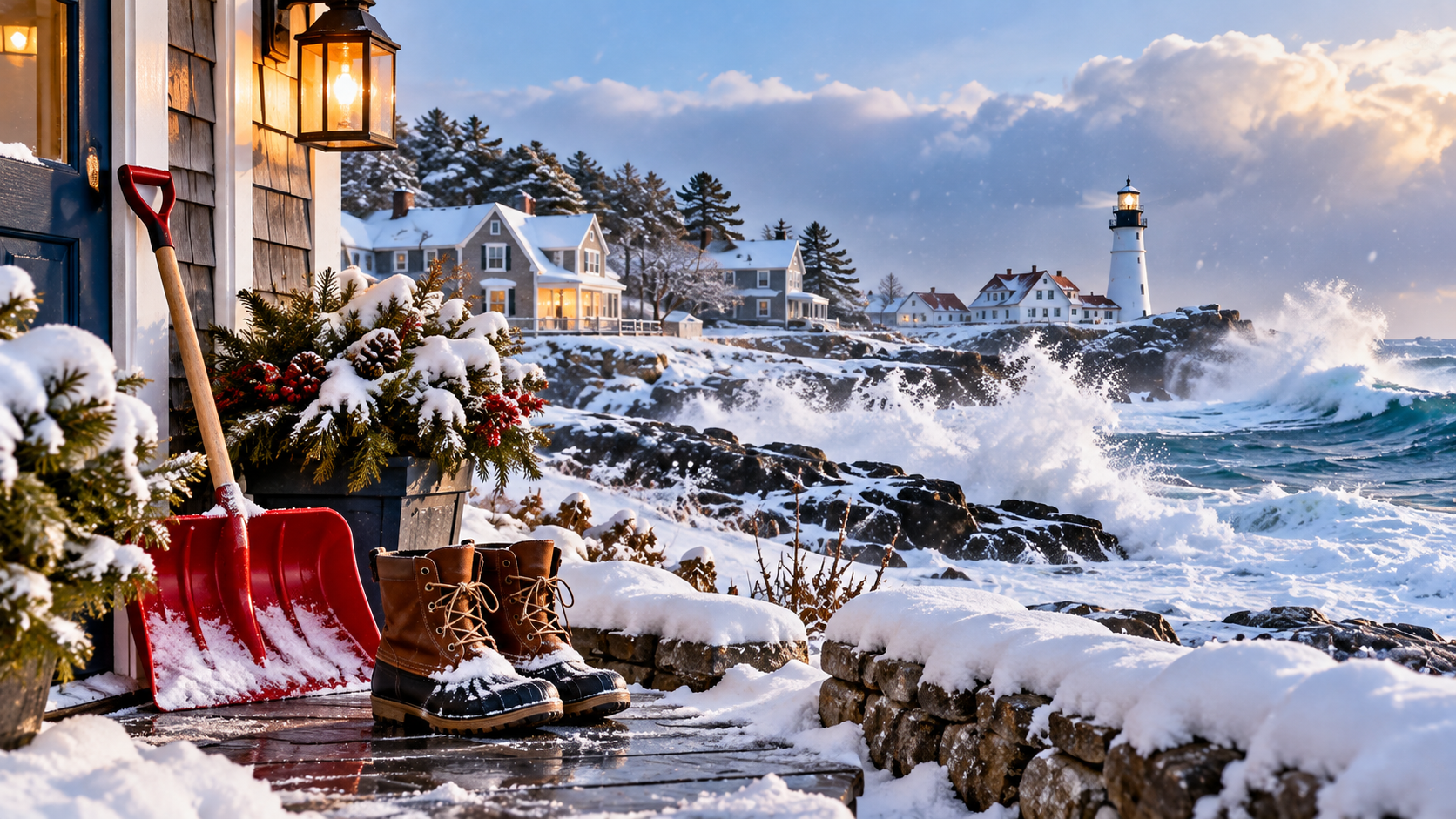
October is the calm before the season on the North Shore. The water is still warm, the boats are coming out, and the days are long enough to get work done. By November the wind shifts, and the storms that build over the ocean start arriving on their own schedule. Nor'easters are a fact of coastal life here, and preparation is everything. This guide walks through what coastal homeowners do before winter, what actually happens when a storm hits, and the questions to ask if you are buying a home on the coast.
Key Takeaways
Nor'easters are a fact of coastal life; preparation is everything
The biggest risks are wind, coastal flooding, and power loss
A generator and a storm kit matter more on the coast than inland
Review insurance before storm season, not after
A good agent helps you understand a home's storm resilience before you buy
Living on the coast is different in ways that matter most in winter. The wind arrives with nothing to slow it down, straight off the ocean, and it works on roofs, siding, and anything loose around the yard. Salt air accelerates wear on metal, windows, and exterior paint, which is why coastal homes need attention on a tighter schedule than homes inland.
Flooding on the North Shore is not random. Storm surge stacks on top of the tide, so the worst flooding happens when a storm arrives at high tide, and the highest tides of the month often line up with the full moon. A nor'easter can stall for two or three days, pushing water through several tide cycles. Storms also arrive fast: a calm morning can turn into a gale by dinner, which is why the work happens before the forecast, not after it.
By early fall, coastal homeowners work through the same checklist, and it is worth writing down. The goal is not perfection; it is removing the obvious weak points before the season arrives.
Clean gutters and downspouts so heavy rain and melting snow have somewhere to go
Inspect the roof for loose or missing shingles and fix them before wind gets under them
Trim weak or dead branches that could come down on the house or the power line
Secure loose outdoor items: furniture, grills, planters, and anything that becomes a projectile in wind
Test the sump pump and make sure the discharge line is clear
Check the generator, run it, and confirm you have fuel and oil
Charge devices and stock water, batteries, flashlights, and supplies for several days
Know your town's evacuation route and where the nearest shelter is
Storm surge plus high tide is the combination that floods roads and yards on the North Shore. Water does not need to be deep to be dangerous: six inches can knock a person off their feet, and a foot can float a car. Never drive through floodwater, ever. The road may look passable and be washed out underneath, and salt water ruins engines and brakes in seconds.
Every coastal town has streets that flood first, and long-time residents know them. If you are new to a town, ask neighbors, sign up for the town's alerts, and pay attention during the first heavy rain. Knowing which streets flood in your town is part of knowing your home.
Power outages are more common and longer on the coast, because the same wind that takes down trees takes down lines, and crews work the hardest-hit areas first. That is why a generator is a real consideration here, not a luxury. A portable generator can run a fridge, lights, and a furnace fan for a few days; a whole-home unit kicks on automatically and covers more. Either way, carbon monoxide safety is non-negotiable: generators run outside, never in a garage or near a window, and a battery carbon monoxide detector belongs on every floor.
Heat pumps have become common on the North Shore, and modern cold-climate models perform well even in single-digit weather, though they work harder and use more electricity when it is very cold. Many coastal homeowners keep a backup: a wood stove, a fireplace, or a space heater with a clear zone around it. A service check before winter is worth it for any system, because the repair that takes a week in October can take two in January.
Storm season is the wrong time to learn what your policy covers. Before the first nor'easter, walk through the house and photograph everything: rooms, closets, appliances, and anything valuable, and keep the photos somewhere off-site. Know your deductibles, including whether a named-storm deductible applies and what percentage it is. And confirm with your agent what the policy covers for wind, water, and the specific damage coastal storms cause.
Flood coverage is separate from homeowners insurance, and on the coast it matters. If you are not sure whether you have it, that is the conversation to have now, not after the water comes up.
When you are buying, storm resilience is a feature, and a good agent helps you see it. Ask the age and condition of the roof, because a roof near the end of its life is a different conversation on the coast. Ask about elevation and flood history: where the house sits relative to the water, and what the previous owners experienced in past storms.
Ask whether there is a generator hookup, whether the sump pump is in good shape, and how the current owners handled storms, from sandbags to shutters to insurance claims. None of these are deal-breakers on their own, but together they tell you what you are taking on.
Preparation never makes a nor'easter pleasant, but it makes it manageable, and on the coast that is the realistic goal. If you are buying or selling a coastal home, I will talk you through storm resilience the same way I would want it explained to me: plainly, with the real details, before the season arrives. Warmly, Kathleen Militello, Realtor®, eXp Realty.
Ask Kathleen
Straight answers to the questions coastal homeowners ask before storm season.
Roughly October through April, with the most frequent storms in the winter months. The preparation should happen before the season, not during it, which is why coastal homeowners work through their storm checklist in early fall.
Water, non-perishable food, batteries, flashlights, a hand-crank radio, phone chargers, medications, cash, and important documents in a waterproof bag. Plan for several days without power, because coastal outages can run longer than inland ones.
Not everyone does, but power outages are more common and longer on the coast, so it is worth considering. A portable generator or a whole-home unit both work, as long as carbon monoxide safety is handled: generators run outside, never in a garage or near a window.
A separate deductible, often a percentage of your dwelling coverage, that applies when a named storm causes damage. It can be much higher than your standard deductible, so it is important to know yours before a storm hits.
No. Flooding is separate from standard homeowners coverage and needs a flood policy. Storm surge is considered flooding, which is why flood insurance matters so much on the coast.
The same questions and answers, un-styled and sequential, so they can be read and extracted easily.
Q: When is nor'easter season on the North Shore?
A: Roughly October through April, with the most frequent storms in the winter months. The preparation should happen before the season, not during it, which is why coastal homeowners work through their storm checklist in early fall.
Q: What should be in a coastal storm kit?
A: Water, non-perishable food, batteries, flashlights, a hand-crank radio, phone chargers, medications, cash, and important documents in a waterproof bag. Plan for several days without power, because coastal outages can run longer than inland ones.
Q: Do I need a generator on the coast?
A: Not everyone does, but power outages are more common and longer on the coast, so it is worth considering. A portable generator or a whole-home unit both work, as long as carbon monoxide safety is handled: generators run outside, never in a garage or near a window.
Q: What is a named-storm deductible?
A: A separate deductible, often a percentage of your dwelling coverage, that applies when a named storm causes damage. It can be much higher than your standard deductible, so it is important to know yours before a storm hits.
Q: Does homeowners insurance cover coastal flooding?
A: No. Flooding is separate from standard homeowners coverage and needs a flood policy. Storm surge is considered flooding, which is why flood insurance matters so much on the coast.

Written by
Kathleen Militello, Realtor®
The Militello Team · AI Certified Agent™ · Certified Negotiation Specialist™ · eXp Realty
Keep your reading going
Kathleen has helped North Shore buyers and sellers prepare for coastal winters for more than two decades. Bring the address, and we will look at the roof, the systems, and the flood history together.
Storm preparation guidance is general information, not engineering, insurance, or legal advice. Verify your own home's systems, your town's rules, and your policy details before relying on them.
Related Posts
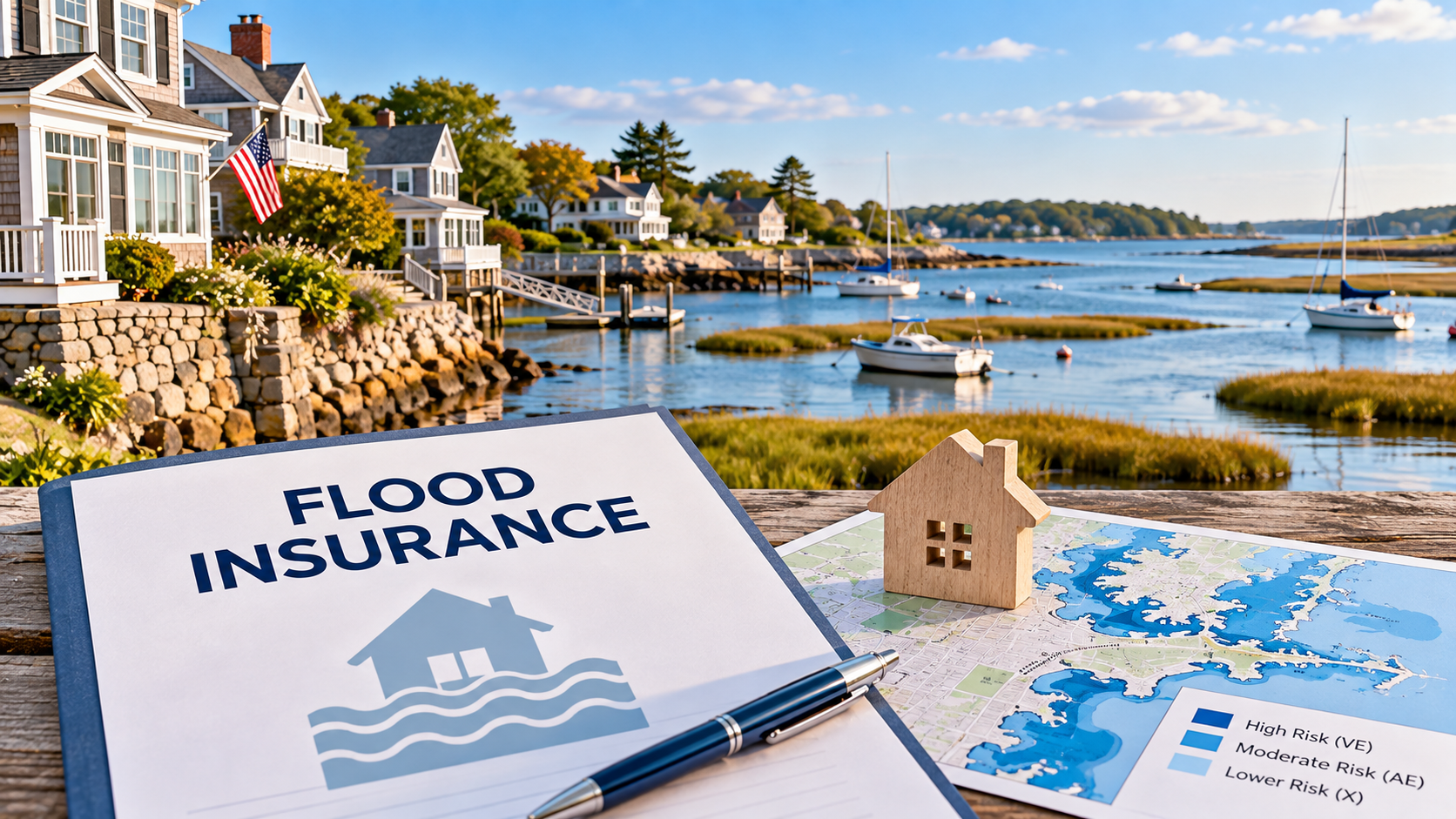 Coastal Living Flood Insurance on the North Shore: The 2026 Guide to Coastal Risk, Cost, and Home Values
 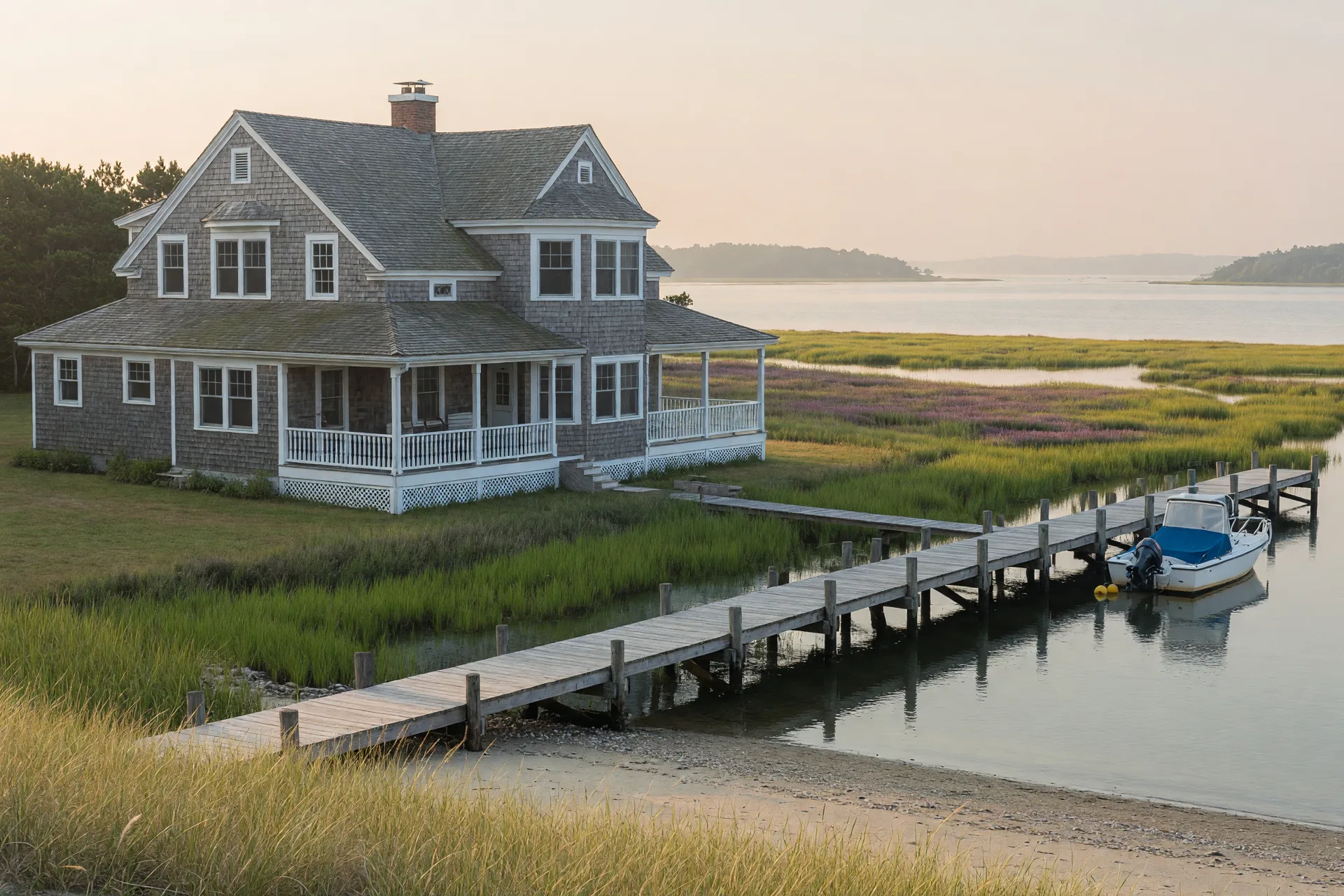 Buying Your Next Home Buying a Waterfront Home on the North Shore: What Experienced Buyers Know That First-Timers Don't
 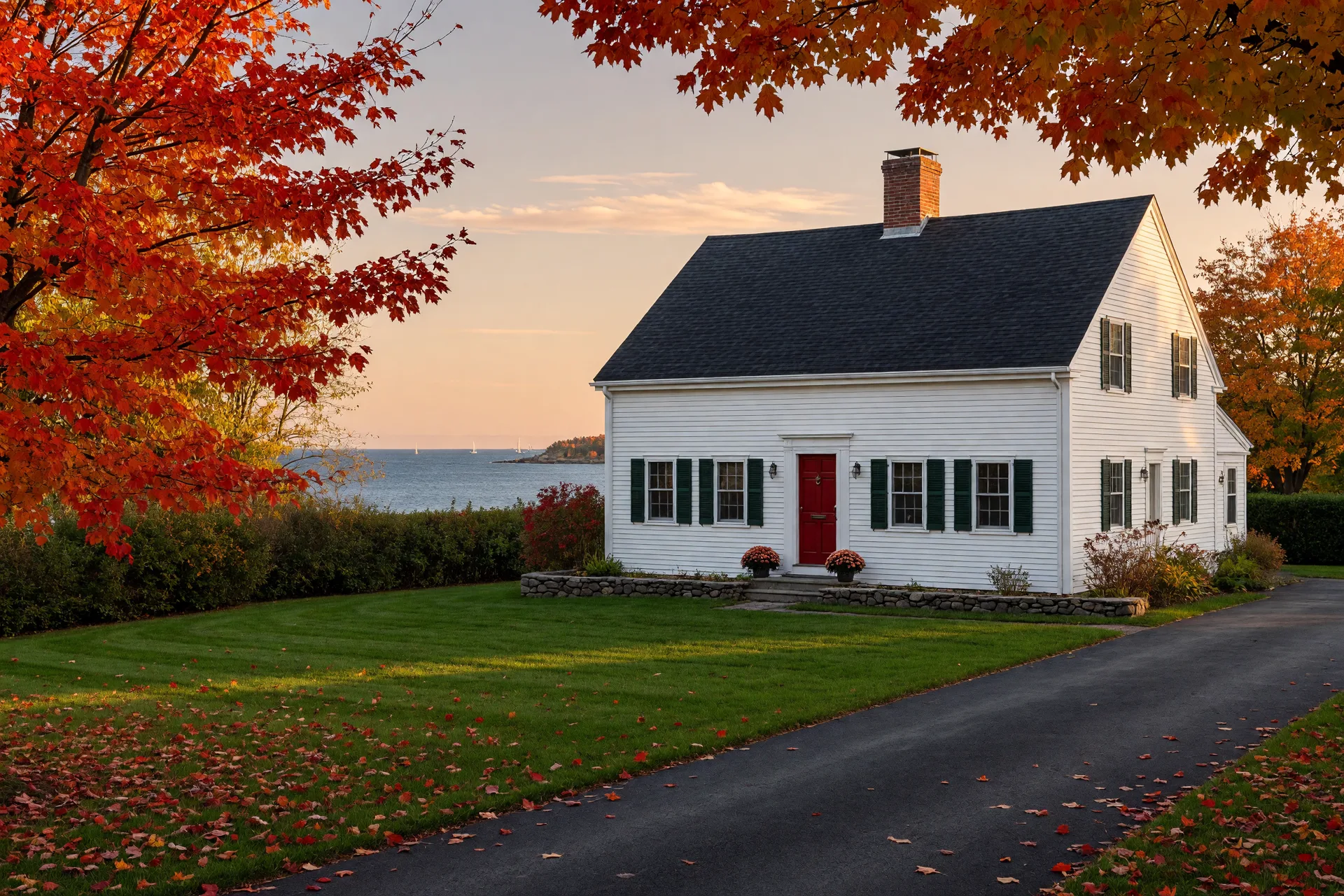 Market Knowledge Fall Home Maintenance Checklist: Getting Your North Shore Home Ready for Winter
 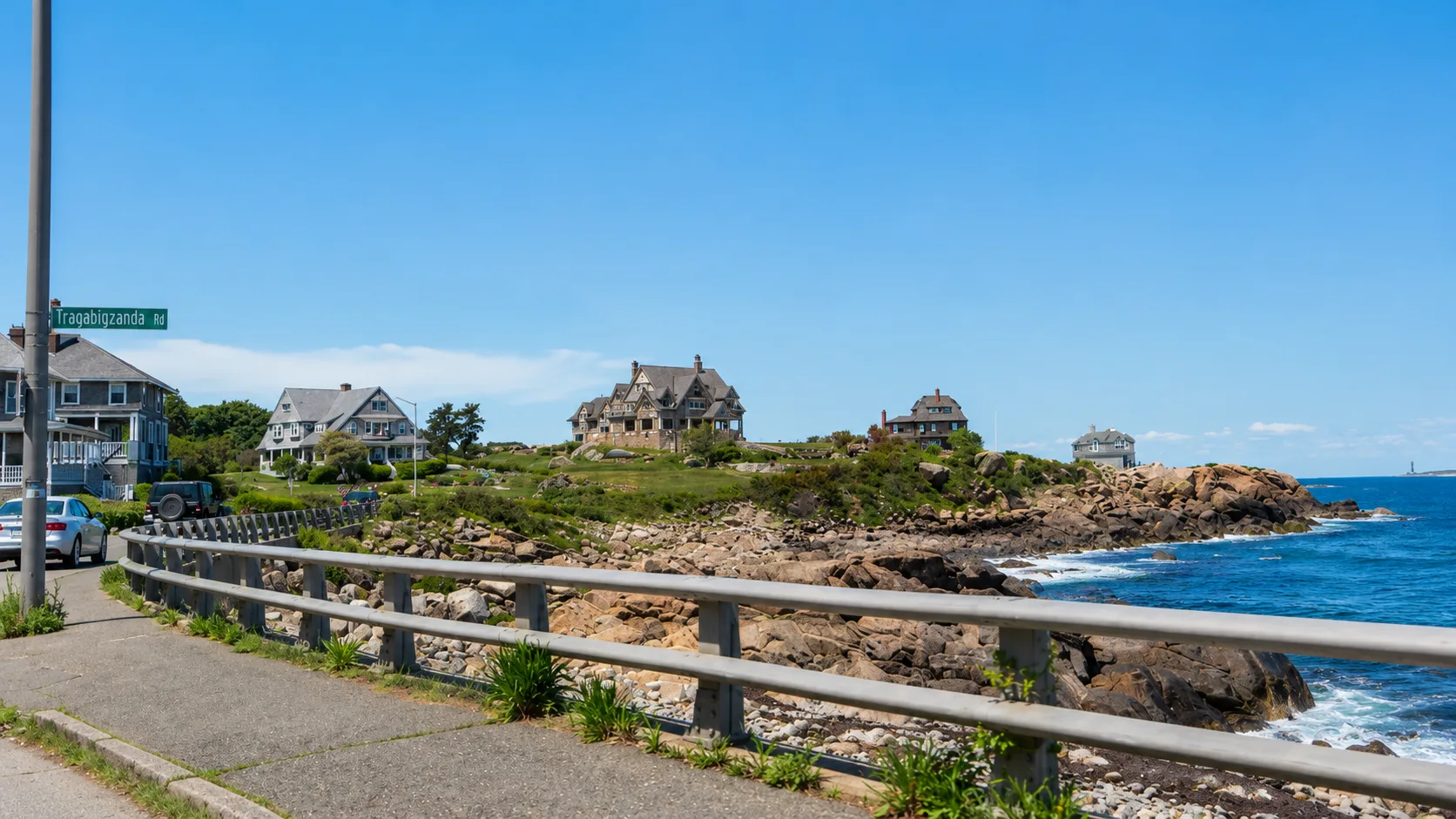 Luxury Coastal Living Coastal Luxury on the North Shore: What Buyers Should Know
 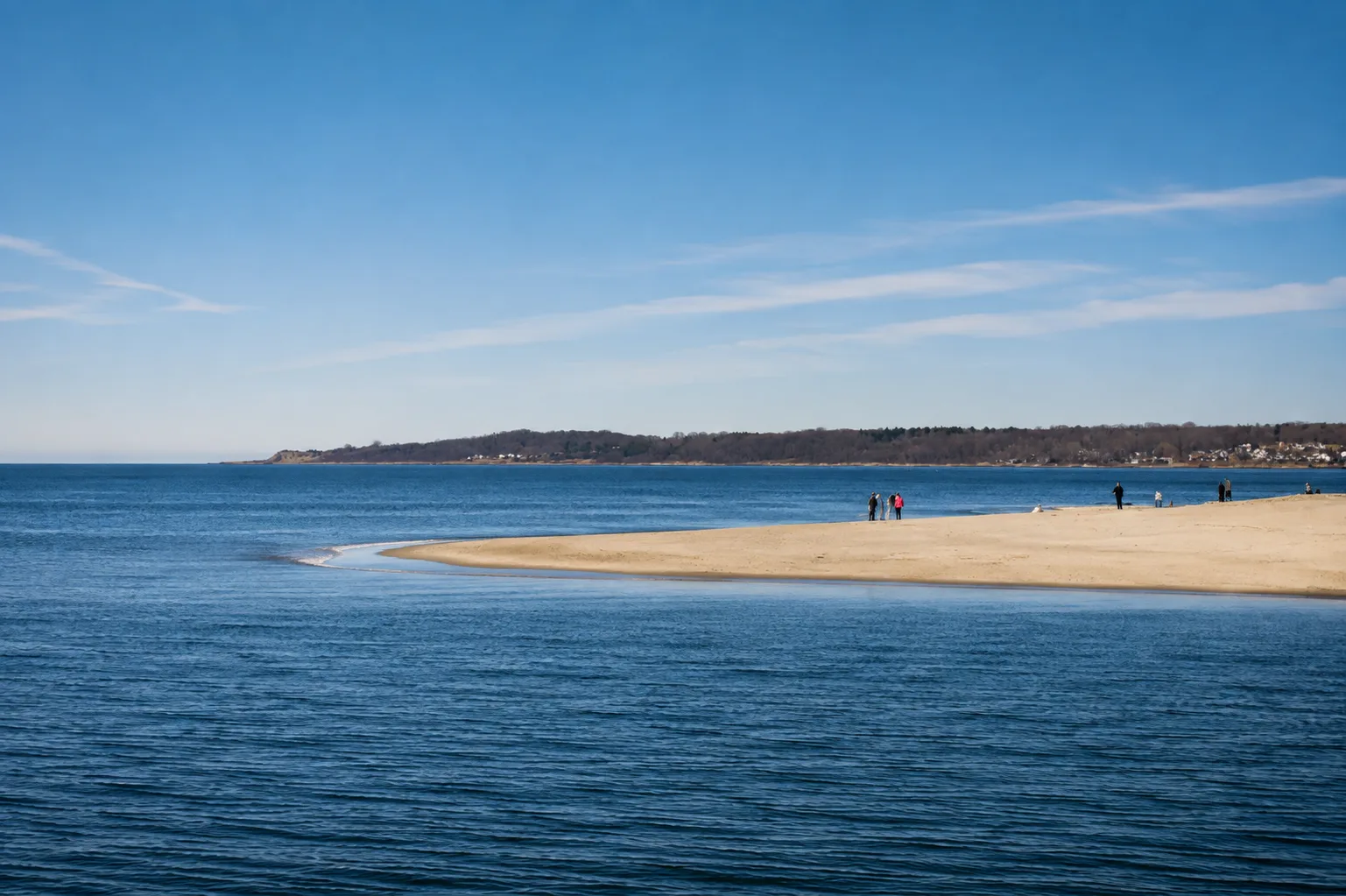 Things to Do North Shore Beaches: A Local's Guide to the Best Sand and Swimming
 From the page to the porch
A note can only tell you so much. Let Kathleen take you through the towns, the streets, and the options that actually fit.