
Selling
Why Homes Sell at the Price They Do: A North Shore Seller's Guide to Pricing
Kathleen Militello · Published October 9, 2026 · Updated October 9, 2026 · 8 min read
Selling
Kathleen Militello · Published October 9, 2026 · Updated October 9, 2026 · 8 min read

Every seller asks the same question, and it is the right one: what should I list this home for? The honest answer is that the market sets your price, not your needs, your hopes, or what you paid. A home priced well attracts the most buyers, creates competition, and almost always nets more than a home that starts too high and gets reduced. This guide walks through how the North Shore market sets a price, why overpricing is so costly, and the pricing strategies that actually work here.
Key Takeaways
Price is set by recent comparable sales, not by what you paid or what you need.
Overpricing almost always costs more than underpricing.
The first weeks on market carry the most buyer attention.
Local, up-to-date comps beat online estimates every time.
The right agent's pricing strategy should be data-backed and explained.
Comparables, not wishes
Your price is set by recent comparable sales, not by what you paid, what you owe, or what you hoped to get. A comparative market analysis looks at similar homes that have sold in your neighborhood in the recent past, then adjusts for differences in condition, updates, lot, views, and water access. The same-neighborhood rule matters: a home in Essex is compared with Essex, not with a similar house across the region.
Online auto-estimates are a starting point, not a price. They often miss the condition, the updates, the lot, and the local nuance that a Realtor's comparable analysis captures. On the North Shore, where a view or a beach association can move the number, local, up-to-date comps win every time.
What a high price really costs
Overpricing is the most expensive mistake a seller can make, and it costs more than it ever gains. An overpriced home sits while the freshest buyer attention fades, and every week on market tells a story. Agents and buyers watch the days climb, wonder what is wrong, and start to negotiate from a place of doubt rather than desire.
The pattern is consistent: a home priced too high loses the early-buyer window, goes stale, and often sells for less than a smart initial price would have brought. A reduction late in the process rarely recovers the lost momentum. Pricing right from the start is not leaving money on the table; it is protecting it.
The window that matters most
Agents and buyers watch new listings closely. The first two weeks are when a home gets the most attention, the most showings, and the best chance at multiple offers. That is why the launch price matters so much: it sets the story from day one. A home that arrives at the right price is the one everyone wants to see first.
A competitive launch does not mean pricing low. It means pricing smart, so the home looks like a good value to the broadest pool of buyers. When several buyers see that value at once, competition does the work, and the final price can land at or above what a higher starting price would have drawn.
At market, slightly under, and the season
Two approaches dominate on the North Shore. Pricing at or slightly under market can spark multiple offers and a final price at or above market, especially in a competitive market with limited inventory. Pricing at market, meanwhile, attracts serious buyers who want a clean, straightforward transaction, and it often nets the same or better with less stress.
Season matters on the coast. Spring through early fall is generally the strongest window, but well-priced homes sell year-round here. And with appraisals in the conversation, understand the appraisal gap: if a buyer's offer comes in above what the home appraises for, a well-priced listing that matches recent sales is less likely to hit that snag.
Condition, staging, and presentation
Before you set the price, look at what you can control. Condition, staging, photography, and presentation all support a stronger price, because a home that shows well is easier for buyers to value. A fresh coat of paint, decluttered rooms, and strong listing photos cost far less than a price reduction and often return more.
Price is the anchor, but it does not work alone. A well-priced home that shows beautifully is the combination that sells quickly for the most it can. That is the goal, and it is achievable with the right plan and the right agent.
The right price is not the highest price; it is the price that brings the strongest buyers quickly and nets you the most at the closing table. I would be glad to put together a comparative market analysis for your home and explain the numbers behind it, with no pressure to list. Call or text me at (978) 500-1480, start with a home value estimate, or book a conversation, and we will look at your options together. Warmly, Kathleen Militello, Realtor®, eXp Realty.
Ask Kathleen
Straight answers to the pricing questions sellers ask most, from the guide above.
A report a Realtor prepares using recent sales of similar homes near yours, adjusted for differences, to arrive at a defensible asking price.
Because price should reflect what buyers will pay today, not what you need or what you spent. A well-priced home typically nets more than one that starts too high and gets reduced.
They are useful starting points, but they often miss updates, condition, lot value, and local nuances. A local agent's CMA is far more reliable on the North Shore.
In a competitive market, a slightly aggressive price can generate multiple offers and a final price at or above market. It is a strategy to discuss with your agent based on your home and your market.
It varies by town, price range, and season. A well-priced, well-presented home in good condition typically sells faster and for closer to asking.
The same questions and answers, un-styled and sequential, so they can be read and extracted easily.
Q: What is a comparable market analysis (CMA)?
A: A report a Realtor prepares using recent sales of similar homes near yours, adjusted for differences, to arrive at a defensible asking price.
Q: Why did the agent price my home lower than I hoped?
A: Because price should reflect what buyers will pay today, not what you need or what you spent. A well-priced home typically nets more than one that starts too high and gets reduced.
Q: Are online home estimates accurate?
A: They are useful starting points, but they often miss updates, condition, lot value, and local nuances. A local agent's CMA is far more reliable on the North Shore.
Q: Should I price my home slightly below market to start a bidding war?
A: In a competitive market, a slightly aggressive price can generate multiple offers and a final price at or above market. It is a strategy to discuss with your agent based on your home and your market.
Q: How long does the typical North Shore home take to sell?
A: It varies by town, price range, and season. A well-priced, well-presented home in good condition typically sells faster and for closer to asking.
Summary: This guide explains how North Shore home pricing works: price is set by recent comparable sales in the same neighborhood, overpricing almost always costs more than underpricing, the first two weeks on market carry the most buyer attention, local comps beat online estimates, and a well-priced, well-presented home typically sells faster for the most it can. Kathleen Militello is a Realtor® with eXp Realty, MA Salesperson License 9053343, serving Boston's Coastal North Shore since 2003. All real estate services are offered in accordance with the Fair Housing Act and Equal Housing Opportunity.

Written by
Kathleen Militello, Realtor®
The Militello Team · AI Certified Agent™ · Certified Negotiation Specialist™ · eXp Realty
Kathleen Militello, Realtor® with eXp Realty, has helped North Shore sellers price and market their homes since 2003. She combines local market data with clear, honest pricing guidance.
Keep your reading going
Kathleen can prepare a comparative market analysis for your home and explain the pricing strategy behind the number, with no pressure to list. Bring your address, and we will look at the data together.
A comparable market analysis is an estimate based on recent sales and market conditions, not an appraisal. Kathleen Militello is a Realtor® with eXp Realty, MA Salesperson License 9053343. All real estate services are offered in accordance with the Fair Housing Act and Equal Housing Opportunity.
Related Posts
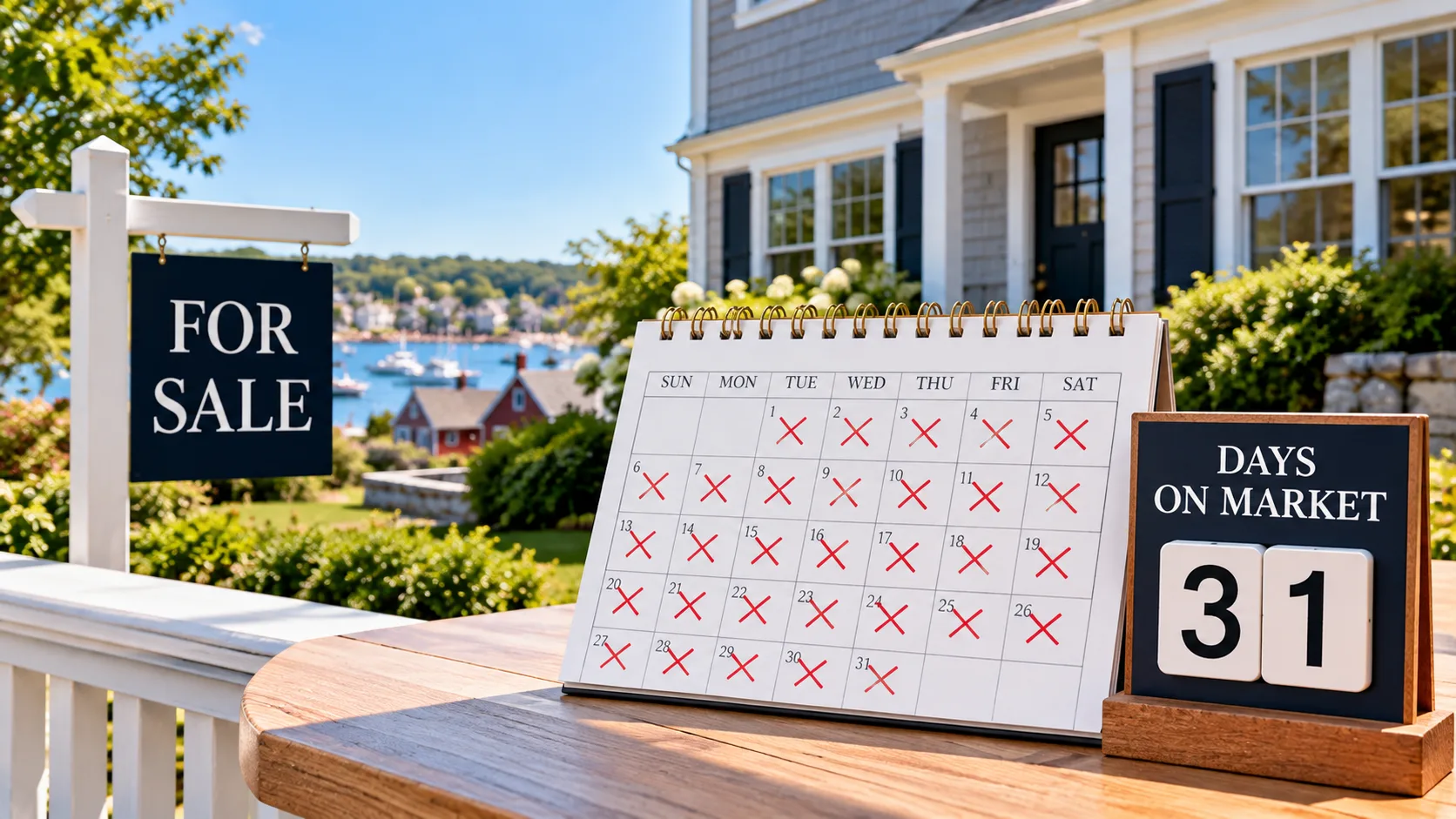 Market Knowledge Days on Market on the North Shore: What a Fast or Slow Sale Actually Tells You
  Selling Your Home How to Price Your North Shore Home to Sell: The Strategy Behind the Number Market Knowledge Appraisal Changes Coming November 2, 2026: What North Shore Sellers and Agents Need to Know
  Market Knowledge List Now or Wait for Spring? The Pre-Holiday Math for Sellers
 From the page to the porch
A note can only tell you so much. Let Kathleen take you through the towns, the streets, and the options that actually fit.