
Market Knowledge
Appraisal Changes Coming November 2, 2026: What North Shore Sellers and Agents Need to Know
Published September 24, 2026 · Updated September 2026 · 8 min read
Market Knowledge
Published September 24, 2026 · Updated September 2026 · 8 min read
Key Takeaways
Beginning November 2, 2026, Fannie Mae and Freddie Mac will require the new Uniform Appraisal Dataset 3.6, or UAD 3.6, for appraisal reports submitted through the Uniform Collateral Data Portal.
UAD 3.6 retires the old static appraisal forms and replaces them with a single, data-driven Uniform Residential Appraisal Report that collects far more granular, structured data, roughly 1,100 to 1,200 data points compared with around 29 core points before.
For sellers, the practical shift is simple: what the appraiser cannot see cannot help the value, so the condition and details of the home, and how well they are documented, matter more than ever.
Sellers should prepare a condition-and-updates packet with system ages, renovation history and receipts, permits, accurate square footage, property line basics, and known issues, and be ready for a Property Data Collector to photograph and document the property.
Agents should make sure the listing data, accurate ANSI-style gross living area, the updates-and-permits list, and the marketing all tell the same story the appraisal data will show.
If you have sold a home before, you know the rhythm: the lender orders an appraisal, the appraiser visits the property, and a report comes back comparing your home to recent sales. The groundwork for that report is about to change in a serious way. Starting November 2, 2026, Fannie Mae and Freddie Mac will require the new Uniform Appraisal Dataset 3.6, known as UAD 3.6, for appraisal reports submitted through the Uniform Collateral Data Portal, or UCDP.
Make no mistake about the scale: this is one of the biggest appraisal modernization changes in more than a decade. It changes how appraisers record the condition and details of a home, and how that information is reported. For sellers on Boston's North Shore, and the agents who represent them, the practical effect is simple to state: the information about a home, and how well it is documented, will matter more than ever to the value that comes back.
Not sure how appraisals work today? My plain-language guide to what a home appraisal is walks through the basics before we get to what is changing.
For more than a decade, appraisers completed a set of static appraisal forms for loans delivered to Fannie Mae and Freddie Mac, each form carrying its own number. UAD 3.6 retires those old static forms and replaces them with a single, data-driven, dynamic Uniform Residential Appraisal Report, called the URAR, used across residential property types.
Instead of the older narrative approach, the new report is assembled from far more granular, structured data. Industry discussion points to roughly 1,100 to 1,200 data points in the new dataset, compared with around 29 core data points in the older simplified view. Appraisers will record a home through drop-downs and structured fields, so condition, quality, features, and updates are captured consistently, report to report.
UAD 3.6 is part of a broader valuation and appraisal modernization effort Fannie Mae and Freddie Mac have been building since around 2018. It also includes the expanded use of Property Data Collectors, who gather photos and property data with the appraiser performing the valuation, sometimes remotely through desktop or hybrid appraisals, and the expansion of value acceptance, previously called appraisal waivers, including higher loan-to-value eligibility for some purchase transactions. The industry is also aligning how homes are measured with the ANSI Z765-2021 standard.
The date to remember is November 2, 2026. After that date, new appraisal reports submitted through the GSE systems must use UAD 3.6.
Here is the sentence to keep: the appraiser can only help your home's value with what they can see and what is documented. Because valuation is now built on granular, structured data, the condition and details of your home have to be accurately captured and recorded. What the appraiser cannot see cannot help the value.
The older forms gave an appraiser room for narrative and judgment. The new system still uses professional judgment, but it leans on a detailed, consistent dataset. Every bedroom, every update, every system is captured in structured fields. A new roof or a renovated kitchen that is documented can be reflected in the report; the same improvement with no record is far less likely to show up.
That is genuinely good news for the prepared seller: a well-documented home can be valued accurately, and the report can show exactly why the home is worth what it is. If you want to understand the pieces appraisers and buyers weigh, my notes on what actually determines a home's value are a good place to start. And if you are curious what your own home would document to, you can get a real sense of its value without putting it on the market.
Think of it as a condition-and-updates packet. Before an appraiser, or a Property Data Collector working for the lender, documents the property, pull together: the ages of the major systems, roof, HVAC, and water heater; a renovation and update history with dates and receipts; permits for the work that was done; accurate square footage; the basics of your property lines and survey; and any known issues with the home.
Be ready for a Property Data Collector to visit. Under the modernization changes, lenders may send a Property Data Collector to photograph and document the property, with the appraiser completing the valuation, sometimes remotely. The person at your door may not be the appraiser, but the data they gather feeds directly into the appraisal report.
None of this needs to feel intimidating. Most of it is the same paperwork a careful seller assembles anyway, and your real estate agent can help you organize it before you go live. Wondering which updates are worth documenting in the first place? Start with updates that actually add value and my guide to a pre-listing home inspection.
For agents and Realtors who list North Shore homes, the November change means the marketing file and the appraisal file need to tell the same story. Begin with accurate gross living area, measured the way the industry is aligning, to the ANSI Z765-2021 standard. The square footage in the listing, the town records, and the appraisal should not be three different numbers.
Build the complete updates-and-permits list before the sign goes in the ground, and keep condition notes for every system: roof, heating, cooling, water heater, electrical. Note the age, the condition, and any documented maintenance. If there are known issues, disclose them honestly up front. A data-driven report will surface them anyway, and a clean disclosure protects the seller and keeps the transaction on track.
Price and market with the inspection and valuation details in mind. The same structured detail that makes an appraisal smoother also makes a listing sharper: when the marketing materials and the data tell the same story about condition, updates, and square footage, buyer expectations match the appraisal and the sale is far less likely to hit a value gap. Staging and photography matter more than ever when the report is this specific, and here is how staging and photography tell the story of a home.
If this sounds like homework, it is, and it is the kind of preparation that separates a smooth sale from a deal that stalls. It is also why I go through every system and every update with sellers before we list: because on the North Shore, selling well starts long before the first showing.
With all this change, it helps to remember what does not move. Buyers still need financing. Lenders still order appraisals, or use value acceptance where it applies. And appraisers still value a home by comparing it against comparable sales.
The fundamentals of value do not change: location, size, condition, and what buyers have actually paid for similar homes. What changes is how the information about your particular home is collected and reported, and how much detail that report holds.
So the market analysis behind your pricing still matters, and the comparable sales your agent studies still matter. What gets stronger is the documentation of your specific home. Get that right, and the new system works in your favor.
I have been guiding sellers on Boston's Coastal North Shore for more than 20 years, from Beverly and Salem to Ipswich, Gloucester, Rockport, and the towns between, and I have watched appraisal rules change before. The pattern is always the same: the sellers who do the paperwork early are the ones who close smoothly, and the homes whose story is documented are the ones whose value holds up.
My advice this fall: do not wait for November to start organizing. Gather your receipts. Pull your permits. Measure your square footage. Write down the age of every major system. If you can answer the appraisal questions before they are asked, you have already done the hard part. And if you are not sure what your home would document, or what that means for your number, that is exactly what a conversation is for. Where you are on the North Shore makes a tremendous difference, and so does being ready.
If you are thinking about selling, let's talk about what makes sense for you. Call me at (978) 500-1480, send a note through the contact page, or book a consultation, and we will look at your home, its paperwork, and what it is worth in today's market. Because in real estate, Experience Matters.
Ask Kathleen
Straight answers to the questions this season keeps bringing up, from the article above.
November 2, 2026. Beginning that date, Fannie Mae and Freddie Mac will require the new Uniform Appraisal Dataset 3.6, or UAD 3.6, for appraisal reports submitted through the GSE systems.
UAD 3.6 is the new Uniform Appraisal Dataset. It retires the old static appraisal forms and their form numbers and replaces them with a single, data-driven, dynamic Uniform Residential Appraisal Report, called the URAR, used across residential property types.
Not always. Lenders may order a full appraisal, use value acceptance, or use a desktop or hybrid appraisal with a Property Data Collector gathering the property data. Either way, the condition of the home and its documentation still matter to the value.
Gather your update history, receipts, and permits, confirm accurate square footage, and disclose any known issues. Be ready for a Property Data Collector to photograph and document the property, with the appraiser completing the valuation, sometimes remotely.
Values still come from the market and from comparable sales, but the appraisal report will capture far more detail about the property, so accurate, complete documentation of the home matters more than ever.
The same questions and answers, un-styled and sequential, so they can be read and extracted easily.
Q: When do the new appraisal rules take effect?
A: November 2, 2026. Beginning that date, Fannie Mae and Freddie Mac will require the new Uniform Appraisal Dataset 3.6, or UAD 3.6, for appraisal reports submitted through the GSE systems.
Q: What is UAD 3.6?
A: UAD 3.6 is the new Uniform Appraisal Dataset. It retires the old static appraisal forms and their form numbers and replaces them with a single, data-driven, dynamic Uniform Residential Appraisal Report, called the URAR, used across residential property types.
Q: Will my home still need a full appraisal?
A: Not always. Lenders may order a full appraisal, use value acceptance, or use a desktop or hybrid appraisal with a Property Data Collector gathering the property data. Either way, the condition of the home and its documentation still matter to the value.
Q: What should I do to prepare?
A: Gather your update history, receipts, and permits, confirm accurate square footage, and disclose any known issues. Be ready for a Property Data Collector to photograph and document the property, with the appraiser completing the valuation, sometimes remotely.
Q: How will this affect how my house is valued?
A: Values still come from the market and from comparable sales, but the appraisal report will capture far more detail about the property, so accurate, complete documentation of the home matters more than ever.
Independent sites worth a look for general market and school information.

Written by
Kathleen Militello, Realtor®
The Militello Team · AI Certified Agent™ · Certified Negotiation Specialist™ · eXp Realty
Related reading
 Things to Do A Gorgeous October Day at Crane Beach: A Reminder to Love Where You Live
  Buying / Open Houses How to Get the Most Out of an Open House
  Relocation From Boston to the Coast: Why the North Shore Keeps Calling This Fall
  Weekend Happenings This Weekend on the North Shore: October 2-4, 2026
  Buyer & Seller Tips What Actually Happens on Closing Day in Massachusetts
  Buyer & Seller Tips Will I Owe Capital Gains Tax When I Sell My North Shore Home?
  Selling Your Home Divorce: Navigating Home Decisions During Divorce
  Relocation Moving from Boston to the North Shore: A Practical Guide
  Market Knowledge Fall 2026 North Shore Housing Market Update
  Home Value & Pricing Is a Zillow Zestimate Accurate? What the Number Really Means
  Selling Your Home Pulling Permits for Home Improvements: Why Closing Them Out Matters When You Sell
  Buying Your Next Home How to Win a Bidding War on a North Shore Home Without Overpaying
  Selling Your Home How to Price Your North Shore Home to Sell: The Strategy Behind the Number First-Time Home Buyers How Much Do You Need to Save to Buy a First Home on the North Shore?
  Selling Your Home Selling a Luxury Home on the North Shore: How the High End Is Different
  Market Knowledge Days on Market on the North Shore: What a Fast or Slow Sale Actually Tells You
  Neighborhood Guides Gloucester vs Rockport, MA: Which Cape Ann Town Is Right for You?
  North Shore History The History of Ipswich: America's Best-Preserved Puritan Town
  Things to Do North Shore Beaches: A Local's Guide to the Best Sand and Swimming
  Town notes Rockport: The Town Note
  Local / Fall Events Apple Picking on the North Shore: A Local's Guide to the Best Orchards
  Downsizing on the North Shore The Real Cost of Staying in Your Big North Shore House
  Local / Fall Events Topsfield Fair 2026: Your Day-by-Day Guide to October 2-12
  Things to Do Topsfield Fair 2026 and the Best of Fall on the North Shore
  Neighborhood Guides The Second Look: How Smart Buyers Really Get to Know a Neighborhood
  Selling Your Home Your Home Didn't Sell: What Likely Went Wrong and Your Next Steps
  First-Time Home Buyers Massachusetts First-Time Home Buyer Programs in 2026: Where the Down Payment Help Really Is
  Market Knowledge Median vs. Average Home Price: What North Shore Market Reports Actually Tell You
  North Shore History The Great Salem Fire of 1914: The Day a Third of the City Burned
  Things to Do North Shore Lighthouses: A Local's Guide to Six Lights Worth the Drive
  Neighborhood Guides Beverly vs. Salem: How to Choose Between the North Shore's Two Cities
  Buying Your Next Home North Shore Property Taxes: What a $700,000 Home Costs to Carry in Each Town
  Downsizing on the North Shore Moving to a CCRC on the North Shore: How Selling Your Home Fits Into the Math
  Town notes Newburyport: The Town Note
  Town notes Beverly: the town that felt like home from the start
  Town notes Cape Ann: Gloucester, Rockport, and Essex
  Town notes Ipswich, Manchester-by-the-Sea, and the coast between
  Market Knowledge North Shore Fall 2026: What Buyers and Sellers Should Watch This Season
  Market Knowledge List Now or Wait for Spring? The Pre-Holiday Math for Sellers
  Buying Your Next Home Mortgage Rates Are Headline News. Here's What Actually Matters for Your Move
  Neighborhood Guides Salem in October: Behind the Crowds, One of the North Shore's Most Livable Towns
  Downsizing on the North Shore Downsizing Before the Holidays: A Realistic Week-by-Week Timeline
  First-Time Home Buyers The First-Time Buyer's Fall Checklist for the Coastal North Shore Market Knowledge Empty Nesters Are Driving the North Shore's Most Interesting Moves: Here's the Pattern
  Downsizing on the North Shore Two Bedrooms, a View, and Room for the Kayaks: How to Right-Size Without Losing What You Love
  Downsizing on the North Shore From Big House to Coastal Base: A Sea-Change Buyer's Guide for Empty Nesters Buying Your Next Home Empty Nest, New Chapter: Condo, Cottage, or Townhouse on the North Shore
  Market Knowledge Selling the Big House: An Empty Nester's Pre-Move Checklist
  North Shore History Castle Hill and the Crane Estate: A Gilded Age Legacy on the North Shore
  North Shore History The Great Marsh: How 25,000 Acres Shaped the North Shore
  North Shore History Plum Island: The Barrier Beach That Shaped the North Shore Coast
  North Shore History Hammond Castle: The North Shore's Most Extraordinary Home and the Inventor Who Built It
  North Shore History Saugus River Iron Works: The Birthplace of the American Iron Industry
  North Shore History Marblehead and the Sea: How a Fishing Village Became the Yachting Capital of the World
  North Shore History The Salem Witch Trials: How 1692 Still Shapes the North Shore
  Buying Your Next Home How to Evaluate a North Shore Neighborhood Before You Buy: The 10-Point Checklist
  Buying Your Next Home Buying a Waterfront Home on the North Shore: What Experienced Buyers Know That First-Timers Don't
  Buying Your Next Home Commuter Rail Access on the North Shore: Which Towns Offer the Best Boston Commute?
  Buying Your Next Home North Shore School Districts: What Parents Need to Know Before Buying
  Buying Your Next Home Open Floor Plans vs. Traditional Layouts: What North Shore Buyers Should Consider
  Buying Your Next Home New Construction vs. Existing Homes on the North Shore: Which Is Right for You?
  Buying Your Next Home Upgrading from a Starter Home: A Move-Up Buyer's Guide for the North Shore
  Buying Your Next Home Multi-Generational Living on the North Shore: Finding the Perfect In-Law Setup Buying Your Next Home Navigating Historic District Commissions: What North Shore Buyers Must Know Before Closing
  Buying Your Next Home The Home Buyer's Guide to Historic North Shore Neighborhoods
  Buying Your Next Home What Every Buyer Should Know About Private Roads Before Purchasing a North Shore Home
 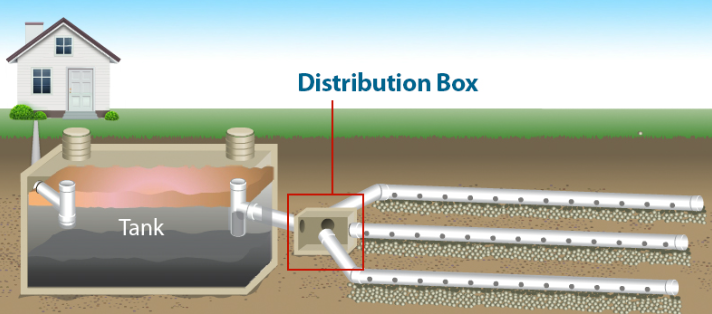 Buying Your Next Home What You Should Know Before Buying a Home with a Septic System in Massachusetts
  Buying Your Next Home How to Buy Your Next Home Without Feeling Rushed Into the Wrong Decision
  Buying Your Next Home What to Look for in Your Next Home That You Didn't Think About the First Time
  Buying Your Next Home Should You Stay in the Same Town or Move Somewhere New? A North Shore Homeowner's Guide Downsizing on the North Shore The Kids Are Gone. Is It Time to Sell Your North Shore Home? Downsizing on the North Shore Where Do North Shore Empty Nesters Go After Selling the House? Downsizing on the North Shore Sell First or Buy First? A North Shore Empty Nester's Guide to Making the Move Downsizing on the North Shore What Would Life Cost After You Sell Your North Shore Home? Downsizing on the North Shore Downsizing Without Regret Downsizing on the North Shore Downsize to a Walkable North Shore Downtown Downsizing on the North Shore The Hidden Costs of Downsizing Downsizing on the North Shore The Single-Story Living Checklist Downsizing on the North Shore When NOT to Downsize Downsizing on the North Shore Should You Sell Before You Need To? Downsizing on the North Shore Using Your Home Equity to Fund Retirement Downsizing on the North Shore Aging in Place on the North Shore Downsizing on the North Shore Sell and Stay: Accessing Your Home Equity Without Moving Downsizing on the North Shore How to Time the Sale of Your Longtime Home When Downsizing Downsizing on the North Shore Navigating 55+ Active Adult Communities on Boston's North Shore Downsizing on the North Shore The Emotional Side of Downsizing Downsizing on the North Shore What to Keep, Donate, Sell, or Give to Loved Ones Downsizing on the North Shore How to Downsize Without Feeling Overwhelmed Downsizing on the North Shore The 12-Month Downsizing Timeline Downsizing on the North Shore Downsizing With Adult Children Downsizing on the North Shore The 7 Financial Mistakes North Shore Seniors Make When Downsizing Downsizing on the North Shore Downsizing in Winter Things to Do North Shore Fall Activities Guide 2026: Harvest Festivals, Foliage Drives, and Coastal Events Weekend Events What's Happening on the North Shore This Weekend: September 26-27, 2026
  Market Knowledge Fall Home Maintenance Checklist: Getting Your North Shore Home Ready for Winter
  First-Time Home Buyers Your First Open House: What to Look For (and What to Skip)
  Neighborhood Guides The Most Walkable North Shore Towns: Main Street Living
  North Shore History From Saltbox to Shingle Style: A Quick Tour of North Shore Home Styles
  Downsizing on the North Shore Downsizing Without Overwhelm: The One-Room-at-a-Time Plan
  Weekend Events Fall Weekends on the North Shore: A Seasonal Guide Luxury Coastal Living Coastal Luxury on the North Shore: What Buyers Should Know
  Market Knowledge Should I Buy Now or Wait? What North Shore Buyers Are Asking in 2026
 From the page to the porch
A note can only tell you so much. Let Kathleen take you through the towns, the streets, and the options that actually fit.