
Coastal Living
Water Access, Moorings, and Deeded Beach Rights: What North Shore Buyers Should Understand
Kathleen Militello · Published October 11, 2026 · Updated October 11, 2026 · 10 min read
Coastal Living
Kathleen Militello · Published October 11, 2026 · Updated October 11, 2026 · 10 min read
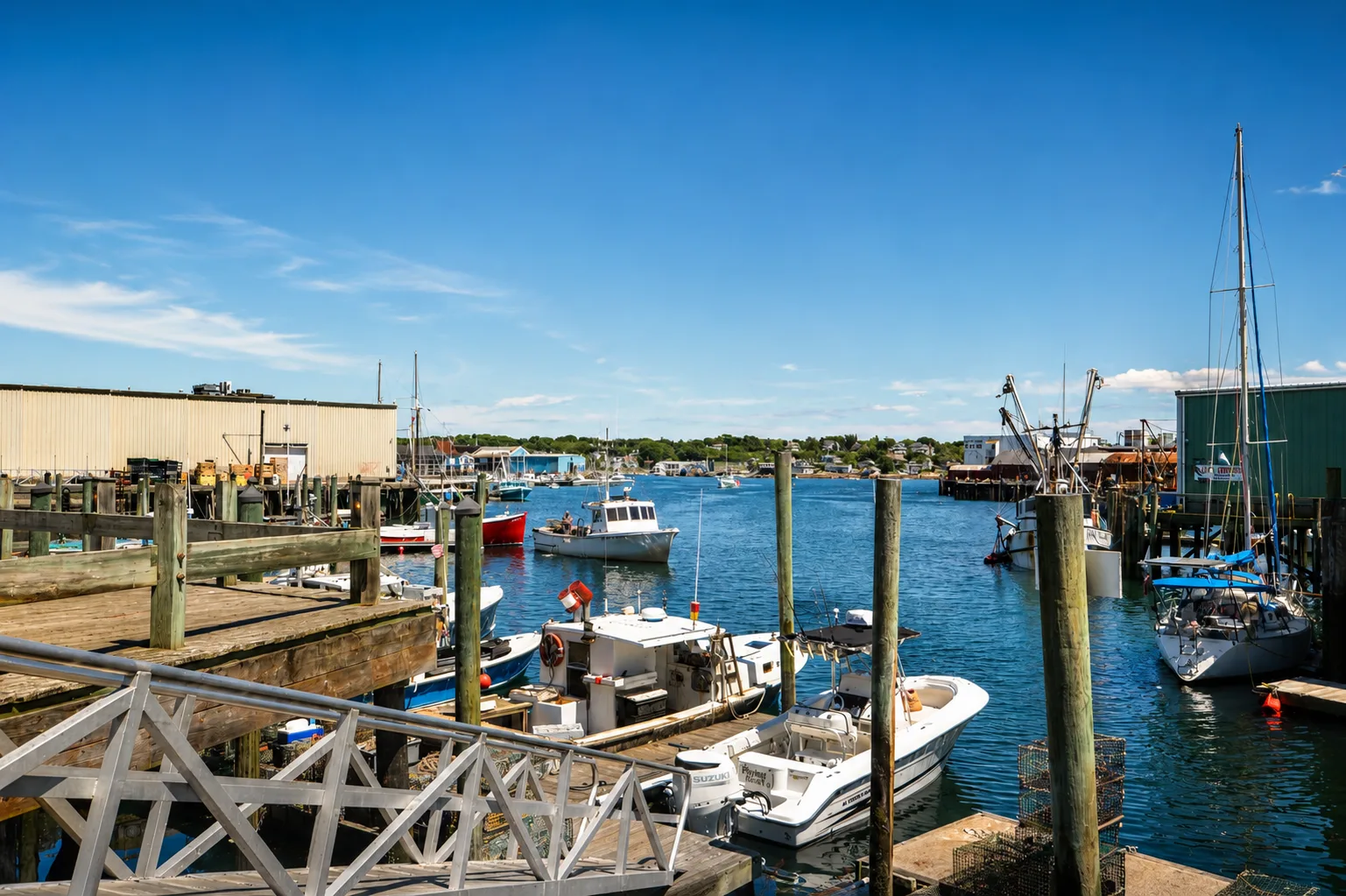
On the North Shore, water access drives value and confusion in equal measure. The phrase 'water access' means different things on different deeds, and buyers who assume one meaning can be disappointed at closing. This guide explains the forms water access takes, what is documented and what is not, and how to verify exactly what a property includes before you buy.
Key Takeaways
Water access comes in many forms, and they are not all equal
Deeded beach rights are specific and documented
Moorings and docks are controlled by towns and harbormasters
Public access rules vary from town to town
Ask for documentation before you buy
When a listing says 'water access,' it can mean deeded beach rights, a right of way or easement to the shore, a town landing, a public beach down the street, or a view of the water. Those are very different things with very different legal weight, and they are priced differently for a reason.
Deeded beach rights are written into the deed and belong to the property. Rights of way and easements give a documented right to cross someone else's land to reach the water, and they are only as good as the paperwork. Town landings and public beaches are open to everyone, which is wonderful for the town and a different thing entirely from private access. A water view is the simplest of all: you can see the water, but the land between you and the shore belongs to someone else.
Here is how the difference shows up in price. A deeded beach right is a property right, and buyers pay for it because it is protected in writing. A right of way is valuable but depends on the easement staying valid. A town landing is a public amenity that adds to the neighborhood but not to your deed. And a view can be wonderful today and different tomorrow, because the land between you and the water belongs to someone else. When you know which one you are buying, you know what you are paying for.
None of these are bad. They are just different, and the difference shows up in what you can do, what you can rely on, and what the property is worth.
A deeded beach right is a documented right that belongs to a specific property, giving its owners access to a beach or shoreline. It appears in the deed, it transfers with the property, and it is verified through the deed and the title report.
Deeded rights are often shared or limited. A right may cover a specific path to the beach, a shared area, or only certain hours or uses, and the deed spells out the details. Buyers should read the actual language rather than rely on what a neighbor or a listing says, because the deed is what protects the right at resale.
Deeds are recorded at the registry of deeds, which is why the right survives sales and decades of ownership. The title report your attorney orders will show the recorded language, and it is worth reading the actual words: access to the beach at low tide is different from a path to the shore at all times, and the difference matters more in August than in the listing.
A mooring is not a fixture of the house; it is a permit issued by the town, and the harbormaster runs the program. On the North Shore, mooring permits are town-specific, and many towns keep waiting lists that can run for years.
That means a house on the water does not guarantee a mooring, and a mooring that comes with a property may or may not transfer with it. Ask how the current mooring is held, whether it can be transferred, what the annual fee is, and how the waitlist works in that town. The harbormaster's office will tell you the current rules, and it is worth the call before you fall in love with a property.
Fees and seasons matter too. Most North Shore moorings are seasonal: the mooring goes in for the boating season and comes out for winter, and the annual cost includes the permit, the mooring gear, and often a launch service. The harbormaster's office can tell you the current fee schedule and how the waitlist works, and that conversation is worth having before you make an offer.
Docks and piers are regulated, not assembled. Building one requires permits from the local conservation commission and state agencies, and the process is designed to protect the shoreline and the water.
An existing dock is only as good as its permits. Ask to see them, confirm they are current, and ask about maintenance, because docks live in salt water and need real upkeep. If the permits are missing or expired, the dock can be a liability instead of an amenity.
Public access and water rules vary widely across the North Shore. Beverly, Manchester-by-the-Sea, Gloucester, Rockport, Essex, Ipswich, Newburyport, and Salem each handle beaches, landings, moorings, and docks differently, and the rules change over time.
A few examples make the point. Beverly has public beaches and parks along its shoreline and a working waterfront that stays busy. Manchester-by-the-Sea keeps a more private, residential feel, with limited public parking near its beaches. Gloucester and Rockport have public landings, town beaches, and harbors that are genuinely public, while Essex and the marsh towns along the river offer a quieter, tidal kind of access. Newburyport waterfront is public and lively, and Salem is shaped by its harbor history. The right town depends on how you want to use the water.
This is where a local agent earns their keep. I know which towns have public beaches and which keep access more private, which harbormasters run tight mooring programs, and where the paperwork is straightforward. The right answer for your boat, your beach days, and your budget depends on the town.
Water access should never be assumed; it should be documented. Start with the deed and read the actual language about beach rights, easements, and rights of way. Ask your attorney for the title report, and check the town bylaws for anything that affects access, moorings, or shoreline use.
Talk to the harbormaster about moorings and to the conservation commission about docks. Then work with a Realtor who knows coastal water rights, because the difference between 'everyone uses that path' and 'your deed includes that path' is the difference between a settled purchase and a surprise.
In the offer itself, ask the seller to confirm the water rights in writing and to provide any permits for the dock or mooring. A seller who has used the access for years usually has the paperwork or knows exactly where it is. A seller who hesitates is a reason to look closer. Documentation is not a formality on the coast; it is the whole game.
Water is the reason many buyers choose the North Shore, and the paperwork should match the dream. When we look at a property together, we verify the access in writing before you commit, so the beach, the mooring, or the view you are paying for is the one you actually get. Warmly, Kathleen Militello, Realtor®, eXp Realty.
Ask Kathleen
Straight answers to the questions North Shore buyers ask about beaches, moorings, and docks.
A documented right that belongs to a specific property, giving its owners access to a beach or shoreline. It transfers with the property and is verified through the deed and the title report.
Yes, but moorings are permitted by each town's harbormaster, and many towns have waiting lists that can run for years. Ask whether a mooring can transfer with a property and what the annual fee is.
Local conservation commissions and state agencies. A dock needs permits, and buyers should verify an existing dock's permits before purchase, because missing or expired permits can make the dock a liability.
Most have some public access, but the amount and the rules vary widely by town. A local agent can explain what each town offers and how access is managed.
Review the deed and the title report, check town bylaws, talk to the harbormaster, and ask your Realtor to help you confirm exactly what the property includes.
The same questions and answers, un-styled and sequential, so they can be read and extracted easily.
Q: What is a deeded beach right?
A: A documented right that belongs to a specific property, giving its owners access to a beach or shoreline. It transfers with the property and is verified through the deed and the title report.
Q: Can I get a mooring on the North Shore?
A: Yes, but moorings are permitted by each town's harbormaster, and many towns have waiting lists that can run for years. Ask whether a mooring can transfer with a property and what the annual fee is.
Q: Who regulates docks and piers?
A: Local conservation commissions and state agencies. A dock needs permits, and buyers should verify an existing dock's permits before purchase, because missing or expired permits can make the dock a liability.
Q: Do all North Shore towns have public beaches?
A: Most have some public access, but the amount and the rules vary widely by town. A local agent can explain what each town offers and how access is managed.
Q: How do I verify water access before buying?
A: Review the deed and the title report, check town bylaws, talk to the harbormaster, and ask your Realtor to help you confirm exactly what the property includes.

Written by
Kathleen Militello, Realtor®
The Militello Team · AI Certified Agent™ · Certified Negotiation Specialist™ · eXp Realty
Keep your reading going
Kathleen has helped North Shore buyers verify beach rights, moorings, and docks for more than two decades. Bring the deed, and we will read it together.
Water rights, mooring rules, and shoreline regulations vary by town and change over time. This article is general information, not legal advice; verify the deed, the title, and the current town rules for the specific property before relying on them.
Related Posts
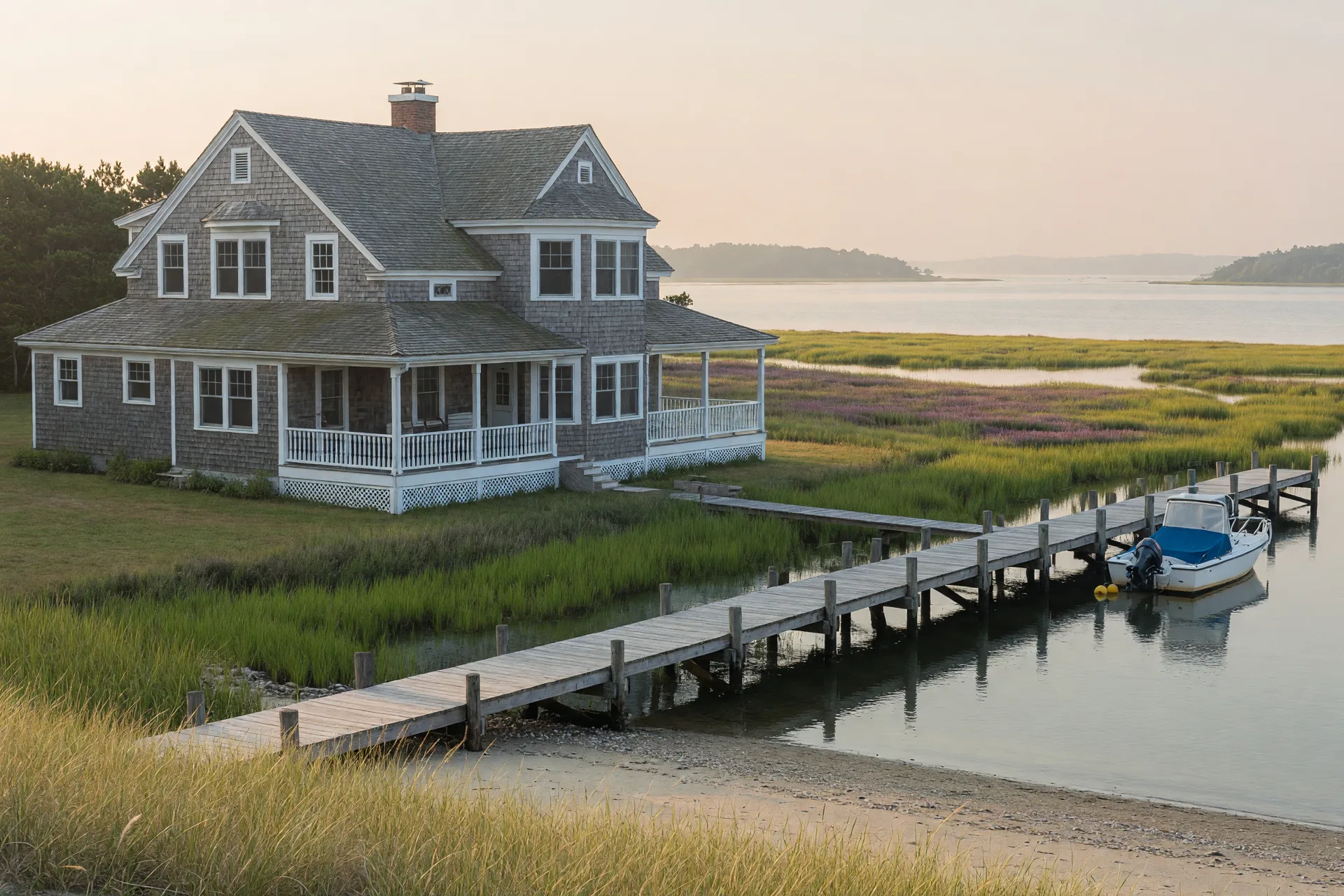 Buying Your Next Home Buying a Waterfront Home on the North Shore: What Experienced Buyers Know That First-Timers Don't
 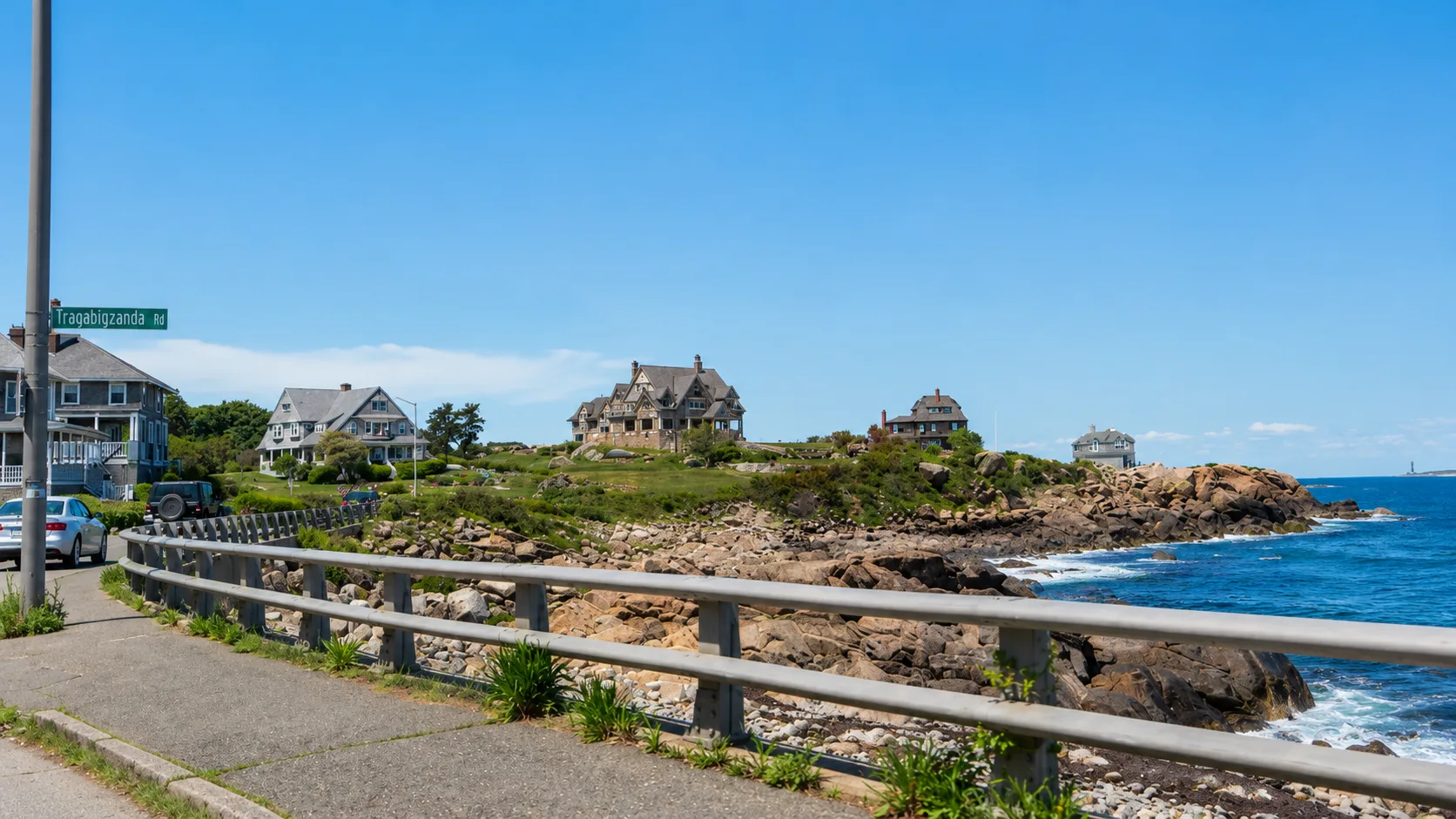 Luxury Coastal Living Coastal Luxury on the North Shore: What Buyers Should Know
 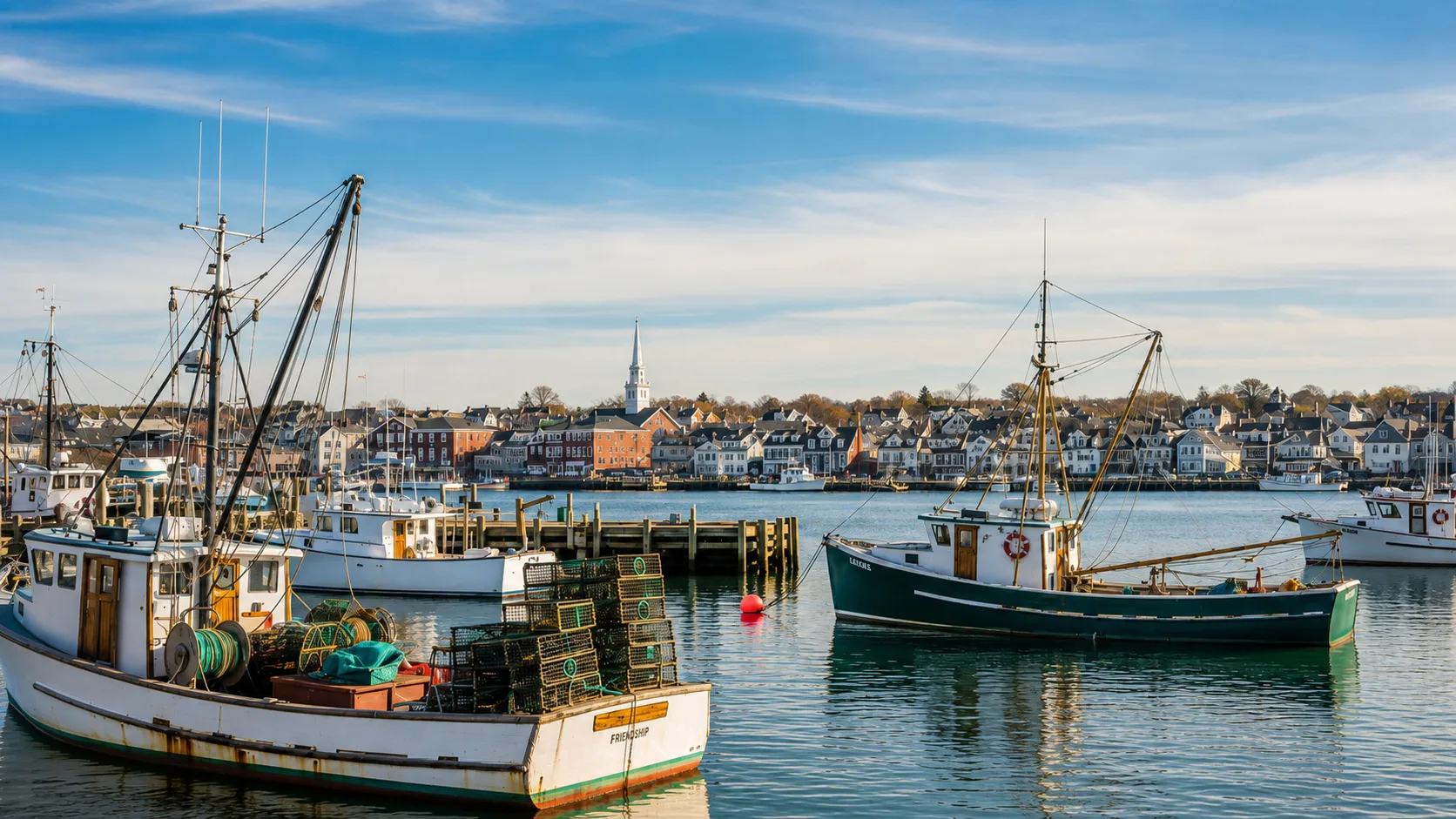 Neighborhood Guides Gloucester vs Rockport, MA: Which Cape Ann Town Is Right for You?
  Things to Do North Shore Beaches: A Local's Guide to the Best Sand and Swimming
  North Shore History Plum Island: The Barrier Beach That Shaped the North Shore Coast
 From the page to the porch
A note can only tell you so much. Let Kathleen take you through the towns, the streets, and the options that actually fit.